
Review · NEW ORLEANS
New Orleans Jazz Walking Tour
New Orleans jazz is best understood on foot, where music, memory, architecture, and neighborhood life meet. This two-hour walk starts at Louis Armstrong Park, visits Congo Square and the former St. Pierre Hotel, then finishes among the clubs of Frenchmen Street. Guides such as Harris Parson and Robin bring music into the story, sometimes playing songs as they explain the people and places behind them.
I like the clear route from early Black musical traditions to modern club culture. I also like that the tour treats jazz as part of New Orleans life, not as a museum subject sealed behind glass. The main drawback is that you spend much of the two hours standing and walking, and the final stop does not include a concert ticket, food, or drinks.
Key points at a glance
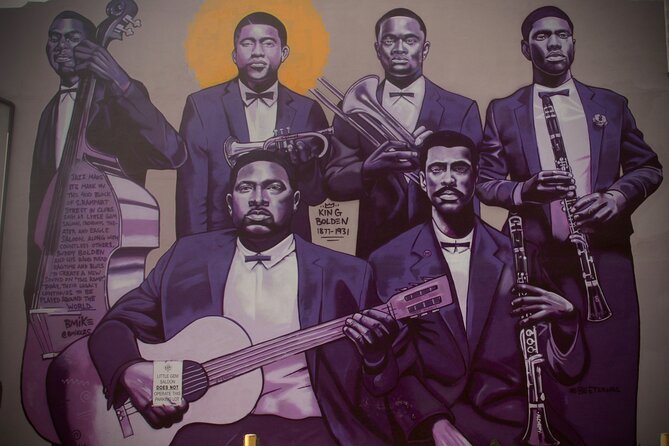
- Louis Armstrong Park opens the story: See monuments to early jazz figures and hear about Louis Armstrong, Jelly Roll Morton, Charles Buddy Bolden, and others.
- Congo Square adds essential context: Learn about this historic gathering place and its connection to African American music and community life.
- The St. Pierre Hotel connects jazz to real places: The New Orleans Jazz Museum visit includes the site where Louis Armstrong stayed during New Orleans performances.
- Guides are the heart of the experience: Harris Parson is a New Orleans native, drummer, cultural ambassador, and oral historian whose music examples help bring the past into focus.
- Frenchmen Street is the practical finale: End near live-music venues including Snug Harbor, Maison, and the Spotted Cat.
- The $35 price is fair for a small-group history walk: The tour lasts about two hours, with a maximum of 28 people, but club entry and meals cost extra.
Why this jazz walk works better than a club-only evening
A night at a New Orleans jazz club gives you the sound. This tour gives you the backstory that helps you hear it differently.
You begin with the people, neighborhoods, and social forces that shaped the music. By the time you reach Frenchmen Street, you have a better sense of why New Orleans jazz is more than a style of music. It is tied to African American culture, local identity, dance halls, street life, recording studios, and the long careers of musicians who changed American music.
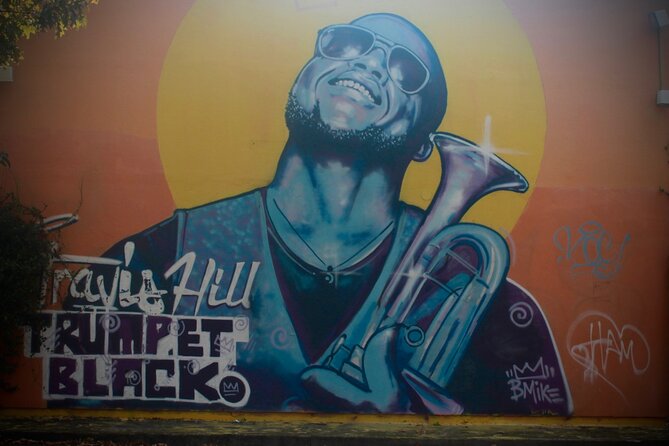
I especially like the use of recorded music during the walk. Several descriptions of the tour point to guides playing songs as they discuss particular musicians and periods. That is a smart teaching tool. Names such as Jelly Roll Morton or Buddy Bolden can blur together when presented as a list, but hearing music alongside the story gives each figure a clearer place.
The strongest guide reports center on Harris Parson, who is described as a New Orleans native and working drummer with a band. He also leads other Tours By NOLA experiences, including walks focused on the French Quarter, Tremé, and the Garden District. Robin is another guide praised for combining music with historical explanation. Your guide is not guaranteed by the tour details, so you should not book on the assumption that one particular person will lead every departure.
More Jazz Shows in New Orleans
- New Orleans Steamboat Natchez Jazz Cruise with Dinner Option
★ 4.0 · 7,533 reviews - New Orleans Steamboat Natchez Jazz Cruise
★ 4.5 · 5,334 reviews - New Orleans: Evening Steamboat Jazz Cruise + Optional Dinner
★ 4.3 · 4,548 reviews
Starting at Louis Armstrong Park
The tour begins at Louis Armstrong Park at 701 North Rampart Street. This is an apt starting point, since the park contains monuments connected with early jazz figures and the old dance halls where the music took hold.
You can expect about 40 minutes here. The guide introduces musicians including Louis Armstrong, Jelly Roll Morton, and Charles Buddy Bolden, along with other figures who helped form the New Orleans sound. The value of this stop is its human scale. Instead of treating jazz as something that appeared fully formed, the guide traces the people and places that helped it grow.
The park also gives the guide room to explain how music worked in public life. Dance halls, gatherings, parades, and neighborhood connections mattered. You are not simply checking off a statue or taking a photograph. You are getting the names and settings that make later parts of the tour easier to follow.
This portion should appeal most to adults, music students, and anyone who likes social history. Parents should know that younger children may find a long spoken history lesson difficult, particularly if they do not already enjoy music. The tour can work for school music groups, but the narrative is aimed more at a mature audience.
Congo Square and the foundations of community music
From the park, the route includes Congo Square, where the group spends about 20 minutes. The square is presented as a sacred place connected with the origins of jazz and with the history of African American gathering in New Orleans.
This is an important stop because it shifts the focus away from famous performers and toward community. The story is not only about individual genius. It is also about people meeting, making music, dancing, and maintaining cultural practices under difficult conditions.
The tour also places Congo Square near Tremé, one of the oldest African American neighborhoods in the United States. That connection matters. It shows you that New Orleans jazz developed within a living community rather than in isolation. The guide can connect music to local geography, cultural memory, and the city’s changing neighborhoods.
Do not expect a long performance here. The stop is brief, and its purpose is explanation rather than entertainment. I would listen closely and ask questions. The meaning of Congo Square can be easy to reduce to a simple origin story, so a good guide’s context is especially useful.
The New Orleans Jazz Museum and the St. Pierre Hotel
The next major stop lasts about 40 minutes and takes you to the New Orleans Jazz Museum, described here as the first jazz museum, at the St. Pierre Hotel. Louis Armstrong stayed at the hotel when he performed in New Orleans, giving the site a direct connection to one of the city’s best-known musicians.
The museum stop adds a physical sense of place to the stories from the park. You are not just hearing where musicians lived or performed. You are standing in a place tied to Armstrong’s time in the city.
The tour information lists admission as included at no extra cost. It does not promise a full museum visit with extensive independent browsing, so keep your expectations measured. The guide-led portion is the main event. If you want a long, quiet museum visit, you may need to return on your own or allow extra time before or after the walk.
This stop is particularly useful for first-time visitors. It links the city’s jazz past with an actual building, and it gives you a landmark to remember when you explore New Orleans later. I also like that the experience does not confine jazz to Frenchmen Street. The music’s story reaches into hotels, neighborhoods, dance halls, and recording spaces.
More Jazz Shows in the USA
- New Orleans: Daytime Steamboat Jazz Cruise + Optional Lunch
★ 4.3 · 4,164 reviews - Paddlewheeler Creole Queen Jazz Dinner Cruise in New Orleans
★ 4.0 · 1,469 reviews - New Orleans: Evening Jazz Boat Cruise with Optional Dinner
★ 4.4 · 1,024 reviews - Sunday Jazz Brunch Cruise in New Orleans
★ 4.0 · 889 reviews
Frenchmen Street: music after the history lesson
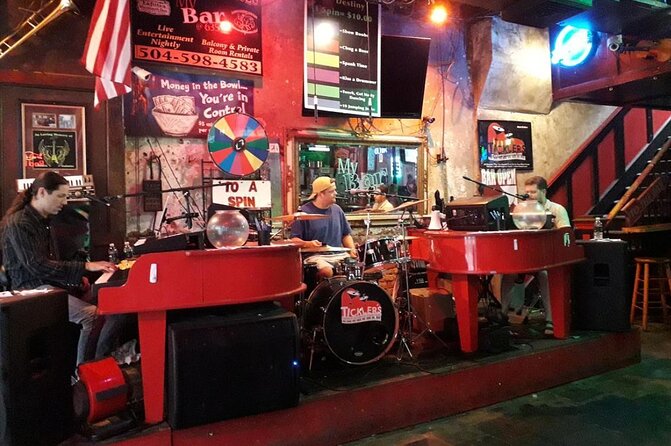
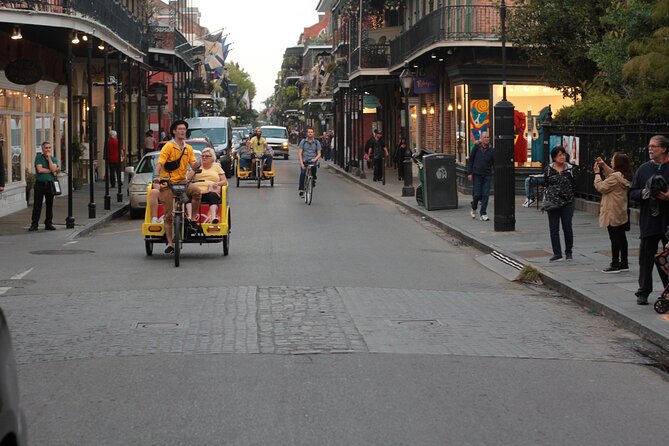
The tour ends on Frenchmen Street after about 20 minutes. This is the most immediately lively part of the route, but the tour does not include a club ticket, meal, or drinks.
That distinction matters. You finish in an excellent place to continue your evening, but you are responsible for choosing a venue and paying any costs. The tour information points to Snug Harbor, Maison, and the Spotted Cat as examples of places offering live music. Frenchmen Street is also described as having a family-friendly atmosphere for younger visitors, though individual venues and late-night performances can vary.
Ending here is a practical choice. You can use what you have learned right away, perhaps by listening for the musical ideas and names discussed during the walk. You can also ask your guide for suggestions, since several guides are praised for offering useful local recommendations.
The final stop is not a concert. If your main goal is live jazz, plan to stay on Frenchmen Street afterward. If your main goal is learning how jazz developed, the entire route is more important than the last 20 minutes.
Guide style and what makes the tour personal
The guide can make or break a history walk, and this experience seems built around strong personalities. Harris Parson receives the most specific praise. He is described as warm, engaging, highly informed about New Orleans, and able to answer questions about music, architecture, and city history.
His background as a drummer matters. A guide who performs music can explain more than dates and names. He can point out how songs fit into different periods and why particular musicians mattered. One family also appreciated that he adjusted the discussion to a young musician in the group, taking time to point out details likely to interest her.
Robin is also praised for using music to mark different eras and styles. That approach can help you follow a complicated subject without feeling like you are sitting through a lecture.
The tour provider describes its guides as cultural ambassadors and oral historians. Those labels are useful only if matched by substance, and the available descriptions suggest that the best guides go beyond basic sightseeing. They discuss architecture, social history, and the lives of individual musicians. That broader view is one reason this tour earns a very high overall rating of 4.9 from 80 reviews, with 98 percent of participants recommending it.
Still, guide quality can vary from one departure to another. If Harris Parson is important to your decision, ask the operator if he is scheduled before booking. The listing does not guarantee a specific guide.
Price, pace, and group size
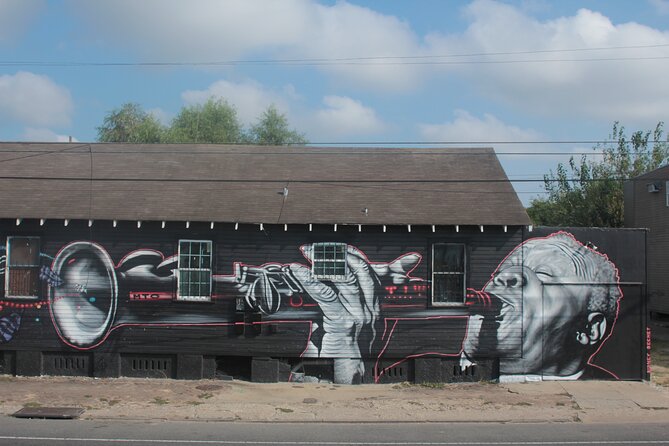
At $35 per person, this is a reasonably priced introduction to New Orleans music history. You receive about two hours with a local licensed guide, four connected stops, and a route that ends in one of the city’s main live-music districts.
The price is strongest if you value explanation. You are paying for local interpretation, not for admission to a show or a meal. Since the museum admission is listed as free and the tour does not include snacks, lunch, dinner, or club entry, budget separately for your evening on Frenchmen Street.
The maximum group size is 28 people. That is not an intimate private walk, but it is still small enough for a good guide to answer questions if the group stays attentive. The tour requires a moderate level of fitness, and you must be able to stand for long periods. Wear comfortable shoes and plan for the realities of a walking tour in New Orleans.
The activity is offered in English and uses a mobile ticket. Confirmation is sent at booking, and the tour requires at least two participants unless arranged as a private tour. The average booking time is 26 days ahead, which suggests that you should reserve early if your dates are fixed.
Who should book this experience
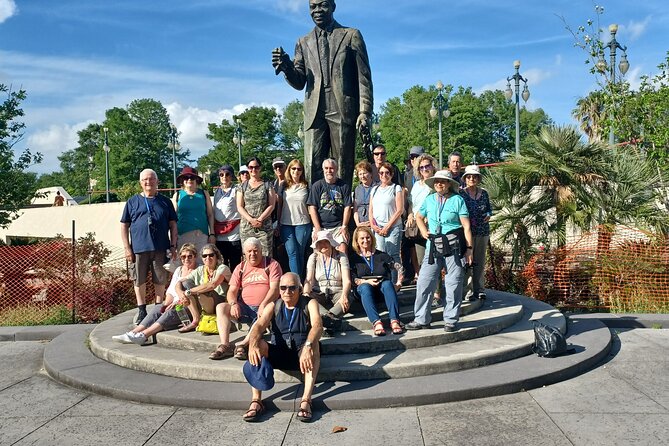
I would recommend this tour to first-time visitors who want a useful introduction before spending an evening listening to live music. It also suits adults with a strong interest in American music, families with older children, music students, and anyone who prefers place-based history to a simple club crawl.
You will get the most from it if you enjoy asking questions. Guides are praised for discussing subjects beyond jazz, including New Orleans architecture, city history, and local culture. That makes the walk broader than its title suggests.
You may want to skip it if you want a performance-heavy experience. The tour includes musical examples, but it is not a concert. You should also think twice if standing for long periods is difficult or if your group includes very young children who are unlikely to enjoy a spoken history tour.
Book it early in your stay if possible. The information you pick up about musicians, neighborhoods, and Frenchmen Street can help you make better choices for the rest of your time in New Orleans.
Practical details worth knowing before you go
The tour begins at Louis Armstrong Park and ends on Frenchmen Street, so you should not expect to return to the starting point. Both locations are near public transportation, but the route itself is on foot.
Free cancellation is available up to 24 hours before the start time for a full refund. Changes or cancellations made less than 24 hours ahead are not accepted for a refund. The experience depends on good weather, and a weather cancellation brings the choice of another date or a full refund.
One past cancellation involved poor communication when a guide became ill. The operator acknowledged that the booking platform did not notify the participants in time. That appears to be an unusual problem rather than the normal experience, but it is a useful reminder to check your messages and confirm the tour close to the date.
Should you book the New Orleans Jazz Walking Tour?
Book it if you want to understand New Orleans jazz before hearing it in a club. The route makes sense, the price is fair, and the strongest guides connect music with real buildings, neighborhoods, architecture, and community history.
I would be especially inclined to book if Harris Parson is leading your departure, since his musical background and local knowledge add a useful personal touch. Just remember that this is a walking history tour, not a ticketed concert. Bring comfortable shoes, allow time for Frenchmen Street afterward, and budget for your own food, drinks, and music venue.
FAQ
How long is the New Orleans Jazz Walking Tour?
The tour lasts approximately two hours.
Where does the tour begin?
It begins at Louis Armstrong Park, 701 North Rampart Street, New Orleans.
Where does the tour end?
The tour ends on Frenchmen Street, a popular area for live New Orleans music.
Is admission to the stops included?
The tour information lists admission as free for Louis Armstrong Park, the New Orleans Jazz Museum, Congo Square, and Frenchmen Street.
Does the tour include food or drinks?
No. Snacks, lunch, and dinner are not included.
Who may lead the tour?
The tour may be led by a Tours By NOLA cultural ambassador such as Harris Parson or Robin. A particular guide is not guaranteed unless confirmed with the operator.
Can I cancel for a full refund?
Yes. You can cancel at least 24 hours before the local start time for a full refund. If poor weather causes the operator to cancel, you will be offered another date or a full refund.
Just reviewed around New Orleans
- Small-Group New Orleans Jazz Tour★ 4.5 · 16 reviews
- The Soul of New Orleans: Jazz History Private Tour★ 5.0 · 4 reviews
- Private VIP Frenchmen Street Live Music Pub Crawl New Orleans★ 4.5 · 17 reviews
- New Orleans Jazz History and New Orleans People of Color★ 5.0 · 2 reviews
- Citywide Driving Tour with Local Jazz Musician★ 5.0 · 135 reviews
- Creole Queen Weekend Jazz Brunch Cruise on the Mississippi River★ 4.0 · 6 reviews
- New Orleans: Jazz Roots Tour with Music, Culture & Drink★ 4.8 · 100 reviews
- New Orleans: Jazz Walking Tour★ 5.0 · 4 reviews
New Orleans Live Music: the closest alternatives.
New Orleans Steamboat Natchez Jazz Cruise with Dinner Option
Read our review →
New Orleans: Evening Steamboat Jazz Cruise + Optional Dinner
Read our review →
New Orleans: Daytime Steamboat Jazz Cruise + Optional Lunch
Read our review →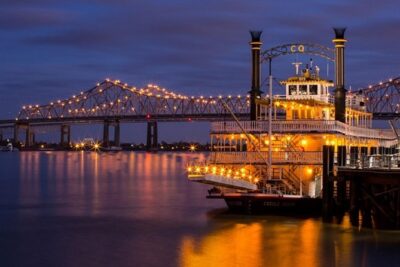
Paddlewheeler Creole Queen Jazz Dinner Cruise in New Orleans
Read our review →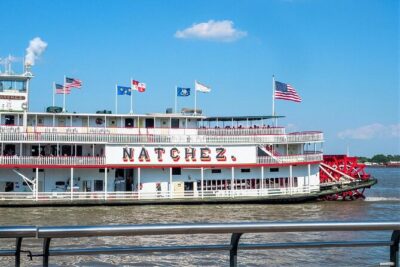
VIP Jazz Dinner Cruise with Private Tour and Open Bar Option
Read our review →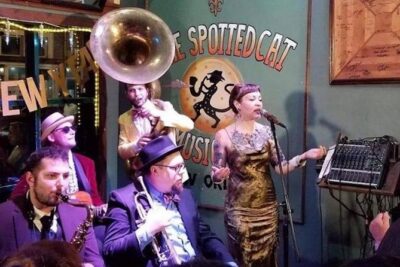
Frenchmen Street VIP Live Music Pub Crawl in New Orleans
Read our review →
New Orleans Jazz History and Music Walking Tour
Read our review →This show also appears in