
Review · NEW YORK CITY
Walking Tour of 1970’s Music Venues of the East Village
The East Village was once a proving ground for musicians who had more nerve than money. This two-hour walk connects the former sites of Fillmore East, CBGB, and The Bottom Line with smaller clubs where artists worked out their sound before reaching a wider audience.
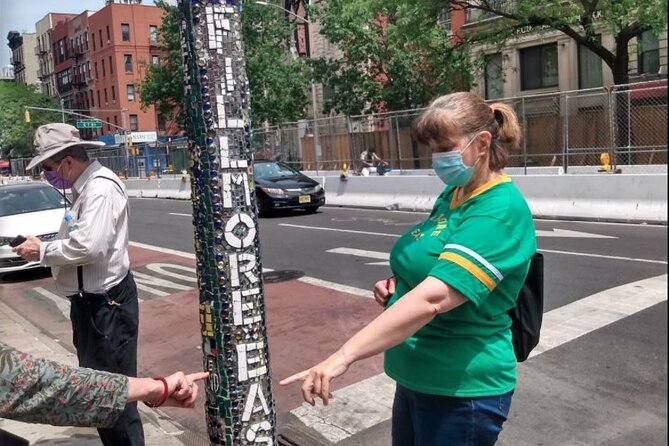
I like the focus on real street corners rather than museum displays, and I like the small group limit of 12. You are not just hearing about famous bands in the abstract. You are standing where The Who, Pink Floyd, Patti Smith, Bruce Springsteen, and the New York Dolls once played.
The main concern is reliability. One published experience described a missed guide and no response before the scheduled walk, though the provider, Ann McDermott, later apologized and offered a free tour plus travel reimbursement. The overall rating is 4.7 from 12 ratings, with 92 percent recommending it, but you should still confirm your booking before setting out.
Key points about the East Village music walk
- Former Fillmore East: Revisit one of New York’s most important rock venues and recall major shows by The Who and Pink Floyd.
- CBGB and Patti Smith: See the former club site linked to the early punk scene and the period after the release of Horses.
- The Bottom Line: End near the former club where Bruce Springsteen made a major impression in 1975.
- Less famous but important clubs: Visit Club 82, On the Rocks, and Great Gildersleeves, places tied to developing artists and new acts.
- A disco-era stop: Learn about Infinity, a dance club destroyed by fire in 1979.
- Personal scale: The group is capped at 12, making it easier to hear the guide and ask questions.
Start at 105 2nd Avenue and enter the old East Village
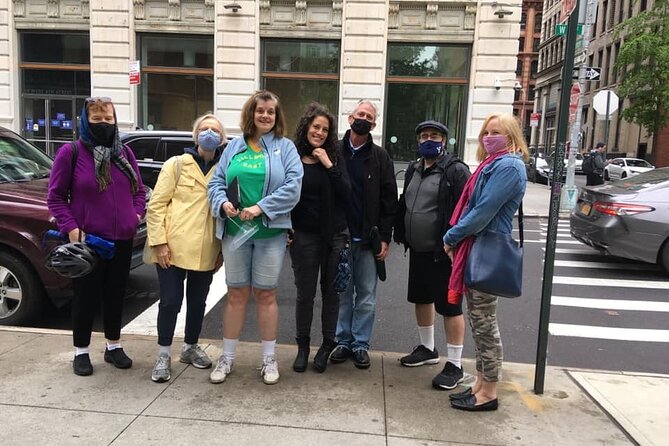
The walk begins at 105 2nd Avenue at 11:00 am. That puts you in the East Village, an area that gives the subject matter some useful context before the first story even begins.
The tour looks back to the 1970s, when apartments were cheaper, musicians could live close to one another, and buying a concert ticket meant showing up in person. There was no online ticket portal and no instant stream of live performances. If you wanted to see a band, you went to the club, stood in line, and hoped tickets were still available.
That detail matters because the old music scene was tied to the neighborhood in a way that is difficult to recreate now. Musicians, fans, club owners, and promoters occupied the same few blocks. A walk through the area helps you picture that network better than a list of dates and album titles would.
Ann McDermott leads the experience. The walk is offered in English, and the mobile ticket makes it easy to carry the booking on your phone. Since the tour is outdoors and requires good weather, wear shoes suited to city sidewalks and check conditions before leaving.
Other concerts and shows we rate around New York City
- NYC: Harlem Hallelujah! Gospel Wednesday Concert
★ 4.7 · 1,638 reviews - New York City: Harlem Gospel Live Music Concert
★ 4.7 · 1,479 reviews - New York City: Gourmet Dinner Cruise with Live Music
★ 4.2 · 1,074 reviews
Fillmore East and the golden age of rock concerts
One of the major stops is the former Fillmore East. The venue is remembered as one of the city’s key rock stages, and the walk uses it to bring back the scale of the concerts that once took place there.
You will hear about legendary appearances by The Who and Pink Floyd. These were not small club shows by unknown performers. The Fillmore East helped make live rock a major part of New York’s cultural life, and its name remains linked with some of the era’s most important concert experiences.
The value of this stop is not only the venue itself. It shows how the East Village could support a large audience while still feeding the city’s wider music culture. A musician might begin in a cramped club, find a following, and later appear on a much larger stage nearby.
Do not expect an intact concert hall or a preserved interior. The attraction is the location and the story attached to it. If you need original walls, stage equipment, or museum cases, this walk may feel thin. If you enjoy matching modern streets with vanished venues, it is a strong opening section.
CBGB and the raw edge of early punk
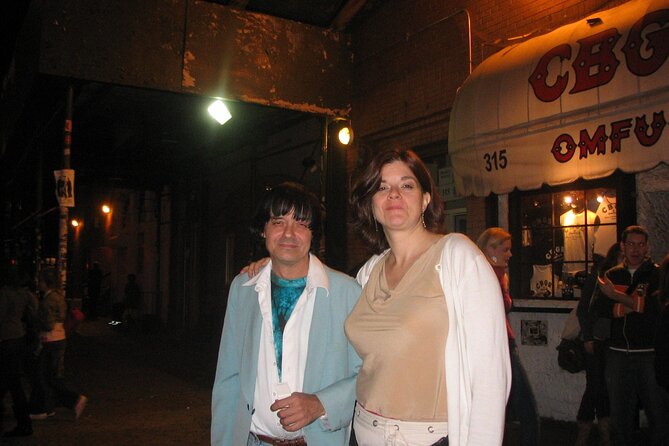
The former CBGB site is one of the walk’s most recognizable music landmarks. The club became closely associated with early punk and the hard-edged New York sound that took shape in the 1970s.
Patti Smith is central to this part of the story. The tour recalls her performances in 1976, after the release of Horses. That connection gives the stop a clear sense of timing. You are not just hearing that Patti Smith played CBGB. You are placing her work in the exact period when her reputation was growing and the local scene was changing.
The club’s importance came from its openness to developing acts. It was not simply a room for established stars. It gave musicians a place to test ideas, build a following, and find an audience that wanted something less polished than mainstream radio offered.
For you, the biggest benefit is the connection between music and place. CBGB is easy to treat as a famous name, but the walk frames it as part of a working neighborhood scene. The drawback is the same one found at other vanished venues: you are visiting a former site, not entering the original club.
Mercer Arts Center and the New York Dolls
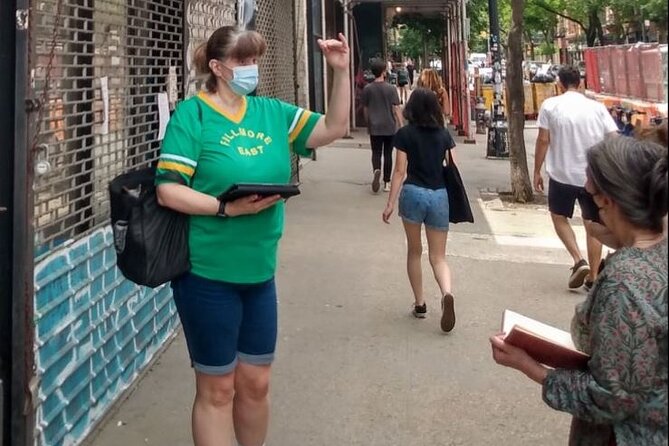
The walk also reaches the former Mercer Arts Center, where the New York Dolls are part of the story. This stop widens the tour beyond the best-known punk clubs and shows how several different styles were developing at the same time.
The New York Dolls brought theatrical clothes, loud guitar music, and a sense of danger that did not fit neatly into the normal rock market. Their connection to Mercer Arts Center helps explain how new acts could gain attention before they had major record deals or broad public recognition.
This is one of the places where the tour’s street-level format works well. You can connect a band’s image and sound with the small venues that allowed unusual performers to build a local audience. The story is less about a polished success story and more about artists finding room to experiment.
The stop also helps prevent the walk from becoming a simple parade of superstar names. The East Village scene depended on clubs that were small, imperfect, and willing to take chances. That is often where the most interesting music stories begin.
Same city, a different kind of sound:
- NYC: Holiday Yacht Cruise with Jazz, Cocoa & Carols
★ 4.7 · 568 reviews - New York City Dinner Cruise with Live Music
★ 4.0 · 377 reviews - New York City Harlem Highlights w/ Gospel Concert & Transfer
★ 4.5 · 326 reviews - NYC: Evening Jazz Cruise on the Yacht Manhattan
★ 4.8 · 285 reviews
Club 82, On the Rocks, and Great Gildersleeves
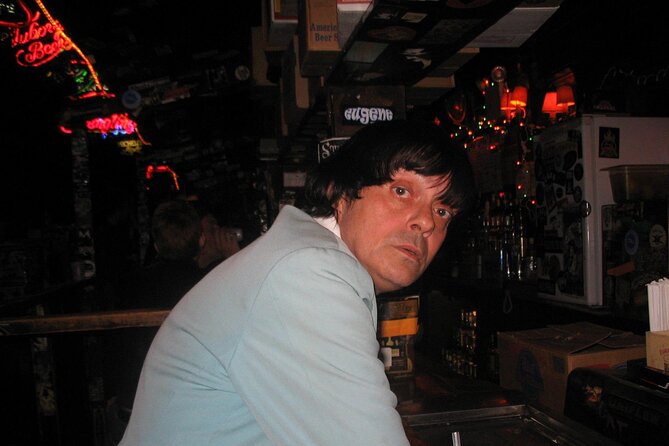
The lesser-known venues may be the most useful stops for anyone already familiar with CBGB and Fillmore East. Club 82, On the Rocks, and Great Gildersleeves show the wider network of places where musicians honed their craft and gained early supporters.
These clubs may not carry the same instant recognition as CBGB, but they help fill in the gaps. A music scene is not built by one famous room. It grows through many small stages, rehearsal spaces, bars, and clubs where performers can try new material in front of a live audience.
I appreciate that these locations are included because they give the walk more substance. You are not only checking off a few celebrity venues. You are learning how an underground scene actually functioned, with artists moving between rooms and developing an audience over time.
The exact condition of each former site is not specified, so you should expect a guided look at places and stories rather than a series of preserved interiors. Ann McDermott’s explanations are the main attraction at these stops. Keep your questions ready if you want to explore a particular band or style.
Infinity and the East Village disco connection
The tour takes a brief turn toward disco at the former site of Infinity. This dance club was destroyed by fire in 1979, and its inclusion adds another layer to the East Village’s music story.
It is easy to remember the 1970s as only a rock and punk decade. Infinity helps correct that narrow view. Dance clubs, disco, rock rooms, and experimental venues all formed part of New York’s night life. They served different crowds, but they existed within the same larger neighborhood culture.
This stop is also a reminder that the history of music venues is often fragile. Fire, changing rents, redevelopment, and shifting tastes can erase a club quickly. In many cases, all that remains is the location and the memory of what happened there.
For a visitor, the stop works best as a short contrast to the rock venues. It is not presented as a separate disco tour, and the experience remains focused on the East Village’s 1970s music scene as a whole.
The Bottom Line and the 1975 Springsteen story
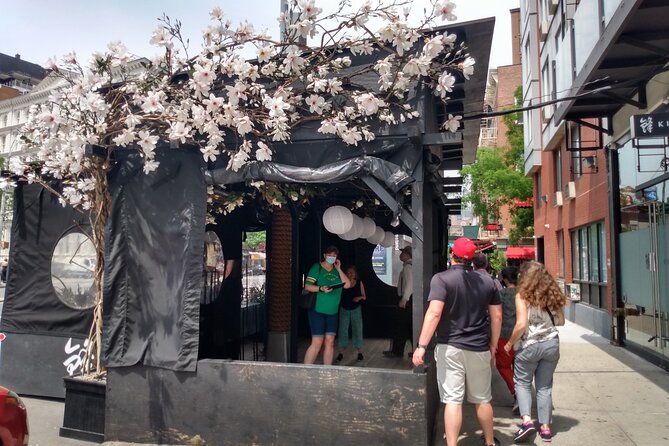
The walk ends at 15 East 4th Street, in front of what used to be The Bottom Line. This is a practical ending point as well as a strong final chapter. The site is close to the R and W trains and Washington Square Park, so you can continue sightseeing or head elsewhere without a long trek.
The Bottom Line is linked with Bruce Springsteen’s 1975 appearance, when he made a major impact around the period of Born to Run. That story gives the ending a satisfying sense of momentum. The tour begins with small rooms and developing performers, then finishes with a club remembered for a major breakthrough moment.
The venue also helps underline the importance of live performance in the 1970s. An artist’s reputation could change quickly after one powerful show. Music fans had to be in the room to experience it, and word spread through personal recommendations, newspaper coverage, and repeat visits.
I like ending here because the location is useful after the tour. You can walk toward Washington Square Park, use nearby subway service, or pause to think about how many former music rooms are now simply addresses on a city block.
What $50 gets you in practical terms
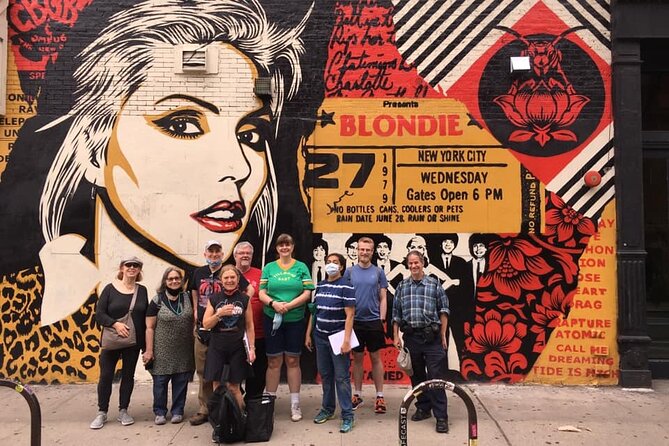
The price is $50 per person for about two hours. That is not a bargain if you measure value by admission to buildings, since the stops are former venues and there is no separate venue admission included.
The price makes more sense if you are paying for a focused guide, local storytelling, and a carefully connected route. You are getting a specialist walk centered on one period and one neighborhood, not a general introduction to New York.
A small group helps here. With a maximum of 12 people, you should have a better chance of hearing the guide on city sidewalks and asking about a favorite band or venue. The limited size also keeps the experience closer to a conversation than a large procession.
I would recommend the tour more readily to music fans than to first-time New York visitors who want broad sightseeing. If this is your first visit to the city and you have only one free morning, compare it with a general East Village or downtown tour. If you already know the music and want to connect it with physical places, the focused subject is the reason to pay.
Timing, walking conditions, and who should book
The start time is 11:00 am, and the walk lasts about two hours. That leaves the rest of the day open for Washington Square Park, Greenwich Village, museums, shopping, or another neighborhood.
You should be comfortable walking outdoors for the full period. The tour is near public transportation, and it ends near the R and W trains, but the experience itself is a walking route rather than a ride between venues.
Most people can participate, and service animals are allowed. The tour requires good weather, so a rainout can lead to another date or a full refund. If the minimum number of participants is not reached, the provider may offer a different date or experience, or issue a full refund.
You can cancel for a full refund up to 24 hours before the start time. Changes or cancellations made inside that 24-hour window are not accepted for a refund.
One booking tip is worth taking seriously: confirmation is sent within 48 hours, subject to availability. Because one person arrived for a scheduled tour after the guide missed an email, I would check your confirmation and meeting details before the morning of the walk. That incident was acknowledged with an apology and an offer of a free tour plus travel reimbursement, but a failed start can still spoil a carefully planned day.
Is this East Village music tour worth booking?
Book it if you care about 1970s rock, punk, disco, or the way live music scenes form around small venues. The best parts are the links between famous locations and lesser-known clubs, plus the ending at The Bottom Line near useful subway connections.
Skip it if you need preserved interiors, exhibits, or a broad New York sightseeing tour. The experience depends on the guide’s stories and your interest in imagining vanished clubs from their street locations.
At $50, I see it as a specialized walking tour rather than a general bargain attraction. Confirm the booking, allow two hours for outdoor walking, and choose it when the East Village music scene is a main reason you are in New York.
FAQ
How much does the tour cost?
The tour costs $50 per person.
How long does the walking tour last?
The tour lasts approximately two hours.
What time does the tour start?
It starts at 11:00 am.
Where does the tour begin?
The meeting point is 105 2nd Avenue, New York, NY 10003.
Where does the tour end?
The tour ends at 15 East 4th Street, in front of what used to be The Bottom Line.
Which former music venues are included?
The route includes the former sites of Fillmore East, CBGB, The Bottom Line, Club 82, On the Rocks, Great Gildersleeves, Mercer Arts Center, and Infinity.
Is the tour offered in English?
Yes. The tour is offered in English.
How large is the group?
The tour has a maximum of 12 participants.
Is mobile ticketing available?
Yes. A mobile ticket is available.
Can I cancel for a full refund?
Yes. You can cancel at least 24 hours before the start time for a full refund. If poor weather or an insufficient minimum number causes the tour to be canceled, you will be offered another date or experience, or a full refund.
Just reviewed around New York City
- New York Harbor Live Holiday Jazz Cruise★ 5.0 · 35 reviews
- New York City Live Jazz Sail★ 5.0 · 14 reviews
- New York Harbor Wine and Jazz Sail aboard Clipper City★ 4.5 · 21 reviews
- New York City Dinner Cruise on Luxury Yacht with Live Music★ 4.0 · 11 reviews
- Harlem Jazz Tour: NYC Speakeasies and Juke Joints – Live Jazz★ 4.5 · 7 reviews
- Harlem Jazz Series★ 4.5 · 42 reviews
- Gospel Wednesday Music Concert in Harlem★ 4.5 · 34 reviews
- Evening Harlem Jazz Tour★ 4.5 · 71 reviews
New York City Live Music: the closest alternatives.
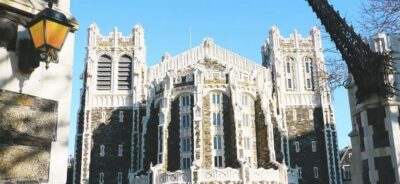
NYC: Harlem Hallelujah! Gospel Wednesday Concert
Read our review →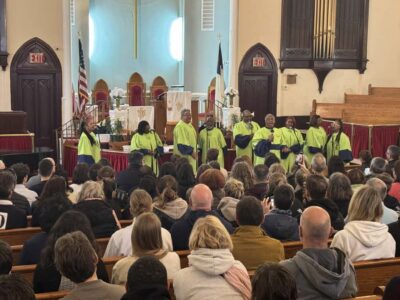
New York City: Harlem Gospel Live Music Concert
Read our review →
New York City: Gourmet Dinner Cruise with Live Music
Read our review →
NYC: Holiday Yacht Cruise with Jazz, Cocoa & Carols
Read our review →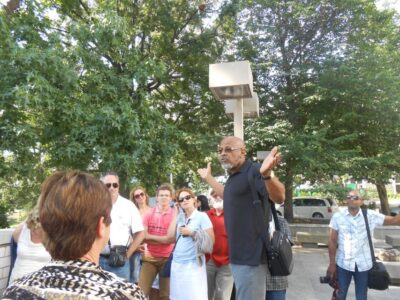
New York City Harlem Highlights w/ Gospel Concert & Transfer
Read our review →
NYC: Evening Jazz Cruise on the Yacht Manhattan
Read our review →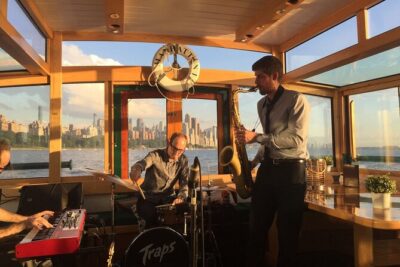
New York City Sunset Jazz Sail aboard Clipper City
Read our review →This show also appears in