
Review · USA
Tunica: Gateway to the Blues Museum Tour
The blues takes center stage at Tunica’s Gateway to the Blues Museum, right on Highway 61, the road tied to the music’s long journey through the Mississippi Delta. You’ll move from the blues as personal expression to the way sheet music, recordings, and famous performers carried it far beyond the South. W.C. Handy’s first cornet gives the story a real, physical anchor.
I like two things especially: the collection of more than 20 guitars used by famous artists across several music styles, and the recording studio where you can write and record your own blues song. The main consideration is that this is a self-guided museum visit, not a live performance or a guided tour with a named expert, so you should allow time to read and explore at your own pace.
Key points to know before you go
- Highway 61 setting: Begin your visit on the road widely known as the Blues Highway, in Tunica, Mississippi.
- W.C. Handy’s first cornet: See an important object linked to one of the blues’ early figures.
- More than 20 notable guitars: The collection covers famous instruments from several music genres.
- Hands-on recording studio: Write and record your own blues song instead of only looking at displays.
- Self-guided and flexible: Entry costs $10 per person, and the visit is valid for one day from first activation.
- Easy for many visitors: The museum is English-language and wheelchair accessible, with no flash photography allowed.
Starting on Highway 61 in Tunica
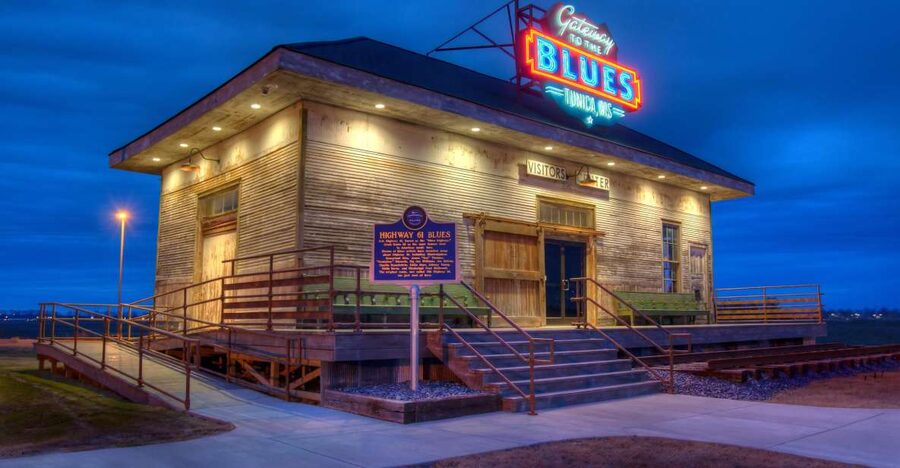
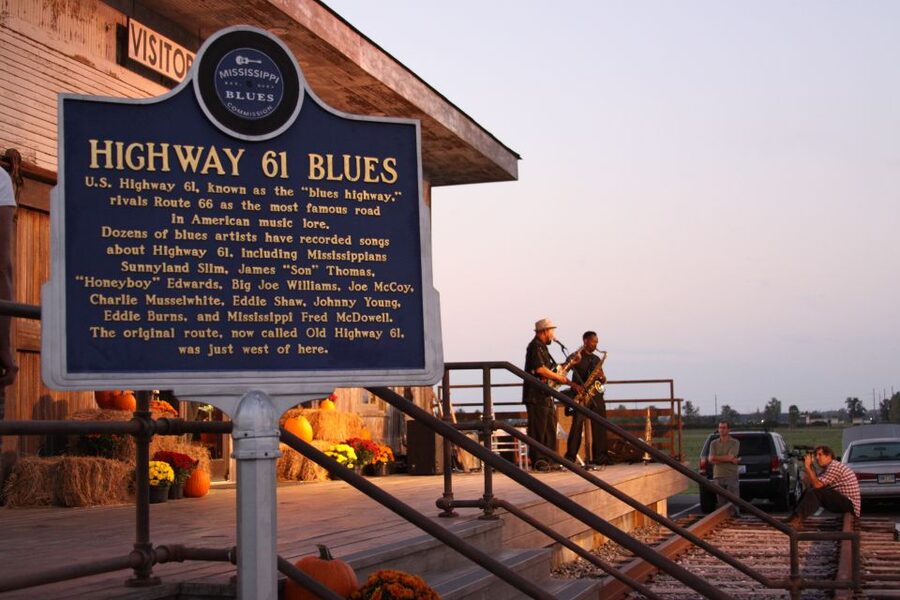
The location matters here. The Gateway to the Blues Museum sits on Highway 61, the famous route that runs through the Mississippi Delta and has become closely linked with blues culture. You are not simply visiting a general music museum in an unrelated setting. You are beginning at a place that points toward the region where the blues developed and found its voice.
This makes the museum a useful first stop before exploring more of Mississippi’s blues country. The visitor center provides informational booklets and brochures, so take a few minutes to look through them before entering the main exhibits. They can help you place Tunica and the Delta within the larger story.
The experience lasts one day from first activation, but the activity is self-guided. No fixed tour schedule or timed walking route is provided. That gives you freedom to spend more time with the displays that catch your attention, though you will need to manage your own pace.
Music museums and concert-and-museum combos around the USA:
- Little Havana Tour Private Cuban Podcaster Art, Museums, Music
★ 4.5 · 93 reviews - Bellagio Gallery of Fine Art: “American Duet: Jazz” Exhibit
★ 4.0 · 5 reviews - Venice: Vivaldi’s Four Seasons Concert & Music Museum Visit
★ 4.8 · 2,065 reviews
Understanding how the blues found its voice
The first part of the visit explains the origins of blues music in the Mississippi Delta and its role as a form of expression. The subject is not treated as a simple list of musicians and dates. The blues grew from lived experience, and the museum presents the music in terms of its emotional force, including pain, struggle, longing, and endurance.
That context helps you hear the music differently. Instead of treating the blues as only a sound or a style of guitar playing, you can see it as a way for people to express what was difficult to say in ordinary conversation. For a first-time visitor, this is likely the most important part of the museum because it gives meaning to the objects displayed later.
You should also expect the story to connect local Delta traditions with the music’s wider influence. The blues did not stay in one small corner of Mississippi. Its sounds and structures helped shape later American music, including several genres represented in the guitar collection.
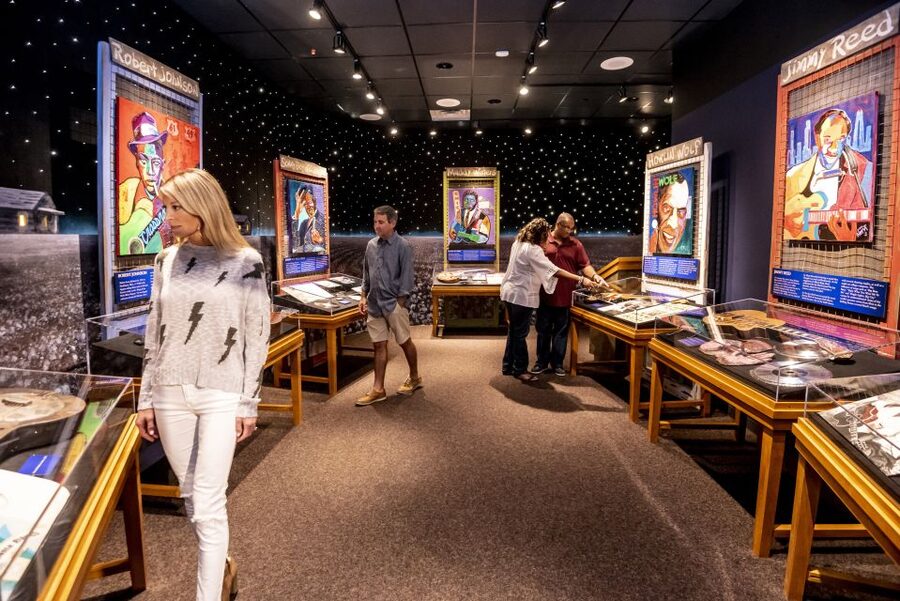
The displays are designed to be interactive, with artwork and other material supporting the story. Since the tour is self-guided, you can pause when a panel or exhibit catches your interest. If you already know the blues well, the museum’s value may come less from basic background and more from seeing instruments and production details up close.
Seeing W.C. Handy’s first cornet
One of the clearest historical objects here is W.C. Handy’s first cornet. Handy is important to the development and spread of blues music, and his instrument gives you a direct connection to that early period.
A musical instrument can tell a different story from a written explanation. You can see the kind of object associated with Handy’s early musical life, then consider how the blues moved from oral and local traditions into published and recorded forms. The cornet also broadens the usual image of the blues as guitar music alone.
The museum uses this part of the collection to explain the development of sheet music. That step matters because printed music helped carry blues compositions beyond the communities where they first developed. It also changed who could learn, perform, and share the music.
For me, the cornet and the sheet music section work best together. One is a personal object tied to a musician. The other shows how music could be copied, sold, and spread. You get both the human side and the practical side of the blues’ growth.
From sheet music to recorded music
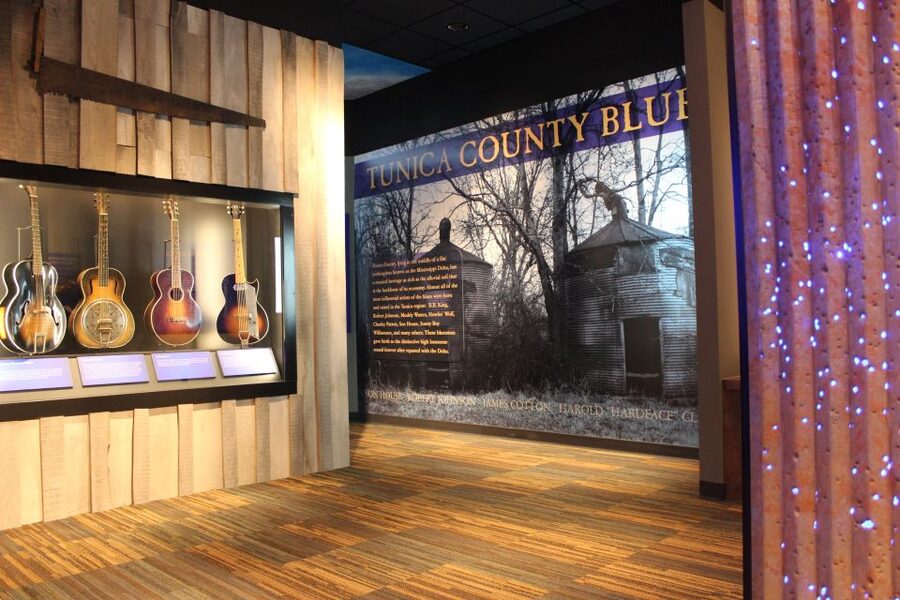
The museum also covers the effect of recorded music. This is a key change in the blues story. Sheet music allowed people to read and perform songs, but recordings allowed listeners to hear a particular voice, rhythm, phrasing, and instrumental style.
That distinction is worth noticing. A printed song can preserve notes and words, but a recording captures the feel of a performance. The rise of recorded music helped blues artists reach audiences far from the Delta and helped later musicians study and adapt the sound.
The exhibits connect these changes rather than treating them as separate facts. You can follow the path from local expression to printed material, then to commercial recordings and wider recognition. This gives the visit a clear structure, even though you are moving through it without a guide.
If you are visiting with someone who loves blues, this section gives that person plenty to focus on. If you are less familiar with the genre, it explains why technology and publishing mattered so much to its growth.
Other concerts and shows we rate around the USA
- New Orleans Steamboat Natchez Jazz Cruise with Dinner Option
★ 4.0 · 7,533 reviews - New Orleans Steamboat Natchez Jazz Cruise
★ 4.5 · 5,334 reviews - New Orleans: Evening Steamboat Jazz Cruise + Optional Dinner
★ 4.3 · 4,548 reviews - New Orleans: Daytime Steamboat Jazz Cruise + Optional Lunch
★ 4.3 · 4,164 reviews
Taking a close look at more than 20 guitars
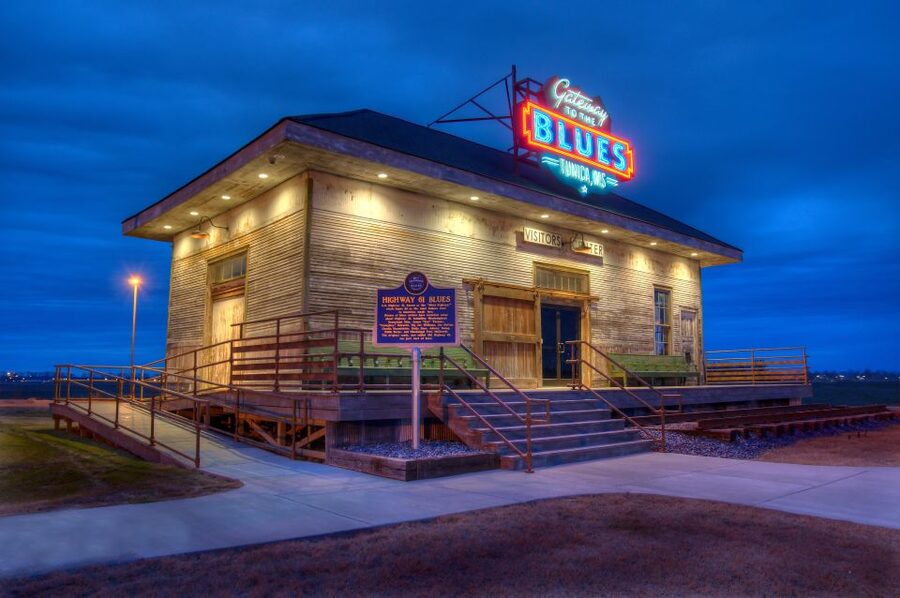
The guitar collection is likely to be the museum’s biggest visual draw. You can see more than 20 guitars used by famous artists across multiple genres. That range matters because the blues did not remain sealed inside one musical category. Its patterns and sounds helped shape a broad stretch of American popular music.
You do not need to be a guitar player to enjoy this part. The instruments make the connection between blues and later music easier to understand. Each guitar represents performance, technique, and the public image of an artist, even when the main focus remains the music itself.
For serious music fans, this may be the section worth studying closely. Look at the instruments as physical tools rather than only display pieces. Their presence helps show that music history is also made through ordinary objects used repeatedly on stage and in the studio.
The collection also gives the museum variety. The cornet and sheet music appeal to visitors interested in early development. The guitars speak to people who connect with performers and instruments. A couple or family with different interests can split their attention without anyone being stuck with only one kind of exhibit.
Do not expect every instrument to come with a full concert setting or live demonstration. The experience is built around exhibits, information, and interaction. The guitars are part of that museum setting, not a substitute for seeing a performance.
Making your own blues recording
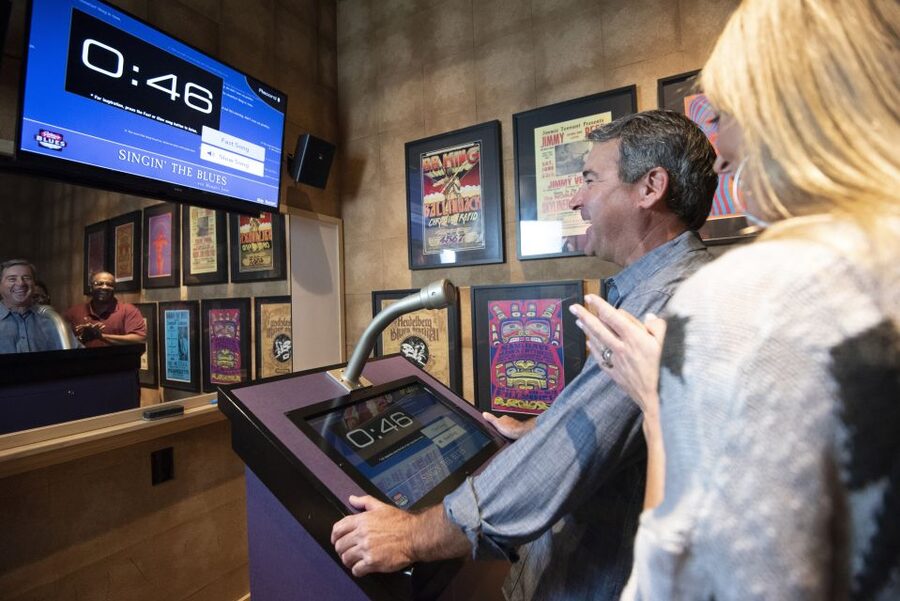
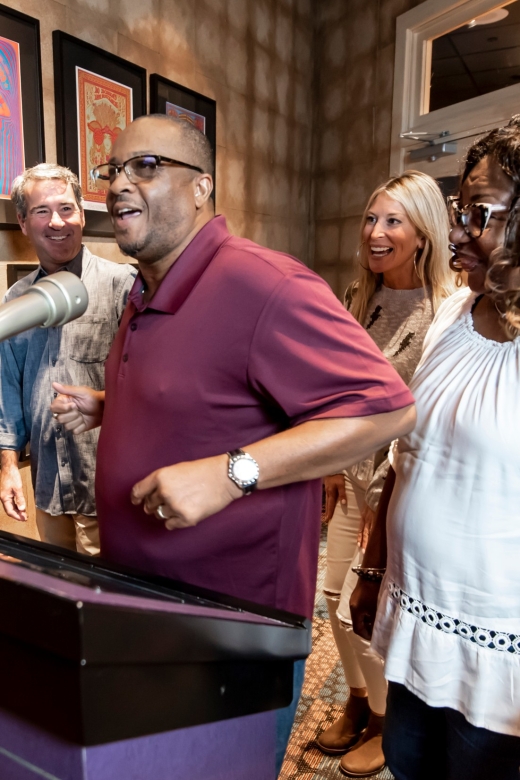
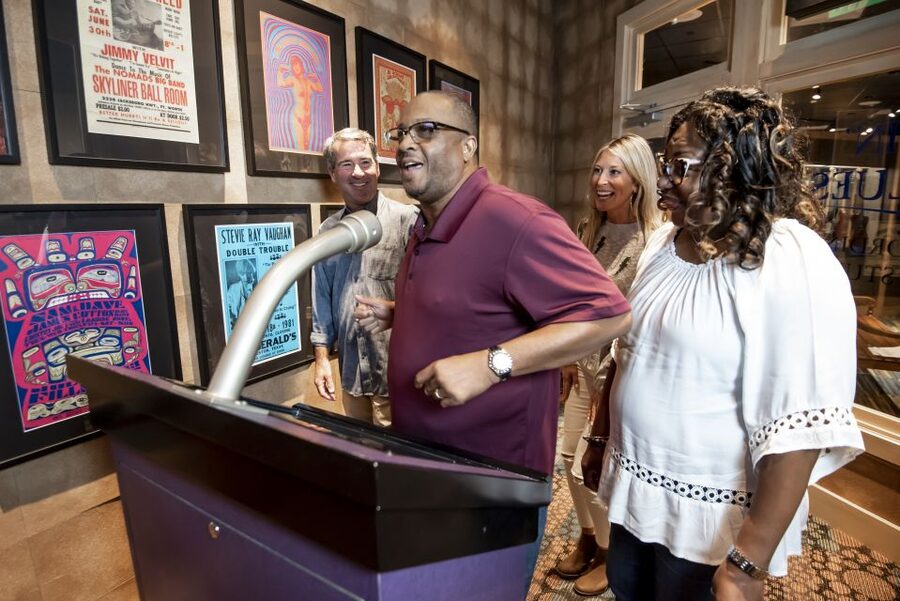
The recording studio exhibit is the most active part of the visit. You get the chance to learn the basics of blues music, write your own blues song, and record it. This changes the tone of the museum from looking and reading to trying something yourself.
You do not have to be a musician to take part. The point is to understand some of the building blocks of the form by using them. Writing a blues song, even a simple one, can help you notice its repeated patterns, emotional directness, and sense of rhythm.
This feature is especially useful for families, younger visitors, and anyone who tends to lose interest in display cases. It also gives a blues fan a chance to approach the music from the performer’s side rather than only as a listener.
The recording studio is not described as a full professional recording session, so keep your expectations reasonable. Think of it as an interactive museum exhibit that introduces the basics and lets you make a personal recording. That is still a strong value at this price, particularly because it gives you an experience to remember rather than another photograph of an object.
You may want to allow extra time for this section. The museum has no fixed guided schedule, but a hands-on activity naturally takes longer than walking past a display. If the studio is the main reason you are visiting, do not rush through the earlier sections to reach it.
What the $10 admission gets you
At $10 per person, this is an inexpensive cultural stop. The admission covers entry to the self-guided Gateway to the Blues Museum tour. Informational booklets and brochures are available at the Gateway to the Blues Visitor Center, adding useful background without requiring a separate purchase.
The value is strongest if you care about American music, Mississippi history, musical instruments, or hands-on exhibits. You are getting several different kinds of content for one modest fee: regional background, historic objects, guitars linked to major performers, and an interactive studio.
It may be less satisfying if you want a long guided tour, live blues music, food, or a full day of scheduled activities. The stated duration is one day of validity, not a promise that the museum itself fills an entire day. Your actual visit length will depend on how carefully you read, how long you spend with the guitars, and how much time you give the recording studio.
Food and drinks are not included. Plan for those separately, especially if this stop forms part of a longer drive along Highway 61.
Who should make time for this stop
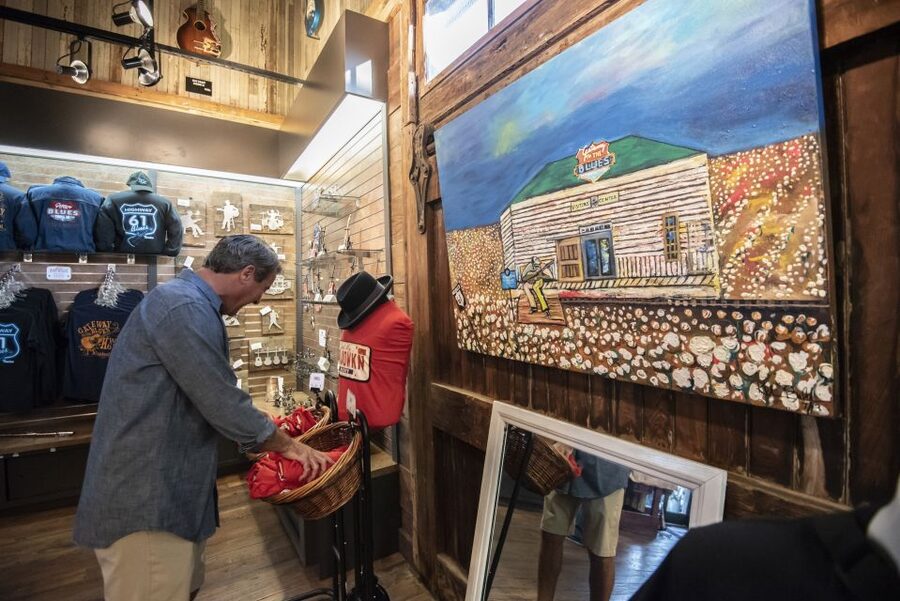
I would recommend the museum most strongly to music lovers, people planning a Mississippi Delta trip, and anyone who wants a clear introduction to the blues before visiting other related places. It also suits couples with different levels of musical knowledge. One person can focus on the instruments and artists, while the other learns why the music developed in the Delta.
The museum also works well for visitors who prefer to set their own pace. Since the tour is self-guided and offered in English, you are not tied to a group or a guide’s timetable. You can read closely, move quickly, or spend extra time with the interactive material.
It may not be the best fit if your main goal is a live concert. Nothing in the activity details promises a performance. You should also note that flash photography is not allowed, so bring a camera only for permitted, non-flash photos.
The museum is wheelchair accessible, which makes it a practical choice for many visitors. The listed host or greeter language is English, and the activity itself is offered in English.
Booking flexibility and practical details
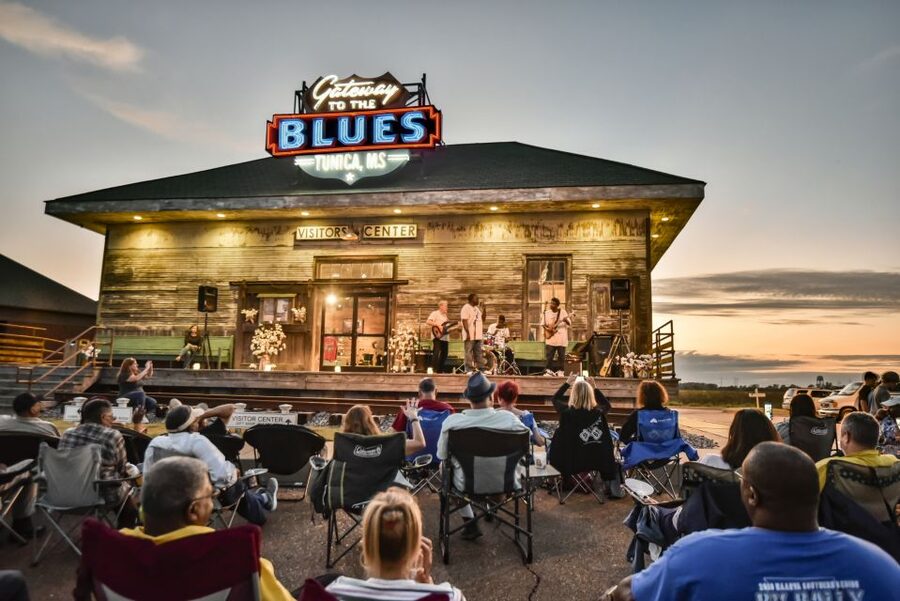
You can cancel up to 24 hours in advance for a full refund. The reserve-now, pay-later option lets you secure the visit without paying at the time of booking, which can help when your Mississippi itinerary is still changing.
The booking is valid for one day from first activation. Since no transportation is included in the activity details, you should make your own way to the museum on Highway 61 in Tunica.
The published rating is 4.5 from four ratings, with especially positive comments about the overall experience and the chance to learn about the blues and its Southern roots. The strongest appeal is educational: you come away with a better sense of how the music developed and why it matters.
Should you book the Gateway to the Blues Museum?
Book it if you want an affordable, focused introduction to Delta blues with real objects and a hands-on finish. The $10 admission, W.C. Handy’s first cornet, the collection of more than 20 guitars, and the personal recording activity give the visit more range than a basic display of photographs and text.
Skip it only if you are looking specifically for a live performance, a guided group tour, or a full day of entertainment. For most people traveling through Tunica, it is an easy way to get oriented before continuing along Highway 61, and the chance to make your own blues recording adds a welcome bit of play to the history lesson.
FAQ
Where is the Gateway to the Blues Museum located?
It is located on Highway 61 in Tunica, Mississippi, United States. Highway 61 is also known as the Blues Highway.
How much does the museum tour cost?
Admission costs $10 per person.
Is the visit guided?
The museum entry is for a self-guided tour. A host or greeter is available in English, and informational booklets and brochures are located at the Gateway to the Blues Visitor Center.
What is included with admission?
Admission includes entry to the self-guided Gateway to the Blues Museum tour. Food and drinks are not included.
Is the museum wheelchair accessible?
Yes. The activity is listed as wheelchair accessible.
Can I cancel my booking?
Yes. You can cancel up to 24 hours in advance for a full refund. Flash photography is not allowed.
Just reviewed around the USA
- Sunset Cruise with Live Music★ 4.0 · 18 reviews
- St Augustine Nights of Lights Tour with Live Music and Sunset Opt★ 4.5 · 69 reviews
- St. Louis Blues Ice Hockey Game Ticket at Enterprise Center★ 4.0 · 5 reviews
- Tacoma & Gig Harbor Hotel Transportation To/From Seattle Airport★ 5.0 · 3 reviews
- Savannah Live Music Walking Tour★ 4.5 · 18 reviews
- Shared 2 Hour September Sunset Cruise from Gig Harbor★ 5.0 · 13 reviews
- Utah Jazz Basketball Game Ticket at Delta Center★ 4.5 · 2 reviews
- French Cuisine & Live Piano Concert at Chez Sandrine!★ 5.0 · 2 reviews
USA Live Music: the closest alternatives.

New Orleans Steamboat Natchez Jazz Cruise with Dinner Option
Read our review →
New Orleans: Evening Steamboat Jazz Cruise + Optional Dinner
Read our review →
New Orleans: Daytime Steamboat Jazz Cruise + Optional Lunch
Read our review →
Key West Sunset Sail with Open Bar, Live Music and Hors D’oeuvres
Read our review →
Key West Sunset Cruise: Dinner, Live Music & Drinks Included
Read our review →
NYC: Harlem Hallelujah! Gospel Wednesday Concert
Read our review →
New York City: Harlem Gospel Live Music Concert
Read our review →
Paddlewheeler Creole Queen Jazz Dinner Cruise in New Orleans
Read our review →This show also appears in