
Review · SYDNEY
Sydney: Eugene Onegin at Sydney Opera House
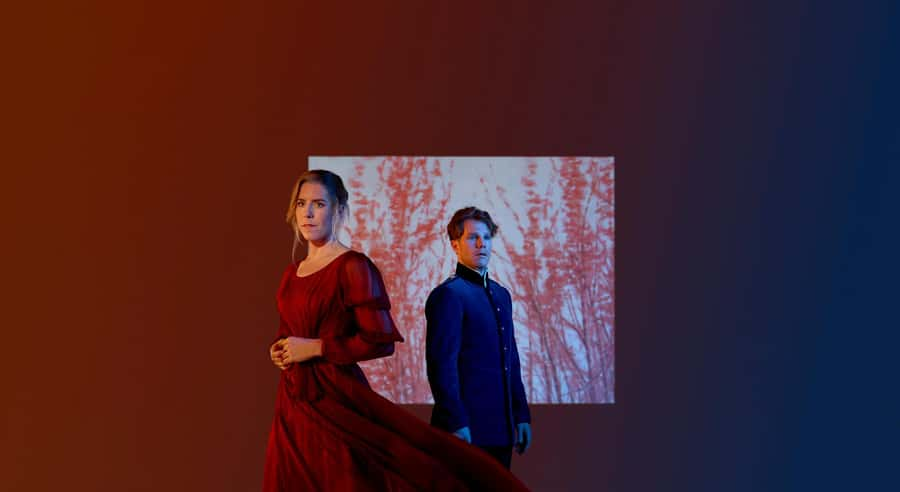
Tchaikovsky’s Eugene Onegin turns the Sydney Opera House into a place of memory, regret, and missed chances. Tatyana falls hard for Onegin, he rejects her, and the opera follows the painful choices that shape both lives. The production uses flashbacks, letting older Tatyana and Onegin watch their younger selves repeat the mistakes that haunt them.
I like two things here in particular: the Russian singing with English surtitles, which keeps the original sound while making the story followable, and the chance to hear Lauren Fagan, Andrei Bondarenko, and Nicholas Jones under conductor Anna Skryleva. The Opera House setting adds real occasion to the evening.
The main drawback is that the drama asks for patience. At 170 minutes, including an interval, this is a serious night at the theatre, not a quick cultural stop. Also, the booking information contains a troubling mismatch: the inclusion note refers to Sunset Boulevard, so confirm that your ticket is for Eugene Onegin before paying.
Key points before you book
- Tchaikovsky’s emotional score carries a story about love refused, friendship broken, and regret that arrives too late.
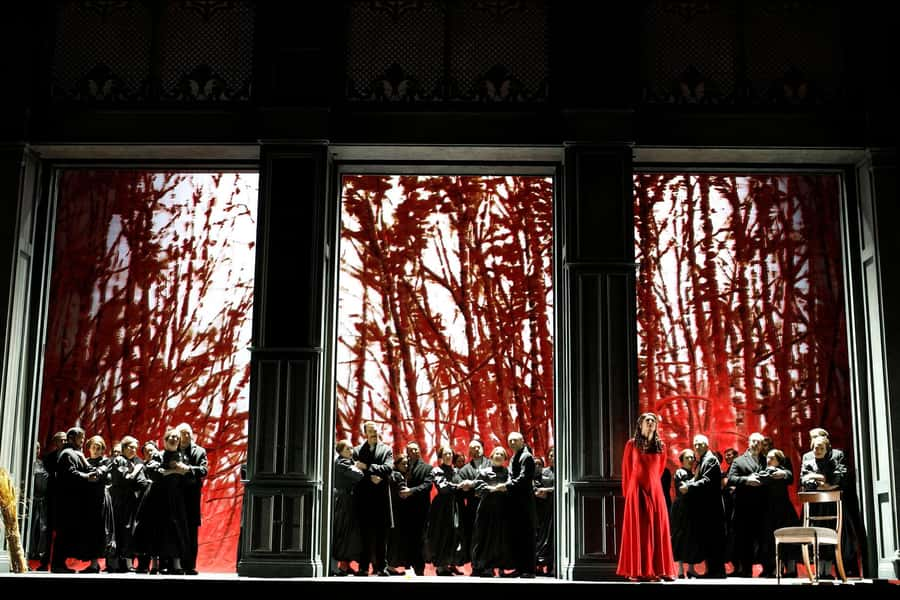
- Kasper Holten’s production uses flashbacks, placing Tatyana and Onegin beside their younger selves.
- Lauren Fagan returns as a leading performer, joined by Ukrainian baritone Andrei Bondarenko and Australian singer Nicholas Jones.
- Anna Skryleva conducts, making this her Opera Australia debut.
- The performance lasts 170 minutes, with one interval, and is sung in Russian with English surtitles.
- Replica firearms and gunshots appear, so this may not suit anyone sensitive to sudden loud sounds or stage weapons.
Why Eugene Onegin works at the Opera House
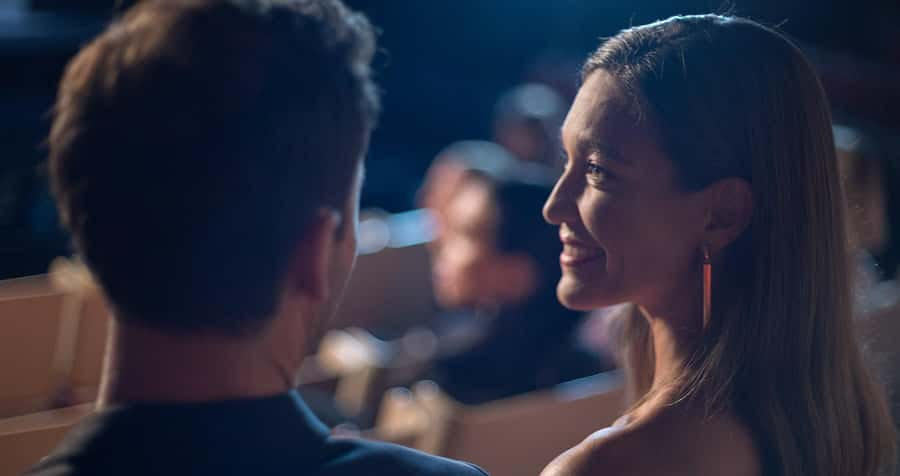
A visit to the Sydney Opera House already feels like an event. You are not simply walking into a black-box theatre for a performance. You are heading to Joan Sutherland Theatre, inside one of Australia’s most recognizable buildings, for an evening built around orchestral sound, voices, costumes, and stage design.
That setting suits Eugene Onegin. This is not a cheerful opera about love winning the day. It is a work about the distance between a first feeling and a final consequence. Tatyana is young, imaginative, and full of romantic hopes. Onegin enters her world, sees her devotion, and turns away. From there, the opera asks what happens when people understand their feelings only after the chance to act has gone.
I find the premise easy to connect with even if you are new to opera. You do not need to know every convention of nineteenth-century Russian drama. The basic emotions are clear: longing, embarrassment, pride, jealousy, grief, and regret.
The music gives those emotions room to grow. Tchaikovsky’s score is sumptuous without being merely decorative. It can feel intimate one moment and sweeping the next. The orchestra adds weight to moments that might seem simple on the page, especially when a character is forced to face an old decision.
More Opera House Tours in Sydney:
- Sydney: Opera House Guided Tour with Entrance Ticket
★ 4.8 · 8,312 reviews - Sydney Opera House Official Guided Walking Tour
★ 4.5 · 3,770 reviews - Sydney: Sunrise Kayak, Opera House & Under Harbour Bridge
★ 5.0 · 869 reviews
A memory-led production by Kasper Holten
The production’s central idea is its use of memory. Tatyana and Onegin see their younger selves on stage, with past choices appearing in front of them rather than remaining hidden in the characters’ minds.
That approach matters because Eugene Onegin is built around hindsight. The audience knows that small decisions will have large effects. By allowing the older characters to watch earlier versions of themselves, Kasper Holten makes regret visible.
You are not just watching a love story unfold in the present. You are watching people remember what they once wanted, what they refused, and what they can no longer repair. That can make familiar scenes feel sharper. A letter, a rejection, or a confrontation carries the added pain of knowing what follows.
I also like that this idea gives the opera a clear shape for first-time attendees. Traditional opera can sometimes feel distant if you do not know the story. A production centered on memory offers a guide through the emotional shifts, even when the language is Russian.
The approach may not appeal to everyone. If you prefer a straightforward period presentation, the movement between past and present could feel less direct. The production is asking you to watch two timelines and compare them. That is part of its strength, but it also requires attention.
The performances and Tchaikovsky’s score
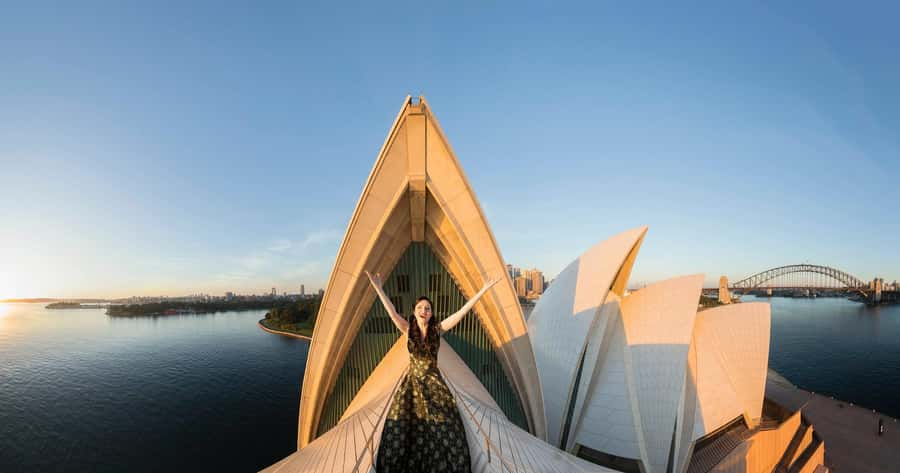
Lauren Fagan leads the cast as Tatyana. Her return to the Opera Australia stage follows her performance as Suor Angelica in Il Trittico, giving regular opera followers a reason to pay attention. Tatyana is not simply a lovesick young woman. She is a dreamer shaped by romantic stories, and her imagination makes Onegin’s arrival feel like the beginning of a private legend.
Andrei Bondarenko takes the role of Onegin. The character’s refusal of Tatyana is not a simple act of cruelty. Onegin is detached, restless, and unable to recognize the value of what is in front of him. That emotional distance is crucial to the opera, because the later regret only works if his earlier indifference feels believable.
Nicholas Jones appears as Lensky, a rising Australian star. Lensky brings another kind of romantic feeling into the story, more openly passionate and idealistic. His relationship with Onegin helps turn a personal story into a tragedy involving friendship and pride.
Anna Skryleva conducts in her Opera Australia debut. That detail matters because the conductor helps set the balance between the singers and Tchaikovsky’s orchestra. This score must support the words without drowning them, while also giving the big emotional moments enough force.
You should expect an opera where the music does more than accompany the plot. Tchaikovsky uses melody to hold onto memories, intensify desire, and make the characters’ regret feel almost physical. If you already enjoy Romantic-era music, this production gives you a strong reason to attend. If you are new to opera, the emotional directness of the score may help you find your way in.
Understanding the story without knowing Russian
The opera is performed in Russian with English surtitles. That is a useful compromise. You hear the work in its original language, while the text above the stage gives you the plot and key lines.
Surtitles do require a little discipline. You will be looking between the stage and the text, especially during quick exchanges. The memory-based staging can help because the physical action gives you clues, but you should not expect to catch every facial expression while reading every line.
I recommend arriving ready to watch the stage first and use the surtitles as support. You do not need to read every word to understand the broad movement of the story. The production’s emotional signals, Tchaikovsky’s music, and the singers’ performances do a lot of the work.
If you have never attended an opera in another language, this is a good format to try. The English surtitles remove much of the worry, while the Russian text keeps the sound of the work intact.
Other concerts and shows we rate around Sydney
- Sydney: Great Opera Hits Ticket at the Sydney Opera House
676 reviews - Sydney: 1-Hour Opera House Tour with Meal and Drink
★ 4.7 · 546 reviews - Sydney Opera House Tour & Dine Experience
★ 4.5 · 404 reviews - Sydney Opera House Backstage Guided Tour with Breakfast
★ 5.0 · 329 reviews
What happens during the 170-minute evening
The published running time is approximately two hours and 50 minutes, or 170 minutes, with one interval. That is long enough for the story to develop properly, but it is also long enough to affect your evening plans.
The first part introduces Tatyana as a romantic young woman and brings Onegin into her life. Her feelings arrive quickly and intensely. Onegin’s rejection sets the emotional pattern for everything that follows.
As the opera continues, choices made in youth become harder to escape. Lensky’s role brings friendship, rivalry, and a dangerous rise in tension. The story moves from private longing toward public consequences.
The interval gives you a chance to stretch, visit the facilities, and take in the building. You can take photographs before and after the performance and during the interval, but photography, recording, and filming are not allowed during the show.
The later scenes focus on what might have been. The emotional force comes from seeing characters confront the distance between an earlier opportunity and their present reality. This is where the memory structure carries its greatest weight.
Because the opera has an interval, you can plan a meal before or after rather than trying to eat during the performance. Food and drinks are not included in the $98 price.
Arriving at Joan Sutherland Theatre
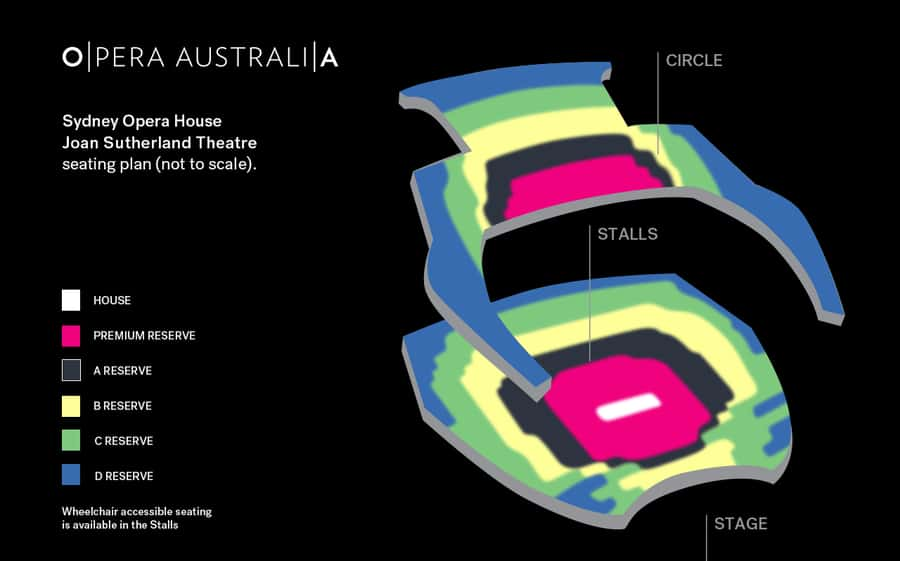
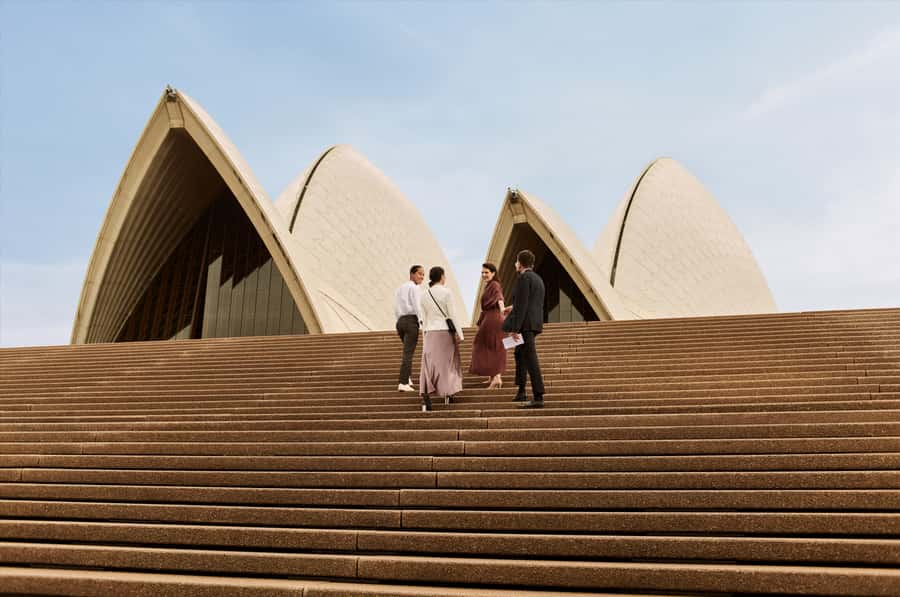
The meeting point is Joan Sutherland Theatre on Level 1 of the Sydney Opera House. The building is reached easily from Circular Quay, where ferries and many buses and trains stop. From there, allow about ten minutes to walk to the Opera House.
This route is simple, but give yourself more time than the bare ten minutes if you want to find the correct entrance, collect your ticket, and settle in before the doors close. The venue is large, and last-minute rushing is a poor match for an opera.
Taxis can drop you at the roundabout at the end of Macquarie Street. After the performance, taxis can be hailed from the taxi rank at the end of Macquarie Street. That arrangement is useful because the area around the Opera House may be busy after a major performance.
There is no mandatory dress code. Wear what lets you sit comfortably for nearly three hours. I would bring an extra layer, since theatre temperatures can feel cool during a long evening.
Anything larger than an A4 sheet of paper, measuring 21 by 30 centimetres, must be left at the free cloakroom. Pack lightly. A large backpack or shopping bag will only slow you down at the door.
Latecomers may not be admitted until a suitable pause in the performance. This is standard theatre practice, but it matters here because an opera does not offer many natural gaps. Arrive early enough to avoid missing the opening.
Price, seating, and practical value
At $98 per person, this experience is not a casual budget activity, but it is a reasonable price for a full opera performance in the Sydney Opera House. You are paying for the production, orchestra, singers, and the setting, not simply for entry into the building.
The value depends on what you want from your Sydney evening. If you already plan to visit the Opera House only for photographs, the ticket gives you a more substantial way to experience the building. If you are curious about opera but unsure about committing to a full-length performance, the English surtitles and clear emotional story make this less intimidating than the Russian language might suggest.
Seat selection deserves attention. One Swedish booking noted that the assigned seats were not visible in advance. If your booking does not show exact seats, be prepared for some uncertainty about your view. The available information does not specify the seating area, so check what is included before you finalize the purchase.
The experience is wheelchair accessible. Bring a passport or ID card, as identification is listed among the items to bring.
One important booking detail needs checking. The inclusion section says ticket to Sunset Boulevard, while the rest of the activity describes Eugene Onegin. Those are different productions. I would contact the provider or confirm the voucher title before booking, especially if you are arranging a special evening around this performance.
Who should book Eugene Onegin
I would recommend this to anyone who wants a classic opera with a strong emotional story and a famous venue. It also suits visitors who enjoy Romantic music, literary drama, or performances where the production adds a clear visual idea.
It is a good choice for couples, solo culture seekers, and first-time opera attendees who are willing to give the art form a full evening. The surtitles make the language manageable, and the story is built around feelings most people understand.
I would think twice if you dislike long performances, subtitles, sudden gunshots, or tragic endings. The replica firearms and gunshots are specifically part of the production. The opera is also not a light night out. Its subject is regret, and the final mood is serious.
The rating attached to the booking is 4.6 from 58 ratings, and the strongest praise centers on the show and the special Opera House setting. That matches the experience’s main appeal: you get a major opera in one of Sydney’s defining cultural buildings.
Should you book it?
Book Eugene Onegin if you want more than a quick look at the Opera House. The combination of Tchaikovsky’s music, Kasper Holten’s memory-focused staging, Lauren Fagan’s return, and a cast led by Andrei Bondarenko gives the evening real artistic weight.
Before paying, confirm two things: your exact seat and the title on your ticket. The Sunset Boulevard wording appears inconsistent with the Eugene Onegin description. Once that is cleared up, this is a thoughtful choice for a Sydney night, especially if you want a performance that links the building, the music, and a story about the cost of waiting too long.
FAQ
Where is Eugene Onegin performed?
The performance takes place in Joan Sutherland Theatre on Level 1 of the Sydney Opera House in New South Wales.
How long does the opera last?
The running time is approximately 170 minutes, or two hours and 50 minutes, including one interval.
What language is the opera performed in?
Eugene Onegin is performed in Russian with English surtitles.
Is there a dress code?
There is no mandatory dress code. An extra layer of clothing is recommended for comfort.
How do I reach the Sydney Opera House by public transport?
Ferries, many buses, and trains stop at Circular Quay. The Opera House is about a ten-minute walk from there.
Can I take photographs during the performance?
Photography, sound recording, and filming are not permitted during the performance. Photos are allowed before and after the show and during the interval.
Are firearms used in the production?
Yes. The production features replica firearms and gunshots.
Is the experience wheelchair accessible?
Yes, the activity is listed as wheelchair accessible.
Just reviewed around Sydney
- Opera Tickets: Turandot at Sydney Opera House★ 4.0 · 4 reviews
- Sydney LED Lit Kayak Tour of the Opera House and Bridge★ 5.0 · 3 reviews
- Sydney Opera House VIP Experience: Guided Tour, Dinner & Drinks★ 4.5 · 61 reviews
- Sydney Private Full-Day Tour: Opera House, Bondi Beach & Secrets★ 5.0 · 10 reviews
- RENT at the Sydney Opera House★ 4.5 · 21 reviews
- Sydney City Tour | Bondi, Opera House, Bridge & Highlights★ 5.0 · 2 reviews
- Private Sydney Tour Including Sydney Opera House, Bondi and Manly★ 5.0 · 64 reviews
- Sydney Opera House Architectural Tour★ 5.0 · 73 reviews
Sydney Live Music: the closest alternatives.
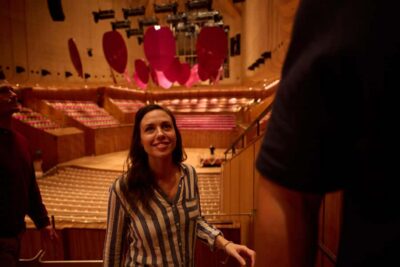
Sydney: Opera House Guided Tour with Entrance Ticket
Read our review →
Sydney Opera House Official Guided Walking Tour
Read our review →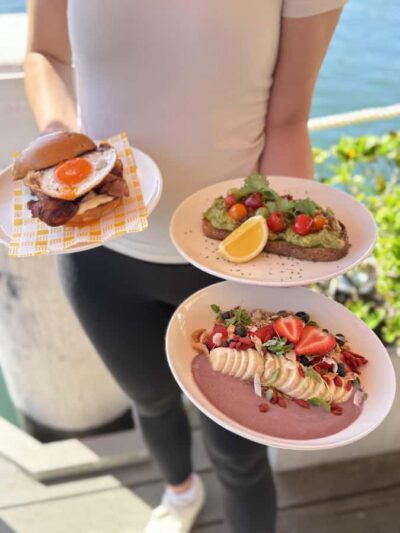
Sydney: Sunrise Kayak, Opera House & Under Harbour Bridge
Read our review →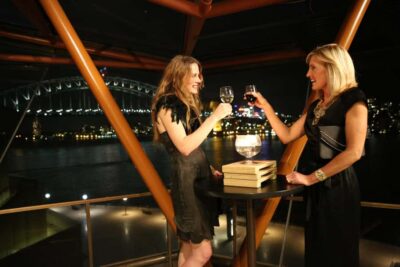
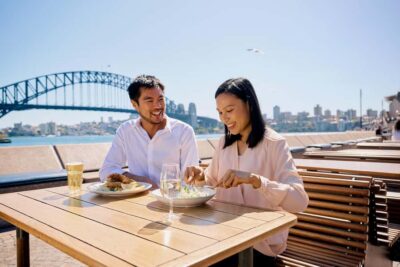
Sydney: 1-Hour Opera House Tour with Meal and Drink
Read our review →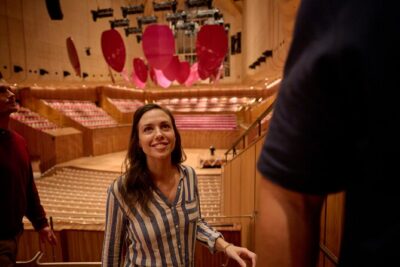
Sydney Opera House Backstage Guided Tour with Breakfast
Read our review →
This show also appears in