
Review · SYDNEY
Sydney: Sydney Opera House VIP Backstage Tour and Breakfast
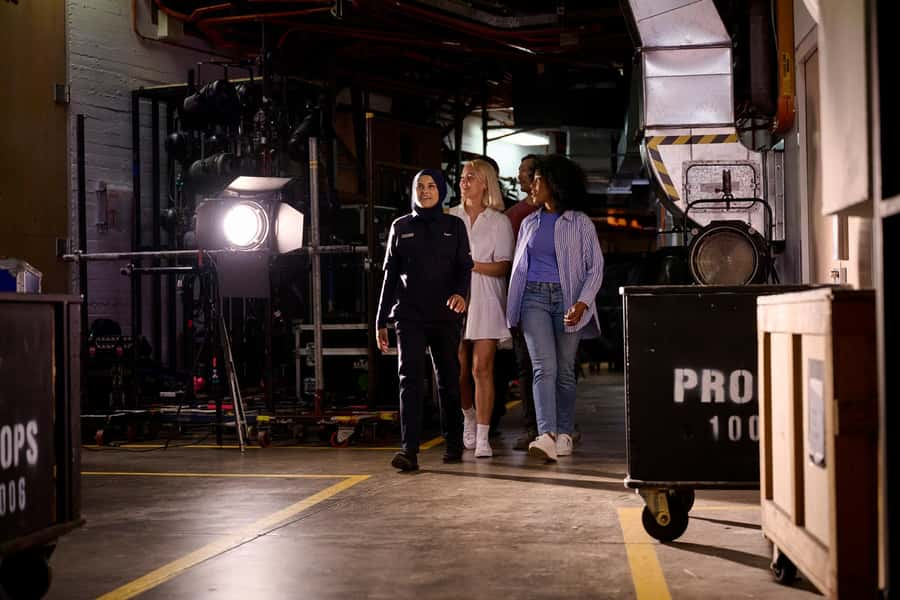
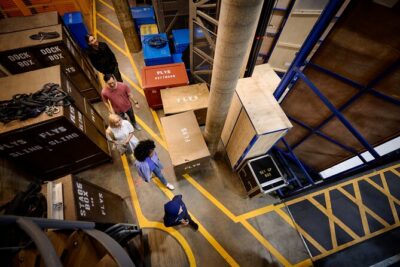
The most interesting part of this Sydney Opera House tour happens before the public arrives. You enter through Stage Door, pass into working areas normally closed to visitors, and see how sets, performers, and stage crews fit inside one of the world’s most famous buildings. I especially like the access to rehearsal and backstage spaces, plus the chance to hear personal stories from guides such as Bruce, Alan, Marcus, and Suanne. Breakfast in the Green Room gives the morning a fine finish.
The catch is physical: the tour covers more than 300 stairs, with no wheelchair access and no provision for people with mobility impairments. It also starts early, requires flat enclosed shoes with rubber soles, and does not allow cameras or video recording. If you can handle the climbing, the early hour is useful because working areas may become restricted once the day’s performances get under way.
Key points to know before booking
- Stage Door access: Begin where actors, musicians, stagehands, and famous names have entered for years.
- More than 300 stairs: Wear proper shoes and expect a demanding walk through the building.
- Small-group feel: Groups can be limited to 12 people, allowing more room for questions and conversation.
- Green Room breakfast: Finish in the private crew and performer area with a substantial breakfast.
- Early access matters: Morning timing may allow a better look at working spaces before activity increases.
- English guide, 150 minutes: Allow two and a half hours, plus time to arrive 10 to 15 minutes early.
Why the Stage Door beginning matters
Most Sydney Opera House visits begin with the building’s famous exterior, the harbor views, or a public foyer. This one begins at Stage Door, under the Monumental Stairs at Bennelong Point. That change in entrance sets the tone immediately. You are not simply admiring the sails from outside. You are entering through the route used by the people who make performances happen.
I like this opening because it gives the building a working identity. The Opera House can feel like a grand sculpture from the forecourt, but Stage Door reminds you that it is also a busy performance venue with performers, technicians, rehearsal rooms, sets, and strict safety routines.
Arrive 10 to 15 minutes early. You need to meet the group, check in, and be ready to move when the guide begins. The meeting point is Sydney Opera House Stage Door, beneath the Monumental Stairs, Sydney NSW 2000.
The tour is conducted in English. If you want detailed stories and explanations, the guide matters a great deal. Several guides have earned especially warm praise for their humor, energy, and command of the building. Bruce was described as both smart and funny, while Alan was repeatedly singled out for his enthusiasm, friendliness, and ability to explain how the Opera House works. Marcus, Nick, Suanne, Janet, and others have also led tours praised for their stories and clear explanations.
More Opera House Tours in Sydney:
- Sydney: Opera House Guided Tour with Entrance Ticket
★ 4.8 · 8,312 reviews - Sydney Opera House Official Guided Walking Tour
★ 4.5 · 3,770 reviews - Sydney: Sunrise Kayak, Opera House & Under Harbour Bridge
★ 5.0 · 869 reviews
Inside the performance machine
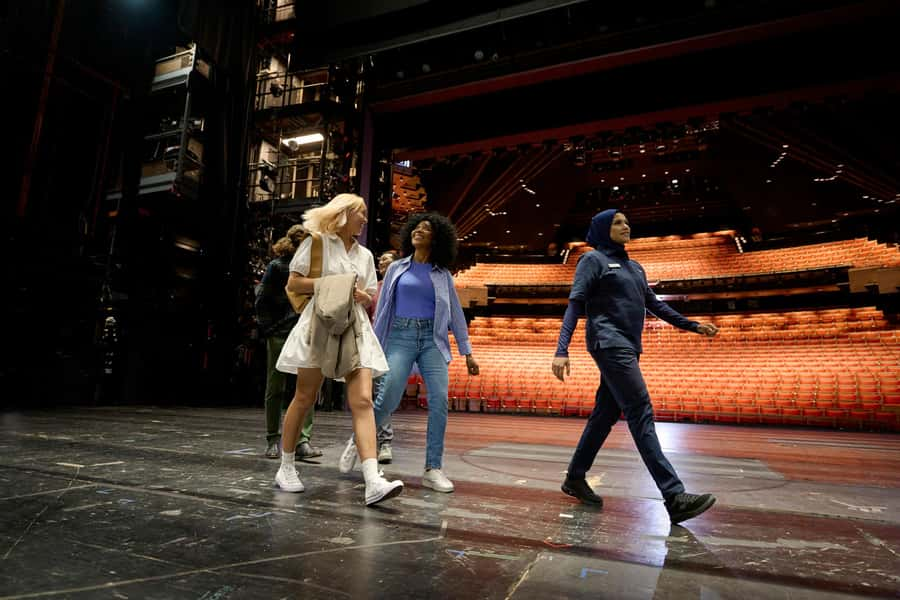
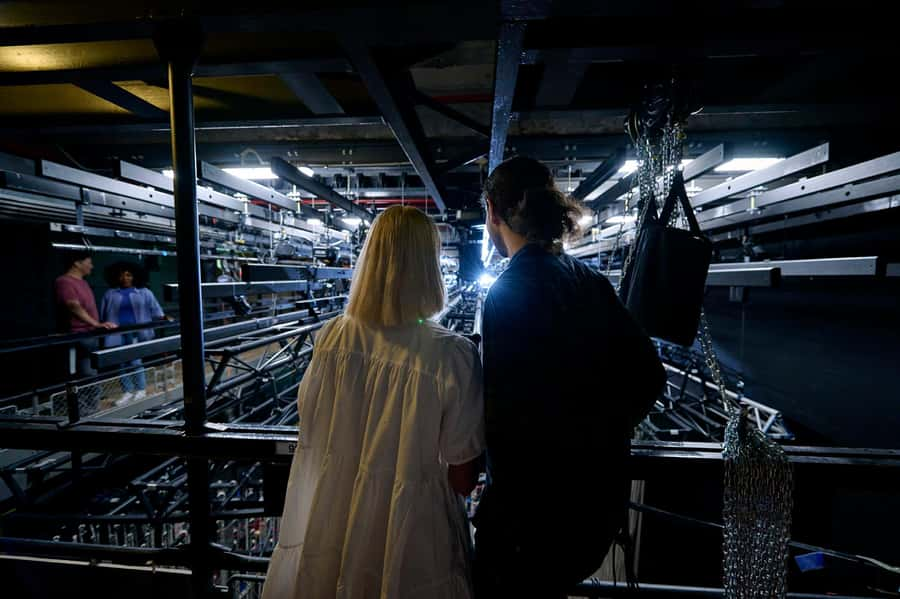
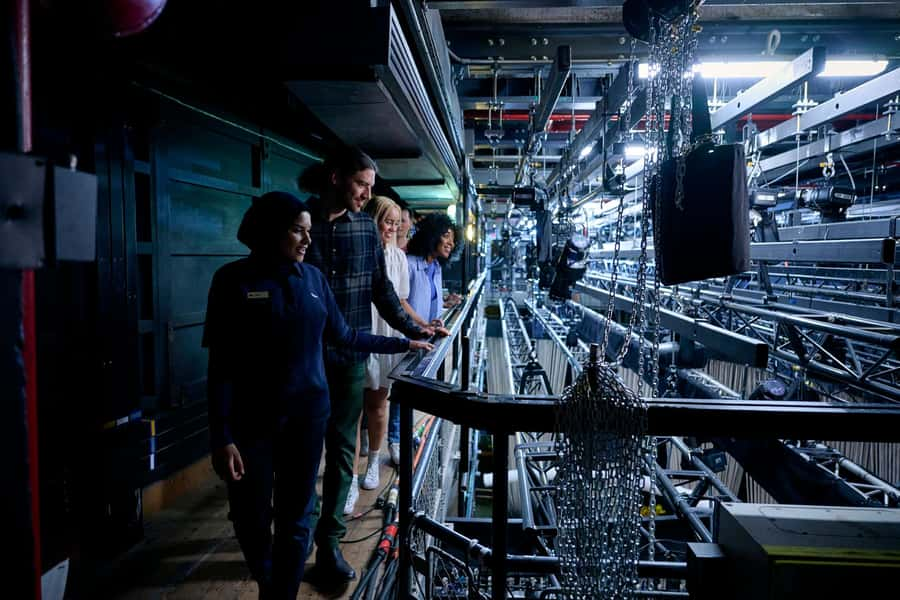
The tour takes you into areas that ordinary visitors do not see. Exactly which rooms and venues are available can change, since access depends on what is happening at the Opera House on the day. That is important: this is backstage access, but it is not a guaranteed route through every single room.
You might visit rehearsal spaces, backstage corridors, performance areas, and places where performers prepare before going onstage. The attraction is not just seeing a locked door opened. It is learning how the building functions when the audience is not there.
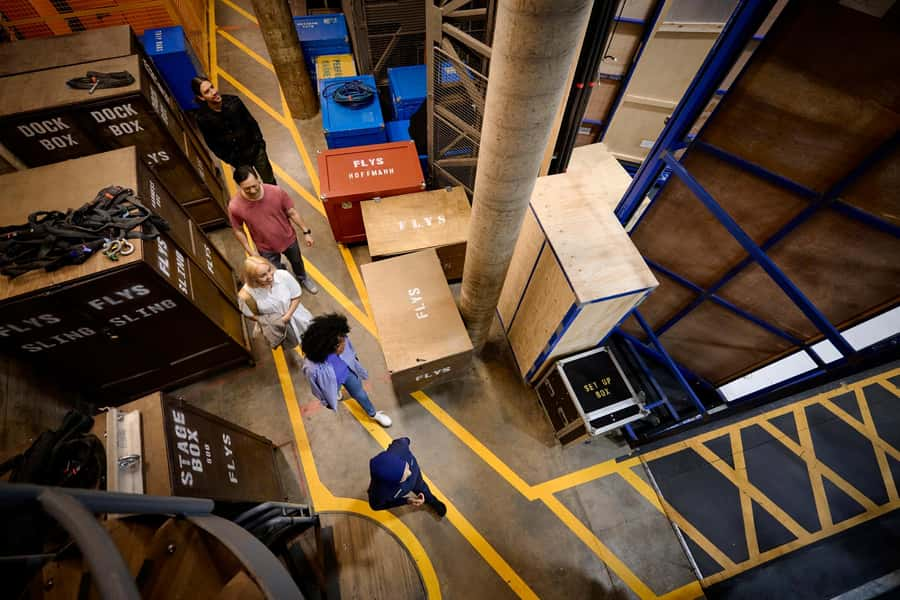
One particularly useful detail is the scale of the operation. The Opera House contains several performance venues, and the tour helps you understand that this is not one auditorium with a decorative shell. You may hear how different spaces serve different productions, how crews move equipment, and how large sets are brought into position.
A guide can make these places come alive with stories about performers and the practical problems of running shows. You may hear about the building’s construction, changes over time, famous names who passed through Stage Door, and the daily routines behind the curtain. The best guides connect the engineering to the human side of theatre, so you understand both how the building works and how people use it.
This is where the tour is stronger than a simple architecture walk. You are not only looking at tiles, concrete, stages, and corridors. You are being shown the pressure points of a working venue: where sets move, where crews prepare, and where performers wait before appearing in front of an audience.
The stairs are part of the price
You should take the physical warning seriously. The route includes more than 300 stairs, and the attraction is not suitable for children aged 10 and under, wheelchair users, or people with mobility impairments.
You need flat, enclosed shoes with rubber soles. Comfortable footwear is not merely a suggestion here. High heels, open shoes, or smooth soles are poor choices for a long route through backstage areas.
The stairs also affect the rhythm of the morning. You will stop often for explanations, but this is still an active tour rather than a short seated presentation. If you have trouble with stairs, this is not the right way to see the Opera House. A public tour or exterior visit may suit you better.
For everyone else, the climbing adds useful context. Theatre buildings are not designed like museums. They contain levels, corridors, service areas, and spaces built around the needs of productions. Moving through them helps you understand why the Opera House is both beautiful and complicated.
Why an early start can work in your favor
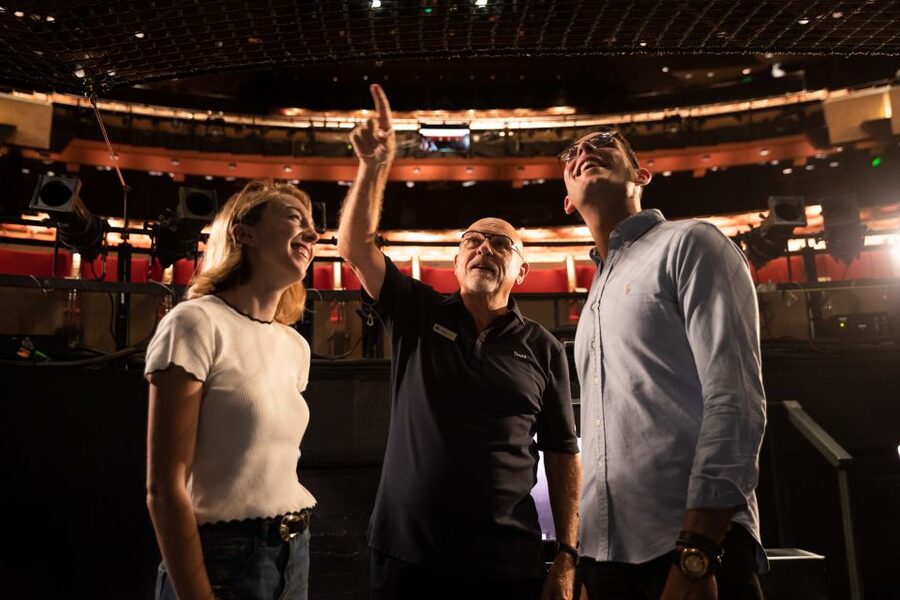
The early departure requires some discipline, especially if you are still adjusting to Sydney time. Yet morning access is one of the tour’s practical advantages.
Performers and stage crews may not yet have filled every working area, and some backstage spaces can become restricted later in the day. The exact access depends on rehearsals, performances, and venue availability, so you should not expect an unrestricted look at everything. Still, the early timing gives the guide a better chance to show parts of the building before the day becomes more active.
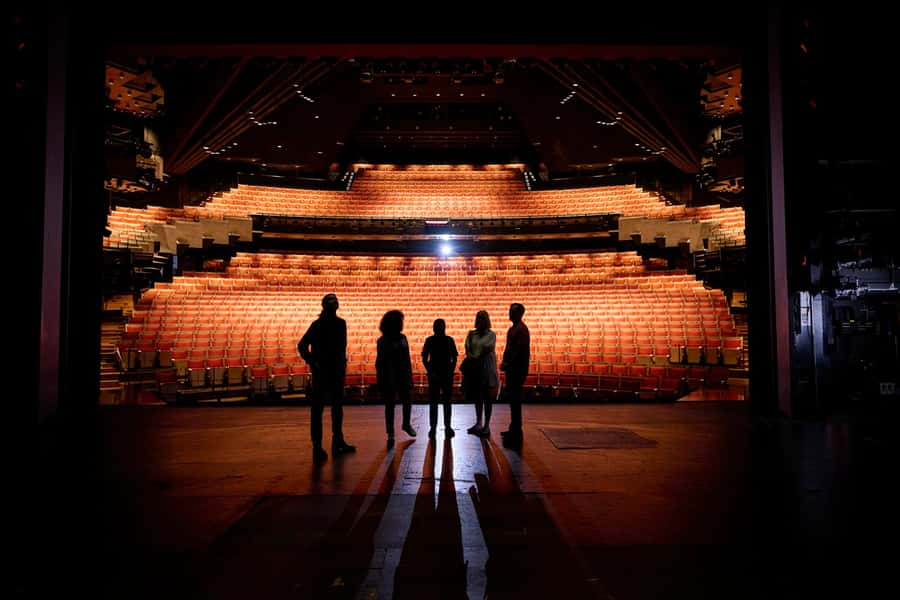
I also like the mood of an early visit. The Opera House feels different before a performance crowd arrives. The quiet makes it easier to listen, ask questions, and notice the mechanics of the building.
Sunday may be a particularly good day to consider. One guide noted that fewer workers are around then, which can mean more access. That is not a promise, since venue access remains subject to availability, but it is a useful scheduling tip.
More VIP Concert Tickets in Sydney:
- Sydney Opera House VIP Experience: Guided Tour, Dinner & Drinks
★ 4.5 · 61 reviews - VIP Jazz Dinner Cruise with Private Tour and Open Bar Option
★ 4.5 · 838 reviews - Frenchmen Street VIP Live Music Pub Crawl in New Orleans
★ 4.5 · 613 reviews - Best of Mozart Concert and Dinner or VIP Dinner at Fortress Hohensalzburg
★ 4.5 · 598 reviews
Rehearsal rooms, stages, and stories
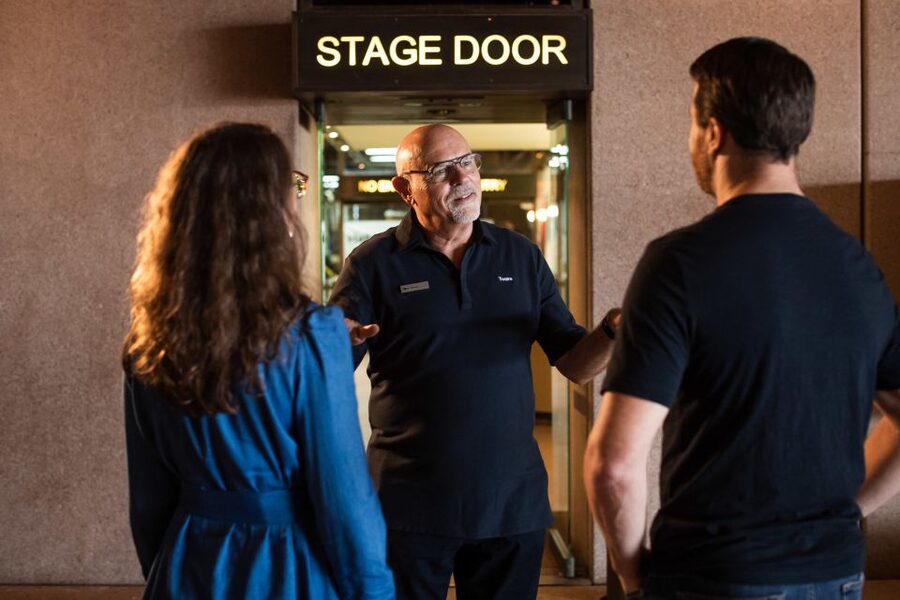
The route is valuable because it connects the grand public image of the Opera House with ordinary working details. You might see where performers rehearse, stand near a stage area, or look at the routes used to move scenery.
Set movement is one of the most memorable subjects mentioned by people who took the tour. Large productions require complex handling, and seeing how sets are moved around the venue helps explain the building’s size and design. It also gives you a clearer sense of the work that happens before an audience takes a seat.
The construction story is another strong part of the morning. The Opera House is often reduced to its white roof shells and postcard views, but its creation involved difficult design and engineering problems. A good guide can explain those challenges in plain terms, then connect them to the building’s present-day operation.
The guide’s stories are not an optional extra. They are what turn restricted access into a meaningful visit. Alan, Marcus, Bruce, Suanne, and Nick were all praised for making the information lively rather than dry. You may hear anecdotes about performers, backstage customs, the building’s changes, and the small details that are easy to miss on a standard visit.
If you have an interest in opera, theatre, dance, or stagecraft, you will likely get more from this tour. But you do not need to know the performing arts beforehand. The focus on engineering, architecture, and daily operation gives plenty to enjoy even if you rarely attend shows.
Breakfast in the Green Room
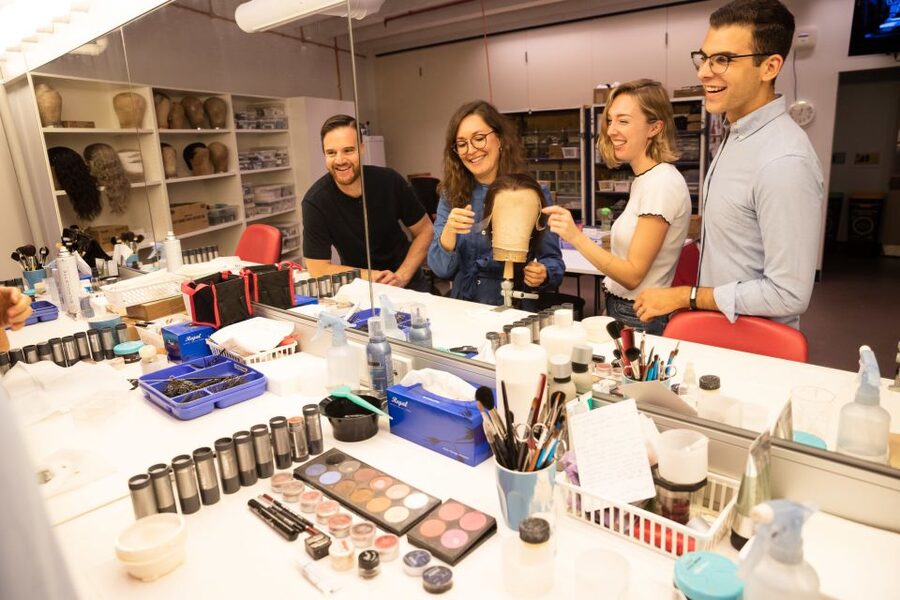
The tour ends with breakfast in the Green Room, an area associated with the Opera House’s crew and performers. This is a fitting conclusion because it lets you remain in the working world of the theatre a little longer instead of returning straight to the public foyer.
The meal is included, and it is more than a token snack. Breakfast has been described as delicious, generous, and unexpectedly good. After more than 300 stairs, a proper meal is welcome.
I like the social side of this finish. A small group has just spent two and a half hours moving through unusual parts of the building, so breakfast gives you time to talk with the guide and the other people in your group. It also makes the tour feel like a complete morning outing rather than a series of corridors followed by a quick goodbye.
Do not book it solely for the food, since menus and serving details are not specified. Book it for the backstage access, then treat breakfast as a very useful bonus.
Small group, guide quality, and access limits
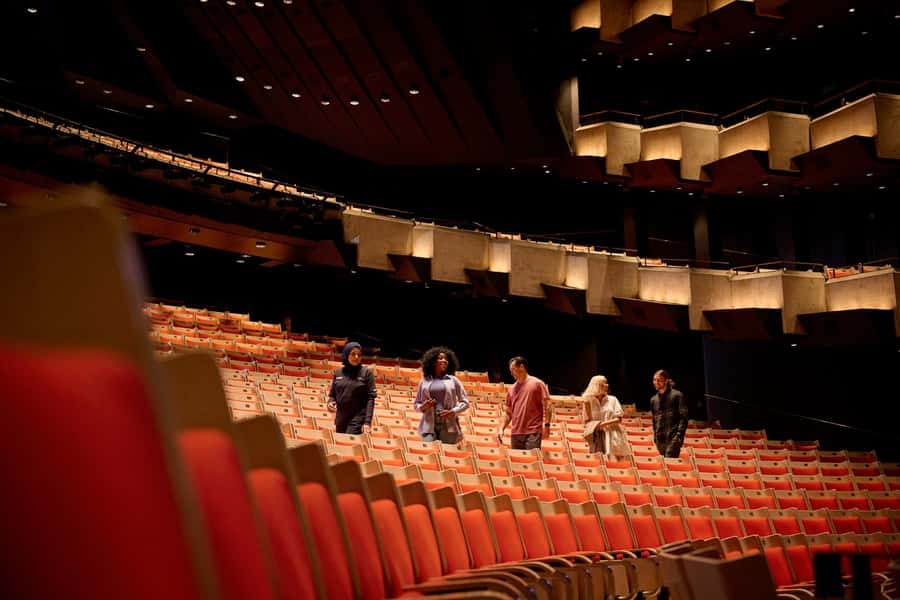
The group may be limited to 12 people. That size matters in narrow corridors and working areas. You can hear the guide more easily, ask questions without holding up a large crowd, and get a closer look when the group pauses.
Guide quality is central to this activity. The building itself is impressive, but much of what you learn depends on the person leading you. The strongest guides combine facts about construction and stage management with humor and personal stories.
There is also a real limit to what can be promised. Venue access changes according to rehearsals, performances, and operational needs. You may see several performance spaces and backstage areas, but the route can be adjusted. I would book this expecting special access, not a fixed checklist of every room.
Cameras and video recording are not allowed. That may disappoint you, especially in a building famous for photographs, but it keeps the focus on the guide and avoids interference with working areas. Leave large luggage and backpacks to be cloaked, and bring only what you need.
Is $140 a fair price?
At $140 per person, this is not a cheap way to look around the Opera House. It is also not comparable to a quick exterior visit or a basic public tour.
The price includes a 150-minute guided backstage visit and breakfast in the Green Room. You are paying for restricted access, a small group, an English-speaking guide, and the chance to see how the performance side of the building operates. For someone who already plans to visit the Opera House and wants more than the public spaces, that package can make good sense.
Value depends on your interests. If you mainly want the famous exterior, harbor views, or a few photographs, spend less time and money on a general visit. If you want the stories behind the stages, the construction problems, performer areas, and set movement, the longer tour offers a much fuller look.
The early start also improves the value a little. Morning access may let you see working areas before they become restricted, and the breakfast helps justify the length of the outing. Still, I would not choose it for the meal alone. The real purchase is access and explanation.
Free cancellation is available up to 24 hours before the tour, and you can reserve now and pay later. Those terms make it easier to fit the activity into a changing Sydney schedule.
Who should book this morning?
I would choose this tour if you enjoy theatre, architecture, engineering, or buildings with a working life behind the public image. It is also a good pick if you have already seen the Opera House from the outside and want a second visit with more substance.
It suits adults and families with children over 10 who can manage a long stair-heavy route. A small group and a strong guide make it especially good for people who like to ask questions.
I would skip it if you have mobility limits, dislike early starts, need to take photographs, or want a relaxed sightseeing hour. The tour is active, access can change, and the camera restriction is firm.
FAQ
Where does the Sydney Opera House backstage tour begin?
It begins at Stage Door, under the Monumental Stairs at Sydney Opera House, Bennelong Point, Sydney NSW 2000, Australia.
How long does the tour last?
The experience lasts 150 minutes, or two and a half hours.
What is included in the price?
The $140 price includes a guided backstage tour and breakfast with your guide in the Green Room.
Is breakfast included?
Yes. Breakfast is served in the Green Room, an area used by crew members and performers.
What language is the tour conducted in?
The live guided tour is conducted in English.
How many stairs are involved?
The tour includes more than 300 stairs.
Are children allowed on the tour?
Children aged 10 and under are not permitted.
Can I bring a camera or record video?
No. Cameras and video recording are not allowed.
What should I wear?
You must wear flat, enclosed shoes with rubber soles. Comfortable shoes are recommended because of the stairs and length of the route.
Should you book it?
Book this tour if you want to understand the Sydney Opera House as a working theatre, not just an iconic building. The combination of Stage Door access, backstage areas, guide-led stories, and Green Room breakfast gives you a fuller morning than a standard public visit.
I would make the booking when you can handle the stairs, arrive early, and accept that venue access may change. For a theatre fan or curious first-time visitor, $140 can be fair value. For anyone mainly after photographs or a gentle architectural tour, choose a less demanding option instead.
Just reviewed around Sydney
- Opera Tickets: Turandot at Sydney Opera House★ 4.0 · 4 reviews
- Sydney LED Lit Kayak Tour of the Opera House and Bridge★ 5.0 · 3 reviews
- Sydney Opera House VIP Experience: Guided Tour, Dinner & Drinks★ 4.5 · 61 reviews
- Sydney Private Full-Day Tour: Opera House, Bondi Beach & Secrets★ 5.0 · 10 reviews
- RENT at the Sydney Opera House★ 4.5 · 21 reviews
- Sydney City Tour | Bondi, Opera House, Bridge & Highlights★ 5.0 · 2 reviews
- Private Sydney Tour Including Sydney Opera House, Bondi and Manly★ 5.0 · 64 reviews
- Sydney Opera House Architectural Tour★ 5.0 · 73 reviews
Sydney Live Music: the closest alternatives.
Sydney: Opera House Guided Tour with Entrance Ticket
Read our review →
Sydney Opera House Official Guided Walking Tour
Read our review →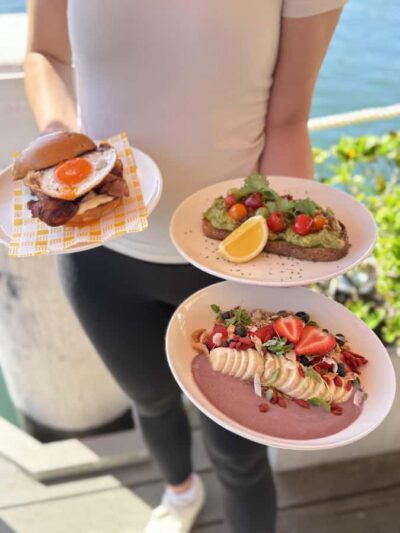
Sydney: Sunrise Kayak, Opera House & Under Harbour Bridge
Read our review →
Sydney: 1-Hour Opera House Tour with Meal and Drink
Read our review →
Sydney Opera House Backstage Guided Tour with Breakfast
Read our review →
This show also appears in