
Review · BEIJING
Beijing Culture Event: Tea Ceremony, Music Show, Calligraphy
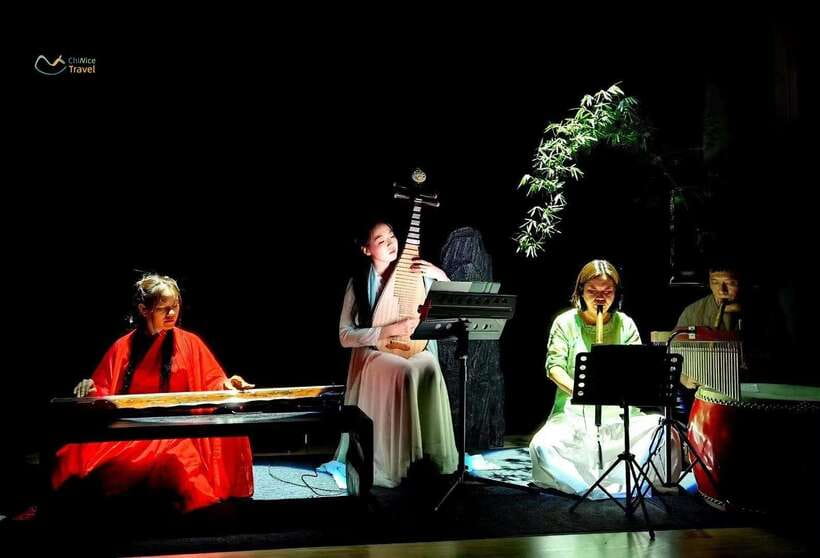
Beijing’s most interesting cultural moments often happen away from the big sights. Here, you enter a private Guqin art center and tea culture base for a hands-on session that combines tea, music, calligraphy, and Hanfu in one visit. You do not just watch a performance. You brew tea, touch the strings of a Guqin, write Chinese characters, and take part in a traditional ceremony.
I like the small group size, capped at eight, and the chance to learn from real practitioners rather than from a standard stage show. I also like the bilingual guidance from a history and sociology tutor, who explains the meaning behind the objects and rituals. The main consideration is travel time: transportation is not included, and the meeting point at Hua Gong Station is about 30 minutes from the Temple of Heaven.
Key Points at a Glance
- Tea made the traditional way: Learn a Six-Step Tea Art method with porcelain teaware and several kinds of tea.
- A rare Guqin encounter: Hear a national-level master perform and try a short melody yourself.
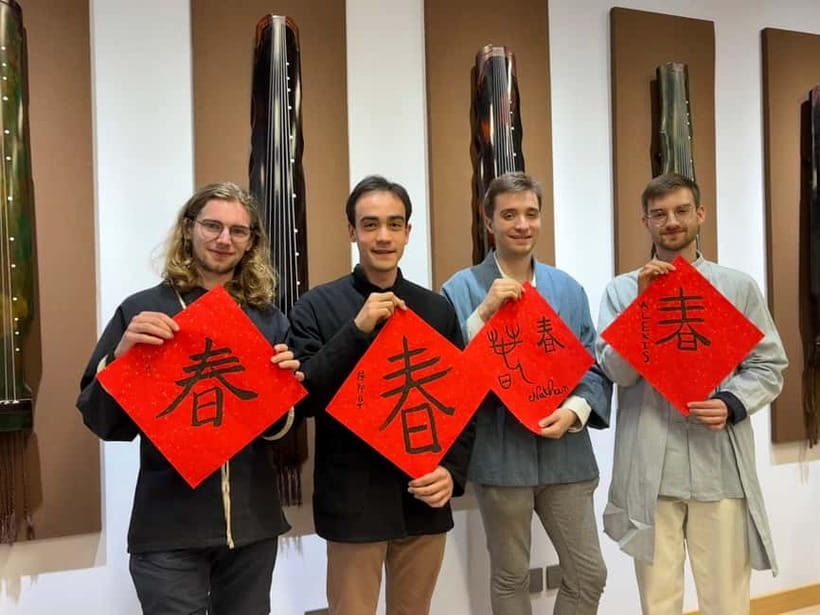
- Calligraphy with personal meaning: Practice brushwork and write a name, blessing, or other meaningful symbol.
- Hanfu and teacher-honoring ritual: Dress in traditional clothing and take part in a formal cultural custom.
- Small, bilingual setting: The group is limited to eight, with Chinese and English instruction.
- Useful meeting point: Start at Hua Gong Station, Exit C on Line 7, and return there after the session.
Why This Beijing Cultural Experience Feels Different
Many cultural activities in Beijing are built around watching. This one asks you to participate. Over two and a half hours, you move through several related traditions, each showing a different way Chinese culture links beauty, discipline, and daily life.
Tea introduces careful movement and attention to taste. The Guqin brings in music and scholarship. Calligraphy shows how writing can also be art. Hanfu and the teacher-honoring ritual add a social and ceremonial side. The result is broad without being a rushed checklist, though the amount covered means no single activity becomes a full course.
The setting matters, too. The experience takes place at a private, certified Guqin art center and a high-end tea culture base that are not open as ordinary public attractions. That gives the session a more focused feel than a performance in a large theater. You are there to learn, ask questions, and try things yourself.
Other concerts and shows we rate around Beijing
- Beijing: Traditional Cultural Show Peking Opera Tickets
★ 4.4 · 66 reviews - Liyuan Theatre Beijing Opera Show Tickets
★ 4.4 · 60 reviews - Beijing LiYuan Theatre VIP Seats Opera Show with Private Transfer Service
★ 5.0 · 43 reviews
Tea Ceremony With Porcelain Teaware
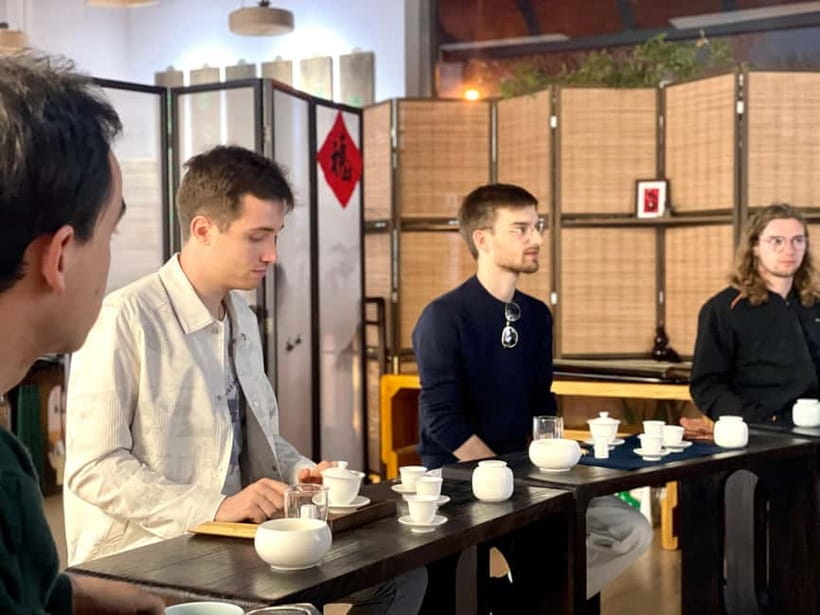
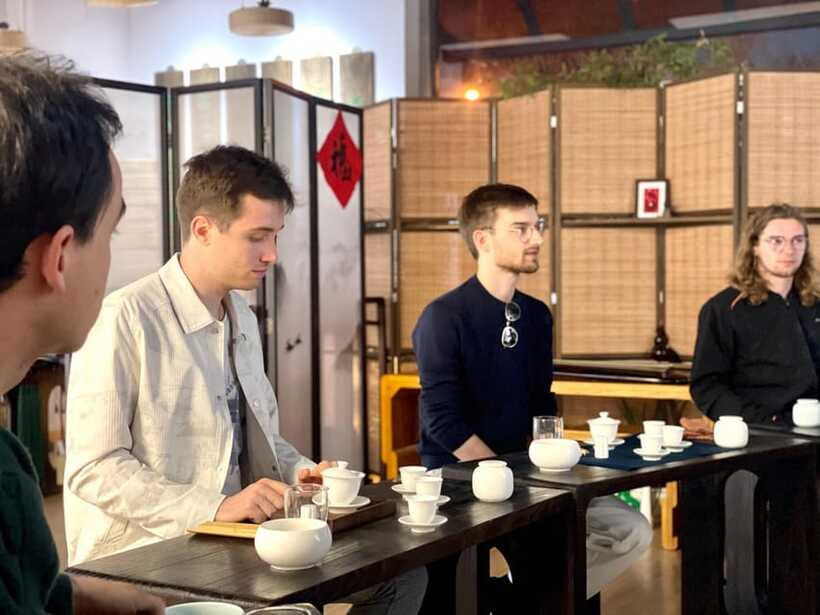
The tea portion begins with a professional tea master demonstrating the traditional Six-Step Tea Art process. You will see how the tea is handled, brewed, poured, and served, then try the method yourself with authentic porcelain equipment.
The three types named for the session are red, green, and floral teas. The point is not simply to identify them. You learn to notice differences in aroma, color, and taste, including the lingering flavor after each sip. That makes this a good choice if you enjoy food and drink experiences but want more context than a casual tasting provides.
I especially like the hands-on format here. A tea ceremony can seem formal from a distance, but the practical steps give you something concrete to remember. You can return home with a better sense of why water, timing, teaware, and pouring style matter.
The tea is included, along with water, but meals and other drinks are not. Since the activity lasts 2.5 hours, you should eat beforehand if you expect to be hungry. The tea is part of the lesson, not a substitute for lunch.
Listening to the Guqin Master
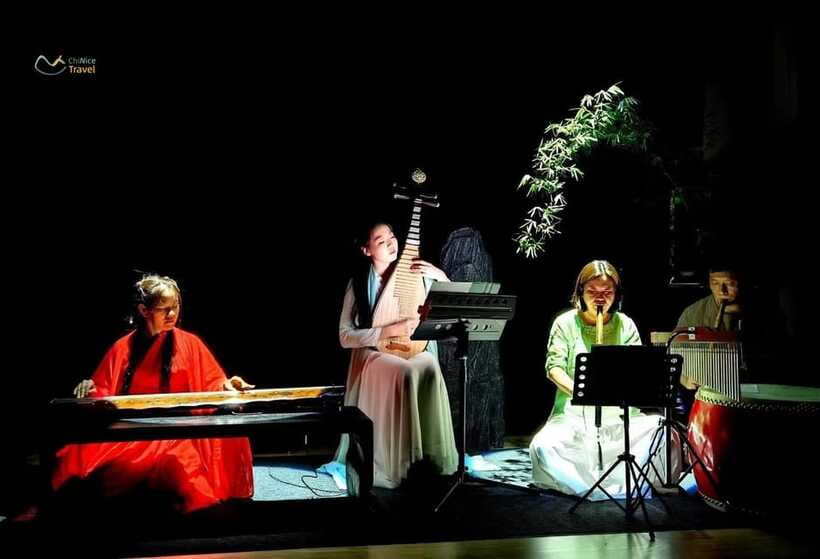
The Guqin is a seven-stringed Chinese zither associated with scholars, reflection, and ceremonial culture. It has been played for roughly 3,000 years and is treated as a national treasure. The experience describes it as the giant panda of musical instruments, a useful image for its rare and protected status.
A national-level heritage master gives the main performance. The master is described as having 40 years of experience, so this is more than a beginner demonstration. You hear the instrument played with the control and restraint that make Guqin music distinctive.
The setting should suit anyone who prefers quiet, thoughtful music to a large theatrical production. The program connects the melody to Chinese characters and the rhythms of language, giving you a way to listen for structure rather than treating the performance as background music.
This is also the part that may divide audiences. Guqin music is subtle and meditative. If you want fast entertainment or a loud concert, it may feel too restrained. If you appreciate stillness and traditional instruments, it can be the most memorable section of the afternoon.
Your First Guqin Lesson
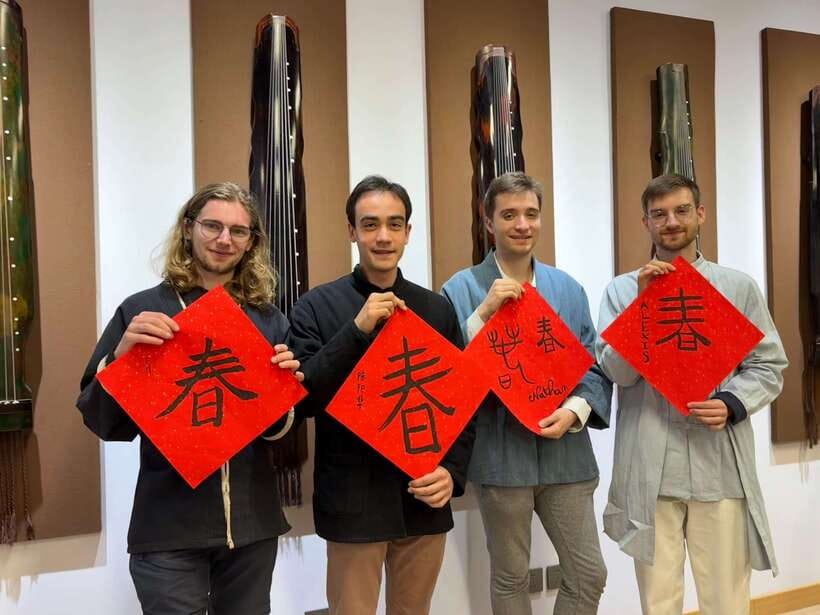
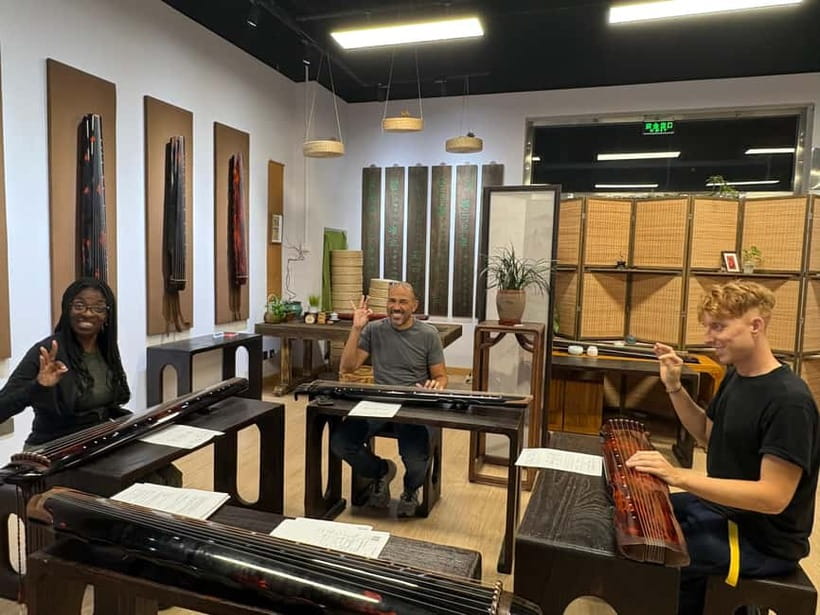
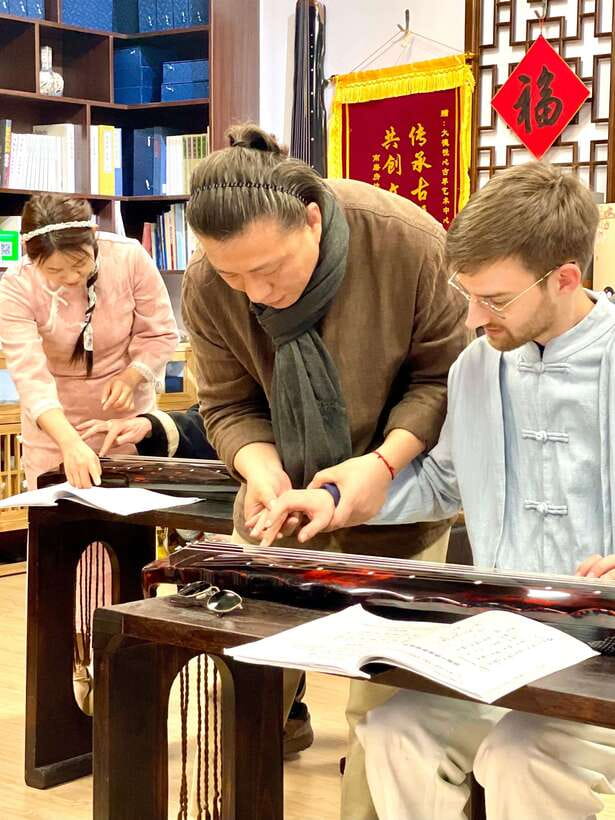
After the performance, you get to handle the instrument yourself. A Guqin master guides you through a simple melody, so you can feel how the strings respond and how much care goes into producing a clean note.
Do not expect to become a musician in one session. The value is in the contact with an instrument that most visitors to Beijing will only see behind glass or hear in a formal performance. Even a short attempt helps you understand the spacing, touch, and patience required.
This part also gives children and first-time learners a clear role. A family can listen together, then watch each person try the strings. The experience has worked particularly well for a mixed-age family group, including children and adults from ages 11 to 40.
Because the group is small, the tutor can offer personal guidance. That does not mean each person receives a long private lesson, but eight or fewer participants is far more manageable than a large class.
Same city, a different kind of sound:
- Liyuan Theatre Peking Opera Ticket
★ 5.0 · 26 reviews - Mutianyu Great Wall Tickets with Chairlift and Toboggan
★ 5.0 · 24 reviews - Beijing: Must-See Peking Opera at Liyuan Theatre Ticket
★ 4.1 · 9 reviews - Beijing Liyuan Theater Peking Opera Ticket Booking
★ 4.5 · 7 reviews
Calligraphy From Pictographs to Personal Symbols
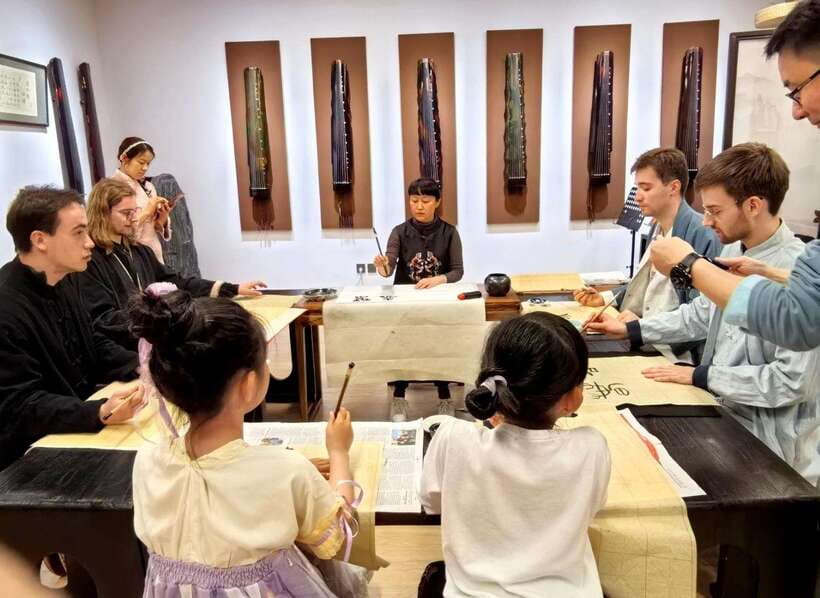
The calligraphy session explains how Chinese writing developed from early pictographs into the five major traditional styles. You then use brush and ink to write a meaningful character or symbol.
This is more useful than simply copying a decorative phrase. You can learn how a character changes through different writing styles and why the shape of a symbol carries meaning. One participant used the session to write a name and the character for blessing, which is exactly the kind of personal result that makes the activity worth remembering.
Calligraphy rewards patience, so it balances the more social parts of the visit. You will need to slow down, control the brush, and accept that the first attempt may not look polished. That is part of the lesson, not a failure.
The activity includes original souvenirs and photoshooting. Your calligraphy may become the most personal souvenir, while the photographs preserve the Hanfu session and the atmosphere of the art center.
Hanfu, Ritual, and the Social Side of Tradition
You receive a Hanfu rental and take part in a traditional ceremony honoring your teacher. This gives the session a ceremonial framework rather than treating the arts as disconnected demonstrations.
Wear comfortable clothes under the Hanfu. You will have a better experience during dressing, movement, and photographs if your clothing is easy to adjust. Bring your own camera as well, since a photo session is included and you may want additional pictures beyond the official shots.
The teacher-honoring ritual is especially useful for understanding the relationship between student and master. It shows that learning an art can involve respect, formality, and shared responsibility, not just technical instruction.
Some people will love this theatrical and visual part. Others may prefer the tea or Guqin sections because they feel less staged. I would think of the Hanfu and ritual as a window into cultural etiquette, not as a costume attraction on its own.
The Guide Adds Context, Not Just Translation
Instruction is provided in Chinese and English. The bilingual cultural guide is described as holding a master’s degree in history and sociology, and the role goes beyond translating instructions.
You can expect explanations of symbolism, historical context, and the ideas behind each movement and object. That matters because tea tools, musical instruments, clothing, and calligraphy all carry meanings that are easy to miss if you only watch what happens.
Sylvia has met participants at the metro entrance and helped them find the art center. If your booking includes her, that welcome can make the first arrival easier, especially if you are coming from a central Beijing hotel. One family staying at the Kerry hotel found the train ride manageable after sorting out its tickets, but you should still allow time to understand the metro route before the meeting day.
The guide can also ask about allergies in advance so refreshments can be adjusted when needed. Mention any concerns before you arrive rather than assuming the tea service can accommodate every request.
Getting There From Hua Gong Station
The meeting point is Hua Gong Station, Exit C, on Line 7. The session begins and ends at that meeting point, and transport to and from the venue is not included.
The station is about 30 minutes from the Temple of Heaven. That makes this activity easy to pair with nearby sightseeing only if you plan your timing carefully. I would not book it immediately after another attraction unless you have allowed a generous cushion for Beijing traffic, station navigation, and the required arrival time.
Arrive 10 minutes early. You need that time to meet the guide, prepare for the Hanfu session, and avoid delaying a small group. Since the venue is not a normal public attraction, following the meeting instructions matters more than simply entering a recognizable landmark.
The activity is wheelchair accessible. If you need specific assistance beyond standard accessibility, contact the provider before booking so the arrangements are clear.
Is the $79 Price Fair?
At $79 per person, this is not the cheapest way to spend an afternoon in Beijing. It is also not just a tea tasting or a concert ticket. The price includes the show, tea and water, Hanfu rental, photoshooting, the Guqin class, a professional tutor, and original souvenirs.
The strongest value comes from the combination. Booking separate activities for tea, traditional music, calligraphy, costume, and cultural interpretation would take more time and could produce a less connected experience. Here, the same guide and masters link the pieces together.
The price makes less sense if you only want a polished performance. You pay for participation and instruction, so someone who dislikes trying new activities may not get the full benefit. You should also account for your own subway or taxi costs, since transportation is not included and meals are separate.
For a family, the package can work well because adults and children have different ways to take part. Younger participants can enjoy Hanfu, photographs, and the instrument lesson, while adults may focus more on tea, calligraphy, and the historical explanations.
Who Should Book It?
I would choose this for a first or second visit to Beijing if you want cultural contact beyond the Forbidden City, Temple of Heaven, and major museums. It suits curious families, couples, solo visitors who enjoy small classes, and anyone interested in traditional arts.
It is especially good for people who want to bring something home: a calligraphy piece, photographs, a new tea-brewing method, or a basic understanding of the Guqin. The small group also helps if you prefer asking questions rather than sitting in a large tour audience.
I would think twice if your schedule is packed or if the Hua Gong Station meeting point creates a difficult cross-city journey. The session covers six connected activities, but it does not provide a long, specialist course in any one of them. You get an introduction with genuine access and expert help, not mastery.
Book at least 10 minutes of extra arrival time, wear comfortable clothes, bring a camera, and tell the provider about allergies ahead of time. Free cancellation is available up to 24 hours before the start, and you can reserve now and pay later, which helps if your Beijing plans are still changing.
Should You Book This Beijing Culture Event?
Book it if you want to do more than watch Chinese traditions from the sidelines. The tea ceremony, Guqin performance, beginner lesson, calligraphy, Hanfu, and ritual create a varied afternoon with plenty of chances to participate.
The best reason to go is the access to masters and the small bilingual setting. The main drawbacks are the separate transport costs, the out-of-the-way meeting point for some itineraries, and the fact that quiet traditional music may not suit every taste.
For a family or culturally curious visitor, $79 is a reasonable price for the amount included. For a traveler seeking only a short show, choose something simpler. For everyone else, this is a thoughtful way to spend 2.5 hours learning by doing.
FAQ
How long does the Beijing culture experience last?
The activity lasts 2.5 hours. Check availability for the specific starting times.
Where do I meet the group?
Meet at Hua Gong Station, Exit C, on Line 7. The activity also ends back at the same meeting point.
What activities are included?
The experience includes a tea ceremony and tea-brewing lesson, a Guqin performance, a beginner Guqin class, calligraphy practice, Hanfu rental, a teacher-honoring ritual, cultural explanations, photoshooting, and original souvenirs.
Is transportation included?
No. Transportation to and from the venue is not included. You are responsible for reaching Hua Gong Station and returning from the meeting point afterward.
What languages are available?
Instruction and guidance are available in Chinese and English.
How many people are in the group?
The group is limited to eight participants.
What should I wear and bring?
Wear comfortable clothes for the Hanfu dressing session and bring a camera for the photoshooting. Arrive 10 minutes early to prepare.
Just reviewed around Beijing
- Beijing Liyuan Theater Peking Opera Ticket Booking★ 4.5 · 7 reviews
- Private Tour: Shichahai, Nanluoguxiang and Peking Opera&dinner★ 4.5 · 2 reviews
- Peking Opera at Liyuan Theater Tickets★ 5.0 · 4 reviews
- Mutianyu Great Wall Tickets with Chairlift and Toboggan★ 5.0 · 24 reviews
- Liyuan Theatre Peking Opera Ticket★ 5.0 · 3 reviews
- Beijing Opera Ticket★ 5.0 · 3 reviews
- Liyuan Theater Beijing Opera Show Tickets★ 5.0 · 3 reviews
- Beijing: Night Tour Of Peking Opera Show / Transfer★ 4.3 · 5 reviews
Beijing Live Music: the closest alternatives.
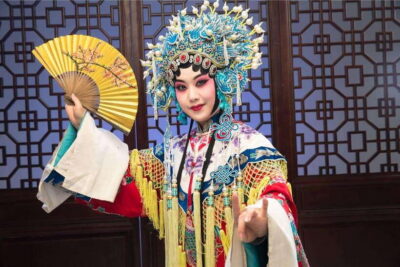
Beijing: Traditional Cultural Show Peking Opera Tickets
Read our review →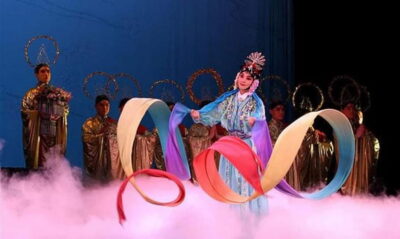
Beijing LiYuan Theatre VIP Seats Opera Show with Private Transfer Service
Read our review →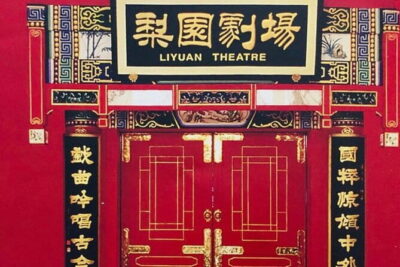
Mutianyu Great Wall Tickets with Chairlift and Toboggan
Read our review →
Beijing: Must-See Peking Opera at Liyuan Theatre Ticket
Read our review →
Beijing Liyuan Theater Peking Opera Ticket Booking
Read our review →
Beijing: Night Tour Of Peking Opera Show / Transfer
Read our review →This show also appears in