

Review · GERMANY
Hamburg: St. Pauli Walking Tour with Live Music
St. Pauli’s music story comes alive on foot, where a street corner, club facade, or small square can point to another chapter in Hamburg’s rock, pop, swing, and hip-hop past. This two-hour walk mixes local history with live songs from a professional musician-guide, so you do more than look at old club names.
I like the route’s strong sense of place and its focus on real streets rather than a concert hall slideshow. I also like the live musical touch, which gives the stories some feeling. The main catch is simple: the tour is conducted in German, so you need enough German to follow the stories.
- Live music on the walk: A professional musician-guide performs popular songs at points along the route.
- Beatles and Hendrix connections: The tour visits places linked with international stars who played in Hamburg.
- Historic club stops: Hear about Star-Club, Indra, Top Ten, Molotow, Mojo, Grünspan, and Große Freiheit 36.
- A broad music timeline: The walk covers swing, rock, pop, and hip-hop across several decades.
- Convenient St. Pauli route: Start at the Reeperbahn exit of U St. Pauli and finish at Große Freiheit.
- German-language guiding: This is the key booking issue for anyone who does not understand German.
What This St. Pauli music walk is really about
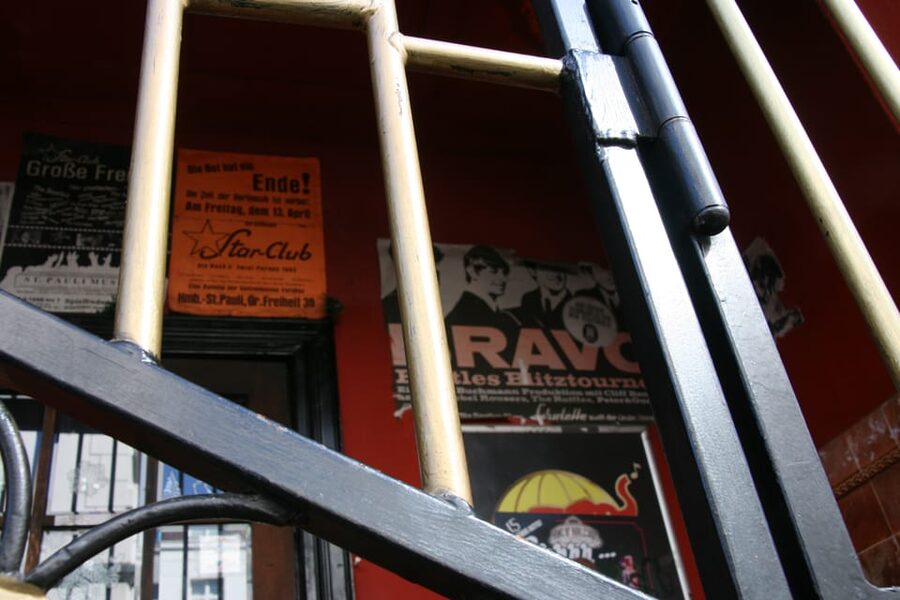
This is not a standard sightseeing stroll through Hamburg. It is a two-hour tour of the district’s musical personality, with the Reeperbahn and Große Freiheit serving as the main stage.
You walk through streets where clubs and concert halls helped shape careers. The experience connects famous names such as the Beatles, Prince, and Jimi Hendrix with the actual places where they played or became important to Hamburg’s music story.
That physical connection matters. Reading that a famous musician once performed in St. Pauli is one thing. Standing outside the club or along the street tied to that moment gives the information a sharper edge. You begin to see the district as a working music quarter, not just a nightlife strip.
The guide is also a professional musician. Instead of hearing only dates and club names, you get live interpretations of well-known songs during the walk. The music is not an added concert after the tour. It forms part of the storytelling.
Starting at U St. Pauli and Spielbudenplatz
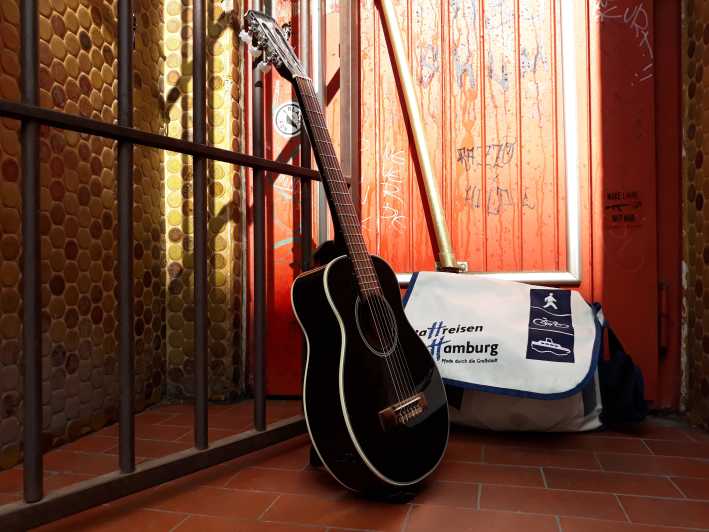
Meet at the Reeperbahn exit of the U-Bahn station St. Pauli. This is a useful starting point because you can reach it by public transportation and begin near the district’s main entertainment streets.
The first major stop is Spielbudenplatz. The guide uses this area to set the tone for St. Pauli, linking the present-day neighborhood with its musical past. Expect a guided walk rather than a long stop inside a venue, since the route moves through several outdoor locations.
Spielbudenplatz helps you understand the mix you will see throughout the tour. St. Pauli is associated with music, nightlife, theaters, clubs, and the broad social life around the Reeperbahn. The tour’s value comes from putting these pieces together instead of treating famous club names as isolated facts.
You should arrive ready to walk and listen at the same time. The live performances add atmosphere, but the main format remains a moving tour through city streets.
Other concerts and shows we rate around Germany
- Dresden: Gala Concert in the Dresden Zwinger
★ 4.7 · 1,510 reviews - Berlin: Classical Concert at Kaiser Wilhelm Memorial Church
★ 4.6 · 387 reviews - Munich: Classical Concert at the Residenz Palace
★ 4.6 · 299 reviews
Bernhard-Nocht-Straße and the harbor side of St. Pauli
From Spielbudenplatz, the route continues to Bernhard-Nocht-Straße and then toward St. Pauli-Hafenstraße. These sections take you away from a simple Reeperbahn-only view of the neighborhood.
The harbor-side setting gives the walk a different mood. Here, the tour places St. Pauli’s music culture within its wider district, rather than presenting the area only as a row of entertainment venues. You get a sense of how the neighborhood’s streets, gathering places, and nightlife zones connect.
The walk also reaches Park Fiction. The guide uses the stops to tell stories about the area and the people who shaped its cultural life. Exact talking points can vary with the guide, but the route clearly aims to show how music in St. Pauli grew from a wider local scene.
For me, this part is useful because it adds breathing room to the famous-club narrative. If all you want is a quick Beatles stop, the route may feel longer than necessary. If you want to understand St. Pauli as a neighborhood, these streets give the tour more substance.
Hein-Köllisch-Platz and the move toward the Reeperbahn

Hein-Köllisch-Platz is another guided stop before the walk returns to the better-known Reeperbahn area. The changing streets help create a timeline, moving from neighborhood spaces toward the clubs that made Hamburg famous internationally.
You will hear about different musical styles and periods, including swing, rock, pop, and hip-hop. That range is important. St. Pauli’s musical identity is not limited to the Beatles, even though the Beatles are one of the clearest hooks for visitors from outside Hamburg.
The guide’s live songs help bridge those different periods. Rather than offering a dry list of artists, the tour uses familiar music to show how the district’s venues connected performers with audiences. You do not need to be an expert in Hamburg music history to follow the basic idea, but German comprehension is essential for the full storytelling.
This is also a point where the tour’s pace matters. Two hours is enough time to cover many landmarks, but not enough time for long visits inside each one. Think of the tour as a connected outdoor lesson with short musical performances, not a series of club tours.
Reeperbahn, where the music story gets famous
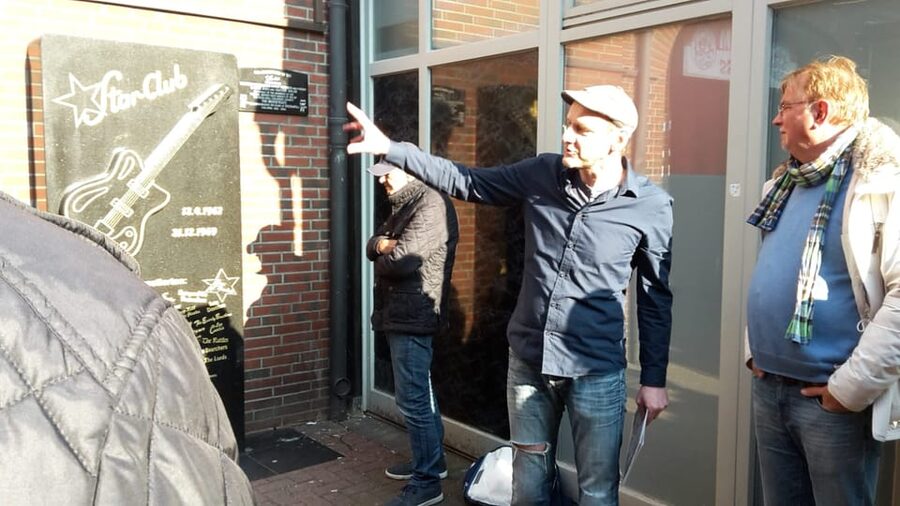
The Reeperbahn is the best-known street on the route and the place many people associate with St. Pauli. The guide explains its relationship to the music scene and points out locations tied to artists and clubs.
The street can feel noisy and crowded, especially compared with the quieter side streets earlier in the walk. That contrast is part of the experience. You see the polished, famous face of St. Pauli alongside the older and less obvious corners that helped create its reputation.
Stories about Prince, the Beatles, and Jimi Hendrix give the walk international reach. Yet the real benefit is seeing how those names fit into a local club network. The tour does not treat Hamburg as a random stop on a world concert schedule. It shows why St. Pauli mattered to performers building careers and to audiences seeking new sounds.
If your interest is mainly architecture or traditional Hamburg history, this section may not be your priority. The focus is music, nightlife, and the people connected with the venues. That narrow focus is also what makes the walk work.
Same city, a different kind of sound:
- Munich: Concert in the Court Chapel of the Residenz
★ 4.4 · 108 reviews - Munich: Gala Concert in the Cuvilliés Theatre
★ 4.9 · 101 reviews - Master Concert in the Max-Joseph Hall in Munich
★ 4.9 · 49 reviews - Dresden: Festive Christmas Concert in the Zwinger
★ 5.0 · 26 reviews
Beatles-Platz and Hamburg’s most famous band connection
Beatles-Platz is one of the route’s clearest highlights. The stop connects the modern public space with the Beatles’ early Hamburg appearances and with the wider club culture around Große Freiheit.
This is the part many visitors will already know something about, but the guide adds context by placing it among the surrounding venues. The Beatles did not become connected with Hamburg through a single monument. Their story belongs to a cluster of clubs, streets, performances, and late-night audiences.
You will want a moment to take in the site, but the tour keeps moving. The setting works best as a landmark within the larger walk, not as a standalone museum visit. There is no indication of an indoor Beatles exhibition or extended time inside a club, so set your expectations accordingly.
The live music is especially useful here. Hearing a professional musician-guide perform songs associated with the era gives the Beatles section a direct connection to sound, not just signage and anecdotes.
Große Freiheit and the clubs behind the stories
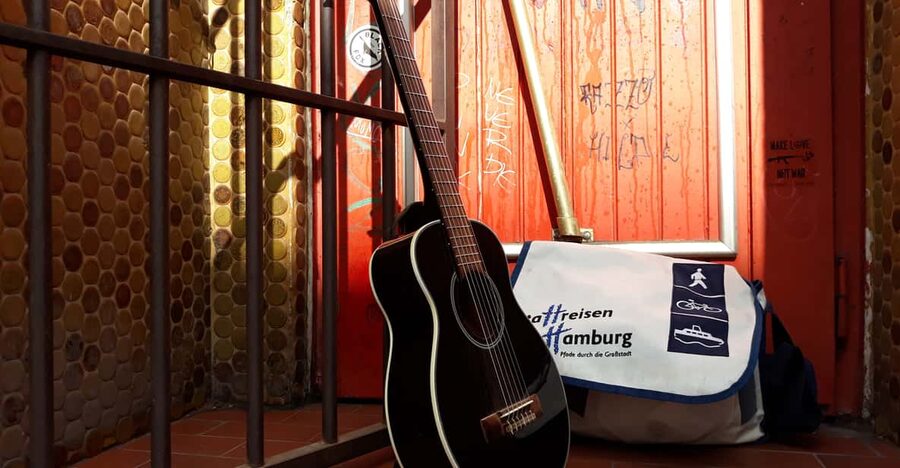
The walk finishes at Große Freiheit, passing or discussing several important clubs along the way. These include Star-Club, Top Ten, Große Freiheit 36, Indra, Mojo, Molotow, and Grünspan.
Each name carries a different place in St. Pauli’s musical story, and the guide explains why these venues mattered. Some are strongly linked with the Beatles. Others represent later phases of Hamburg’s club scene and the city’s continuing role as a place where different genres meet.
Star-Club is one of the essential stops. Its name is closely tied to the international music story of St. Pauli, making it an important piece of the Beatles-era discussion. Indra and Top Ten add more detail to the early club circuit, showing that the story was spread across several venues rather than centered in one room.
Molotow, Mojo, and Grünspan help widen the view beyond the early rock years. Große Freiheit 36 also shows how the area continued to matter after the first wave of famous performers. The tour’s strength is this sense of continuity across decades.
Club names alone can become a blur, especially when several appear in a short stretch. Pay attention to the guide’s explanations of how the venues differ. The live song performances offer welcome breaks between the historical details and help you remember the places.
What the live music adds
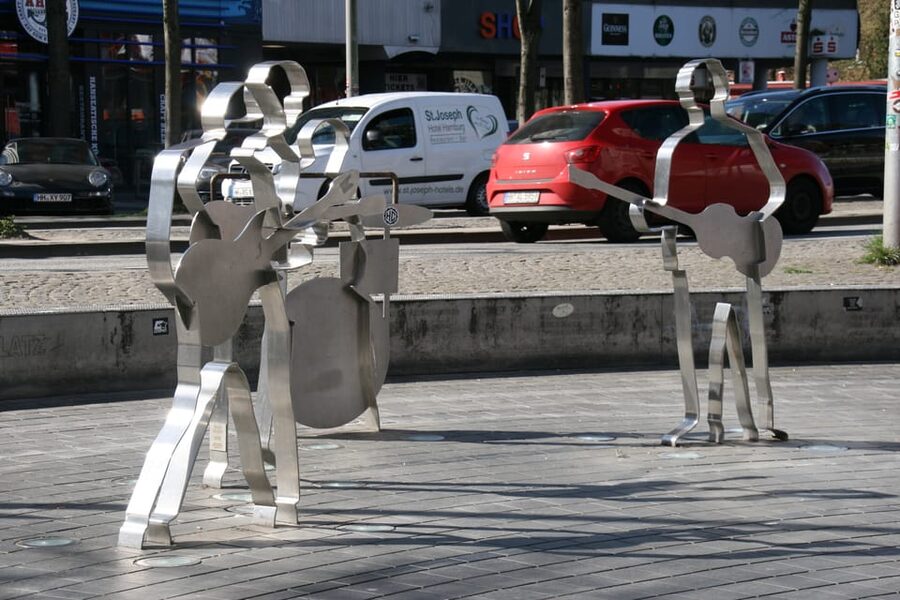
The musician-guide performs live interpretations of popular songs during the route. The supplied details do not identify the guide by name or provide a fixed song list, so you should not book this expecting a specific set of songs or a full concert.
Instead, think of the performances as short musical examples tied to the story. They give you a feel for the artists and styles connected with the neighborhood and make the walk more personal than a standard historical tour.
I like this format because it suits St. Pauli. A neighborhood known for clubs and performers should have some sound in the experience. The music also gives you a break from listening to dates, names, and venue histories while keeping the group focused on the same theme.
The trade-off is that the quality and style may depend partly on the musician-guide. The guide is described as a professional musician, but no individual name or performance format is provided. You should expect live interpretations, not a polished theater production.
German language and accessibility

The tour is conducted in German. This is the most important practical point for booking.
A Danish participant specifically found that an English-language tour would have been a better choice. That is a useful warning for anyone who understands only basic German. You may still enjoy the music, streets, and famous locations, but the stories are the heart of the tour, and you will miss much of the value without enough German.
The tour is listed as wheelchair accessible. The route includes several outdoor streets and public places, including Spielbudenplatz, Hafenstraße, Park Fiction, Hein-Köllisch-Platz, Reeperbahn, Beatles-Platz, and Große Freiheit. If you need detailed information about surfaces, rest stops, or access to individual venues, confirm those points before booking, since those details are not provided.
Is $28 a fair price for two hours?
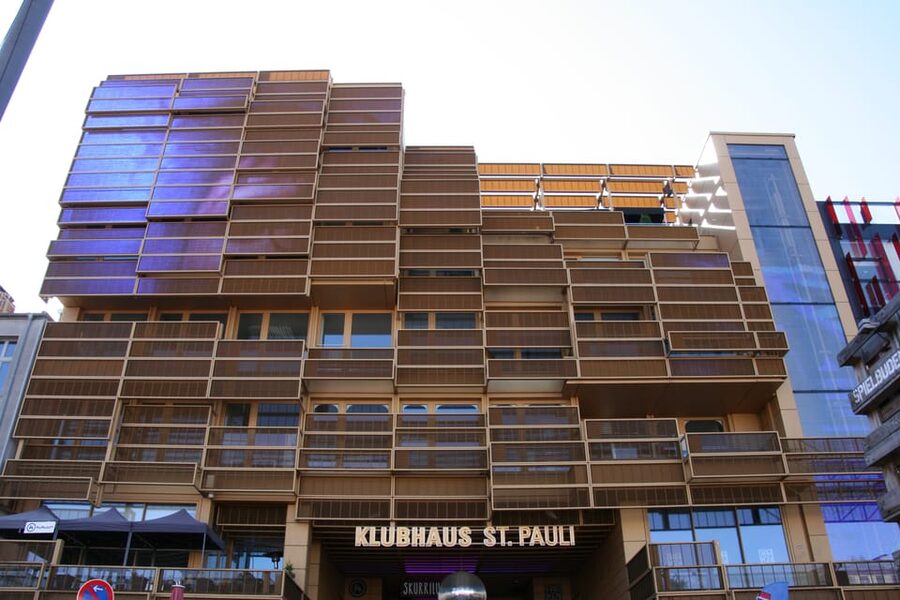
At $28 per person, the price is reasonable if you want a focused introduction to St. Pauli’s music culture. You are paying for a live guide, a planned route through several significant locations, and live musical performances rather than simply following a map of club addresses.
The value is strongest for first-time visitors who want context. A self-guided walk can take you to Reeperbahn, Beatles-Platz, and Große Freiheit, but it will not automatically explain how Star-Club, Indra, Top Ten, Molotow, Mojo, and the other venues fit together.
The price is less compelling if you speak little or no German. In that case, much of what you pay for becomes inaccessible, even though you can still see the streets and hear the songs. Look for an English option if one is available on your dates.
Free cancellation up to 24 hours before the start and the option to reserve now and pay later make the booking less risky. These policies are helpful if your Hamburg schedule is still changing, but they do not solve the language issue.
Who should book this St. Pauli tour?
I would choose this walk if you like music history, famous clubs, and seeing a city through the places where artists worked. It is also a good fit if you want a guided introduction before exploring St. Pauli on your own later in the evening.
Beatles fans will get the most obvious payoff, but the route is broader than the Beatles. You will also hear about Prince, Hendrix, swing, pop, hip-hop, and the later club scene. That makes it suitable for people who want more than one band’s story.
It is less suitable if you want to go inside venues, hear long concerts, or focus on Hamburg’s general history. The walk visits and discusses important places, but the information provided does not promise interior access or extended stops inside clubs.
Should you book it?
Book this tour if you understand German and want a lively, street-level look at how St. Pauli became a major music district. The combination of club stories, Beatles connections, side streets, and live songs gives the neighborhood a clear voice.
Skip it, or seek an English alternative, if you cannot follow German conversation. The route itself is appealing, but the guide’s stories explain why the locations matter. At $28, it is a fair buy for a music-minded visitor who can understand the language and appreciates a focused two-hour walk.
FAQ
Where does the tour start?
Meet the guide at the Reeperbahn exit of the U-Bahn station St. Pauli.
Where does the tour finish?
The tour finishes at Große Freiheit.
How long does the tour last?
The walking tour lasts two hours.
What language is the tour conducted in?
The live tour guide conducts the tour in German.
Is the tour wheelchair accessible?
Yes, the activity is listed as wheelchair accessible.
Is live music included?
Yes, live music from a professional musician-guide is included.
Which famous musicians are discussed?
The tour includes stories about artists such as the Beatles, Prince, and Jimi Hendrix.
Which clubs are included in the route or discussion?
The tour covers clubs and venues including Star-Club, Top Ten, Große Freiheit 36, Indra, Mojo, Molotow, and Grünspan.
Does the tour visit Beatles-Platz?
Yes, Beatles-Platz is one of the guided stops.
How much does the tour cost?
The listed price is $28 per person.
Just reviewed around Germany
- Medieval Knight’s Dinner Show with Live Music in Munich★ 3.0 · 2 reviews
- Dresden: New Green Vault and Semper Opera Tour★ 4.5 · 19 reviews
- Nymphenburg classical music à la Mozart★ 4.7 · 3 reviews
- Festive Concert in the All-Saints Court Church★ 4.6 · 11 reviews
- Festive Concert at Schleißheim with Residence-Soloists★ 4.7 · 25 reviews
- Bonn: Sunday Brunch Buffet with Cologne live music★ 5.0 · 5 reviews
- Bonn: Seniors’ cruise with live music on the MS Moby Dick★ 4.5 · 2 reviews
- Berlin: Classical concerts in Köpenick Palace – Aurora Hall★ 4.1 · 5 reviews
Germany Live Music: the closest alternatives.
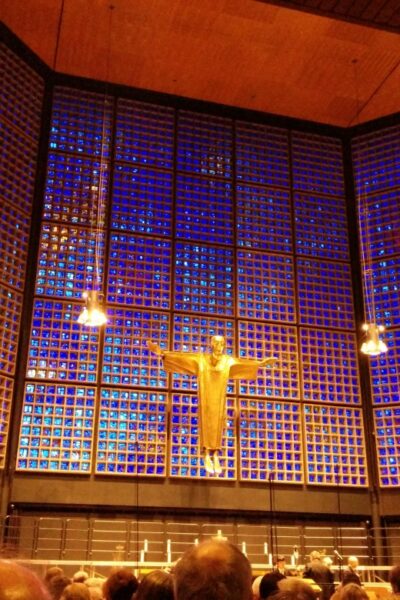
Berlin: Classical Concert at Kaiser Wilhelm Memorial Church
Read our review →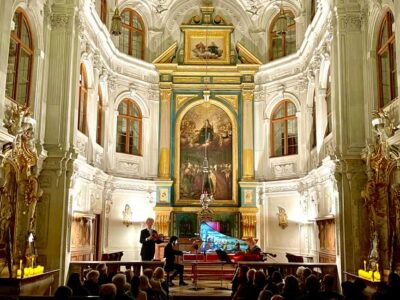
Munich: Classical Concert at the Residenz Palace
Read our review →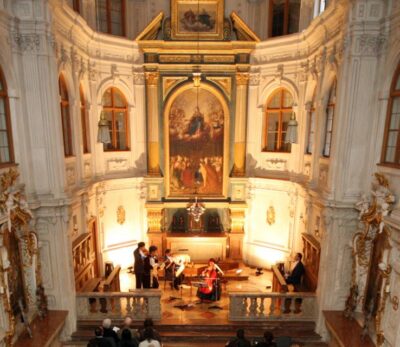
Munich: Concert in the Court Chapel of the Residenz
Read our review →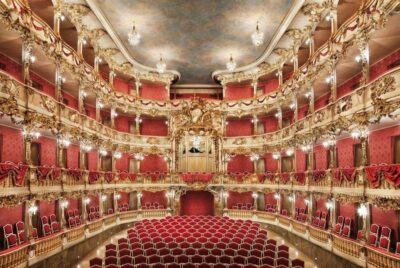

Berlin: Classical concerts at the Bode Museum Berlin
Read our review →
Dresden: Festive Christmas Concert in the Zwinger
Read our review →This show also appears in