Review · ROME
Musical masterpieces: The best of the Baroque concert
The rare treat here is the countertenor voice, paired with live organ in Santa Maria dell’Anima, a church whose Baroque interior gives the music a fitting home. I like the focused one-hour format, and I like that the program includes familiar names such as Handel, Vivaldi, and Bach alongside less expected works.
The main consideration is simple: this is a concert, not a guided church tour. You get time to look around, but the musical performance is the reason to book. The program and performers may matter more to serious listeners than to anyone hoping for a broad introduction to Rome’s churches.
Key points to know before booking
- A rare countertenor performance: The high male voice gives familiar Baroque music a different color from a standard tenor or soprano recital.
- A real church setting: Santa Maria dell’Anima supplies the art, scale, and atmosphere of a historic Roman place of worship.
- A compact evening plan: The concert lasts about one hour, so you can place it after a full day of sightseeing.
- A serious Baroque program: Expect works by Handel, Vivaldi, Bach, Pergolesi, Böhm, and other composers.
- A small maximum group size: Attendance is capped at 50 people, which should make the event feel more focused than a large hall performance.
- Easy booking terms: Mobile tickets are accepted, and cancellation is free up to 24 hours before the start time.
Why the countertenor makes this concert different
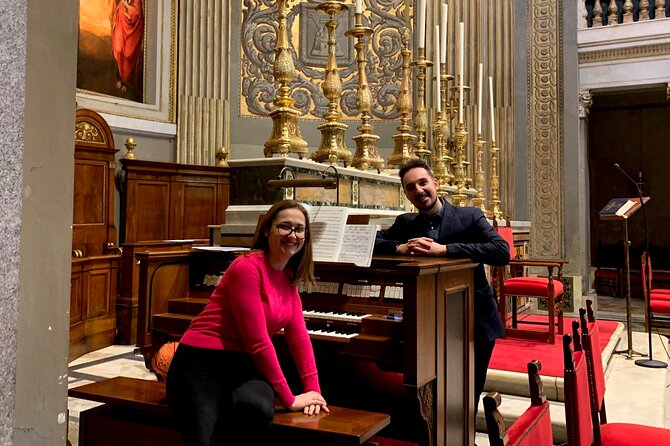
Baroque music is often associated with ornate melodies, strong contrasts, and voices that seem to float above the instruments. A countertenor brings an unusual high register to that sound. If you normally attend orchestral concerts or standard opera performances, this pairing with organ gives you something less familiar.
The voice is the central attraction, but the organ matters just as much. It supplies the musical foundation without the size of a full orchestra. That keeps the concert intimate and lets you hear the contrast between the singer’s clear line and the instrument’s broader, church-filling sound.
I would choose this performance for the program as much as for the setting. Handel, Vivaldi, Bach, Pergolesi, and Böhm represent a useful cross-section of Baroque music. You may recognize some melodies, while other pieces can give you a fresh sense of the period’s sound.
The program is described as including these composers and more, so the exact running order is not specified. If you want to hear one particular work, this may not be the right event to book on that basis alone. If you want a carefully chosen hour of Baroque music, the format makes good sense.
More Classical Concerts in Italy
- Rome: “Chopin & Italian Friends” Piano Concert
★ 4.2 · 98 reviews - Rome: Chopin Piano Concert by Candle Glow
★ 4.6 · 42 reviews - Capuchins Crypt: Christmas Baroque Concert
★ 4.8 · 15 reviews
Santa Maria dell’Anima gives the music its proper setting
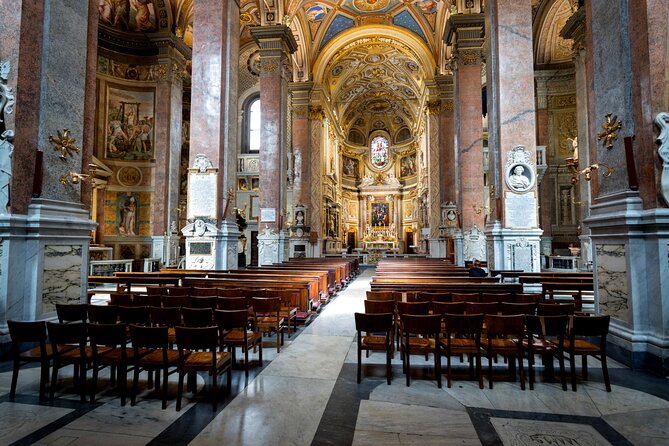
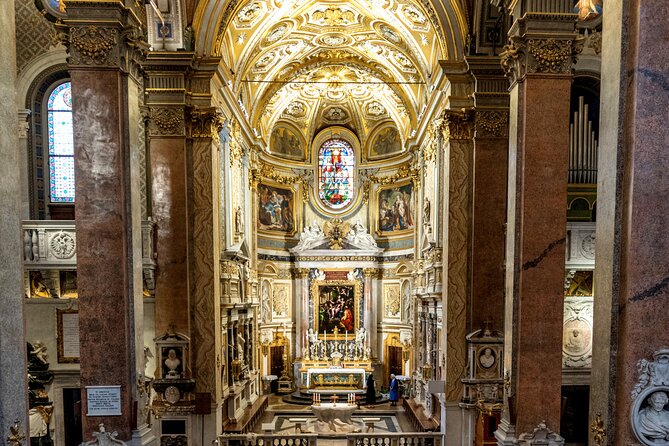
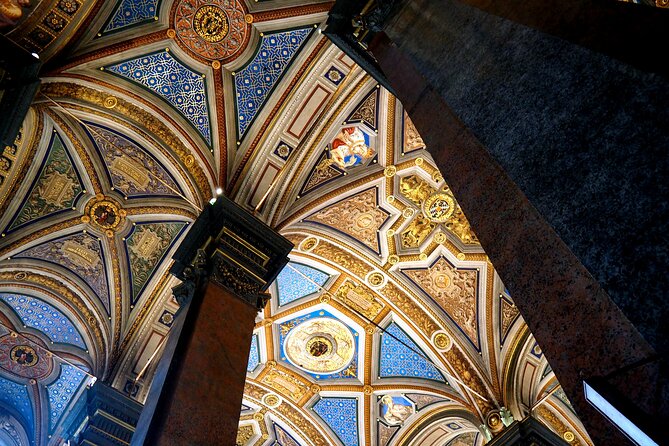
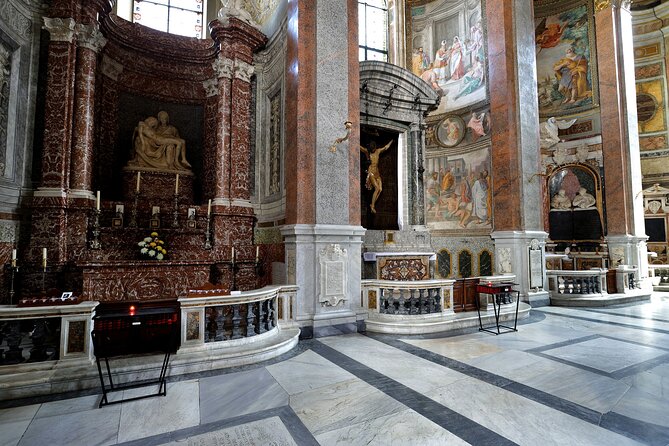
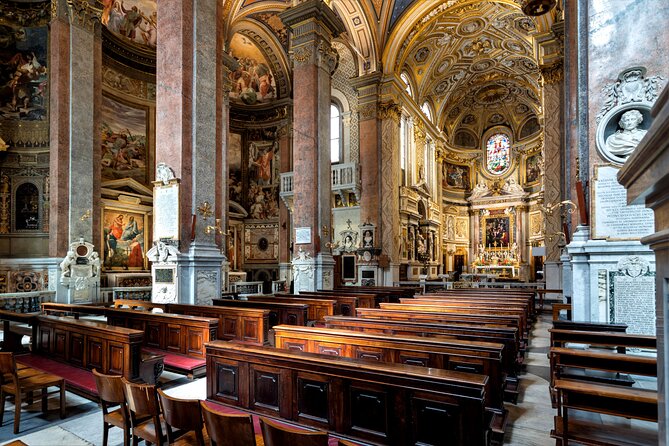
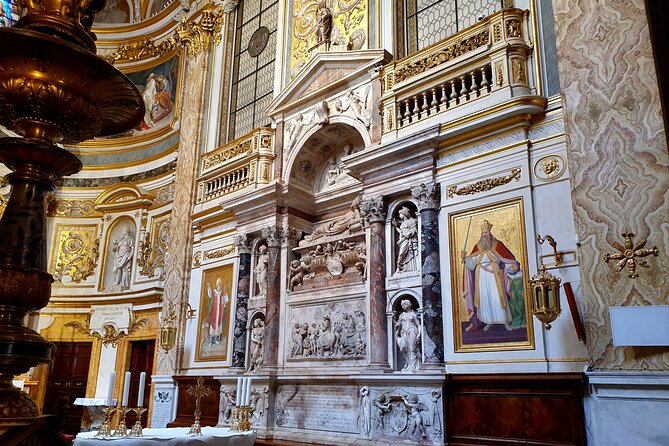
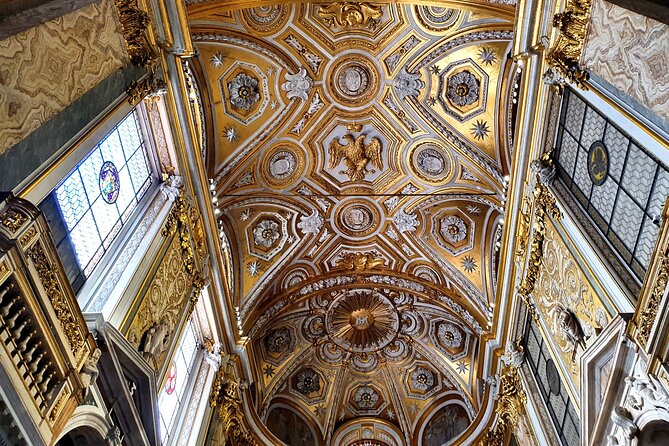
The concert takes place at Chiesa di Santa Maria dell’Anima, one of Rome’s notable Baroque churches. You are not sitting in a neutral concert room with painted scenery behind the performers. The church itself supplies the visual setting, with the kind of interior detail that makes even a short visit feel connected to Rome’s artistic past.
That setting changes how you hear the program. Organ music belongs naturally in a church, and the high voice of a countertenor suits the sense of height and space. The setting is not just decoration added to the event. It is part of the reason this particular concert works.
The church is also a useful choice for an evening plan because you can combine music and sightseeing without committing to a long production. You get a historic interior and a live performance in the same hour. For me, that is a better use of an evening than a concert that could take place in any modern hall.
Keep your expectations practical. The church is the performance venue, so this is not presented as a full art-history visit. You should have time to appreciate the interior before or after the music, but the event is built around listening. If you want detailed explanations of the architecture, you should arrange a separate church visit.
A one-hour concert that fits neatly into a Rome day
Rome can make even a simple evening plan feel complicated. A one-hour concert helps. You can spend the day visiting major sights, stop for dinner or a break, and still attend a performance without giving up an entire night.
The short length is one of the strongest features for first-time visitors. You do not need to plan around a three-hour opera, and you do not have to decide if you can manage a long concert after walking across the city. An hour gives you a proper musical experience while leaving room for another evening activity.
It also suits music lovers with mixed interests. You can spend the morning in museums, the afternoon exploring churches and piazzas, then finish with Baroque music in a real Roman church. That combination connects the city’s art, architecture, and music without forcing you into a full-day theme.
The tradeoff is that an hour can feel brief if you are hoping for a wide survey of Baroque music. The program will likely give you a selection rather than a complete history of the period. I would view the length as a strength for an urban sightseeing schedule, not as a substitute for a major concert season performance.
What the musical program brings together
The named composers give you a clear sense of the evening’s range. Handel can bring dramatic vocal writing, Vivaldi can add energy and movement, and Bach can offer carefully shaped counterpoint. Pergolesi and Böhm broaden the selection beyond the names that appear on every introductory Baroque playlist.
That mix matters because it keeps the concert from being built around a single composer. You get different approaches to melody, rhythm, and the relationship between voice and instrument. A listener who already knows the major works may appreciate the less familiar choices.
The unusual vocal line is especially important here. A countertenor can make a familiar piece sound newly colored, and that seems to be one of the event’s clearest musical attractions. The program has been praised for being distinctive rather than routine, which should appeal to listeners who attend concerts often.
You do not need a music degree to follow the performance. You can simply listen for the contrast between the organ’s depth and the countertenor’s high voice. Still, I think the event will mean more to you if you enjoy attentive listening. This is not background music for a church visit. It is a live recital with the music at the center.
More Classical Concerts in Rome
- Rome: Chopin & Italian Friends Piano Concert
★ 4.5 · 11 reviews - Capuchin Crypt Christmas Baroque Concert in Rome
★ 4.0 · 7 reviews - New Year’s Baroque Concert at Doria Pamphilj Palace
★ 5.0 · 2 reviews
The artists and the Papal Sistine Chapel connection
The performers are described as prestigious artists of the Papal Sistine Chapel Choir. That association gives you a useful indication of the level and tradition behind the performance, even though the available information does not provide the artists’ individual names.
The event features both an organist and a countertenor. That small lineup keeps the musical exchange clear. You can follow the singer and instrument directly rather than sorting through a large ensemble.
The countertenor has drawn particular attention for the rarity of the voice and its emotional effect. If you have never heard one live, this is a strong reason to consider the concert. Recordings can give you the basic sound, but a church setting lets you hear how the voice carries in real space.
The organist also deserves equal attention. In a voice-and-organ program, the instrument cannot simply provide a quiet backdrop. It controls the pace, supports the harmony, and gives the performance much of its weight. The strongest version of this concert depends on both artists working as a pair, not on the singer alone.
What the small audience limit means
The maximum attendance is listed as 50 people. That is small compared with a major concert venue, and it should help preserve a sense of concentration. You are likely to feel closer to the performance than you would in a large auditorium, although the exact seating arrangement is not provided.
A smaller group can also make the church feel less like a tourist stop and more like a working performance space. You can focus on the music without the scale and distractions of a large event.
Do not read too much into the number. A cap of 50 does not guarantee a silent audience, ideal acoustics, or a particular seat. It simply tells you that this is not designed as a mass event. If crowd size affects your decision, the limit is a useful point in its favor.
The mobile ticket makes the practical side easy. You can keep the admission on your phone rather than arranging a paper voucher. Confirmation is provided at booking, and the event is near public transportation. Those details matter in Rome, where an evening plan works best when you can move between sights without extra steps.
Who will get the most from this experience
I would recommend this concert most strongly to four kinds of people:
- Baroque music fans who want a focused live program with a countertenor and organ.
- Art and architecture enthusiasts who like hearing music inside a historic church rather than a standard performance hall.
- First-time Rome visitors who want a compact cultural activity that fits around daytime sightseeing.
- Concertgoers looking for something unusual, especially anyone curious about the countertenor voice.
It is also suitable for most people who can participate in a one-hour seated or standing cultural event, though the available details do not specify the seating or accessibility layout. Service animals are allowed, and the venue is near public transportation.
I would be less quick to recommend it to someone who wants a complete explanation of Santa Maria dell’Anima, a large orchestral concert, or a long evening of opera. You may enjoy the church and the music, but the event itself is narrow by design.
Getting value from the evening
No ticket price is provided here, so I cannot judge the cost against a specific figure. I can still explain what you are paying for. The value comes from combining three things in one short event: professional live music, an unusual vocal format, and entry to a notable Baroque church during the performance.
That combination may make the concert worthwhile even if you are not a specialist. A regular church visit gives you architecture. A standard concert gives you music. This experience joins the two, and it does so without taking up most of your evening.
The value is strongest if you already plan to visit central Rome and want an activity that adds a different mood to the day. It is weaker if you are booking only for the church interior and have little interest in Baroque music. The performance is not simply a convenient way to look inside a church.
I would also consider the program before booking. Handel, Vivaldi, Bach, Pergolesi, and Böhm give you a strong starting point, but the full list is not supplied. The event is best treated as a selected recital, not a guaranteed performance of one specific favorite.
Practical planning for the church concert
The duration is approximately one hour. That makes it easy to place after sightseeing, but you should still allow enough time to reach Santa Maria dell’Anima and settle in. The experience is in Rome, near public transportation, and the mobile ticket should reduce the fuss at admission.
The concert is offered in English, which is useful for booking and basic event information. The music itself, of course, is the main language of the evening, so you do not need extensive spoken commentary to benefit from it.
Free cancellation is available if you cancel at least 24 hours before the start time. Within 24 hours, the amount paid is not refunded, and changes are not accepted. Cutoff times use Rome’s local time, so check the clock carefully if your plans change.
The group maximum is 50 people. Most people can participate, and service animals are allowed. Details such as exact seating, accessibility arrangements inside the church, and the precise concert start time are not provided, so confirm those points if they affect your plans.
Should you book the Baroque concert?
Book it if you want a short, serious musical event in a real Roman church, especially if the sound of a countertenor interests you. The combination of organ, voice, Handel, Vivaldi, Bach, Pergolesi, and Böhm gives the hour a clear identity.
I would also book it as a smart evening add-on after a day of sightseeing. You get an artistic experience rather than another crowded attraction, and the church makes the music feel tied to Rome.
Skip it if you mainly want a church tour, a long opera, or a broad history lesson. But if you enjoy good music, unusual voices, and beautiful interiors, this is an easy concert to fit into a Rome itinerary.
FAQ
How long does the concert last?
The concert lasts approximately one hour.
Where does the concert take place?
It takes place at Chiesa di Santa Maria dell’Anima in Rome, Italy.
Which composers are included?
The program includes works by Handel, Vivaldi, Bach, Pergolesi, and Böhm, along with other Baroque composers.
Who performs the concert?
The performance features a live organist and countertenor. The artists are associated with the Papal Sistine Chapel Choir.
Is the concert offered in English?
Yes. The experience is offered in English.
How many people can attend?
The activity has a maximum capacity of 50 people.
Can I cancel for a refund?
Yes. You can cancel at least 24 hours before the start time for a full refund. Cancellations or changes made within 24 hours are not refunded or accepted.
Just reviewed around Rome
- The Three Tenors Concert in St. Paul’s Within the Walls★ 4.5 · 49 reviews
- Rooftop Bar Opera Show: The Great Beauty of Rome★ 5.0 · 92 reviews
- Rome: OPERA’S GREATEST HITS (Concert + Aperitif)★ 5.0 · 28 reviews
- Rome: Rooftop Gourmet Dinner & Opera Performance★ 5.0 · 4 reviews
- Rome: Chopin & Italian Friends Piano Concert★ 4.5 · 11 reviews
- New Year’s Baroque Concert at Doria Pamphilj Palace★ 5.0 · 2 reviews
- Opera Concert Ticket in Rome with Dinner★ 4.0 · 52 reviews
- Freddie Mercury Opera Show in Rome★ 4.0 · 37 reviews
Rome Live Music: the closest alternatives.
Rome: “The Most Beautiful Opera Arias” Concert
Read our review →
Rome: Opera Concert at Palazzo Poli – Fontana di Trevi
Read our review →
Rome: The Three Tenors at St. Paul’s Church Concert Ticket
Read our review →
Rome: Italian Opera Night Concert by Candle Glow
Read our review →
The Great Opera Arias Concert at Palazzo Poli – Trevi Fountain
Read our review →
Rome: Italian Opera Concert and Traditional Dinner
Read our review →