Review · PRAGUE
Prague: Entry Ticket Classical Concert at the Mirror Chapel
Prague’s Mirror Chapel turns a one-hour concert into something more memorable than a standard evening performance. You sit beneath Baroque decoration and mirrors while the Royal Czech Orchestra, soloists, and soprano Eva Müllerová perform Mozart, Vivaldi, Dvořák, Beethoven, and other familiar works. I like the short running time and the way the program packs in many famous pieces without taking over your evening. I also like the setting: the natural acoustics do much of the work, with no need for microphones.
The main drawback is seating. The musicians perform at floor level, not on a raised stage, so some Category B seats may offer a poor view. The chapel can also be hard to find, and late arrivals may have fewer seat choices. Arrive well before the stated 15-minute door opening if seeing the players matters to you.
Key points to know before you book
- Two different programs: The 5pm concert includes organist Robert Hugo, while the 7pm performance features pianist Stanislav Gallin.
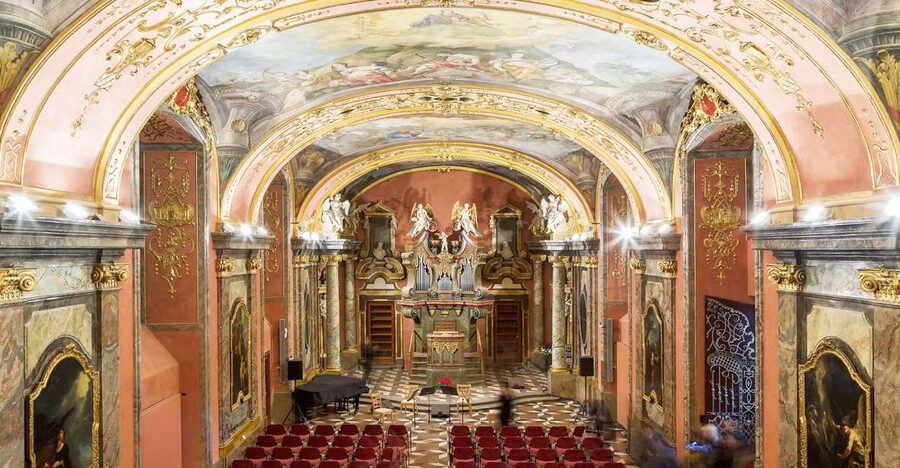
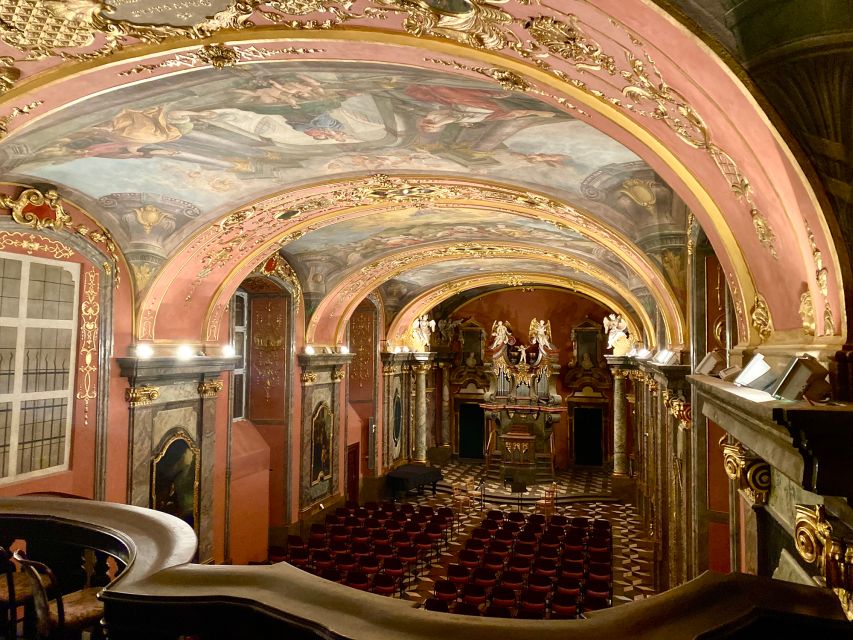
- A beautiful Baroque setting: The Mirror Chapel is part of the Clementinum complex, with decorative mirrors and strong natural acoustics.
- Familiar music: Expect Vivaldi’s Four Seasons, Mozart’s Requiem, Beethoven’s Fifth Symphony, Smetana’s The Moldau, and other well-known works.
- One hour, no filler: The compact format works well after a day of sightseeing or before dinner.
- Arrive early for a better view: Seats are not all equal, and the orchestra sits below eye level in some sections.
- Good value at $34: That price compares favorably with many evening concerts in major European capitals, especially for the venue and repertoire.
Why the Mirror Chapel makes the concert special
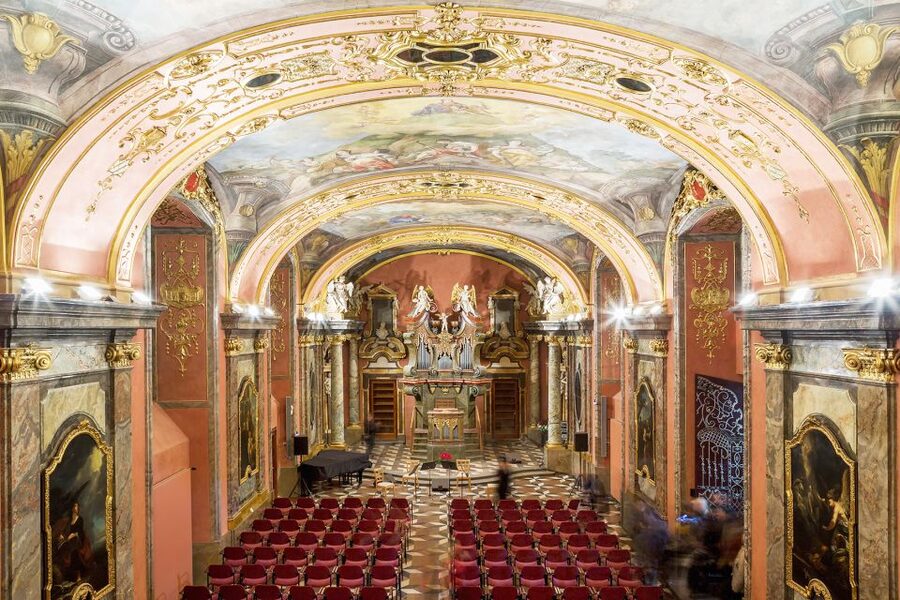
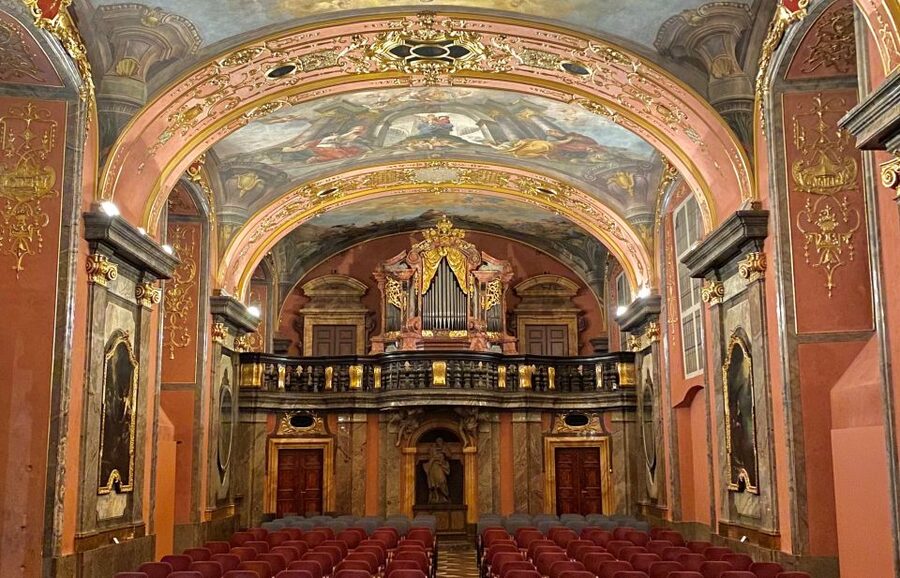
The music is only half the reason to book this performance. The Mirror Chapel, inside Prague’s Clementinum, gives the evening a sense of place that a modern concert hall cannot match. Its Baroque interior, reflective surfaces, and religious decoration create a formal but intimate room for chamber music.
The mirrors are not just a pretty detail. They help make the chapel feel larger and more layered, especially when the musicians begin playing. The room’s acoustics are a major part of the experience. Strings, organ, piano, and voice carry naturally through the chapel, so you hear the performance without the amplified sound common at larger events.
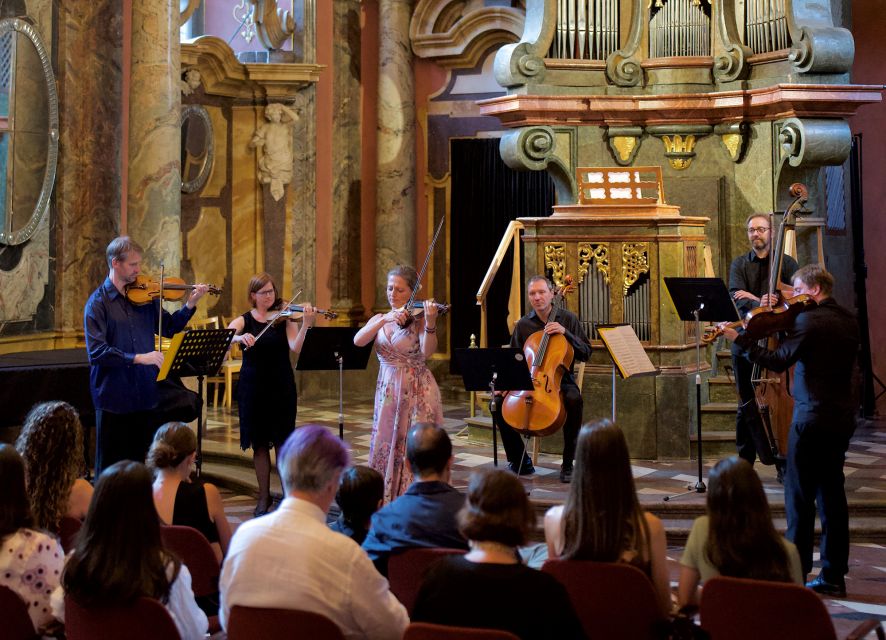
You should expect a chamber concert rather than a full symphony orchestra. The ensemble includes strings and may be joined by organ, piano, violin, and soprano. That smaller scale suits the chapel. You are close enough to notice the handoffs between soloists and ensemble, rather than watching a large group from a distance.
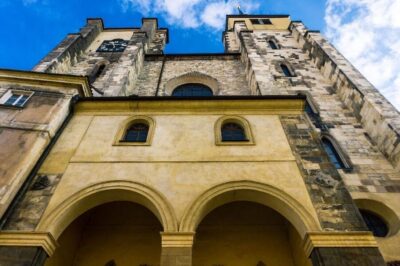
The venue is in a central part of Prague, but finding the entrance can take longer than expected. It may appear less grand from the street than the interior suggests. Allow extra time, and if you get turned around, ask for the Clementinum or Klementinum rather than relying only on the name Mirror Chapel.
More Church and Cathedral Concerts in Prague
- Prague: Mirror Chapel Classical Music Concert Ticket
★ 4.8 · 295 reviews - Prague: Classical Concert at St. Giles’ Church
★ 4.8 · 241 reviews - Prague: Klementinum Mirror Chapel Classical Music Concert
★ 4.3 · 132 reviews
The 5pm concert: organ, soprano, and a broad classical sampler
The 5pm program is the better choice if you want to hear the organ as a central part of the evening. Eva Müllerová provides the soprano performance, Robert Hugo plays organ, and Viktor Mazáček handles the violin solo work.
Hugo is the titular organist at St. Salvator Church and specializes in Baroque organs and period music. That makes his appearance especially fitting in the Mirror Chapel. You hear him in J. S. Bach’s Toccata and Fugue in D minor, one of the program’s most recognizable organ works.
The concert opens with Mozart’s overture to The Marriage of Figaro, a lively start that quickly establishes the tone. Vivaldi’s Four Seasons follows with Spring and Winter, rather than the complete four-part cycle. If you are hoping for Summer and Autumn, note that they are not included in this program.
The rest of the 5pm selection moves through several familiar musical moods:
- Mozart’s Requiem, Lacrimosa, with soprano
- Pachelbel’s Canon in D major
- Verdi’s triumphal march from Aida
- Mozart’s Symphony No. 40
- Dvořák’s Sing Unto the Lord a Joyful Song
- Bach and Gounod’s Ave Maria
- Smetana’s The Moldau
- Beethoven’s Fifth Symphony
This is a greatest-hits style program. You will not hear complete long-form symphonies or a single composer’s carefully developed theme. Instead, the musicians present recognizable movements and excerpts in quick succession. That approach suits first-time classical listeners and anyone who wants a relaxed introduction rather than a demanding full-length recital.
The soprano adds a change of texture to the instrumental music. Lacrimosa, Dvořák’s sacred song, and Ave Maria give the hour a more vocal and devotional character. The organ adds weight, while the strings keep the performance connected to the chamber setting.
The 7pm concert: piano, violin, and popular favorites
The later program replaces the organist with pianist Stanislav Gallin, a soloist connected with Prague’s Academy of Performing Arts. Gallin is known as a chamber and studio player, and the piano changes the balance of the performance.
Müllerová returns as soprano, and Mazáček again provides the violin solo work. The program opens with Vivaldi’s Four Seasons, again featuring Spring and Winter. It then moves through Beethoven’s Emperor Concerto, Adagio un poco mosso, Mozart’s Lacrimosa, and Smetana’s The Moldau.
The 7pm selection may appeal more to listeners who want piano and opera alongside the string ensemble. Chopin’s Nocturne No. 20 in C-sharp minor, known from the film The Pianist, offers a quiet and reflective contrast to Beethoven’s more forceful pieces. Bizet’s Habanera from Carmen gives the soprano a theatrical moment, while Dvořák’s Slavonic Dance No. 8 brings a lively Czech touch.
The program closes with the first movement of Beethoven’s Fifth Symphony. It is an effective ending because the opening rhythm is instantly familiar and carries plenty of energy, even in a shorter chamber arrangement.
The 7pm concert is not automatically better than the 5pm performance. It simply offers a different mix. Choose 5pm for the organ and a broader set of sacred and orchestral excerpts. Choose 7pm for the piano, Chopin, Bizet, and a more varied soloist lineup.
What the one-hour format feels like
The concert lasts one hour, which is a real advantage in Prague. You can fit it between sightseeing stops, schedule it before dinner, or use it as a calm pause after a long day on foot.
The music is presented without a long intermission, so the program keeps moving. That means you hear many composers in a short period, but it also means there is little time for explanation. The printed program is included, yet you should not expect a detailed talk introducing each piece.
For classical music newcomers, this can work very well. You are likely to recognize several melodies even if you do not know their titles. The variety also helps hold your attention. One moment you hear organ, then strings, then soprano, piano, or a solo violin.
For a serious classical listener, the format has limits. Excerpts and individual movements do not offer the full arc of a complete symphony, concerto, or opera. Think of this as an atmospheric sampler of famous works, not a formal orchestral subscription concert.
More Classical Concerts in Prague
- Prague: Mozart Ballroom Concert Ticket with 3-Course Dinner
★ 4.8 · 1,200 reviews - Prague Castle: Midday Classical Concert at Lobkowicz Palace
★ 4.6 · 1,106 reviews - Prague: Classical Concert in the Spanish Synagogue
★ 4.7 · 1,104 reviews - Mozart Concert and Dinner in Prague
★ 4.5 · 492 reviews
Seating, sightlines, and how early to arrive
Doors open 15 minutes before the concert. I would not treat that as the ideal arrival time. The chapel fills quickly, and arriving earlier gives you a better chance of choosing a useful seat within your ticket category.
The most important seating detail is that the musicians are seated on the floor rather than placed on a raised stage. From some Category B positions, you may hear the performance clearly but see less of the players. That matters if you enjoy watching the violinist, soprano, organist, or pianist at work.
Front-seat tickets are worth considering if the performers’ movements are important to you. They are also useful if you have limited visibility or simply want a closer connection with the musicians. If you choose a less expensive section, arrive early and look carefully at the sightline before settling in.
The room’s layout can also make some seats feel better than others. One practical tip is to look toward the far left side when choosing a position. Depending on the arrangement that evening, this may give you a chance to move forward into an open spot before the music begins. Do this quietly and only when permitted.
Bring patience about the entry process. The venue can be confusing from outside, and there may not be a grand front entrance announcing the chapel. Keep your ticket ready to show at the Mirror Chapel entrance, and budget extra minutes for finding the right doorway.
The sound is excellent, but the room is not perfectly sealed
The chapel’s natural acoustics are one of the strongest reasons to attend. Strings and soprano carry clearly, and the organ has room to resonate. The sound is part of what makes the performance feel suited to the building rather than simply placed inside it.
There are a few practical caveats. Some noise from adjoining areas may carry into the chapel, especially if another activity is taking place nearby. Conversation, movement, or people adjusting chairs can distract from quiet passages.
Mobile phones are another concern. The event does not ban phones and cameras, so you may see screens or hear interruptions. Switch your phone off completely rather than leaving it on silent. You will enjoy the music more, and so will the people seated around you.
There is no official dress code. You can attend in comfortable sightseeing clothes, though many people may choose something slightly smarter for an evening concert. The priority is quiet behavior, not formal clothing.
Is $34 a good price?
At $34 per person, this is a strong value if you want a central Prague cultural experience without committing to a full opera or symphony evening. The ticket includes entry and a printed concert program, but not transportation, food, or drinks.
The value comes from three things: the location, the one-hour format, and the number of familiar works included. You are paying not only for live music but also for access to a distinctive Baroque interior. Comparable concert experiences in major European cities can cost much more, especially in formal venues with longer programs.
Still, the price should shape your expectations. This is not a full Czech Philharmonic concert, and it is not a complete opera. The musicians may perform arrangements and selected movements rather than entire works. If you want a polished introduction to classical favorites in a beautiful setting, the price is easy to justify. If you want a large orchestra and a long, uninterrupted Beethoven symphony, choose a different type of concert.
The very high rating, 4.7 from 4,636 reviews, fits the strongest parts of the experience: the chapel, the acoustics, the recognizable music, and the talented performers. The complaints are practical rather than musical, mainly about finding the entrance, sightlines, phones, and noise from nearby rooms.
Who will enjoy this concert most
I would recommend it to several kinds of visitors:
- You want a cultural evening but have only one free hour.
- You enjoy familiar classical melodies more than experimental or obscure works.
- You are visiting Prague with someone who is unsure about classical music.
- You want to hear a soprano, organ, piano, violin, and strings in one compact program.
- You like historic interiors and atmospheric venues.
- You want an evening activity that does not require formal dress.
Families should note that unaccompanied minors are not allowed. Children attending with an adult may appreciate the short length, but the music still requires quiet sitting. For a first classical concert, the well-known selections make this a gentler introduction than a full three-hour opera.
The setting also suits couples, solo visitors, and anyone who wants a break from Prague’s busy streets. The performance is calm and contained, with no need to plan a long meal or late-night return afterward.
Practical booking advice
Pick the time by program, not just by convenience. The 5pm performance features Robert Hugo on organ. The 7pm performance features Stanislav Gallin on piano. Eva Müllerová and Viktor Mazáček are listed for both programs.
Read the program carefully before booking if one particular work matters to you. The 5pm concert includes Spring and Winter from Vivaldi’s Four Seasons, not all four seasons. The 7pm version follows the same pattern.
You can cancel for a full refund up to 24 hours in advance, and the booking option allows you to reserve now and pay later. That is useful when your Prague plans depend on weather, restaurant bookings, or a changing sightseeing schedule.
Allow time to locate the chapel and arrive before the doors open. Keep your ticket available at the entrance, and do not rely on finding a drink or meal inside since food and drinks are not included.
Should you book the Mirror Chapel concert?
Yes, if you want famous classical music in a memorable Prague setting and you are comfortable with a one-hour sampler rather than a full symphonic performance. The chapel, acoustics, soprano, and changing mix of solo instruments give the evening plenty of character for $34.
Book the 5pm concert for organ music and a more sacred, Baroque-leaning feel. Choose 7pm for piano, Chopin, Bizet, and a later evening atmosphere. In either case, arrive early, choose your seat carefully, silence your phone, and give yourself extra time to find the entrance.
I would skip it only if you need a raised stage, perfect sightlines, a complete symphony, or a formal concert hall experience. For most visitors looking for an easy, atmospheric introduction to Prague’s classical music tradition, this is a sensible and enjoyable choice.
FAQ
How long does the concert last?
The concert lasts one hour.
Where does the concert take place?
It takes place in the Baroque Mirror Chapel at the Clementinum in central Prague. Show your ticket at the entrance to the Mirror Chapel.
What is included in the ticket?
The ticket includes entry to the concert and a printed concert program. Transportation, food, and drinks are not included.
What is the difference between the 5pm and 7pm concerts?
The 5pm concert features soprano Eva Müllerová, organist Robert Hugo, and violinist Viktor Mazáček. The 7pm concert features Müllerová, pianist Stanislav Gallin, and Mazáček.
Is there a dress code?
There is no official dress code for the concert.
Can I cancel my booking?
You can cancel up to 24 hours before the concert for a full refund. You can also reserve now and pay later.
Just reviewed around Prague
- Organ Concert in St Francis Church Admission Ticket★ 4.5 · 88 reviews
- Prague Super Saver: Lobkowicz Palace Concert plus Lobkowicz Palace Museum Entrance Ticket★ 4.5 · 77 reviews
- Prague Old Town Tour with a Classical Concert★ 5.0 · 7 reviews
- Wednesday Night Live Music and Cocktails Ticket in Kontakt Bar★ 4.0 · 7 reviews
- Lobkowicz Palace Concert in Prague Ticket★ 4.5 · 90 reviews
- Prague Reduta Jazz Club with Concert Ticket★ 4.0 · 42 reviews
- Classical Concert in St. Nicholas Church★ 3.0 · 39 reviews
- Classical Concert in Spanish Synagogue★ 4.5 · 97 reviews
Prague Live Music: the closest alternatives.
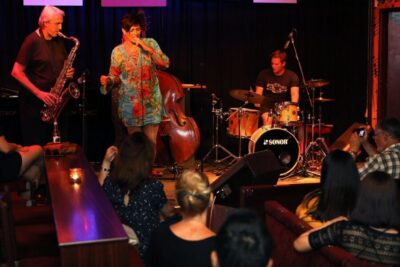

Prague: Jazz Boat Popular Live Jazz Dinner Cruise
Read our review →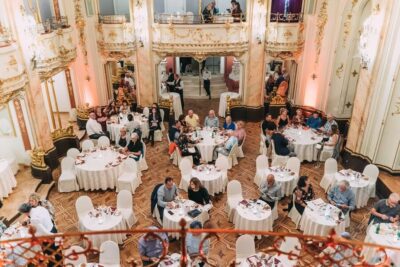
Prague: Mozart Ballroom Concert Ticket with 3-Course Dinner
Read our review →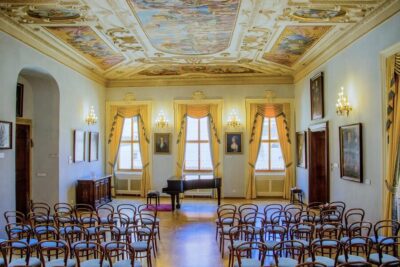
Prague Castle: Midday Classical Concert at Lobkowicz Palace
Read our review →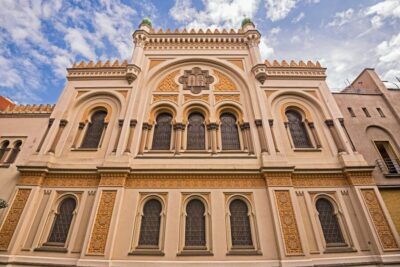
Prague: Classical Concert in the Spanish Synagogue
Read our review →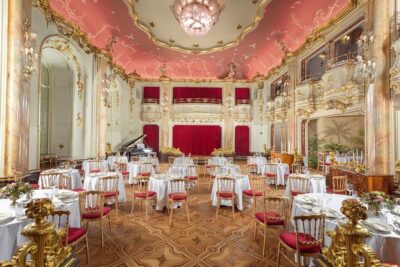
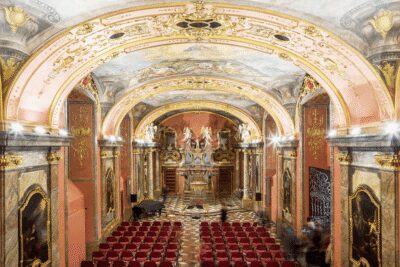
Prague: Mirror Chapel Classical Music Concert Ticket
Read our review →