
Review · SPAIN
Alicante:Evening Spanish Tapas Cooking Class with Live Music
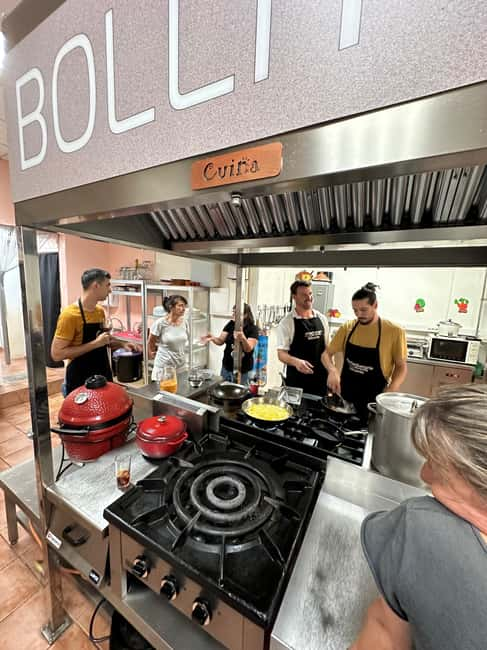
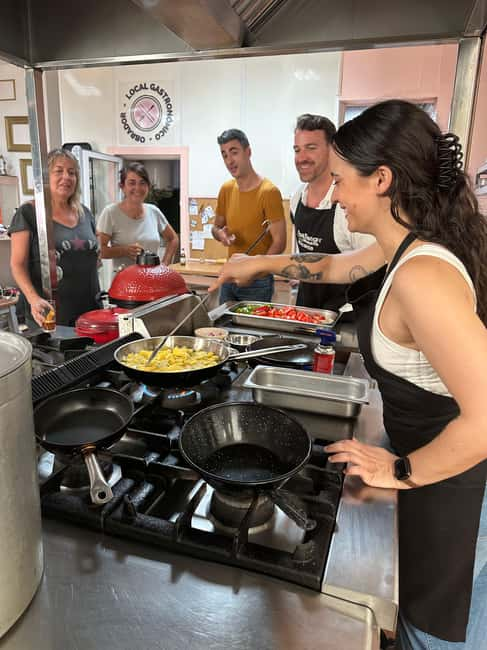
The best part of this Alicante evening is that you do not simply sit down to eat tapas. You help make them, then enjoy the full meal with a drink and live Spanish guitar. I like the use of fresh ingredients from the Central Market and the friendly teaching style, especially when Fred leads the cooking and explains the local stories behind each dish.
I also like the small cultural touches: homemade sangria, a real local kitchen, and recipes you can use at home. The main thing to consider is the group size. One class had about 14 people, so you may spend part of the session watching others cook, and the open shutters can make the room chilly on a cool evening.
Key points at a glance
- Six Spanish dishes: Prepare tortilla de patatas, gazpacho, bacon-wrapped dates, chorizo a la sidra, pork tosta with turrón sauce, and torrija with turrón ice cream.
- Market-fresh cooking: Ingredients come from Alicante’s Central Market, only a few minutes from the venue.
- Dinner is included: Eat the dishes you make, with dessert and one choice of wine, beer, soft drink, or sangria.
- Live guitar to finish: The meal ends with Spanish music rather than a quick goodbye.
- A social class: The evening suits couples, friends, and solo visitors who enjoy meeting people around a shared table.
- Plan for comfort: Bring a light jacket in cooler weather, since the shutters may remain open.
What this Alicante cooking class is really like
This is a two-hour food-and-music evening at Bollitori, a restaurant on Calle Manuel Antón 19. The venue is close to Alicante’s Central Market, which matters because the market is not just a convenient source of ingredients. It gives the meal a clear connection to the city and its everyday food culture.
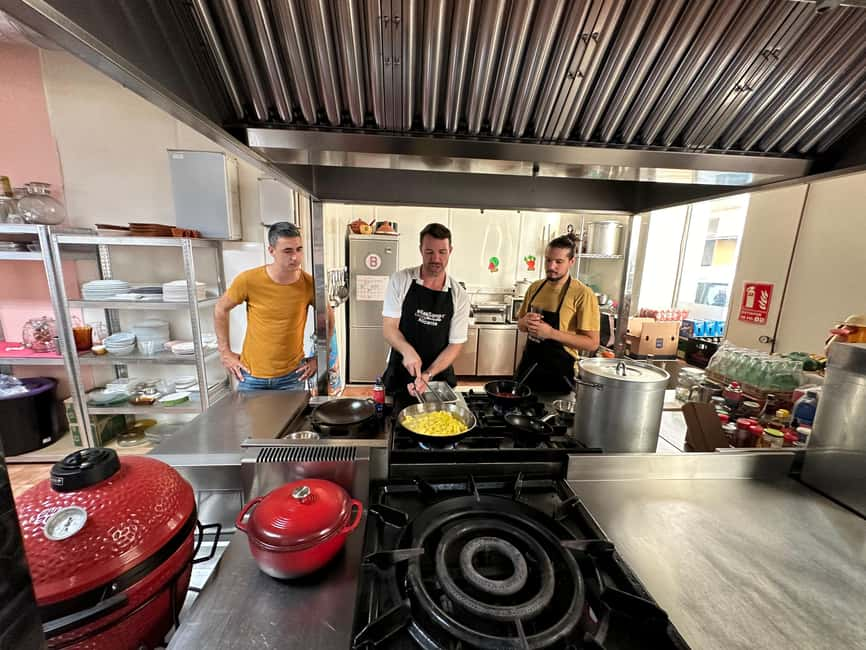
You meet the local chef and host at the restaurant, put on an apron, and work with the equipment provided. Instruction is available in English and Spanish, so you can follow along even if your Spanish is limited. The tone is practical and social: chop, stir, taste, ask questions, and learn why each dish belongs on a Spanish table.
The setup is more intimate than a restaurant demonstration, but it is not guaranteed to be a tiny class. The group can be as large as about 14 people. That means a lively room and plenty of company, but it also means not everyone will handle every step of every dish.
If you want a quiet private lesson, this may not be the right pick. If you like the sound of cooking in a group, sharing food, and ending the night with music, the format works well.
Cooking classes with a soundtrack around Spain:
- Cooking, Dinner & Live Opera in the countryside
★ 5.0 · 42 reviews - Venice: Cooking Class + Guitar Concert at Chef’s Francesco
★ 4.8 · 30 reviews - Naxos: Family Farm-table Cooking, Kouros Tour & Live Music
★ 5.0 · 26 reviews
Starting with tortilla, gazpacho, and Spanish basics
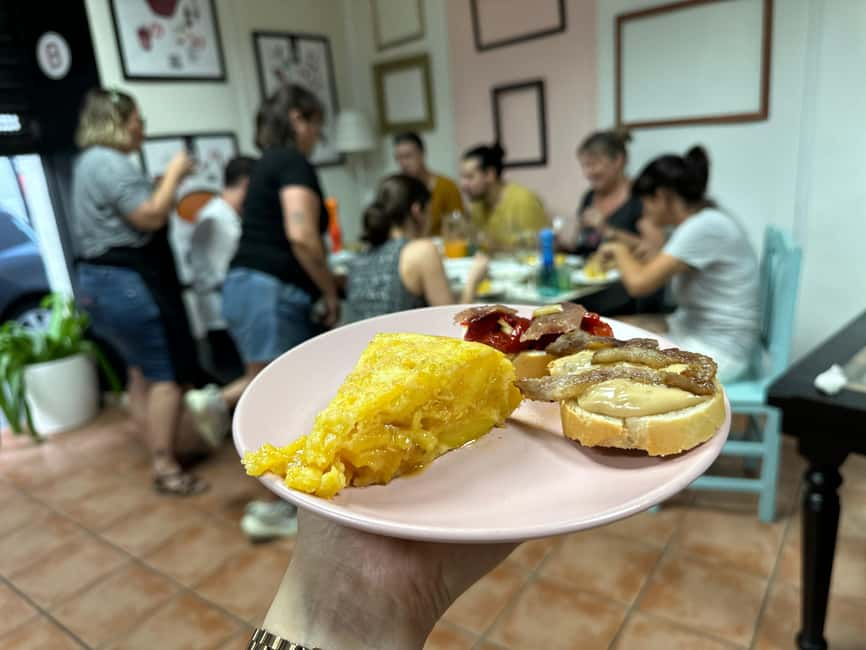
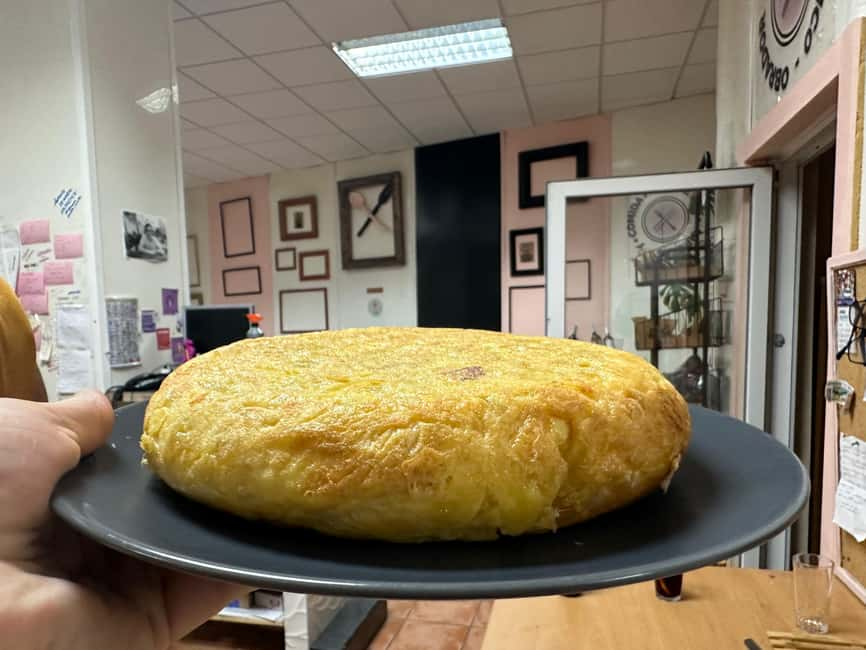
The cooking menu begins with familiar Spanish staples, including tortilla de patatas and gazpacho. These are useful dishes to learn because they show two very different sides of Spanish home cooking.
Tortilla de patatas is a simple combination of potatoes, eggs, and seasoning, yet the method matters. You learn how Spanish cooks turn everyday ingredients into a dish that can be served as a tapa, a light meal, or part of a larger spread. It is also the sort of recipe you can make after returning home without hunting for unusual ingredients.
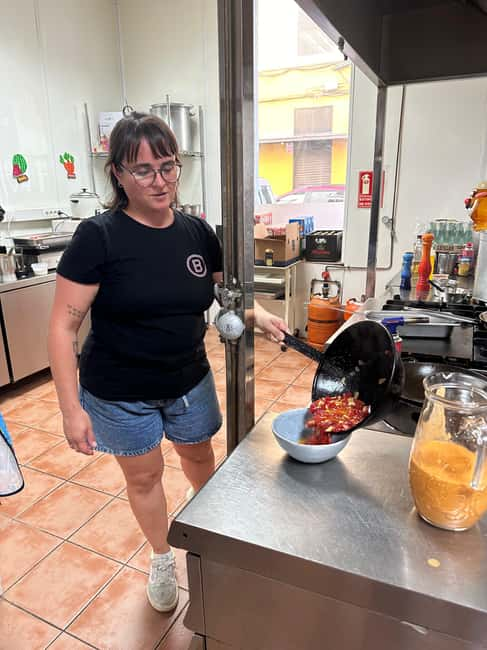
Gazpacho brings a cool, fresh contrast to the tortilla. The class presents it as part of the broader Mediterranean style of eating, where good produce and clean flavors do much of the work. The market connection is especially useful here, since fresh ingredients affect the final taste more than fancy equipment does.
This opening part of the class is likely to appeal to cooks of mixed experience. You do not need advanced skills, and the chef guides you through the work. Still, the group format means that you may not personally perform every task from start to finish.
Bacon-wrapped dates and chorizo a la sidra
The menu then moves toward richer, more festive tapas. Bacon-wrapped dates combine sweet and savory flavors in a small bite, while chorizo a la sidra brings the smoky character of Spanish sausage together with cider.
These dishes help explain why tapas are so good for a shared meal. Each plate offers a different taste and texture, and nobody needs a large serving to feel satisfied. You are not preparing one heavy entrée and waiting around for it to cook. Instead, the class builds a table of small dishes that can be tasted together.
The chef also explains the background and local terms connected with the food. That detail adds value because you leave with more than a list of instructions. You begin to understand how the dishes fit into Spanish eating habits and why they are served in this style.
Keep your expectations realistic about hands-on time. In a larger group, the chef may demonstrate a step while several people watch, then divide tasks among participants. You will be involved, but this is not a private cooking lesson where you control every pan.
Pork tosta with turrón sauce
The pork tosta is one of the more distinctive items on the menu. A tosta is a small piece of toasted bread topped with other ingredients, and here it is paired with pork and a turrón sauce.
Turrón is a Spanish sweet associated with almonds and honey, especially around the Christmas season. Using it in a savory sauce gives the menu a distinctly local twist and shows how Spanish cooks can move familiar ingredients between sweet and savory roles.
This is the sort of dish that makes the class more interesting than a basic tortilla workshop. You get the standard favorites, but you also encounter a combination you may not think to order or prepare on your own. The chef’s explanation is important here, since the story behind the ingredient helps the dish make sense.
The tosta also adds variety to the meal. After the lighter gazpacho and the small bacon-wrapped dates, the pork provides something fuller. You can expect the final dinner to feel like a collection of tapas rather than a formal sequence of courses.
Hands-on music and dance classes around Spain:
- Mango’s Miami: Salsa Lessons, Mojitos, Bites & Live Music
★ 4.7 · 156 reviews - Afro Puerto Rican Folklore Bomba Class and Live Music
★ 4.5 · 55 reviews - Kyoto: Japanese Koto & Shamisen Concert and Koto Class
★ 4.9 · 31 reviews - Cooking Class with Chef Francesco and Live Music in Venice
★ 5.0 · 10 reviews
Torrija with turrón ice cream
Dessert is torrija, often compared with French toast, served with turrón ice cream. It is a comforting finish and keeps the Spanish theme going through the final course.
Torrija is made from bread soaked and cooked in a sweet mixture, though the exact method used in the class is not specified. The comparison with French toast gives you an easy point of reference, but the Spanish version has its own place in local cooking traditions.
The turrón ice cream adds a cool, nutty finish to the warm, soft dessert. For anyone with a sweet tooth, this may be one of the most memorable parts of the menu. It also gives the meal a festive touch without turning the evening into a formal dessert tasting.
You receive copies of all the recipes, so the value continues after the class. The recipes will not recreate the atmosphere of Alicante on their own, but they give you a practical way to bring one part of the evening home.
Dinner, drinks, and live Spanish guitar
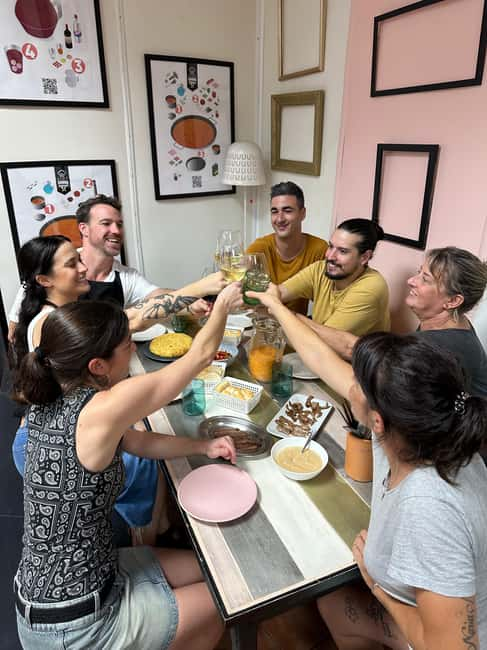
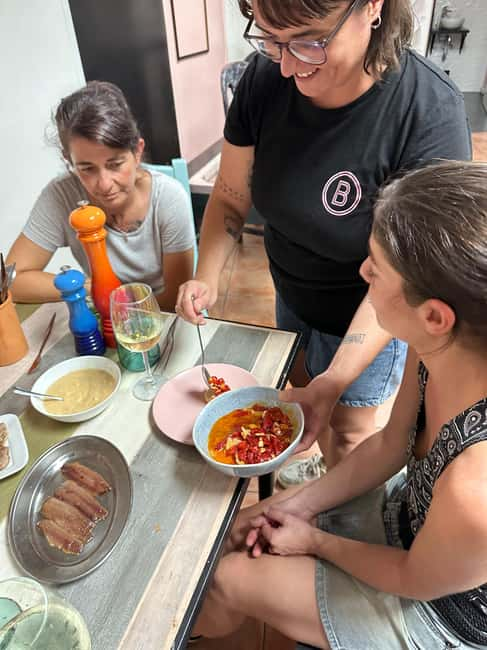
Once the food is prepared, you sit down and eat the dishes together. This is an important part of the experience. You are not rushing from one cooking station to the next and then being sent away. The finished meal is the reward for the work.
One drink is included. You can choose wine, beer, a soft drink, or sangria, including homemade sangria when available. Bottled still water is provided throughout the experience. If you want additional alcoholic drinks, they cost extra and can be added during booking.
The live Spanish guitar comes at the end of the evening. It changes the mood from practical cooking lesson to relaxed social night. One person who leads the class, Fred, also plays in a band, which helps explain the musical finish when he is part of your session.
The music is not a separate concert with a long performance schedule. It is the closing touch to dinner, so think of it as a pleasant ending rather than the main event. If your ideal evening includes food, conversation, and a little music, this balance should suit you.
The Central Market setting and meeting point
Bollitori is at Calle Manuel Antón 19, a short walk from Alicante’s Central Market. The address needs a little care because Calle Manuel Antón is split by the La Lonja parking lot.
When you have the Central Market and the sea behind you, look for the left-hand side of the parking area, near Plaza Músico Óscar Tordera. That detail is worth saving before you go. Simply entering the street name into a map may not make the venue location immediately clear.
The location is convenient if you are already exploring central Alicante. You do not need hotel pickup, since transportation is not included and the class meets directly at the restaurant. Give yourself enough time to find the correct side of the parking area rather than arriving at the last minute.
The nearby market also helps place the food in context. You are cooking with ingredients sourced there that morning, not working from a generic prepared kit. The class remains indoors, but the market gives the evening a direct link to local shopping and daily life.
Group size, comfort, and the hands-on question
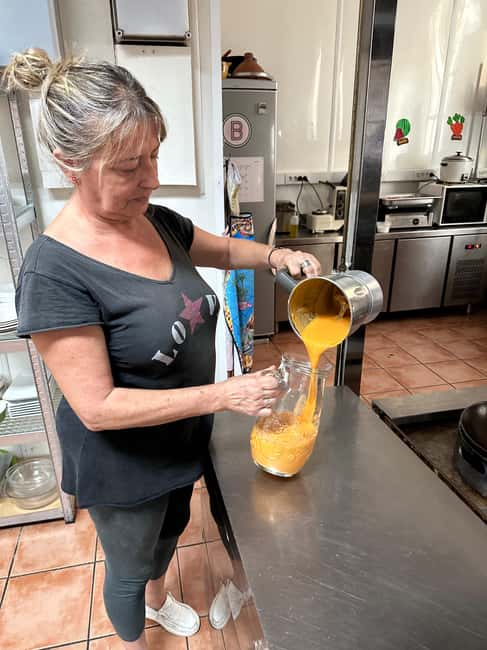
The group size can shape your experience more than the menu does. In one session, about 14 people took part. That is large enough to create a cheerful social atmosphere, but it can limit how much chopping, stirring, and cooking each person handles.
You may stand and watch while another participant completes a step. If you want to be active, speak up and ask the chef where you can help. The staff are described as friendly and helpful, so taking initiative should make it easier to get involved.
At quieter times of year, the class may be very small. Two people once had the cooking session to themselves, and the class still went ahead. A small group gives you much more direct contact with the chef and more control over the preparation.
Temperature is another practical point. The shutters may stay open, and one February evening felt chilly inside. Bring a light jacket if you are attending in winter or on a cool night. You will be sitting and eating as well as moving around, so comfort matters.
Vegetarian, gluten-free, and allergy-friendly options are available with advance notice. You should provide those details when booking rather than waiting until you arrive. The supplied information does not specify the substitute dishes, so ask ahead if you need to know the exact menu.
Is $42 a fair price?
At $42 per person, the price is reasonable for a two-hour evening that includes instruction, a full tapas dinner, dessert, one drink, water, kitchen equipment, an apron, recipes, and live guitar.
The value is better than the price of a simple meal because you are also paying for the activity and the guide’s explanations. You learn several recipes, eat the results, and take the instructions home. If you were already planning to have dinner in Alicante, the class combines that meal with a cultural activity.
The value depends on what you want from cooking time. Someone seeking a serious private lesson may feel the group format limits the hands-on work. Someone who mainly wants an enjoyable evening with food, conversation, and music is likely to find the package fair.
Extra alcoholic drinks cost more, so the advertised price is not the final amount if you plan to order several drinks. Still, one included drink is enough to complete the meal without making extras necessary.
Who should book this evening?
I would recommend this class to couples looking for a relaxed date night, friends who enjoy cooking together, and solo visitors who like social activities. The shared table and group kitchen make it easier to meet people than a standard restaurant dinner.
It also suits visitors who want a practical introduction to Spanish food. You do not need to know much about cooking, and the recipes are familiar enough to use at home. The menu offers a good spread of textures and flavors without asking you to commit to one large dish.
Families may enjoy it, but the available information does not give a minimum age or child policy. Check those details before booking if you are traveling with children.
This is less suitable if you want a fast, polished dinner with no participation. You will be standing, preparing food, waiting for group steps, and sharing the work. The reward is the atmosphere and the connection to local food, not speed.
Booking is flexible, with free cancellation up to 24 hours before the start and a reserve-now, pay-later option. The class is wheelchair accessible, though you may still want to confirm the exact seating and kitchen arrangement if you have specific access needs.
Should you book the Alicante tapas class?
Book it if you want more than a meal. The combination of Central Market ingredients, a local chef, recipes, sangria, and live guitar gives you a well-rounded Spanish evening for $42.
Go in expecting a social group class, not a private lesson. Bring a jacket in cool weather, arrive carefully at Bollitori, and tell the provider about dietary needs in advance. If those points work for you, this is a tasty and practical way to spend an evening in Alicante.
FAQ
Where does the cooking class meet?
It meets at Bollitori, a restaurant at Calle Manuel Antón 19 in Alicante, a few minutes from the Central Market. The street is split by La Lonja parking lot, and the venue is on the left side when you have the market and sea behind you, near Plaza Músico Óscar Tordera.
How long does the experience last?
The cooking class and meal last two hours. Starting times vary, so check availability for the date you want.
Which dishes will I prepare?
The menu includes tortilla de patatas, gazpacho, bacon-wrapped dates, chorizo a la sidra, pork tosta with turrón sauce, and torrija with turrón ice cream.
Is a drink included?
Yes. You receive one wine, beer, soft drink, or sangria, along with bottled still water. Additional alcoholic drinks cost extra.
Can dietary requirements be accommodated?
Vegetarian, gluten-free, and allergy-friendly options are available with advance notice. Tell the provider about your requirements when booking.
Is the activity available in English?
Yes. The chef and host provide instruction in English and Spanish. The activity is also wheelchair accessible.
Evening shows around Spain
- Barcelona: Sunset Catamaran Cruise with Live Music
★ 4.7 · 3,024 reviews - Barcelona: Sunset Sailing Cruise with Live Music
★ 4.2 · 1,787 reviews - Barcelona Sunset Live Jazz Music Cruise
★ 4.5 · 740 reviews - Sunset Sailing in Barcelona & Live Music by Aperol
★ 4.0 · 157 reviews
Just reviewed around Spain
- Valencia: NOLA Jazz Sessions★ 4.4 · 9 reviews
- Secret Concert and Tasting in Valencia★ 5.0 · 7 reviews
- Spanish Guitar Concerts in Ronda★ 5.0 · 26 reviews
- Afterwork on Catamaran with Live Music from Port Olimpic★ 5.0 · 3 reviews
- Classical Concert in Basilica: Vivaldi -The Four Seasons and more★ 5.0 · 12 reviews
- Sunset Catamaran Cruise with Live Music in Barcelona★ 4.0 · 60 reviews
- Ballroom Dancing with Live Orchestra Ticket in Carrer del Tigre★ 3.5 · 5 reviews
- Ronda: Spanish – Classical & Flamenco – Guitar Concert★ 4.8 · 108 reviews
Spain Live Music: the closest alternatives.
Barcelona: Sunset Catamaran Cruise with Live Music
Read our review →
Barcelona: Catamaran Cruise with optional Live Jazz Music
Read our review →
Barcelona: Sunset Sailing Cruise with Live Music
Read our review →
Palma: Caves of Drach Entrance, Music Concert, and Boat Trip
Read our review →

Tenerife: History The Evolution of Music Show Entry Ticket
Read our review →
Barcelona: Classical Music Concert of Vivaldi, Mozart & More
Read our review →
This show also appears in