
Review · PRAGUE
Prague: Classical Music Concert at Rudolfinum
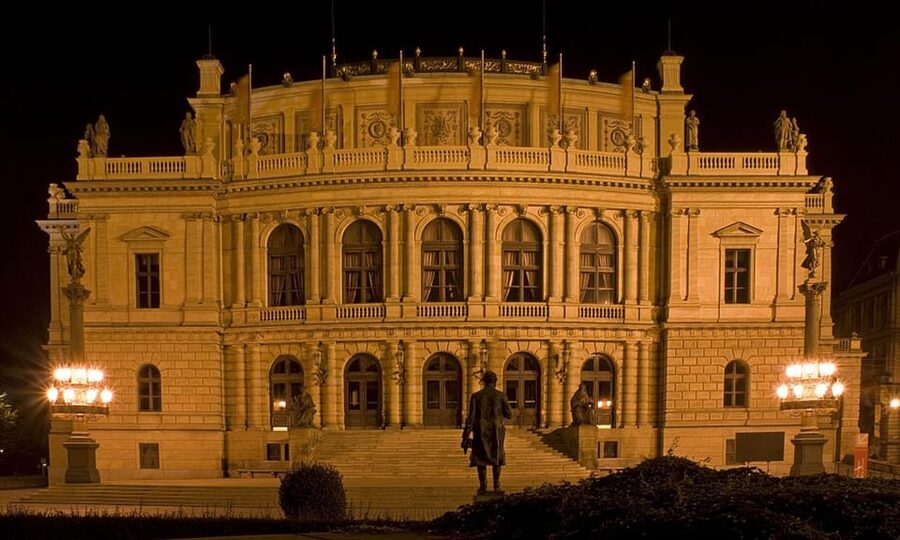
Prague’s Rudolfinum gives this concert its real appeal. You are not simply checking famous composers off a program. You are hearing familiar music inside one of the city’s most important cultural buildings, in the smaller Suk Hall rather than a huge, anonymous auditorium. The 65-minute format also fits neatly into an evening of sightseeing.
I like the strong Czech connection, especially the appearance of acclaimed mezzo-soprano Stanislava Jirků and violinist Vlastimil Kobrle, concertmaster of the Czech Radio Symphony Orchestra. I also like the easy value: at $39 per person, you get a printed program and a concentrated set of crowd-pleasing works. The main consideration is the short running time. This is a compact sampler, not a full-length symphony concert, and the soloists can change by date.
Key points
- Rudolfinum setting: Hear the concert in the intimate Suk Hall, named for Czech composer Josef Suk.
- Familiar masterpieces: The program can include Vivaldi’s Four Seasons, Beethoven’s Fifth, Mozart, Bach, Handel, Bizet, Ravel, Pachelbel, and Smetana.
- Notable soloists: Stanislava Jirků may perform mezzo-soprano parts, with violin by Vlastimil Kobrle or Petr Zdvihal, depending on the date.
- Short and central: The concert lasts 65 minutes and ends back at the Rudolfinum entrance.
- Good price point: A $39 ticket is reasonable for a historic venue, live Czech musicians, and a printed program.
- Useful flexibility: You can cancel up to 24 hours ahead for a full refund, and reserve now while paying later.
Why Rudolfinum Makes the Concert Worthwhile
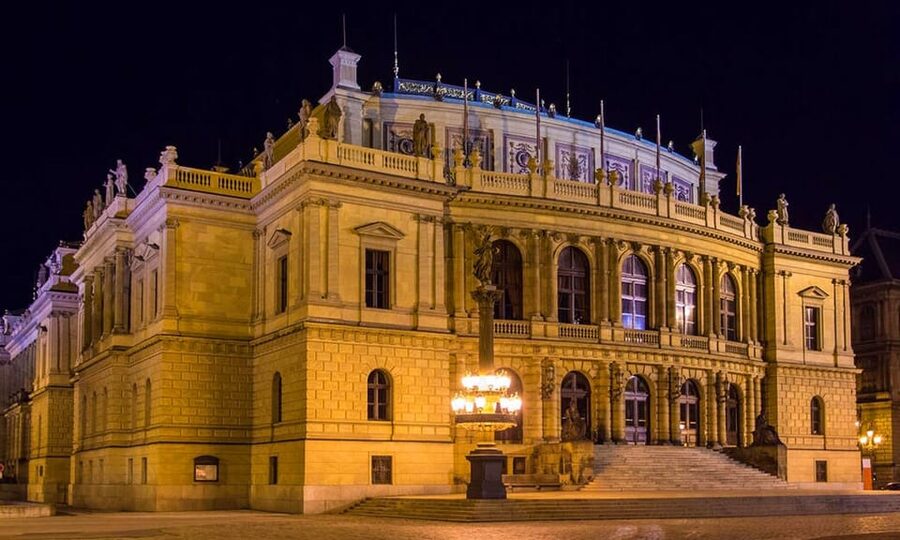
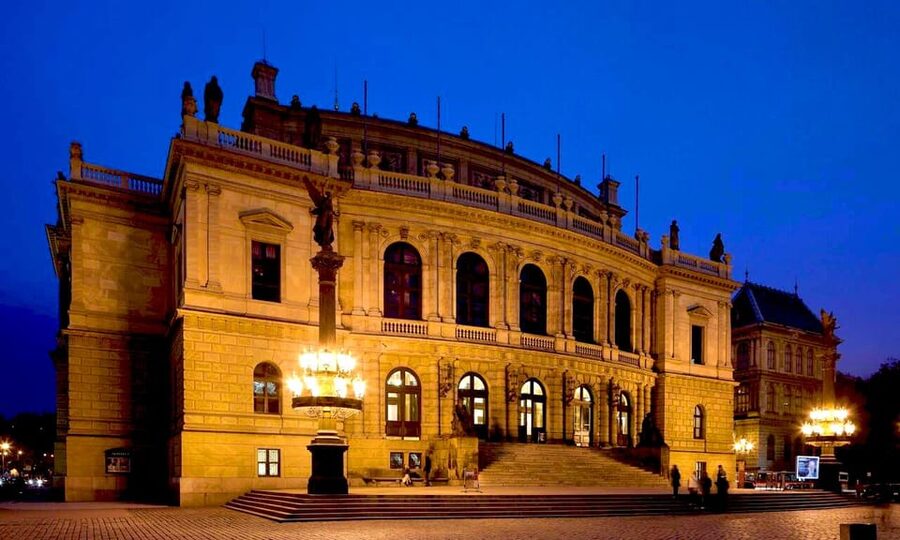
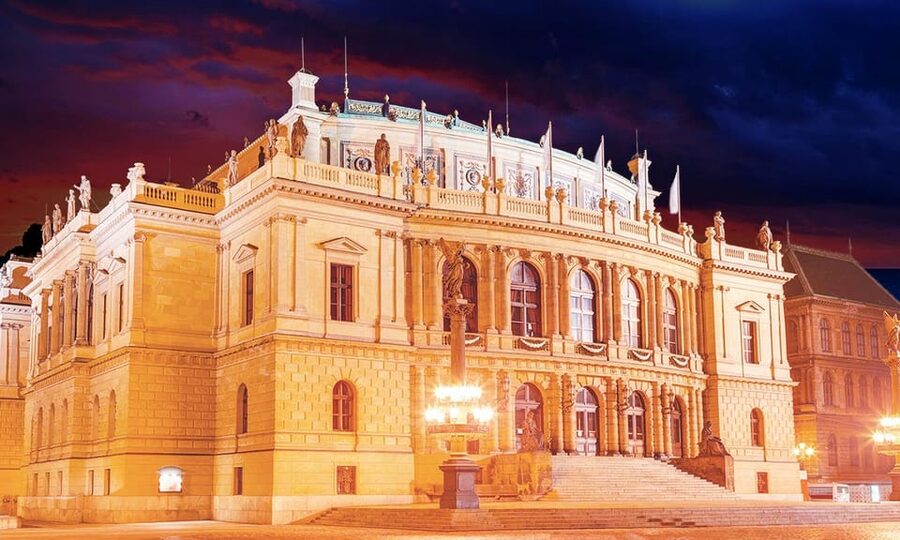
Rudolfinum sits in central Prague, close to the city’s main sights and cultural district. The building has served as a major home for music and the arts for more than a century, so the setting carries real weight before the first note begins.
You enter through the entrance on the left side of the building. The concert takes place in Suk Hall, a smaller space named for Josef Suk, one of the Czech composers most closely tied to the country’s musical tradition. Its intimate scale should appeal to you if you prefer a close, focused performance over the grand distance of a giant concert hall.
The venue is part of the experience, but it does not replace the music. That matters here because the program relies on pieces you may already know. Rudolfinum gives those works a proper Prague setting without requiring you to commit an entire night to an unfamiliar modern composition.
More Classical Concerts in Prague
- Prague: Entry Ticket Classical Concert at the Mirror Chapel
★ 4.7 · 4,636 reviews - Prague: Mozart Ballroom Concert Ticket with 3-Course Dinner
★ 4.8 · 1,200 reviews - Prague Castle: Midday Classical Concert at Lobkowicz Palace
★ 4.6 · 1,106 reviews
The 65-Minute Program, Piece by Piece
The program moves quickly through well-known works from the Baroque, Classical, Romantic, and later periods. The supplied program lists Vivaldi’s The Four Seasons, specifically Spring and Summer, followed by Handel’s Largo from Xerxes, Pachelbel’s Canon and Gigue, Mozart’s Salzburg Symphony K. 136, Bizet’s Habanera from Carmen, Ravel’s Bolero, Beethoven’s Fifth Symphony, and Smetana’s Vltava.
That is a lot of music in 65 minutes. You get memorable themes rather than complete performances of several large works. I see this as a strength if you want a lively introduction to classical music, though a serious concertgoer may find the excerpts less satisfying than a complete symphony or concerto.
Vivaldi’s Four Seasons
The program opens with Spring and Summer from Vivaldi’s The Four Seasons. These are among the easiest classical works to recognize, thanks to their clear images and energetic violin writing.
The violin solo gives this portion of the concert its main focus. Depending on your date, you may hear Vlastimil Kobrle or Petr Zdvihal. Kobrle is identified as concertmaster of the Czech Radio Symphony Orchestra, while Zdvihal is listed for the September and October 2024 schedule.
Because only two seasons are included, you receive the brighter, more active half of the cycle rather than the full work. That keeps the concert moving, but you should not expect all four concertos.
Handel’s Largo and Pachelbel’s Canon
Handel’s Largo from Xerxes brings a slower, more reflective pause after Vivaldi’s animated opening. It is a useful change of pace, especially for anyone who likes the singing quality of string music without a large vocal production.
Pachelbel’s Canon and Gigue in D follows with another highly familiar work. The Canon is often heard at formal ceremonies, but live strings in a historic Prague hall give it a different setting. The Gigue adds a brisker close to the pairing.
Same city, a different kind of sound:
- Prague: Concert at Reduta Jazz Club
★ 4.5 · 2,170 reviews - Prague: Jazz Boat Popular Live Jazz Dinner Cruise
★ 4.7 · 1,887 reviews - Prague: Classical Concert in the Spanish Synagogue
★ 4.7 · 1,104 reviews - Jazz Boat: Popular LIVE JAZZ dinner cruise
★ 4.5 · 1,009 reviews
Mozart’s Salzburg Symphony K. 136
Mozart’s Salzburg Symphony K. 136 is listed with the Allegro movement. This is concise, bright Classical-era music, with clean lines and a lighter feel than Beethoven’s later drama.
For you, it works as a bridge between the graceful Baroque selections and the stronger emotional punch of the second half. Since only the Allegro is listed, the program again offers a focused excerpt rather than the whole symphony.
Bizet’s Habanera
The Habanera from Bizet’s Carmen brings the voice into the program. Stanislava Jirků is the key name connected with the vocal portion. She is a soloist from the Czech National Theatre and has performed with ensembles including the BBC Symphony Orchestra, the Czech Philharmonic, and the Prague Philharmonic Orchestra.
This is one of the concert’s more distinctive features. The program is not only an instrumental greatest-hits collection. Jirků’s mezzo-soprano gives it an operatic moment, though the exact vocal lineup depends on your date.
Ravel’s Bolero
Ravel’s Bolero is built around repetition. The same rhythm and theme return with increasing force, making it one of the most immediately accessible pieces in the program.
In a 65-minute concert, this is a smart selection. You do not need background knowledge to follow the gradual build. If you prefer variety and rapid changes, the repetition may feel long compared with the other excerpts. If you like the tension of a piece gathering strength, it can be one of the evening’s most enjoyable moments.
Beethoven’s Fifth Symphony
The familiar four-note opening of Beethoven’s Fifth gives the program its strongest dramatic jolt. The listed selection is the first movement, marked Allegro, rather than the complete symphony.
That distinction is worth keeping in mind when you book. You will hear one of classical music’s most famous openings and a compact, forceful movement, but not the later sections that complete Beethoven’s larger arc.
Smetana’s Vltava
Smetana’s Vltava, also known as The Moldau, brings a direct Czech note to the finale. It is the program’s clearest connection to the country, and it gives the concert a fitting local finish after its tour through Italian, German, Austrian, French, and Czech music.
I especially like ending with Smetana. You hear a piece tied to Czech identity in one of Prague’s major cultural buildings, which makes the event feel more connected to its location than a program made only of international standards.
Stanislava Jirků and the Violin Solo
The named performers add more interest than the composer list alone. Stanislava Jirků is presented as an acclaimed Czech mezzo-soprano and a soloist with the Czech National Theatre. Her international work includes appearances with major orchestras in Britain and the Czech Republic.
The violin part is assigned to different musicians by date. Vlastimil Kobrle is described as a highly regarded Czech violinist and concertmaster of the Symphony Orchestra of Czech Radio. The September 19, September 20, and September 22, 2024 dates list Petr Zdvihal instead, and the October 2024 dates list Petr Zdvihal for violin.
The supplied schedule also changes the mezzo-soprano. September 19 and 20 list Stanislava Jirků. September 22 lists Veronika Hajnová. October lists Petr Zdvihal for violin without naming a mezzo-soprano.
Check the date-specific details before you pay if a particular performer matters to you. The music program is the main product, but these names can make one date more appealing than another.
Is $39 a Fair Price?
At $39, this is a sensible buy for a short evening activity in central Prague. Your ticket includes entry and a printed concert program, and you receive a live performance in the Rudolfinum rather than a casual background-music setting.
The value depends on what you want. If you are looking for a full symphony concert with every movement performed, this is not the right comparison. The 65-minute program is made of selected movements and famous pieces, so the price pays for a polished sampler and a notable venue.
I would find the cost especially reasonable for a first classical concert. You can hear music by Vivaldi, Handel, Pachelbel, Mozart, Bizet, Ravel, Beethoven, and Smetana without needing to plan a long formal evening. It also works well if you want something after dinner that does not consume the rest of your night.
The printed program is a small extra, but a useful one. It lets you follow the sequence and place each piece in context while you listen.
Planning Your Visit to Suk Hall
Allow time to reach Rudolfinum in central Prague, then use the entrance on the left side of the building. The event begins and ends at the same location, so there is no separate meeting point or transport arrangement to manage.
The start time varies. You need to check availability for the date you want rather than assume a fixed hour. That makes the concert easy to fit around sightseeing, but it also means you should confirm the time before arranging dinner or another evening booking.
The activity is wheelchair accessible. Unaccompanied minors are not allowed, so children must attend with an accompanying adult.
You can cancel up to 24 hours in advance for a full refund. The reserve-now-and-pay-later option also helps if you are still sorting out your Prague schedule, though you should still check the final payment terms shown for your booking.
Who Will Enjoy This Concert Most?
I would choose this concert for you if you like recognizable classical music, want a traditional Prague cultural evening, or have limited time. The short format avoids the commitment of a full concert while still giving you a proper hall and professional Czech musicians.
It also suits first-time classical listeners. The program supplies instant entry points: The Four Seasons, Carmen, Bolero, Beethoven’s Fifth, and Vltava all have memorable themes. You do not need to study the composers in advance to enjoy the evening.
Opera fans have an extra reason to consider it because Stanislava Jirků or another listed mezzo-soprano may appear. Check your date, since the vocal soloist changes.
I would hesitate if you want a complete, carefully developed performance of one major work. The many selections are designed for breadth. You get the highlights, not the full musical journey of each piece.
Should You Book It?
Book this Rudolfinum concert if you want a compact, fairly priced introduction to classical music in Prague. The setting is special, the program is packed with familiar works, and the Czech performers give the evening a local connection.
Before booking, check the exact date and soloists. Vlastimil Kobrle, Petr Zdvihal, Stanislava Jirků, and Veronika Hajnová are not all scheduled on every date. If you accept the short excerpt-based format, this is an easy cultural addition to a Prague evening. If you want a complete symphony concert, choose a longer performance instead.
FAQ
How long does the Rudolfinum concert last?
The concert lasts 65 minutes.
What music is performed?
The listed program includes Vivaldi’s The Four Seasons, Handel’s Largo from Xerxes, Pachelbel’s Canon and Gigue in D, Mozart’s Salzburg Symphony K. 136, Bizet’s Habanera from Carmen, Ravel’s Bolero, Beethoven’s Fifth Symphony, and Smetana’s Vltava.
Where does the concert take place?
The concert takes place in Suk Hall at Rudolfinum in central Prague. Use the entrance on the left side of the building.
Which soloists perform?
The listed soloists include mezzo-soprano Stanislava Jirků, mezzo-soprano Veronika Hajnová, violinist Vlastimil Kobrle, and violinist Petr Zdvihal. The performers depend on the date.
Is the concert wheelchair accessible?
Yes, the activity is wheelchair accessible.
Can I cancel my booking?
Yes. You can cancel up to 24 hours in advance for a full refund. A reserve-now-and-pay-later option is also available.
Just reviewed around Prague
- Organ Concert in St Francis Church Admission Ticket★ 4.5 · 88 reviews
- Prague Super Saver: Lobkowicz Palace Concert plus Lobkowicz Palace Museum Entrance Ticket★ 4.5 · 77 reviews
- Prague Old Town Tour with a Classical Concert★ 5.0 · 7 reviews
- Wednesday Night Live Music and Cocktails Ticket in Kontakt Bar★ 4.0 · 7 reviews
- Lobkowicz Palace Concert in Prague Ticket★ 4.5 · 90 reviews
- Prague Reduta Jazz Club with Concert Ticket★ 4.0 · 42 reviews
- Classical Concert in St. Nicholas Church★ 3.0 · 39 reviews
- Classical Concert in Spanish Synagogue★ 4.5 · 97 reviews
Prague Live Music: the closest alternatives.
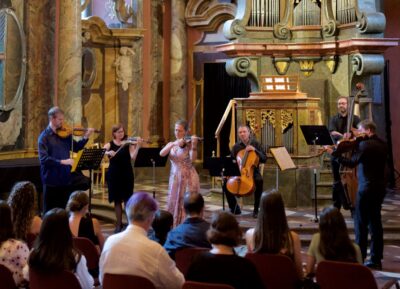
Prague: Entry Ticket Classical Concert at the Mirror Chapel
Read our review →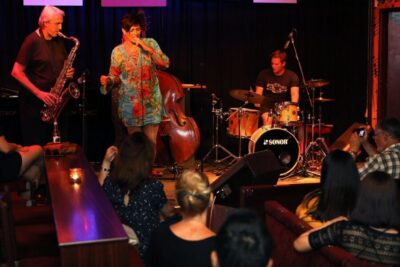

Prague: Jazz Boat Popular Live Jazz Dinner Cruise
Read our review →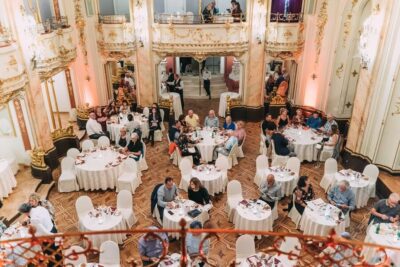
Prague: Mozart Ballroom Concert Ticket with 3-Course Dinner
Read our review →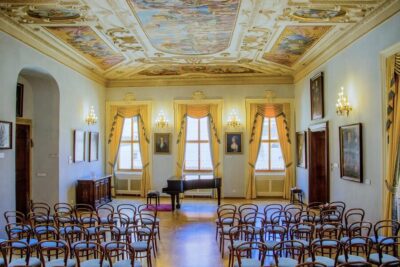
Prague Castle: Midday Classical Concert at Lobkowicz Palace
Read our review →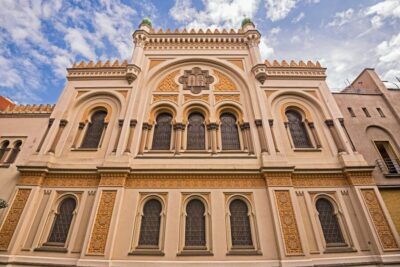
Prague: Classical Concert in the Spanish Synagogue
Read our review →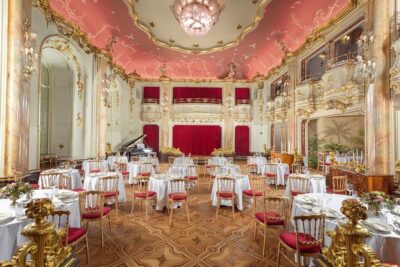
This show also appears in