
Review · BERLIN
Berlin: Historical Walking Tour with Live Music
Berlin’s past is often told in dates, ruins, and heavy slabs of stone. This tour adds something unexpected: live music at the landmarks themselves. Axel Glorvigen walks you from Pariser Platz to Checkpoint Charlie, using guitar, singing, and violin to connect Berlin’s monuments with Nazi propaganda, David Bowie, and East German resistance songs.
I like the route because it covers several of central Berlin’s key sights in one compact outing, and I like the way the music gives each stop a human voice rather than another dry lecture. The main drawback is simple: this is a 2.5-hour walking tour, so poor weather or uncomfortable shoes could take the shine off the experience.
Key points to know before booking
- Songs tied to specific places: Music is used to explain the Brandenburg Gate, Holocaust Memorial, Berlin Wall, and Checkpoint Charlie.
- A personal guide with several instruments: Axel Glorvigen leads the tour with guitar, singing, and violin.
- A useful central Berlin route: The walk begins at Pariser Platz and finishes at Checkpoint Charlie.
- History beyond dates and battles: Topics include Nazi propaganda bands, Bowie’s 1970s Berlin, and East German songwriters who resisted official rule.
- Low-cost sightseeing: At $12 per person, the tour offers 2.5 hours of guiding and live performance without transport costs.
- Plan for the pavement: Bring good shoes, check the weather, and meet in front of the Starbucks at Pariser Platz.
Why music changes the way you see Berlin
Berlin has no shortage of history tours. Many move from one famous site to the next, giving you a quick account of kings, dictators, war, and the Cold War. This experience takes a different path. It asks you to connect places with sound.
That matters in Berlin because music has often carried ideas that could not be spoken safely or openly. The tour looks at how the Nazis used propaganda bands, how musicians worked under East Germany’s political system, and how David Bowie drew on the city during the 1970s. These are not random songs added for entertainment. The music is meant to explain how people lived with power, fear, division, and change.
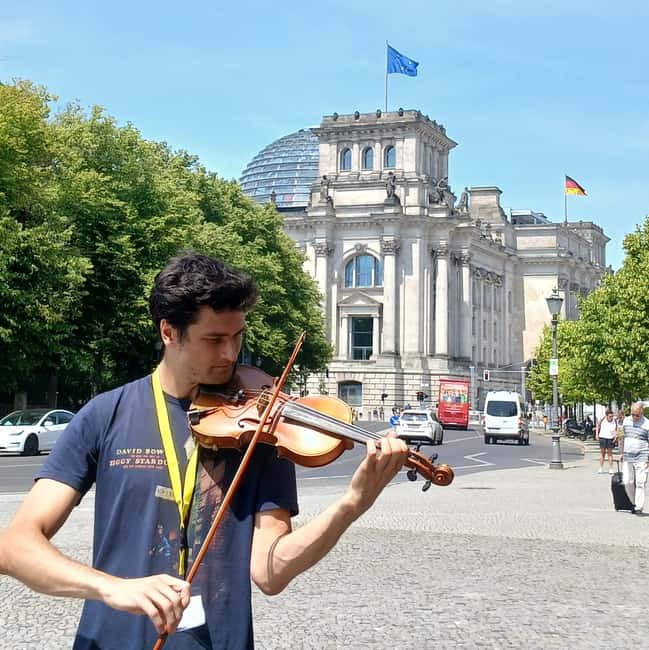
Axel Glorvigen is both guide and performer. The supplied details identify him as the person leading the walk, and the meeting-point instruction is pleasingly old-fashioned: find the guide carrying a guitar. Several people who took the tour singled out his musical ability, his clear presentation, and the way the songs matched the subject being discussed.
You should not expect a concert with a little sightseeing attached. The format is still a guided city walk, with stops for explanation and visual context. The music is the unusual thread running through it.
Music with a history lesson around Germany:
- Porto: An Intimate Fado Show in a Historical Tavern
★ 4.8 · 2,055 reviews - Vienna Mozart Concert in Historical Costumes at the Musikverein
★ 4.5 · 888 reviews - Tenerife: History The Evolution of Music Show Entry Ticket
★ 4.8 · 620 reviews
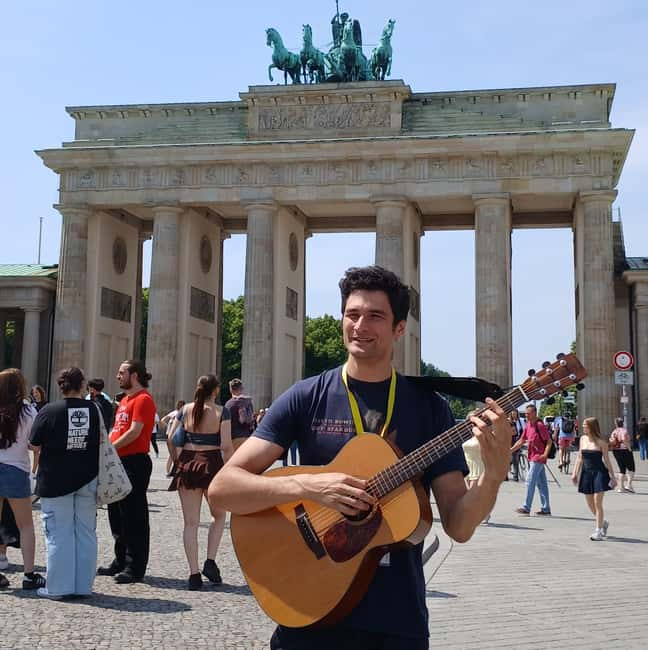
Starting at Pariser Platz and the Brandenburg Gate
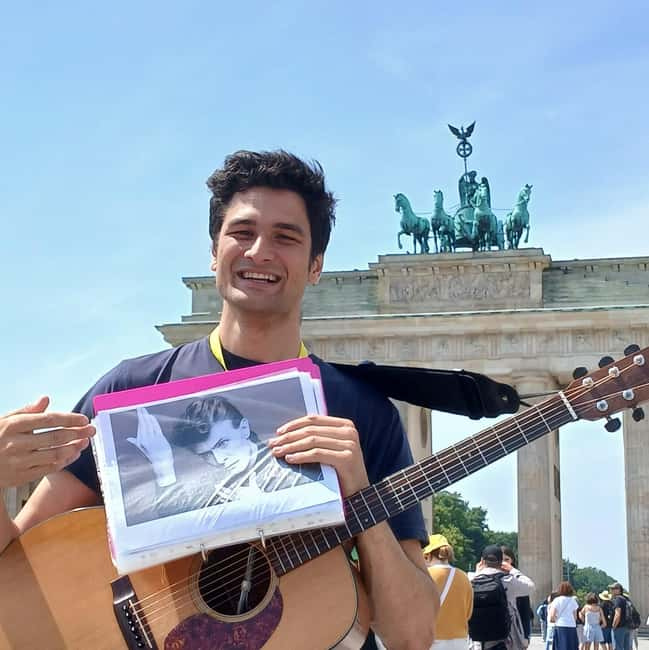
Meet Axel in front of the Starbucks at Pariser Platz. This is a practical spot in one of Berlin’s best-known central squares, and the guitar gives you an easy way to identify the guide.
The Brandenburg Gate is the first major stop, with about 20 minutes set aside for sightseeing. It is one of Berlin’s most recognizable symbols, but its meaning has shifted over time. It has served as a royal entrance, a backdrop for political power, and a symbol of a divided city before becoming an image of reunification.
The musical approach should help you avoid seeing the gate as just a handsome row of columns. At this point, Axel connects the site to Berlin’s wider political story, using a live song to make the history more immediate. The supplied description does not name the exact song choices, so you should come ready for a themed performance rather than a fixed concert program.
This stop also sets the pace for the rest of the walk. You will listen, look at the buildings and public spaces around you, then move on. If you prefer a guide who talks continuously while walking, this may feel slower. I see the pauses as useful, since Berlin’s central sights need time to register.
At the Holocaust Memorial, silence and responsibility
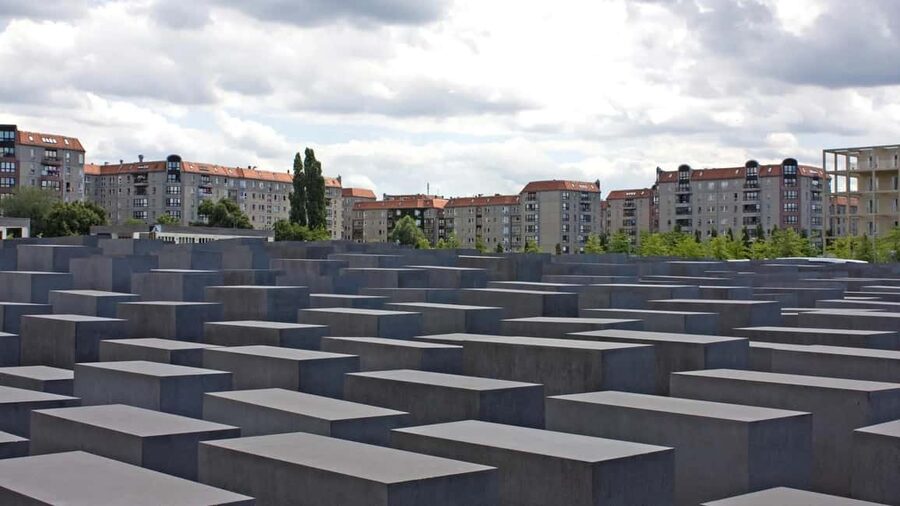
The next listed stop is Berlin’s Memorial to the Murdered Jews of Europe, commonly called the Holocaust Memorial. About 20 minutes are planned here.
This is a place where tone matters. The field of concrete blocks is powerful, but it can also invite shallow explanations if a tour rushes through it. A music-based walk has to handle the setting with care, and this stop is likely to be less about entertainment than about using sound and memory to frame the Nazi period.
The tour description specifically links the overall experience to propaganda bands under the Nazis. That is a useful subject because it shows how music can serve power. Music was not always a private escape or an act of resistance. It could also be used to shape public feeling, support official messages, and create a sense of unity around a destructive political system.
I would pay close attention here to the balance between performance and explanation. The live song is intended to bring the story closer, but the memorial itself deserves quiet and respect. You will have roughly 20 minutes, enough for an introduction and a thoughtful look, but not enough for a long museum-style study of the Holocaust.
This is one reason I would not treat the tour as a complete Berlin history course. It gives you a strong overview and a distinctive way into difficult subjects. You will still need more time at Berlin’s major museums and memorial sites if you want detailed historical study.
Following the Berlin Wall and the sound of a divided city
The route then continues to a Berlin Wall stop, with about 20 minutes of sightseeing. The exact section is not specified, so the experience is not presented as a visit to a named museum or preserved watchtower. You will hear about the Wall in the wider setting of Berlin’s division.
Here the music brings in East German songwriters who resisted the regime. That topic gives the tour a more personal Cold War angle. The Wall was concrete and political, but life on each side also involved choices about speech, art, work, and public identity. Songwriters could express doubt, criticism, or longing in ways that were sometimes less direct than a political speech.
The value of this stop is the link between a physical barrier and the inner life of people living with it. You are not only looking at where Berlin was split. You are hearing how musicians responded to a system that controlled public life.
The tour also includes David Bowie’s connection to 1970s Berlin. Bowie’s time in the city has become part of Berlin’s cultural story, and the subject offers a change of mood after the Nazi and Cold War material. It shows the city as a place where artists found inspiration in tension, uncertainty, and change.
You should keep your expectations realistic. The description promises a discussion of Bowie and live music, not an extended study of his career or a visit to a specific recording studio. Still, this is a smart inclusion. It prevents the tour from treating Berlin only as a memorial to political tragedy.
Other concerts and shows we rate around Germany
- Dresden: Gala Concert in the Dresden Zwinger
★ 4.7 · 1,510 reviews - Berlin: Classical Concert at Kaiser Wilhelm Memorial Church
★ 4.6 · 387 reviews - Munich: Classical Concert at the Residenz Palace
★ 4.6 · 299 reviews - Munich: Concert in the Court Chapel of the Residenz
★ 4.4 · 108 reviews
Finishing at Checkpoint Charlie
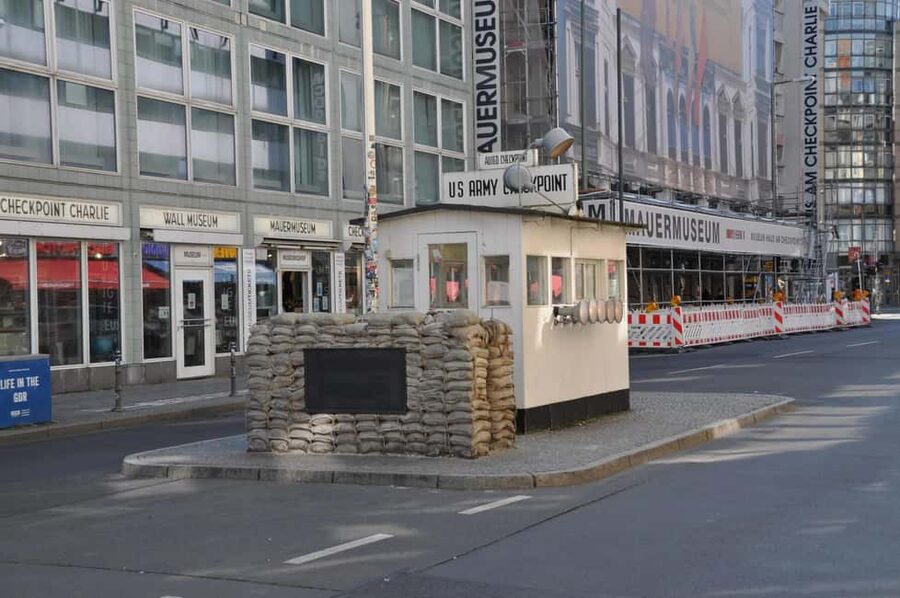
The walk ends at Checkpoint Charlie, one of the most famous names connected with the Cold War. It was a crossing point between East and West Berlin, and today it is a busy city sight with a strong symbolic pull.
Checkpoint Charlie can be a frustrating place if you expect an untouched historical setting. The tour data does not promise a museum admission or a preserved border complex. Instead, the stop is part of the outdoor route, where Axel can use the location to explain the city’s division and the meaning attached to the crossing.
Ending here makes sense. The route moves from the Brandenburg Gate, through the Nazi period and the Holocaust Memorial, toward the Wall and the Cold War. Checkpoint Charlie gives the walk a clear final point and leaves you near other central Berlin sights.
The finish is also practical. Because the whole experience is walked, you do not need to arrange a bus, train, or taxi between the stops. You can continue exploring on foot after the tour, though the activity itself does not include extra visits or transport.
What the $12 price really gives you
At $12 per person, this is an inexpensive way to spend 2.5 hours in central Berlin. The value is strongest if you want three things at once: a basic city orientation, an English history introduction, and live music connected to the sites.
You are not paying for entry to a museum, a meal, or transport. The listed experience includes the walking tour and performance, so there should be no added sightseeing cost during the route. That keeps the price easy to understand.
The low cost also means you should judge the tour by what it offers, not by comparing it with a full-day specialist program. It gives you an overview rather than exhaustive detail. If you want long discussions of military history, architecture, or Nazi Germany, another tour may suit you better. If you want a memorable introduction with a creative format, the price is appealing.
The strongest value comes from Axel’s combination of skills. Several comments specifically praised his knowledge of Berlin’s past, his clear explanations, and his ability to connect each song to the point being discussed. One particularly useful observation was that the more singing, the better. That tells you what makes this tour different from a standard walking route.
The walking conditions and practical planning
The tour lasts 2.5 hours and is fully walked. Good shoes are not a minor suggestion here. You will move between several major sites, stop outdoors, and spend much of the experience on city streets and public spaces.
Check the forecast before you go. The activity is not described as an indoor alternative, and live music in an open urban setting is affected by rain, cold, and wind. Dress for the conditions and bring only what you want to carry comfortably.
The tour is offered in English with a live guide. It is listed as wheelchair accessible, which is important for anyone checking route suitability in advance. Still, outdoor city routes can involve changing pavement and busy public areas, so you may want to confirm any specific mobility needs when booking.
The meeting point is in front of the Starbucks at Pariser Platz. Arrive with enough time to find the square and look for the guitar. The finish at Checkpoint Charlie makes the tour easy to pair with other central Berlin plans, but avoid scheduling a timed attraction immediately afterward unless you leave room for delays.
You can cancel up to 24 hours before the activity for a full refund, and the reserve-now, pay-later option lets you keep your plans flexible. Starting times vary, so check availability for your date rather than assuming a fixed departure.
Who will get the most from this tour
I would recommend this walk to first-time visitors who want a quick introduction to Berlin’s central sights without joining a standard lecture on wheels. It also suits people who remember places better when a story has a melody attached to it.
Music lovers are the obvious match, but you do not need specialist musical knowledge. The songs are used as part of the historical explanation, not as a test of your taste or background. The references range from propaganda music to East German songwriting and Bowie, so the material crosses several periods and styles.
Families with older children may also find the format easier to follow than a long talk, though the Holocaust Memorial portion deals with serious history. Anyone looking for a lively, humorous sightseeing show should remember that much of the subject is difficult and solemn.
I would be less likely to recommend it to someone who wants a quiet, self-guided visit at each landmark, or to someone who dislikes outdoor performances. It is also not the best choice if you need a detailed museum-level account of one period. The appeal is the mix: walking, history, and live music in one compact route.
Should you book Axel’s musical Berlin walk?
Book it if you want a low-cost way to see major central sights while hearing history explained through live guitar, singing, and violin. Axel Glorvigen’s musical approach is the main reason to choose this over a routine highlights walk, and the route gives you a useful first look at Berlin’s Nazi and Cold War past.
Skip it if you want indoor comfort, a long academic lecture, or guaranteed detail at one specific museum or Wall site. For most people who enjoy unusual city tours, though, $12 for 2.5 hours is a sound deal. Wear good shoes, check the weather, and meet the guide with the guitar at Pariser Platz.
FAQ
Where does the Berlin musical walking tour begin?
The tour begins at Pariser Platz, in front of the Starbucks. The guide will be carrying a guitar.
Where does the tour finish?
The walk finishes at Checkpoint Charlie.
How long does the tour last?
The tour lasts 2.5 hours.
What language is the tour offered in?
The live tour guide speaks English.
Which major sights are included?
The route includes the Brandenburg Gate, the Holocaust Memorial, the Berlin Wall, and Checkpoint Charlie.
What kind of music is included?
The experience includes live guitar, singing, and violin. Songs are linked to the history discussed at each major stop.
Is transportation included?
The tour is fully walked, so no transportation is needed between the stops. The activity includes the walking experience without additional transport costs.
Is the tour wheelchair accessible?
Yes. The activity is listed as wheelchair accessible.
What should I bring?
Bring good walking shoes and check the weather before setting out. The tour takes place outdoors and is fully walked.
Can I cancel for a refund?
Yes. You can cancel up to 24 hours in advance for a full refund.
Just reviewed around Germany
- Medieval Knight’s Dinner Show with Live Music in Munich★ 3.0 · 2 reviews
- Dresden: New Green Vault and Semper Opera Tour★ 4.5 · 19 reviews
- Nymphenburg classical music à la Mozart★ 4.7 · 3 reviews
- Festive Concert in the All-Saints Court Church★ 4.6 · 11 reviews
- Festive Concert at Schleißheim with Residence-Soloists★ 4.7 · 25 reviews
- Hamburg: St. Pauli Walking Tour with Live Music★ 4.0 · 3 reviews
- Bonn: Sunday Brunch Buffet with Cologne live music★ 5.0 · 5 reviews
- Bonn: Seniors’ cruise with live music on the MS Moby Dick★ 4.5 · 2 reviews
Berlin Live Music: the closest alternatives.
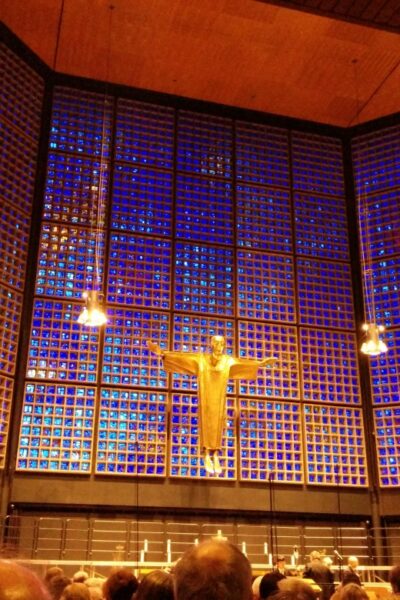
Berlin: Classical Concert at Kaiser Wilhelm Memorial Church
Read our review →
Berlin: Classical concerts at the Bode Museum Berlin
Read our review →
Berlin: Classical concerts in Köpenick Palace – Aurora Hall
Read our review →This show also appears in