
Review · LIVE MUSIC
Cusco: Historic Walking Tour with Pisco Sour and Music Show
Cusco’s story comes alive on foot, from the Cathedral and Company of Jesus to the astonishing Inca stonework around the old city. The route ends in San Blas, with a luthier’s workshop, an Andean music performance, city views, and a drink in hand.
I like the small groups of up to 10, which give guides room to answer questions. I also like the mix of major sights and local corners, especially 7 Borreguitos Street and the Temple of the First Inca Ruler. The main caution is the tour’s pricing: it is advertised at $10, while some guests understood it as a free walking tour with a tip expected at the end, so confirm the arrangement before you book.
Key points at a glance
- Starts in the Plaza de Armas: Meet beside the Inca Fountain under a white umbrella.
- Covers the essential center: The route includes the Cathedral, Company of Jesus, Qoricancha, famous Inca stones, and San Blas.
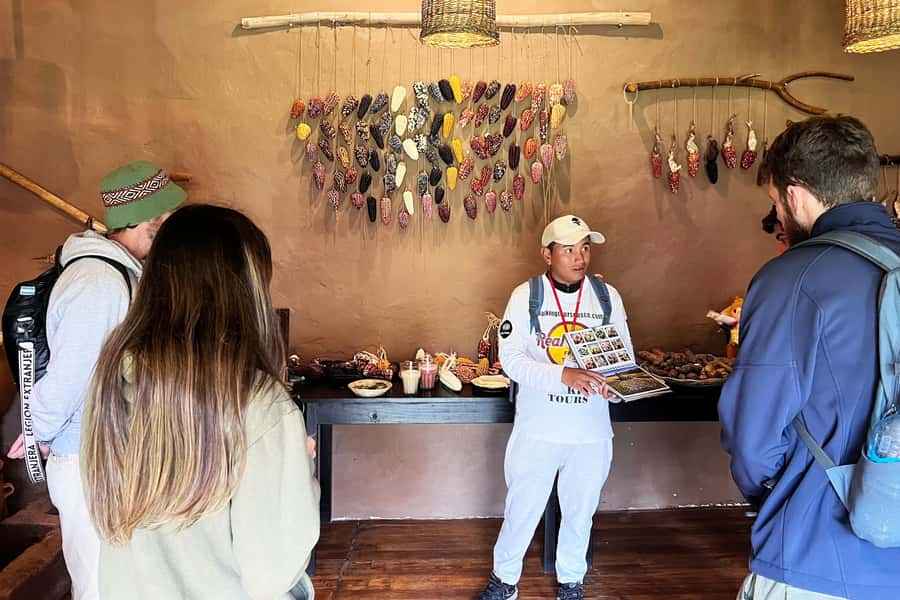
- Adds local character: You visit a luthier, see Andean music, and walk along 7 Borreguitos Street.
- Ends with a Peruvian drink: Choose a pisco sour or non-alcoholic chicha morada.
- Usually feels personal: Groups are limited to 10, and English and Spanish tours are available.
- Best for active walkers: The tour is not suitable for wheelchair users or people with mobility impairments.
Starting beside Cusco’s Inca Fountain
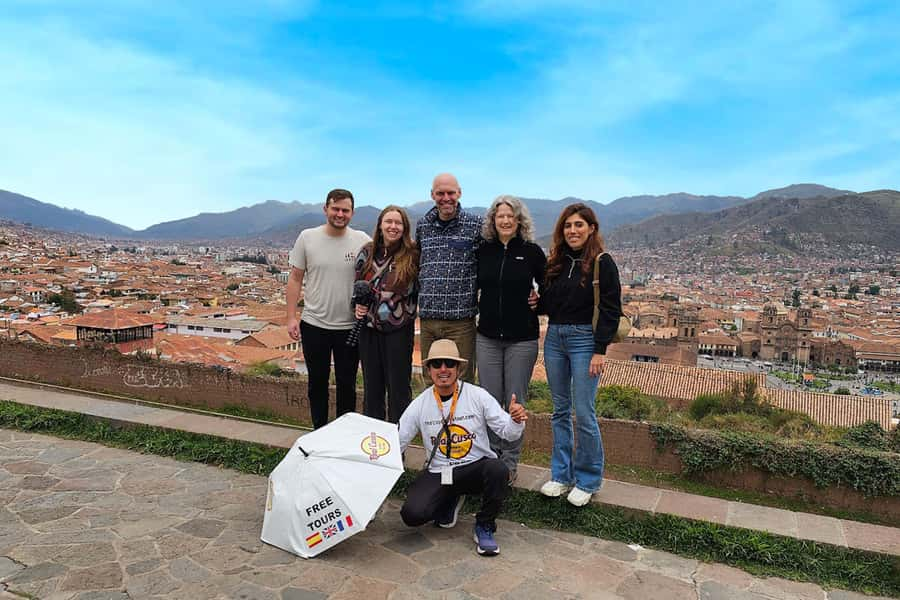
The meeting point is easy to identify if you know where to look: stand in the Plaza de Armas beside the Inca Fountain and find the guide with a white umbrella. The listed coordinates are -13.516772, -71.9787231.
This is a sensible place to begin. Cusco’s main square puts you right in the middle of the city’s Spanish colonial center, while the Inca foundations beneath and around the plaza set up the larger theme of the walk: Cusco is not one historic layer, but several stacked together.
The tour lasts two hours, so expect a brisk route rather than a slow, museum-style visit. You will be outside for most of it, walking through old streets, climbing or descending around San Blas, and stopping often while your guide explains what you are seeing.
I would book this early in your stay. Several guides, including Erick, Nilo, and Niki, have been praised for making the history clear and entertaining. That matters in Cusco, where a good orientation can help you understand later visits to sites such as Machu Picchu, Sacsayhuaman, or the Sacred Valley.
Music with a history lesson around the world:
- Porto: An Intimate Fado Show in a Historical Tavern
★ 4.8 · 2,055 reviews - Vienna Mozart Concert in Historical Costumes at the Musikverein
★ 4.5 · 888 reviews - Tenerife: History The Evolution of Music Show Entry Ticket
★ 4.8 · 620 reviews
Plaza de Armas, Cathedral, and Company of Jesus
The first major sights are around the Plaza de Armas. The Cathedral dominates one side of the square, while the Company of Jesus adds another grand colonial façade nearby.
The value here is not simply seeing two churches. Your guide helps place them in the story of the Spanish conquest and colonial rule, alongside the older Inca city that existed beneath and around them. You will hear commentary as you walk, rather than entering each building for a long, detailed visit.
That distinction is important. Museum admission is not included, and the tour is not designed as a full interior tour of Cusco’s churches. If you want to study paintings, altars, or church collections, plan a separate visit and budget for entry fees.
For a first look, though, the square is effective. You get the city’s grandest public setting, a clear introduction to colonial architecture, and a starting point for understanding why Cusco feels so different from a typical Spanish colonial town.
Qoricancha and the Sun Temple story
The walk continues to Qoricancha, usually translated as the Temple of the Sun. This was one of the most important religious centers of the Inca world, and its surviving walls show the precision of Inca stonework.
The tour’s strength is the explanation around the site. Instead of seeing Qoricancha as an isolated ruin, you can connect it to the broader history of Cusco and to the Spanish buildings that later occupied the same center.
The stop is also a reminder that the most impressive Inca work is often found in ordinary city streets. You do not need to leave the center to see carefully fitted stone blocks. The guide points out details that are easy to pass without noticing, which is one reason this walk works well at the beginning of a visit.
Allow for the possibility that the route focuses on viewing and explanation rather than a full museum visit. Optional museum entries are not included. If you want extended time inside Qoricancha, check the day’s plan and arrange a separate entry if needed.
The 12 and 13 angled stones
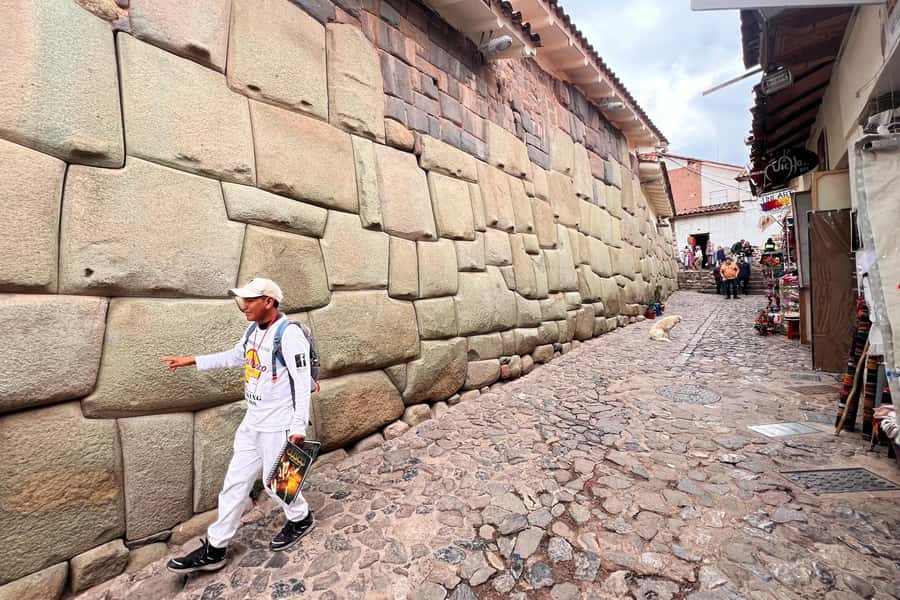
The route includes the famous 12-angled and 13-angled stones, along with the Andean Trilogy carved into an Inca wall.
These are compact stops, but they are among the most useful for understanding Inca building methods. The tightly fitted stones have no obvious mortar, yet the walls remain remarkably precise. Your guide can also explain the symbolic figures of the condor, puma, and snake, which represent important parts of Andean thought.
The exact value of this section depends on the guide. A rushed glance at a stone can feel like a photo stop. With a good explanation, it becomes a lesson in how the Inca viewed the world and shaped their city.
The guides most often praised on this route include Erick, Nilo, and Niki. Their reported strengths are clear explanations, humor, and an ability to answer questions. That makes these short stops more worthwhile than simply locating the stones and moving on.
Other concerts and shows we rate around the world
- Vienna: Vivaldi’s Four Seasons Concert in Karlskirche
★ 4.7 · 14,951 reviews - Venice: La Fenice Opera House Entry Ticket with Audio Guide
★ 4.6 · 11,742 reviews - Sydney: Opera House Guided Tour with Entrance Ticket
★ 4.8 · 8,312 reviews - New Orleans Steamboat Natchez Jazz Cruise with Dinner Option
★ 4.0 · 7,533 reviews
San Blas, city views, and 7 Borreguitos Street
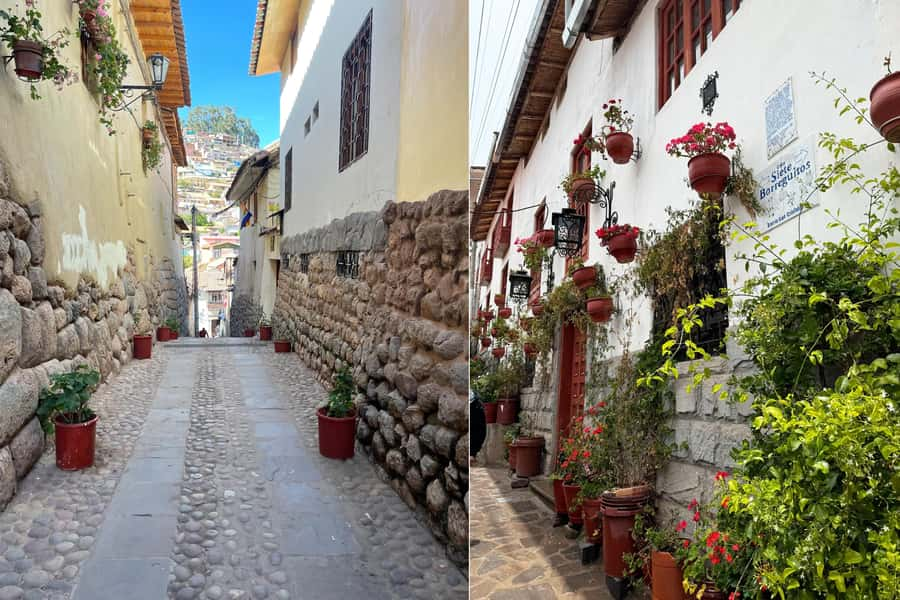
From the center, the walk heads toward San Blas, one of Cusco’s most picturesque neighborhoods. Its narrow streets and slopes give the tour a different feel from the broad Plaza de Armas.
You should expect some uphill walking here. The activity information says it is not suitable for people with mobility impairments or wheelchair users, and San Blas is a major reason why. Wear shoes with a good grip and keep your hands free for the climb.
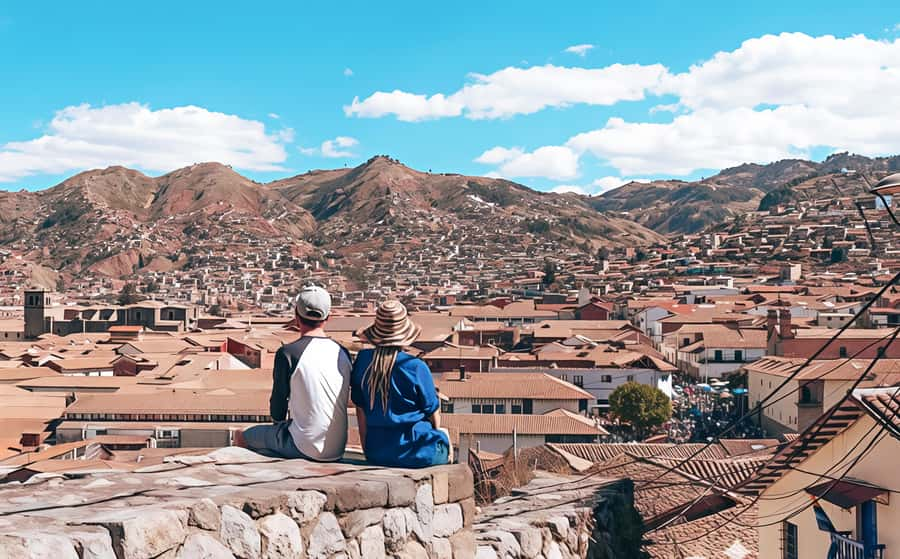
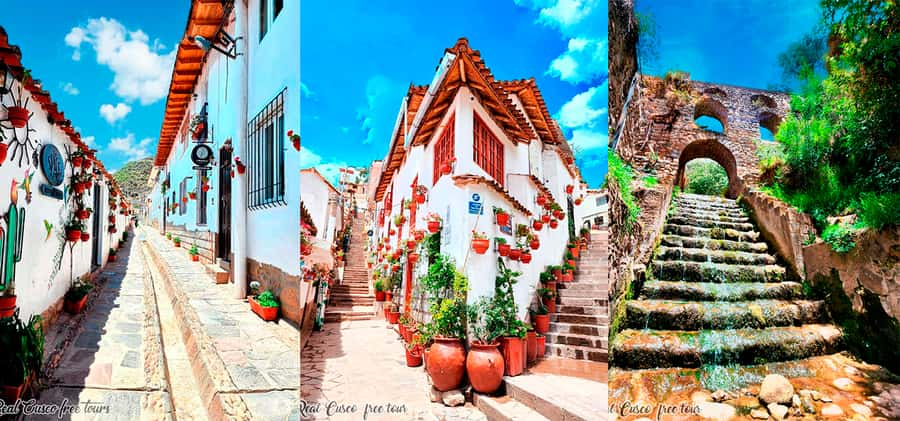
The reward is a closer look at the neighborhood’s streets, along with views across the city. The route includes 7 Borreguitos Street, described as one of the most picturesque streets in Cusco. It is a useful photo stop, but do not expect a long pause with unlimited time. Two hours requires the group to keep moving.
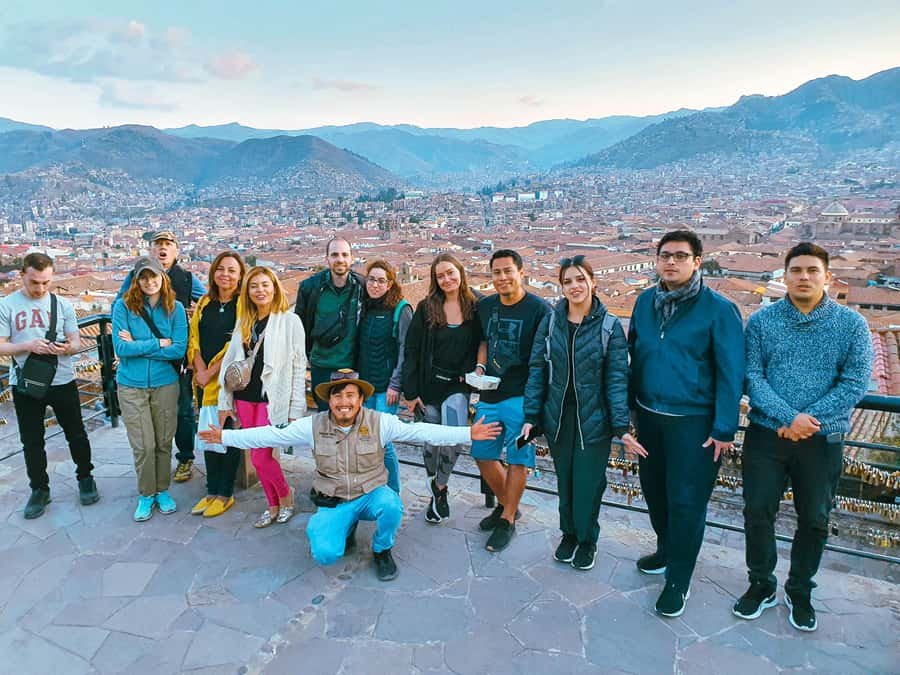
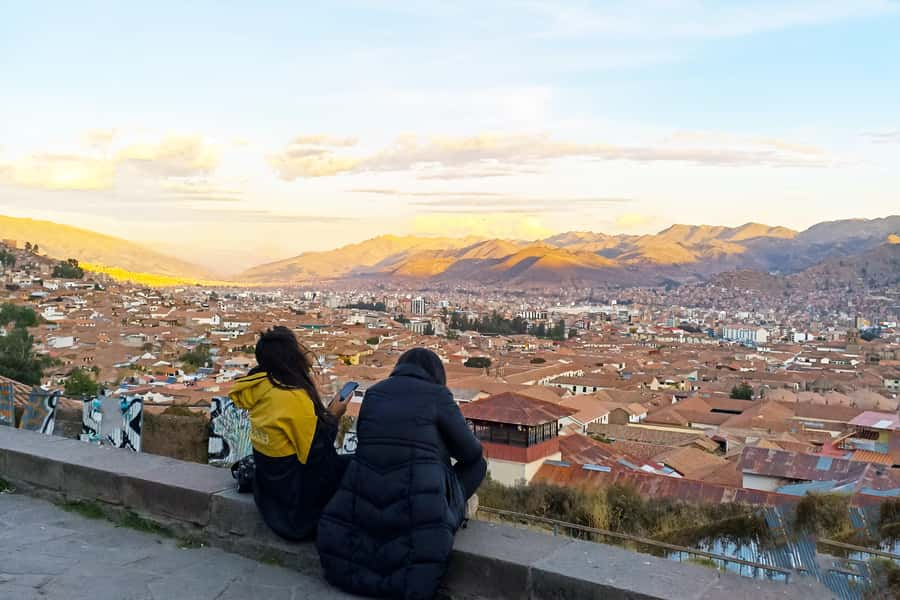
A sunset departure may add extra appeal. One guest specifically enjoyed the viewpoint at sunset, while another found the views a highlight of the route. Starting time varies, so check the available departures if evening light matters to you.
San Blas is also where the tour feels less like a checklist. You are still seeing well-known Cusco, but the narrow lanes, hillside setting, and local craft connection give the walk more personality than a simple plaza circuit.
A luthier’s workshop and Andean music
One of the tour’s more distinctive stops is a visit to a luthier’s workshop. A luthier makes and repairs stringed instruments, and this visit adds a practical craft element to the history lesson.
You are not only looking at old stones and church façades. You get a glimpse of how musical traditions continue through skilled local work. The workshop is included, which helps give the tour a more personal focus.
The itinerary also includes an Andean music show. This is an important detail to confirm on the day, since availability can change. One guest found the scheduled music venue closed, which was disappointing because the performance was a main reason for choosing the tour. The guide suggested a local dance show afterward, and that became a successful backup.
That example points to the right attitude. The music component can be a highlight, but it is not as certain as the outdoor walking stops. If live music is your top priority, ask the guide at the start whether the performance is operating that day and what the backup plan will be.
The Temple of the First Inca Ruler
The route also visits the Temple of the First Inca Ruler, Manco Capac. This stop adds a direct link to the earliest Inca stories and helps connect the city’s streets with the figures at the heart of its founding traditions.
As with other stops, the main benefit is the guide’s interpretation. The temple is part of a larger story about Cusco’s origins, Inca authority, and the way history is remembered through places. It is not presented as a long, formal museum visit.
This is one reason the tour suits someone who wants orientation more than exhaustive archaeology. You will see many significant places in a short period, but you will not spend an hour at each one. I would treat the walk as a first layer, then return to the sites that catch your interest.
Choosing between pisco sour and chicha morada
The final stop is a drink. You can choose a pisco sour, Peru’s national cocktail, or chicha morada, a non-alcoholic drink made from purple corn.
The pisco sour is a fitting finish after a city walk, and the drink stop gives the group a chance to sit down and talk. One guest described the ending restaurant as a cute place for a toast, while another particularly liked the pisco samples.
If you do not drink alcohol, chicha morada gives you a proper Peruvian option rather than a generic soft drink. That makes the ending inclusive for families with older children and anyone avoiding alcohol, though babies under one are not accepted on the tour.
The drink is included, but additional food is not listed. Do not expect the final stop to replace lunch or dinner. Think of it as a small cultural tasting and a pleasant close to the route.
How much value does the $10 price offer?
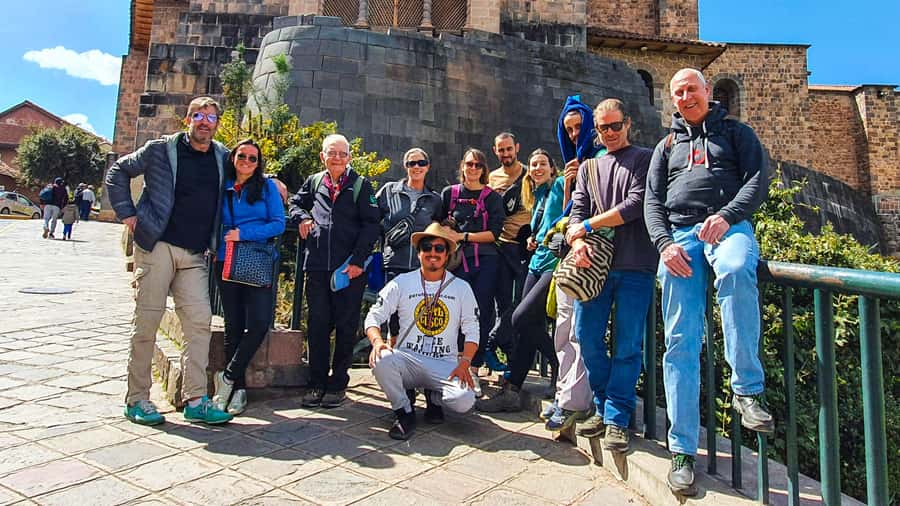
At $10 per person, the experience is inexpensive for a two-hour guided walk with a bilingual guide, a luthier visit, an Andean music component, and a drink. A small group can make that price especially appealing, since the maximum is 10 people.
There is, however, a pricing point you should clarify. One guest described the experience as a free walking tour where the $10 effectively pre-paid the expected tip. Another said people could sign up in the main square and tip at the end. The activity is also presented with a $10 price, so the practical advice is simple: ask exactly what your payment covers and whether another tip is expected.
That issue does not erase the value of the tour, but it affects the comparison. If you are already comfortable joining a free walking tour and tipping afterward, you may find a similar public option in the square. If you want a reserved place, a listed small-group limit, and the included drink and workshop visit, the paid booking may be worth the convenience.
The cancellation terms are useful for uncertain plans. You can cancel up to 24 hours ahead for a full refund, and you can reserve now while paying later. Starting times depend on availability.
Who should book this Cusco walk?
I would recommend it to you if you have just arrived in Cusco and want a clear introduction before tackling larger archaeological sites. The combination of colonial buildings, Inca stonework, San Blas streets, music, and a drink gives you a broad first look without taking a full day.
It also suits you if you prefer stories and local context to a long indoor museum visit. The luthier workshop and Andean performance add something different from a standard historical circuit.
You should think twice if you need step-free access, use a wheelchair, or find uphill city walking difficult. The activity specifically excludes people with mobility impairments and wheelchair users. It is also not suitable for babies under one, people over 95, or people with hearing impairments.
English and Spanish are available. A note says the French guided version requires at least four customers to proceed, so do not assume French service will run automatically.
Should you book it?
Book this tour if you want an affordable, compact introduction to Cusco with a lively guide, strong city views, Inca stonework, and a local drink at the end. The small group limit and guides such as Erick, Nilo, and Niki add real appeal.
I would book it near the start of your stay, but I would confirm two points first: the day’s music arrangements and the exact tip or payment policy. If you accept that the route may adjust and that the music stop is not guaranteed, this is a useful way to get your bearings and find places worth revisiting on your own.
FAQ
Where does the tour meet?
Meet beside the Inca Fountain in Cusco’s Plaza de Armas. The guide will be holding a white umbrella.
How long does the tour last?
The walking tour lasts two hours.
What languages are available?
The tour is offered in English and Spanish. A French guided tour requires at least four customers to proceed.
How large is the group?
The group is limited to 10 participants.
What sights are included?
The route includes the Plaza de Armas, Cathedral, Company of Jesus, Qoricancha, the 12 and 13-angled stones, the Andean Trilogy carvings, San Blas, 7 Borreguitos Street, and the Temple of the First Inca Ruler.
Is a museum entry ticket included?
No. Museum entries are optional and are not included.
Is the pisco sour included?
Yes. You can choose a pisco sour or a non-alcoholic chicha morada.
Is the luthier workshop included?
Yes. A visit to a luthier’s workshop is included.
Is the tour suitable for wheelchair users?
No. The activity is not suitable for wheelchair users or people with mobility impairments.
Can I cancel for a refund?
Yes. You can cancel up to 24 hours in advance for a full refund.
Just reviewed around the world
- Wrocław: Chopin & Friends piano concerts★ 4.6 · 28 reviews
- Wine, Jazz and Magic: A Night at Malkhaz Jazz Club★ 5.0 · 2 reviews
- Warsaw: Chopin Concert Ticket With Glass of Champagne★ 4.7 · 59 reviews
- Warsaw: Guided Walking Tour with a Private Chopin Concert★ 5.0 · 13 reviews
- Viva Blackpool: ABBA Bottomless Brunch with Live Music★ 5.0 · 2 reviews
- Warsaw: Candlelight Concert at Fryderyk Concert Hall★ 4.7 · 110 reviews
- Vienna Supreme Orchestra at Palais Niederösterreich★ 4.8 · 10 reviews
- Vienna: Sunday Brunch Danube Cruise & Live Music★ 4.2 · 42 reviews