Review · VIENNA
Vienna: Vivaldi’s Four Seasons Concert in Karlskirche
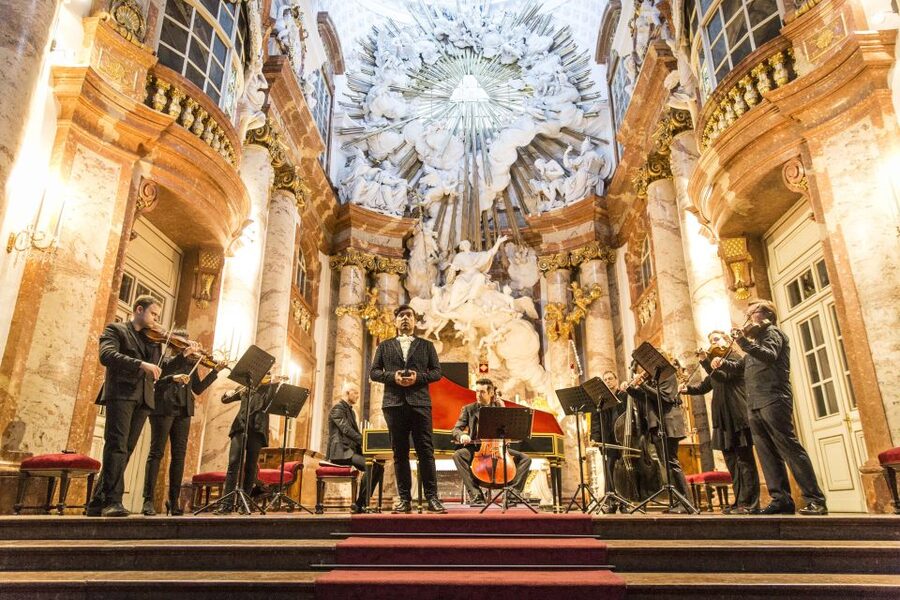
Karlskirche gives Vivaldi’s Four Seasons a setting that feels almost theatrical: strings answer from beneath a grand Baroque interior while the music conjures birdsong, storms, hunting parties, and cracking ice. I love the period instruments, which give the performance a crisp, earthy sound, and I like the chance to watch a small ensemble up close rather than sit through a large, distant orchestra.
The main drawback is practical. Seating quality varies, and the church can be cold in winter, hot in summer, and uncomfortable on its hard pews. Pay extra for a front section if seeing the musicians matters to you, and arrive early enough to settle in before the doors close.
Key points to know before booking
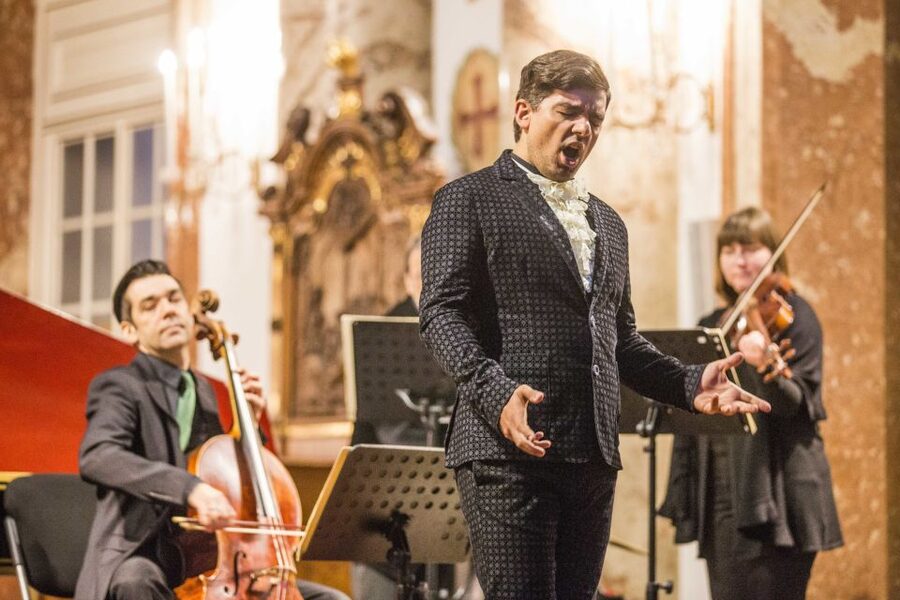
- Karlskirche is part of the experience: The ornate church interior provides a dramatic setting for the music.
- Orchestra 1756 uses period instruments: The ensemble aims for the historical sound of the Baroque era.
- The program lasts 75 minutes: Vivaldi’s four concertos form the core, with one or two changing additional works.
- Front seats offer the best view: Category 1 and the first few rows are worth considering if you want to watch the musicians closely.
- Prepare for the temperature: The church can be cold in winter and hot in summer, with no air conditioning.
- Strict entry rules matter: Doors open 30 minutes before the concert, and late entry is not permitted.
Why Karlskirche makes this concert special
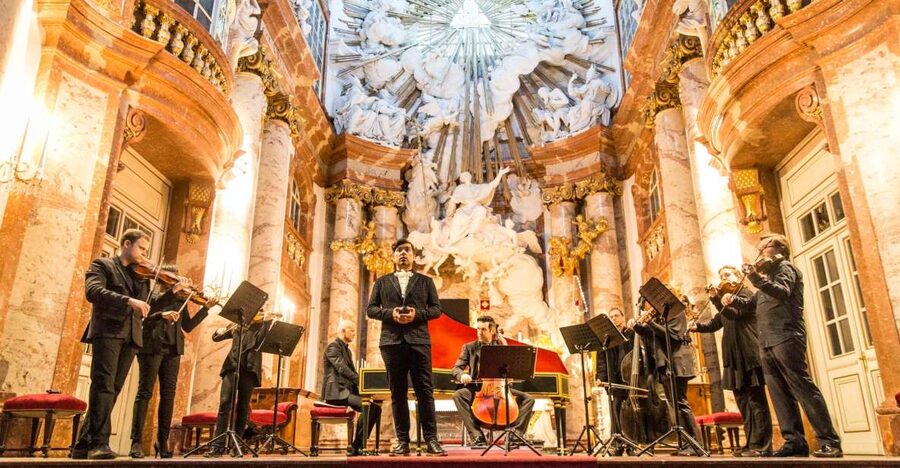
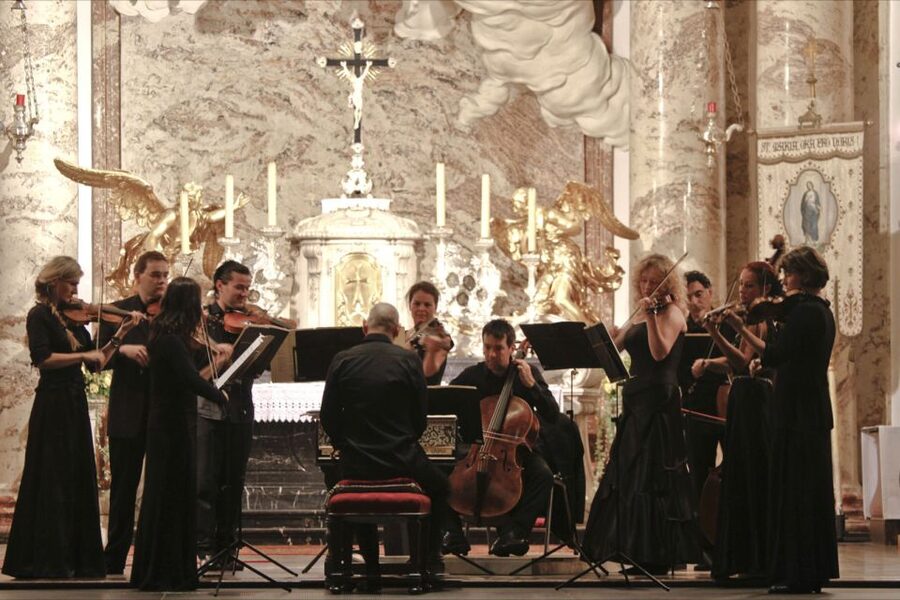
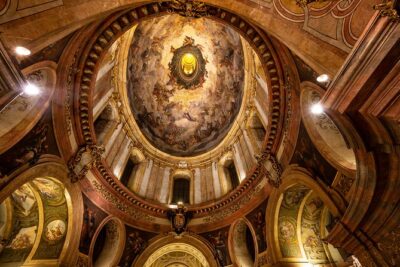
Many classical concerts in Vienna take place in grand halls. This one takes you into Karlskirche, an imposing Baroque church whose architecture becomes part of the evening. The altar and decorative artwork form the backdrop, while the musicians perform in a space with a strong natural echo.
That setting changes how you hear the music. Vivaldi wrote the Four Seasons to suggest scenes from nature, and the church gives the music a broad, ringing quality. Fast violin passages can sound bright and urgent. Slower sections carry a long reverberation that makes them feel solemn and spacious.
I would not choose this concert only for the building if you are mainly interested in perfect concert-hall acoustics. A church is not a recording studio. The sound can be less direct from the back or balcony, and one person found the balcony acoustics unclear. Still, for many people, the blend of architecture, candlelit atmosphere, and live strings is exactly the point.
Karlskirche is also a useful choice for an evening in central Vienna because the concert fits into a compact schedule. At 75 minutes, it is long enough to hear the complete Four Seasons without turning into a tiring all-night event. You can plan it as a relaxed final activity after sightseeing, or use it as a musical break between dinner and an evening walk.
More Classical Concerts in Austria
- Vienna: Classical Concert in the World-Famous Musikverein
★ 4.6 · 6,673 reviews - Vienna: Mozart Concert at the Musikverein – Golden Hall
★ 4.6 · 5,194 reviews - Vienna: Classical Concert in St. Anne’s Church (Annakirche)
★ 4.6 · 3,414 reviews
Hearing Vivaldi on period instruments
The central attraction is Orchestra 1756, a classical ensemble that performs on period instruments. The program centers on Vivaldi’s four concertos from Opus 8:
- Spring
- Summer
- Autumn
- Winter
These are four works from a larger set of twelve violin concertos. Each season is linked to a sonnet, and the music translates those images into sound. You will hear the quick movement of birds, the rumble of storms, the heat and tension of summer, the energy of a hunt, and the hard chill of winter.
The ensemble is described as a string quartet with basso continuo, while several performances are presented by a larger nine-piece group. The exact arrangement can vary, but the sound remains more intimate than that of a full symphony orchestra. The lead violinist has an important role, carrying the melody and shaping the dramatic turns of each concerto.
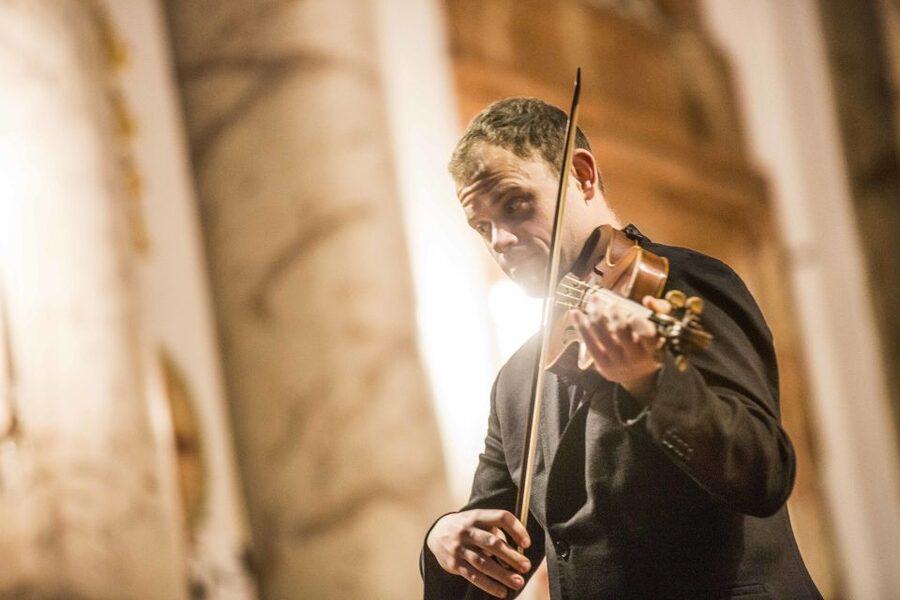
This is also a visual performance. From the front rows, you can see the musicians coordinate with each other, respond to the lead violinist, and shape the rhythm through movement and expression. That connection is one reason I would pay more for a close seat if your budget allows. You are not just hearing a famous work. You are watching the musical conversation happen.
The period-instrument approach also gives the concert a historical flavor. It is not a modern orchestral blockbuster with heavy amplification. The sound can be leaner, sharper, and more exposed. That suits Vivaldi’s quick rhythms and repeated patterns, though the church’s echo may soften some details from the rear sections.
What the 75-minute program feels like
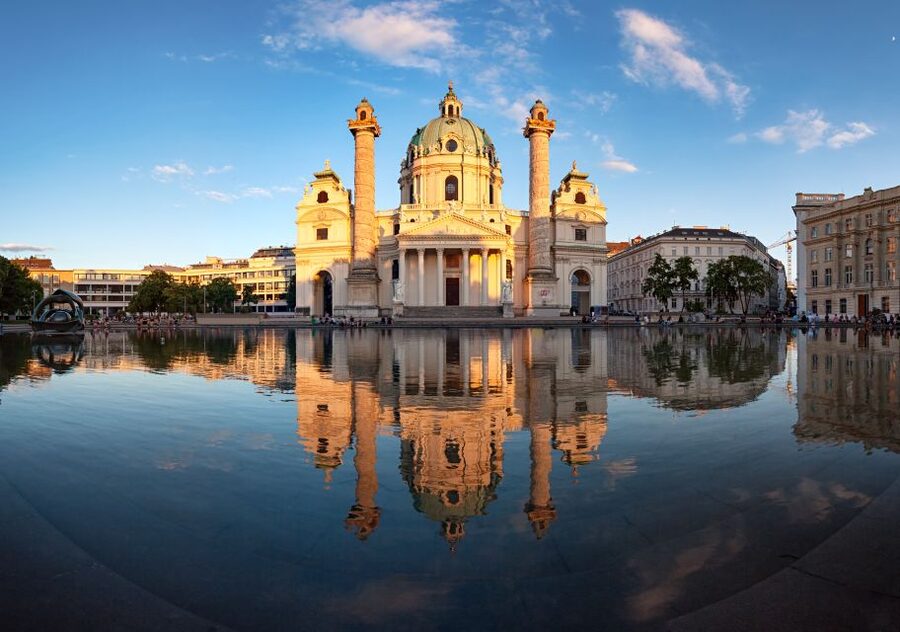
The evening follows a simple structure. You enter Karlskirche, find your seat, and settle in before the music begins. The main program then moves through Spring, Summer, Autumn, and Winter, with possible additional works placed before, between, or after the Four Seasons.
The extra pieces change from week to week. They may come from Mozart, Bach, Heinrich Ignaz Franz Biber, or other major composers. This gives repeat visitors some variety, but it also means you may not know the full program until close to the performance. If you want a specific composer beyond Vivaldi, check the current details before booking.
Spring opens the cycle with bright, quick music and a sense of renewal. Summer brings more contrast, including the tension of approaching thunder and lightning. Autumn has a festive, energetic character, while Winter turns inward, with music that suggests cold air, slipping on ice, and shelter from the weather.
You do not need a detailed knowledge of classical music to follow the Four Seasons. The sonnets provide a simple guide, and the musical images are clear enough to catch without explanation. If you already know the work well, the pleasure comes from the different sound of the instruments and the live energy of the solo violin.
The 75-minute length works well for most schedules. The pews can be hard, and the interior temperature may be uncomfortable, so a much longer program could test your patience. Here, the concert ends before the physical drawbacks become too distracting.
Choosing between the seating categories
Seat selection is the most important booking decision. Category 1 is the strongest choice if you want a clear view of the musicians. Several people who booked the front section found the first few rows especially rewarding, and one person described a second-row seat as a major advantage.
Being close lets you see the lead violinist and the communication among the players. It also makes the performance feel personal. If you are attending with someone who is not a dedicated classical-music fan, that visual connection can help hold their attention.
Middle seating can offer a sensible balance. You may not see every facial expression, but you can still have a good view while hearing the ensemble in a more blended way. Arrive promptly if your booking gives you a seating area rather than a fixed seat, since early arrival can help you choose a better position within that section.
Category 2 may be perfectly adequate for listeners who care more about the music than the close-up view. The tradeoff is that the flat seating can make sightlines difficult if a tall person sits directly in front of you. Some seats also use simple chairs, while others may be church pews.
Category 3 and balcony seats require the most caution. They can place you far from the performers, and the music may sound less direct, with more echo. One balcony seat received a weaker sound impression than seats closer to the floor. If you want to watch the musicians as well as listen, I would avoid the cheapest section unless the savings matter more than the view.
More Classical Concerts in Vienna
- Vienna: Mozart and Strauss Concert at Schönbrunn
★ 4.5 · 2,967 reviews - Vienna: Classical Concert at Mozart’s First House
2,423 reviews - Vienna Classical Concert at St. Peter’s Church
★ 4.5 · 2,039 reviews - Vienna: Classical Concert in St. Anne’s Church (Annakirche)
★ 4.5 · 1,000 reviews
Dress for the church, not the forecast alone
Karlskirche has no air conditioning. In winter, the interior can be genuinely cold, not just pleasantly cool. Bring a warm coat, gloves, and something for your hands. A thin blanket is placed on many seats, and some front seats have heating beneath them, but you should not rely on those comforts alone.
Summer brings the opposite concern. The church can become hot, so light clothing and water before entering may help. Food and drinks are not allowed inside, and you cannot take alcohol into the venue.
The pews are beautiful but not soft. Seventy-five minutes is manageable, though you may appreciate the blanket for warmth and a little extra comfort. If you have back or mobility concerns, note that the experience is not suitable for wheelchair users, and children under six are not admitted.
Photography is not allowed during the performance. You can take pictures before and after, so arrive early if you want a quiet look at the interior or a few architectural shots. Once the music begins, you need to remain in your seat. Leaving means you cannot reenter the concert hall.
Timing, entry, and the evening routine
Doors open 30 minutes before the concert starts. Use that window. You will have time to find the correct entrance, collect your seat, look at the church, and adjust to the temperature before the musicians begin.
Late entry is not permitted after the concert has started. This is especially important if your booking includes an evening meal, a museum visit, or another timed activity beforehand. Allow enough time to reach Karlskirche without rushing. Transfers are not included, so you must make your own way to the venue.
The meeting point can vary by booking option. Check your confirmation carefully rather than assuming every ticket uses the same entrance or gathering place. The experience includes the concert ticket only. Food, drinks, transfers, and cloakroom service are not included.
Large bags and luggage are not allowed. Pets, baby strollers, smoking, vaping, and alcohol or drugs are also prohibited. Cameras cannot be used during the concert, even though photography before and after is permitted.
Unaccompanied minors are not allowed, and the concert is not suitable for children under six. These rules make the event better suited to adults and older children who can remain quiet and seated for the full performance.
Is $40 a fair price?
At about $40 per person, this is a reasonable way to hear a complete performance of the Four Seasons in one of Vienna’s most memorable interiors. The value is strongest if you see the concert as two experiences in one: a live period-instrument performance and an evening inside Karlskirche.
The price becomes less attractive if you are placed in a rear or balcony section and mainly hear the echo rather than the detail of the strings. In that case, the building still provides atmosphere, but the musical experience may feel more distant. I would rather book a slightly better category than save a modest amount and spend the evening craning to see the players.
There is also value in the compact format. You receive a complete, recognizable classical program without committing to a long opera or a full evening at a concert hall. For a first classical concert in Vienna, it is an accessible choice.
The flexible booking terms add practical value. You can cancel up to 24 hours in advance for a full refund, and the reserve now, pay later option allows you to hold a place without paying immediately. Availability and starting times vary, so check the schedule before building your evening around it.
Who will enjoy this most
I would recommend the concert to anyone who wants a classic Vienna evening with a strong visual setting. It works especially well for:
- First-time classical concertgoers
- Vivaldi fans
- Couples looking for a quiet evening activity
- Visitors who enjoy historic churches and architecture
- People who want to see musicians perform up close
- Anyone seeking a 75-minute cultural activity rather than a long formal concert
It may be less suitable if you need fully accessible seating, dislike church acoustics, or find cold and hard seating difficult. It is also not the right pick if you want a detailed spoken introduction or a fixed program of several composers, since the added works can change from week to week.
The concert has enough drama to appeal beyond classical-music specialists. Even if Vivaldi is not your usual choice, the Four Seasons gives you clear musical images to follow. The atmosphere does much of the work, too. You may remember the architecture as strongly as the final notes.
Should you book the Karlskirche concert?
Yes, if you want an atmospheric and fairly priced introduction to classical music in Vienna. The music is familiar, the 75-minute format is manageable, and Karlskirche gives the performance a sense of occasion that a plain venue could not match.
Book a front or middle section if the musicians’ expressions, technique, and interaction matter to you. If you choose a rear or balcony category, go in knowing that the view and sound may be less satisfying. Dress warmly in winter, arrive 30 minutes early, and do not risk being late.
For a special farewell to Vienna, a relaxed date-night activity, or a first taste of period-instrument performance, this is a strong choice. It is not flawless, mainly because of temperature, seating, and uneven acoustics, but the combination of Vivaldi, Orchestra 1756, and Karlskirche makes the experience worth considering.
FAQ
How long is the Vivaldi concert in Karlskirche?
The concert lasts 75 minutes.
What music is performed?
The main program is Vivaldi’s Four Seasons: Spring, Summer, Autumn, and Winter. One or two additional works may also be included, with selections changing from week to week. These may be by Mozart, Bach, Biber, or other major composers.
Who performs the concert?
Orchestra 1756 performs the program. The ensemble uses period instruments to create a historical sound.
Is the church heated or air-conditioned?
Karlskirche can be cold in winter and hot in summer. It does not have air conditioning. Blankets are provided on many seats, and some front seats have heating beneath them.
Can I take photographs during the concert?
No. Photography is not allowed during the performance, but you may take pictures before and after the concert.
Are children allowed to attend?
Children under six are not admitted. Unaccompanied minors are also not allowed.
What happens if I arrive late or leave during the concert?
Late entry is not permitted after the concert has started. If you leave during the concert, you cannot reenter the concert hall.
Just reviewed around Vienna
- Vienna Supreme Orchestra at Palais Niederösterreich★ 4.8 · 10 reviews
- Vienna: Sunday Brunch Danube Cruise & Live Music★ 4.2 · 42 reviews
- Vienna: Concert by the Vienna Baroque Orchestra★ 4.6 · 56 reviews
- Vienna Private Walking Tour including State Opera★ 3.2 · 7 reviews
- Vienna: Romantic Classics Piano, Violin, and Cello Concert★ 4.7 · 60 reviews
- Vienna: Mozart Concert with Dinner and Carriage Ride★ 4.8 · 25 reviews
- Vienna: Musical Tickets THE PHANTOM OF THE OPERA★ 4.9 · 132 reviews
- Vienna: Classical Concert in the historic 1837 Strauss-Hall★ 4.5 · 39 reviews
Vienna Live Music: the closest alternatives.
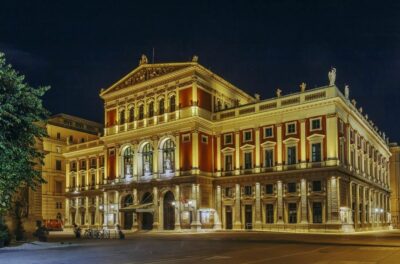
Vienna: Classical Concert in the World-Famous Musikverein
Read our review →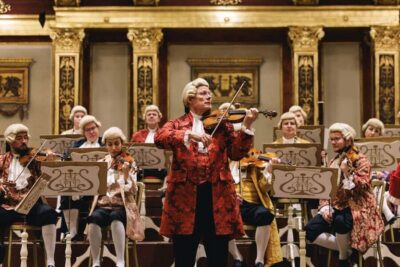
Vienna: Mozart Concert at the Musikverein – Golden Hall
Read our review →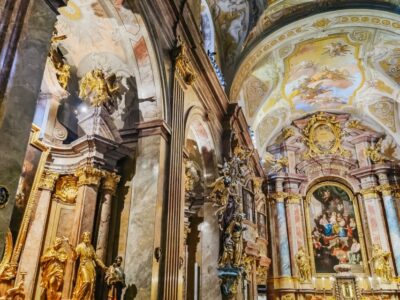
Vienna: Classical Concert in St. Anne’s Church (Annakirche)
Read our review →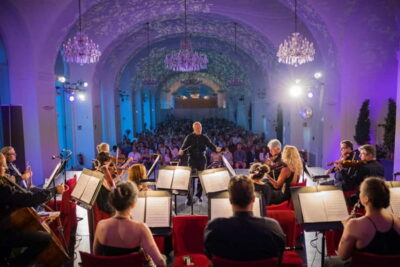
Vienna: Mozart and Strauss Concert at Schönbrunn
Read our review →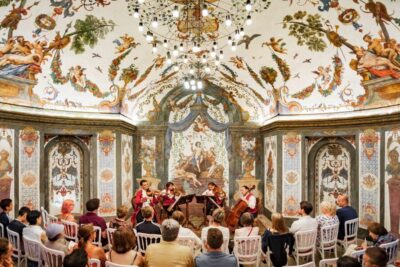
Vienna Classical Concert at St. Peter’s Church
Read our review →
Exclusive Evening at Schönbrunn Palace: After-Hours Audiotour, Dinner, Concert
Read our review →