
Review · CHENGDU
Jinjiang Theater:Eight-Face Changing-Legendary Sichuan Opera
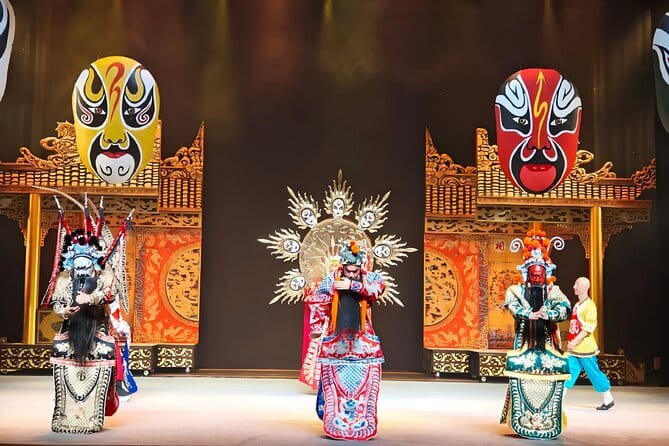
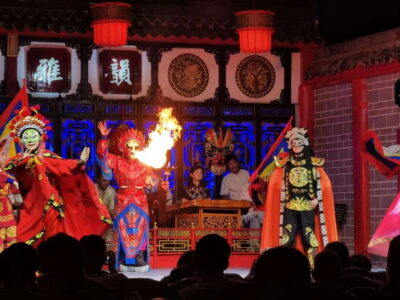
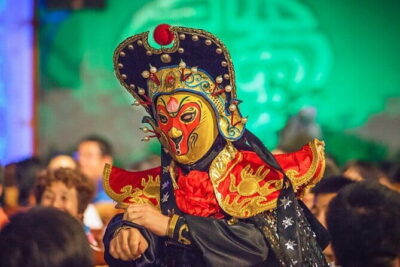
The star here is eight-face changing, a rare Sichuan opera feat in which an actor shifts through eight painted faces in one flowing performance. The show wraps that skill in a dramatic Chengdu story, then adds fire breathing, puppets, acrobatics, shadow art, and dance.
I like the central Jinjiang Theater location near Tianfu Square, and I like that your ticket includes traditional Gaiwan tea next door before the performance. The main consideration is that this is a fast-moving variety production, so anyone seeking a quiet, full-length opera may find the mix of magic and acrobatics a little busy.
Key points at a glance
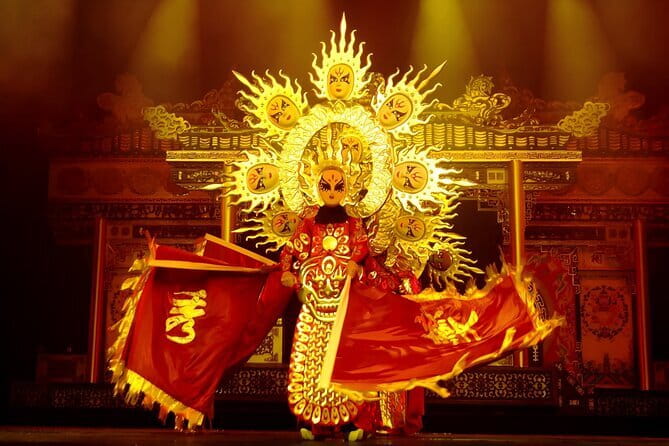
- Eight-face changing: Watch the production’s signature skill, presented as the climax of Little Sanqing’s training.
- A Chengdu origin story: The plot is set at Sanqinghui, on the site now occupied by Jinjiang Theater.
- Tea before the curtain: Your ticket includes one bowl of Covered Bowl Tea at Yuelai Tea House, available one hour before showtime.
- More than opera: The 70-minute program includes fire breathing, hand shadows, puppetry, umbrella kicking, drum kicking, and costume changes.
- Useful central setting: The theater is at No. 54 Huaxing Street, near Tianfu Square in Chengdu.
- A $20 cultural evening: The price is reasonable if you want a compact introduction to several traditional Chinese stage arts in one sitting.
Why the eight-face change matters
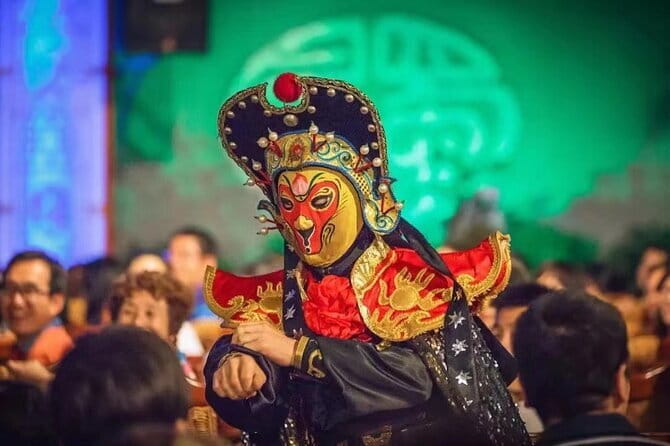
Sichuan opera is best known outside China for bian lian, or face-changing. The performer turns, waves, or moves with such speed that a painted face seems to become another one before you can catch the trick.
This production puts a special version of that art at its center. The advertised eight-face changing is not just a quick stunt inserted between unrelated acts. It is tied to the story of Little Sanqing, an opera student whose hardship pushes him to create and perfect the technique.
That story gives the performance a useful thread. Without it, the show could feel like a string of unrelated skills. With it, the face-changing becomes the reward for years of practice, hiding, and persistence.
You should still expect a variety show rather than a single, traditional opera drama. The production moves through opera scenes, comic action, acrobatics, music, dance, puppetry, and special effects. I see that as a sensible choice for first-time audiences, families, and anyone with only one evening in Chengdu.
Face-changing and Peking opera nights around Chengdu:
- Chengdu: Sichuan Opera Shu Feng Yan Yun Evening Show Ticket
★ 4.7 · 185 reviews - Chengdu Sichuan Opera Show Ticket – Shu Feng Ya Yun
★ 4.4 · 73 reviews - Chengdu: Sichuan Opera Show Ticket – Shu Feng Ya Yun
★ 4.8 · 30 reviews
A tale from Sanqinghui in Chengdu
The story begins at Sanqinghui, described as one of the historic birthplaces of Sichuan opera. The setting is important because the present-day Jinjiang Theater occupies that location at No. 54 Huaxing Street.
Little Sanqing is a serious young opera student. He trains hard enough that his master decides to accept him as a disciple. His relationship with Little Huanhua adds a romantic thread, but the plot quickly turns darker when Young Master Ma takes her away by force.
Young Master Ma’s men burn Little Sanqing’s face. He has no choice but to hide behind a mask, living away from the stage while secretly working on his face-changing craft.
The final part brings the personal and artistic stories together. Little Sanqing masters eight-face changing in a single performance, becomes a celebrated performer, and eventually reunites with Little Huanhua. Their return to the stage is presented as part of the longer story of Sichuan opera performers.
You do not need detailed knowledge of Chinese opera to follow the basic arc. The broad ideas are clear: training, cruelty, disguise, love, and artistic triumph. The opera language and stylized gestures may not be easy to understand word for word, but the physical action carries much of the meaning.
The 70-minute program, act by act
The show opens with The Three Heroes Fight Lü Bu, a Sichuan opera excerpt built around martial movement and theatrical combat. This is a useful introduction to the style because Sichuan opera is not only singing. It also depends on precise gestures, movement, recitation, and fighting technique.
Hand shadow art follows, shifting the focus from the large stage to small, controlled shapes. It is a simple idea, but it gives the program a change of pace before the next physical acts.
The acrobatic sequence includes umbrella kicking. That kind of act is exactly the sort of visual surprise that helps the production reach people who may not normally attend opera. You are watching control and timing, not just a plot.
A hidden knife specialty and the opera excerpt Releasing Pei continue the program. The exact story details may be less clear if you do not speak Chinese, but the movements and stage business remain accessible.
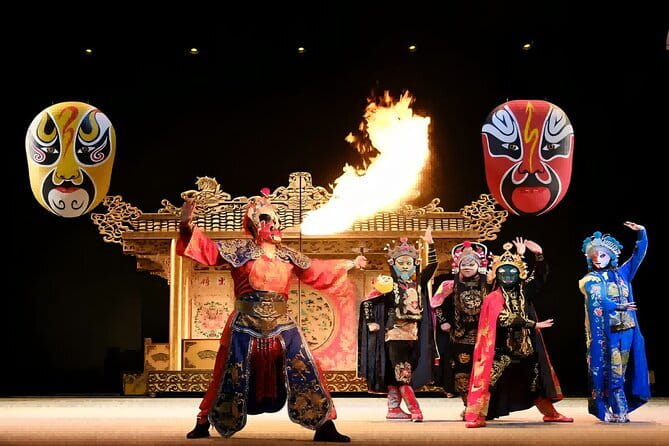
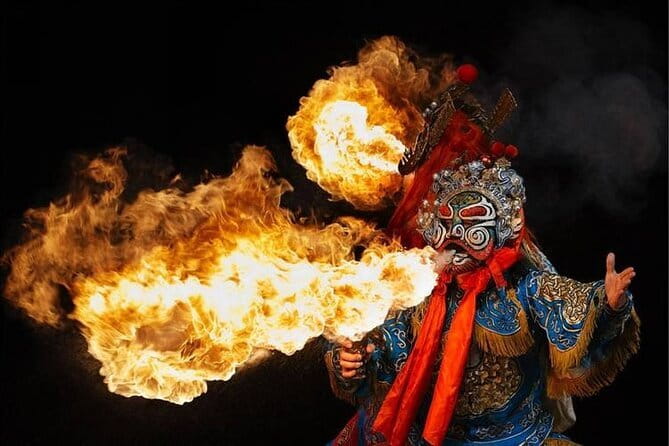
Fire breathing is one of the evening’s most memorable special skills. The production treats it as a traditional Sichuan opera feature rather than as a separate circus act. Keep in mind that the show’s appeal depends partly on this sudden shift from opera acting to high-impact stage technique.
The Rolling Lantern segment highlights the Xiao Sheng, or young male role, and Xiao Dan, or young female role. It is described as a lamp play, with distinctive character movement and comic or skill-based action.
The next acrobatic number uses several performers to kick a drum. That group element adds rhythm and visual order to the act. It also reinforces one of the production’s main ideas: Sichuan opera can combine individual mastery with carefully timed ensemble work.
A puppet show called The Beauty of Life brings another traditional form onto the stage. Then comes the central face-changing performance, followed by the exclusive eight-face-changing skill. If you are choosing this show mainly for one reason, this is the section to watch most closely.
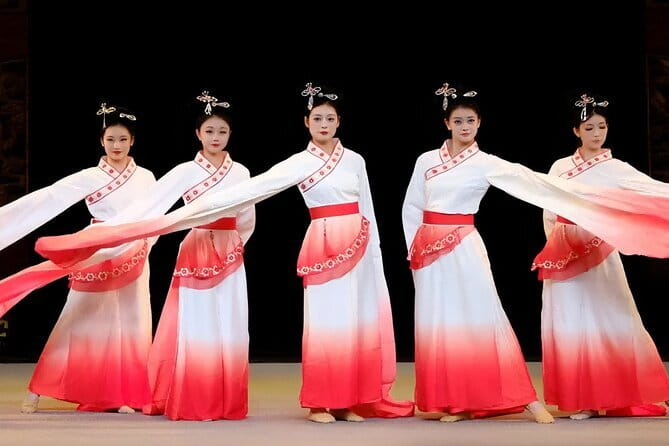
The program also includes three costume changes, a traditional fashion show, group fan dance, water sleeve dance, and ghost immortal dance. These later numbers broaden the picture of Chinese stage arts, but they can also make the experience feel packed. The show does not linger over one form for long.
That is both its strength and its limitation. You get a lot in 70 minutes, but you may leave wanting a fuller opera scene or a longer look at the craft behind one technique.
What Sichuan opera contributes beyond face-changing
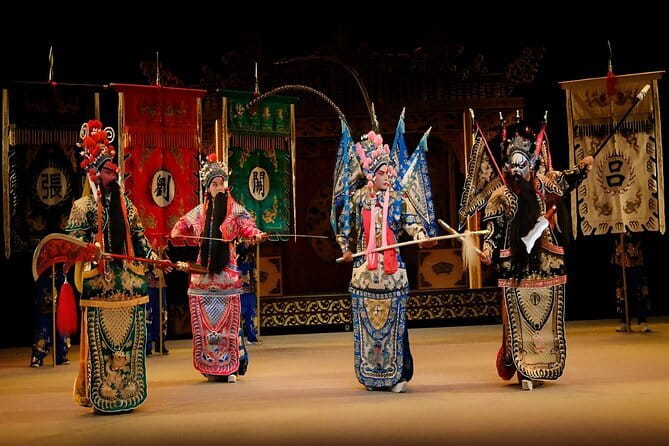
Face-changing gets the publicity, but the production makes a point of showing that it is only one part of Sichuan opera. The show uses singing, spoken recitation, stylized movement, martial arts, and role types such as Sheng and Dan.
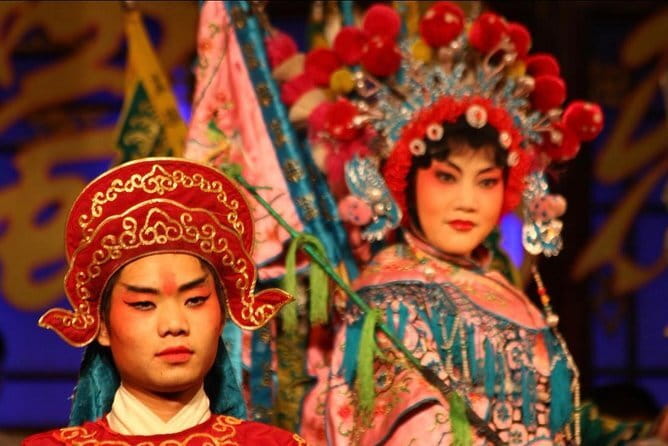
The Sheng roles represent male characters, while Dan roles represent female characters. Their movement is highly formal rather than naturalistic. A hand position, turn of the wrist, step, or fan gesture can tell you something about a character’s status or mood.
This helps explain why the program includes water sleeves, fans, costume changes, and fashion. These are not random decorations. They show the visual vocabulary of Chinese opera, where fabric, posture, color, and gesture carry meaning.
The production also adds magic tricks and market-scene shadow puppetry. That blend makes the show easier to enjoy as a general cultural evening. You can appreciate the shapes, timing, music, and movement even when a scene’s spoken content is unfamiliar.
A recent audience experience described the show as combining dance, Sichuan opera, shadow puppetry, face-changing, tea art, and other traditional Chinese forms, with stage effects that bring technology and tradition together. That is a fair way to set your expectations. You are buying a broad stage presentation, not a stripped-down opera recital.
Other concerts and shows we rate around Chengdu
- Sichuan Culture Opera Show in Chengdu
★ 4.5 · 69 reviews - Chengdu Sichuan Opera Evening Show Ticket-Shu Feng Yan Yun
★ 5.0 · 15 reviews - Chengdu: Sichuan Opera Show ShufengYayun & Covered Bowl Tea
★ 4.2 · 14 reviews - Shu Feng Ya Yun Sichuan Opera Ticket
★ 5.0 · 13 reviews
Tea at Yuelai Tea House before the show
Your ticket includes one bowl of traditional Covered Bowl Tea at Yuelai Tea House, directly beside the theater. You can collect it one hour before the performance begins by showing your ticket serial number or QR code.
Gaiwan tea uses a lidded bowl. You drink from the gap between lid and bowl, holding the lid back as you sip. It is a small detail, but it gives the evening a local ritual before you enter the theater.
I like this inclusion because it makes the price feel more useful. At about $20 per person, you are not paying for a 70-minute stage show alone. You also receive a brief tea experience in a location tied to the theater visit.
Do not treat the tea as a separate tasting session. The included benefit is one bowl, and the practical purpose is to arrive early, collect your tea, and get ready for the performance. Other personal expenses are not included.
Getting to Jinjiang Theater and collecting your seat
The theater is at Jinjiang Theater, No. 54 Huaxing Street, Luoma City, Jinjiang District, Chengdu, Sichuan Province. It is near Tianfu Square, making it a practical choice if you are already sightseeing in central Chengdu.
The location means you do not need to build a long transfer into your evening, though your own route to the theater depends on where you are staying. The activity begins and ends at the theater.
Pay close attention to your email after booking. You need the ticket serial number, QR code, seat number, and the instructions for ticket collection. Without those details, you cannot enter the theater. If the email does not arrive, contact the service provider before showtime.
Seats are assigned randomly within the ticket area you select. You cannot count on choosing a particular row or exact position. If sitting close to the stage matters to you, check the available ticket categories carefully, but understand that the final seat is still assigned within the selected area.
A host or greeter is available in Chinese and English. That is useful for the entry process, but it does not mean every spoken or sung part of the performance will be translated.
Is $20 good value for this Chengdu evening?
At $20, this is a fair-priced introduction to Sichuan opera and related Chinese performance arts. A single 70-minute presentation gives you a sample of opera excerpts, acrobatics, shadow art, puppetry, fire breathing, dance, costume changes, and face-changing.
The value is strongest if you want variety. You can see several specialties in one compact sitting, and the included tea adds a pleasant local touch. The central address also helps if you are planning around Tianfu Square.
The value is weaker if your main aim is serious opera study. The program gives each form limited time, and the many transitions may leave you with a general impression rather than a detailed understanding of one opera or technique.
I would also factor in your interest in stage effects. The show uses visual impact and traditional skills to hold attention. That works well for families and mixed-age groups. Someone looking for a restrained, scholarly performance may prefer a longer, more focused production.
Who should book this experience?
I would choose this for a first visit to Chengdu, especially if you want a low-commitment way to encounter Sichuan opera. The 70-minute length fits neatly into an evening and avoids the challenge of sitting through a longer performance in an unfamiliar style.
It also suits families. The face-changing, fire breathing, puppets, drums, and acrobatics provide clear visual hooks for children, although the theater does not allow food inside. One adult ticket includes one child under 1.2 meters free of charge, with the child sharing the adult’s seat area and not occupying a separate seat. Children over 1.2 meters need a full-price ticket.
I would be more cautious if you dislike loud stage action, quick changes, or mixed-format productions. The program is designed to keep shifting. That energy is part of the appeal, but it is not the same as watching one carefully developed opera from beginning to end.
Bring your ticket details, arrive in time for the tea, and keep your phone put away during the show. Video recording is not allowed, and neither food nor prohibited items may be taken into the theater. Alcohol and drugs are not allowed.
The practical booking call
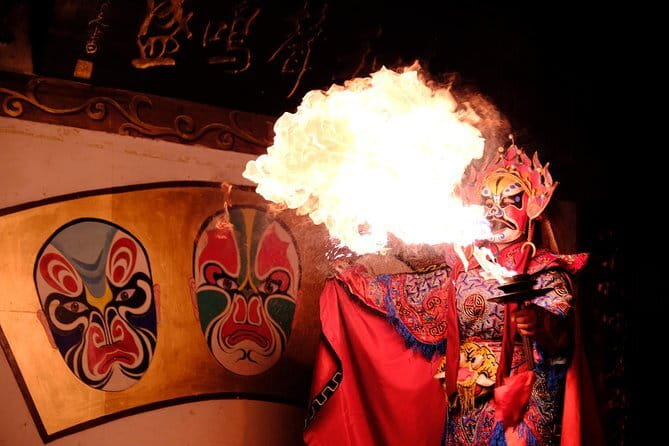
Book it if you want a central Chengdu cultural night built around the famous face-changing art, with enough extra material to keep the 70 minutes moving. The eight-face sequence, fire breathing, and the story of Little Sanqing give the production a clear reason to exist beyond a basic tourist stage show.
Skip it if you want a full traditional opera production with detailed translation and sustained attention to one story. For most first-time visitors, though, the combination of tea, opera, acrobatics, puppetry, and a $20 price makes this a sensible introduction.
You can cancel for a full refund up to 24 hours before the activity, and the reserve-now, pay-later option keeps the evening flexible. Check the exact starting time when you choose your date, then confirm that your email includes the QR code, serial number, and seat information.
FAQ
How long does the Jinjiang Theater performance last?
The performance lasts 70 minutes. Check availability for the exact starting time on your chosen date.
Where is Jinjiang Theater?
Jinjiang Theater is at No. 54 Huaxing Street, Luoma City, Jinjiang District, Chengdu, Sichuan Province, near Tianfu Square.
What does the ticket include?
The ticket includes entry to the performance with a selected ticket area and assigned seat. It also includes one bowl of Covered Bowl Tea at Yuelai Tea House beside the theater, available one hour before the show.
How do I collect the tea?
Show your ticket serial number or QR code at Yuelai Tea House. The tea is available one hour before the performance begins.
What performances are included?
The program includes Sichuan opera excerpts, hand shadow art, umbrella kicking, hidden knife work, fire breathing, Rolling Lantern, multi-person drum kicking, puppetry, face-changing, eight-face changing, three costume changes, a traditional fashion show, and several dance performances.
Are seats assigned in advance?
Seats are randomly assigned within the designated ticket area. Check your email for your seat number and ticket collection instructions.
Can children attend for free?
One adult ticket includes one child under 1.2 meters free of charge, and that child does not occupy a separate seat. Children over 1.2 meters require a full-price ticket.
Can I record the performance?
No. Video recording is not allowed, and food is also prohibited inside the theater.
Just reviewed around Chengdu
- Classsic sichuan Opera at sichuan Provincial Theater★ 5.0 · 4 reviews
- Sichuan Opera Show with Hotel Pickup★ 5.0 · 3 reviews
- Sichuan Opera with face-changing at Sichuan opera theater★ 4.5 · 6 reviews
- Skip the Line: Sichuan Opera Chengdu Ticket★ 4.0 · 8 reviews
- Jinjiang Theater: Eight-Face Changing-Legendary Sichuan Opera★ 5.0 · 6 reviews
- Shu Feng Ya Yun Sichuan Opera Ticket★ 5.0 · 13 reviews
- Chengdu Signature Opera Face Changing and Tea★ 5.0 · 7 reviews
- Chengdu Sichuan Opera Evening Show Ticket-Shu Feng Yan Yun★ 5.0 · 15 reviews
Chengdu Live Music: the closest alternatives.
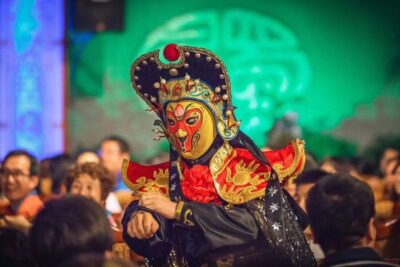
Chengdu: Sichuan Opera Shu Feng Yan Yun Evening Show Ticket
Read our review →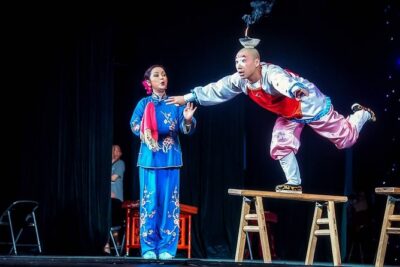
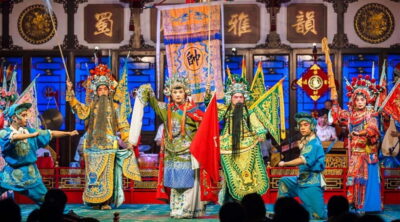
Chengdu: Sichuan Opera Show ShufengYayun & Covered Bowl Tea
Read our review →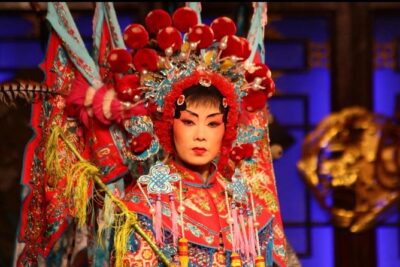
Chengdu: Sichuan Opera Face-Changing and Acrobatics Show
Read our review →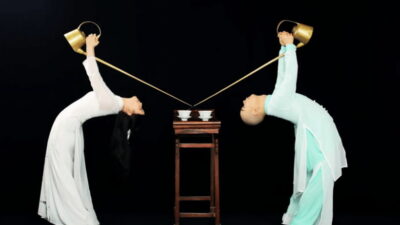
Chengdu: Liyuan Theater Sichuan Opera Face-Changing Show
Read our review →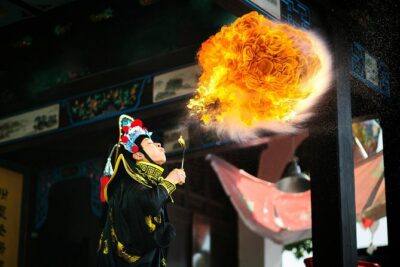
This show also appears in