
Review · TRADITIONAL MUSIC AND DANCE SHOWS
SEOUL: Gugak – Korean Traditional Music Museum&Concert Tour
The most memorable part of this outing is the change from seeing instruments behind glass to hearing them played live. You start at the Korean Traditional Music Museum, then move to the National Gugak Center’s Performance Rehearsal Hall for an 80-minute concert. It is a neat way to put names and sounds together.
I like the small group of up to 10 people, which should make questions easier, and I like the clear two-part design: a 40-minute guided museum visit followed by a full concert. Guide Elisa has earned warm praise for explaining things plainly and kindly. The main drawback is practical: transportation to the museum is not included, and the meeting details arrive before the tour, so you need to plan your route carefully.
Key points at a glance
- Two different ways to hear Gugak: First learn about the instruments, then hear them performed live.
- An 80-minute concert: The longer second half gives the music room to develop beyond a short demonstration.
- A 40-minute museum tour: Your guide introduces the history and instruments before the performance.
- Small English-speaking group: The group is limited to 10 participants, with a guide available for questions.
- Gayageum and ensemble music: Listen for the soft plucking of the gayageum as well as larger group performances.
- $49 per person: The price includes the museum visit, live concert, and guide, but not transportation, meals, or drinks.
Why this Gugak outing works so well
Korean traditional music can be hard to understand if you only encounter it as background sound. The instruments may look unfamiliar, and the pace can feel different from Western concert music. This tour gives you a short introduction first, then lets you hear the music with some context in mind.
That order matters. At the museum, you learn what Gugak is and get an introduction to its instruments and past. At the concert, you can listen for those same sounds instead of treating the performance as an attractive but mysterious wall of music.
I especially like that the concert is not tacked on as a quick finale. At 80 minutes, it makes up most of the 140-minute visit. You get time to settle into the sound, notice changes between solo or softer passages and ensemble pieces, and enjoy a proper performance rather than a brief sample.
The activity is also a good fit if you want a cultural stop that does not take up an entire day. Two hours and 20 minutes is long enough to feel worthwhile, but short enough to leave room for other Seoul plans. Just remember that the clock does not include your journey to and from the museum.
More Traditional Music and Dance Shows in the world:
- Budapest Danube Cruise and Dinner Options, Live Music and Dance
★ 4.5 · 7,428 reviews - Budapest: Dinner Cruise with Live Music and Folk Dance Show
★ 4.4 · 2,090 reviews - Budapest: Hungarian Folk Dance & Concert with Dinner Option
★ 4.2 · 786 reviews
At the Korean Traditional Music Museum
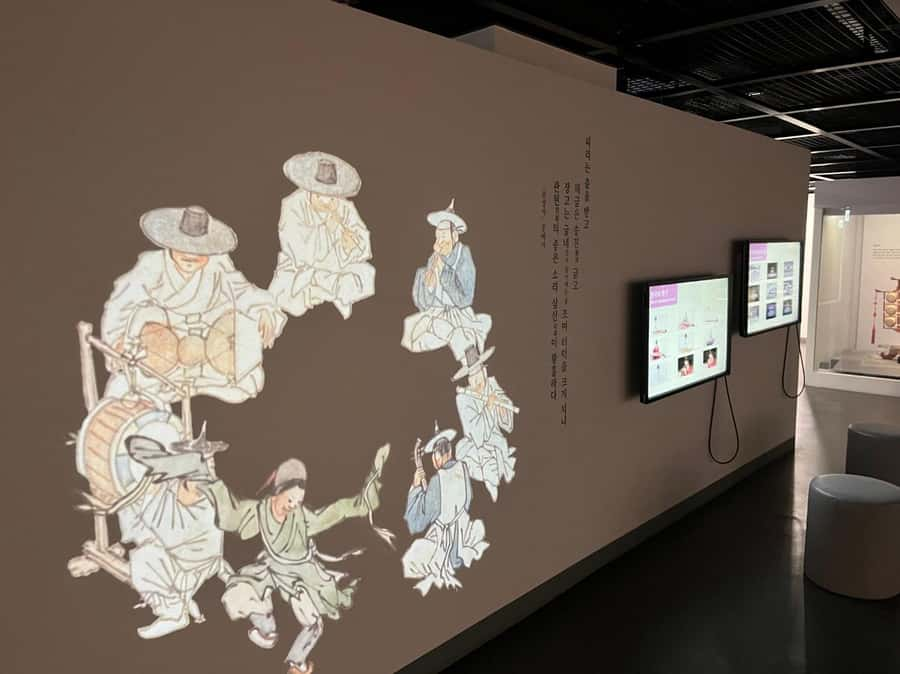
The first scheduled stop is the Korean Traditional Music Museum, where the guided portion lasts about 40 minutes. The displays explain Gugak and introduce the instruments used in Korean traditional music.
This is not just a quick walk through cases. Your guide helps connect the objects to the music you will hear later. You can expect explanations about the background of Gugak and the role of different instruments, with time to look at displays that bring the subject into focus.
Forty minutes is a sensible length for this part. It gives you a foundation without turning the museum visit into a long lecture. If you are new to Korean music, this is where you get the basic vocabulary. You begin to recognize that Gugak is not one single sound, but a broad musical tradition with different instruments and styles.
The museum stop also helps if you are traveling with someone who is unsure about attending a traditional concert. You do not have to arrive with musical knowledge. The guide’s job is to explain the setting and instruments in accessible English, and Elisa has been praised for being especially clear and warm when she leads.
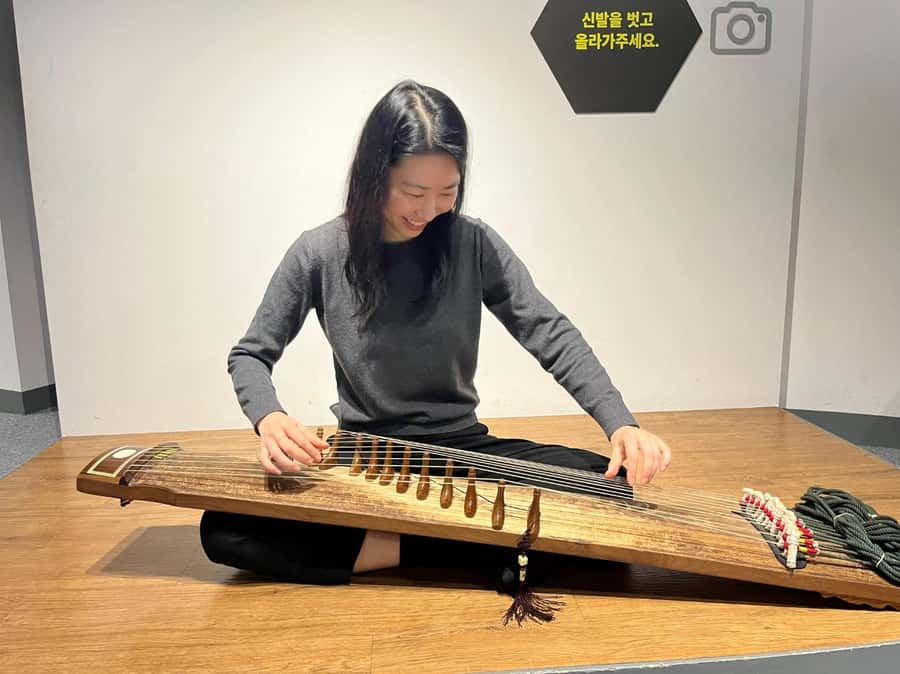
There is one limitation. The supplied details do not promise a hands-on instrument session or a private demonstration. Think of this portion as a guided museum introduction, not a workshop. If you want to try playing a gayageum yourself, this is not advertised as that kind of activity.
Hearing the gayageum in the concert hall
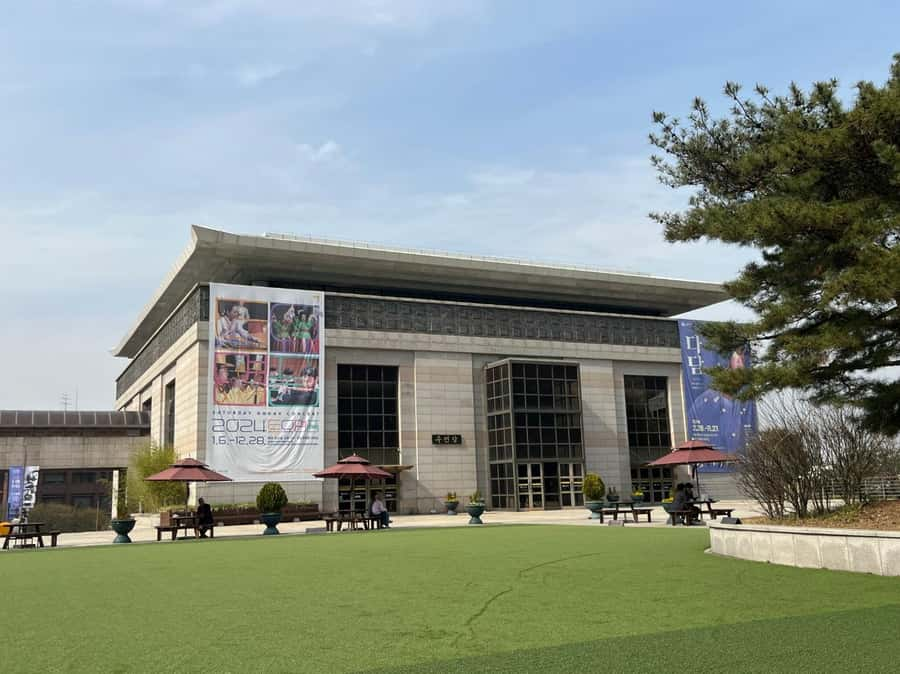
After the museum, the group goes to the National Gugak Center’s Performance Rehearsal Hall for a live concert lasting about 80 minutes. This is the heart of the outing.
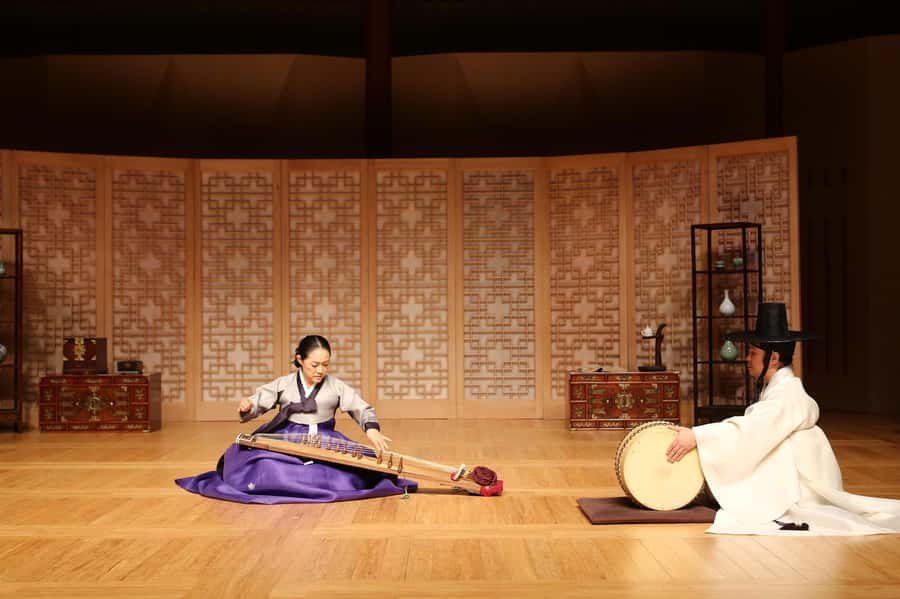
The gayageum is one sound to listen for. Its strings produce the soft plucking described in the tour information, and hearing it in a live setting gives you a better sense of its character than a label or photograph can provide. You will also hear ensemble pieces, where the music shifts from intimate passages to fuller performances.
A live concert gives you something a museum cannot: the movement, timing, and interaction of the musicians. You hear how individual sounds fit together. You also get a chance to notice the contrast between quiet, delicate playing and more dynamic sections.
The concert is described as a performance by talented musicians, but the exact program, performers, and seating details are not provided. That means you should book it for the chance to hear Gugak live, not for a promised set list or a particular artist.
The Performance Rehearsal Hall setting is worth noting. This is not presented as a grand sightseeing venue with a long architectural tour. The attraction is the music itself. If you care more about the sound than the building, that focus works in your favor.
What the guide adds
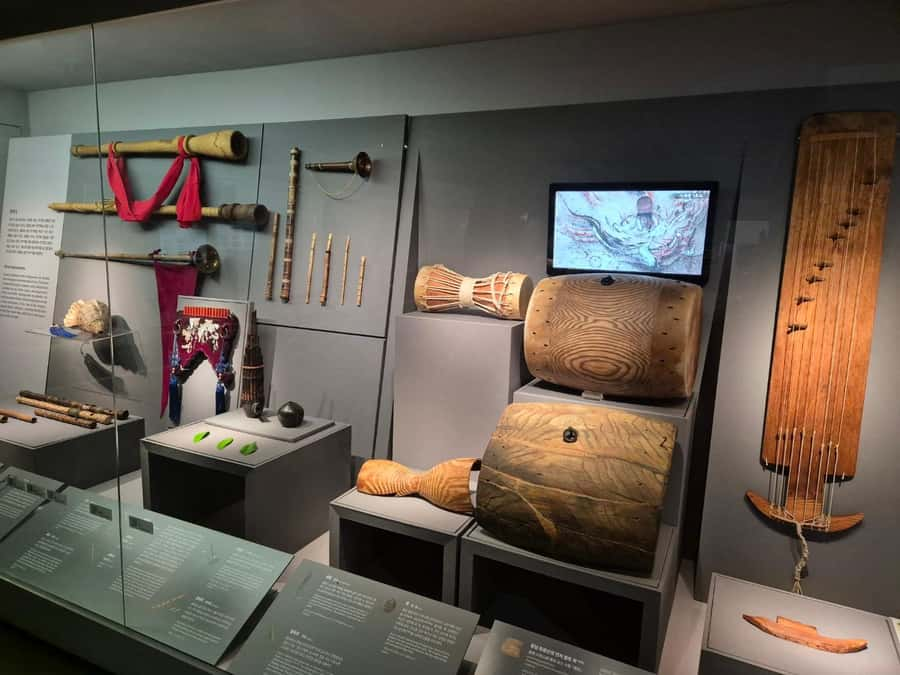
A guide can make the difference between hearing an unfamiliar concert and understanding what you are hearing. Here, the English-speaking guide explains the history and instruments during the museum visit, then helps frame the musical experience.
That support is most useful for first-time listeners. You can ask about an instrument, a sound, or a point from the museum while the information is fresh. A group capped at 10 people should also feel more manageable than a large coach tour.
Elisa is the only guide named in the supplied information. She is described as sweet, clear, and lovely, with a calm way of explaining the material. The specific guide for your date is not guaranteed, so treat Elisa as a possible guide rather than a promise.
The small group size is also a practical advantage for the meeting point. You are less likely to feel lost in a crowd, but the meeting location itself is not fully described in the information provided. Detailed meeting instructions are sent before the activity, and you can contact the operator on WhatsApp at 82-10-6263-5744 if you need help.
Music museums and concert-and-museum combos around the world:
- Venice: Vivaldi’s Four Seasons Concert & Music Museum Visit
★ 4.8 · 2,065 reviews - Vienna: Classical Concert at Mozarthaus with Museum Entry
★ 4.8 · 371 reviews - Chopin Piano Concert at Chopin Gallery with a Glass of Wine
★ 4.5 · 283 reviews - Venice: Vivaldi Baroque Concert Ticket and Free Music Museum
★ 4.8 · 103 reviews
Is $49 a fair price?
At $49 per person, the price includes three useful elements: the museum visit, the live concert, and the English-speaking guide. It does not include transportation, meals, or drinks.
I consider the price reasonable for someone who wants both interpretation and a substantial performance. You are not paying only for admission to a museum or a short cultural show. The 40-minute guided visit and 80-minute concert together fill most of the 140-minute schedule.
The value depends on how you would otherwise arrange the day. If you can reach the museum easily and would pay separately for a concert, this package may save effort and add helpful context. If you are already planning to visit the museum on your own, the main extra value comes from the guide and live performance.
The missing transportation matters. You must get to the museum yourself, and the detailed starting instructions arrive before the tour. Budget both money and time for getting there. Do not assume the $49 covers a hotel pickup or transfers, because it does not.
Meals and drinks are also excluded, though the activity is short enough that this is not a major issue. You can plan food before or after, depending on the starting time you select.
Timing, group size, and planning details
The full activity lasts 140 minutes, but available starting times vary. Check the date and time before booking, then leave enough space around the tour for transportation.
The experience ends back at the meeting point. That makes planning easier than an activity that leaves you at a different part of the city, but you still need the exact meeting instructions in advance.
The group limit is 10 participants. That is small enough for a more personal feel and should help if you want to ask about an instrument or a musical tradition. It is not a private tour, however, so expect to share the guide and concert experience with other participants.
The activity is offered in English. That is important if you want explanations about the displays and performance rather than simply attending a concert without help. The guide is included, but the level of detail can naturally vary with the group and the person leading that day.
You can cancel up to 24 hours before the activity for a full refund. The reserve-now, pay-later option is useful if your Seoul plans are still changing. Those policies reduce the risk of booking early, but you should still confirm the starting time and meeting details before finalizing your day.
Who will enjoy this most?
I would recommend this to first-time visitors who want a focused introduction to Korean culture. It is especially suitable if you like music, museums, or guided cultural activities but do not want a full-day tour.
It also works well for people who prefer explanation before performance. The museum gives you a basic framework, so the concert has more meaning. You can listen for the gayageum and other instruments with some idea of what you are hearing.
Families and mixed-interest groups may find the format useful too. The museum portion is compact, and the live concert gives the visit a clear payoff. Still, anyone joining should be comfortable sitting through an 80-minute performance. The exact concert style and program are not supplied, so people who need constant activity may find this slower than a sightseeing tour.
Music specialists may want more information before booking. The description does not name the performers, list the pieces, or explain the concert format in detail. For most visitors, that uncertainty is part of the discovery. For a devoted Gugak listener hoping to hear a specific work, it is worth asking the operator first.
A few limits to keep in mind
The biggest practical issue is transportation. You must make your own way to the museum, and the starting point is not fully spelled out in the supplied details. Wait for the detailed instructions, and use the WhatsApp number if anything is unclear.
The second issue is the fixed structure. The museum visit lasts 40 minutes and the concert lasts 80 minutes. You get a clear, well-paced introduction, but not a flexible private visit where you can linger at one display or change the schedule.
The third is the limited information about the concert itself. You know to expect Gugak, the gayageum, and ensemble pieces, but not the names of the musicians or the exact program. Book this for a well-organized first encounter with Korean traditional music, not for a guaranteed performance by a particular artist.
These are fair limits for a $49 small-group activity. They simply help you match your expectations to what is actually offered.
Should you book it?
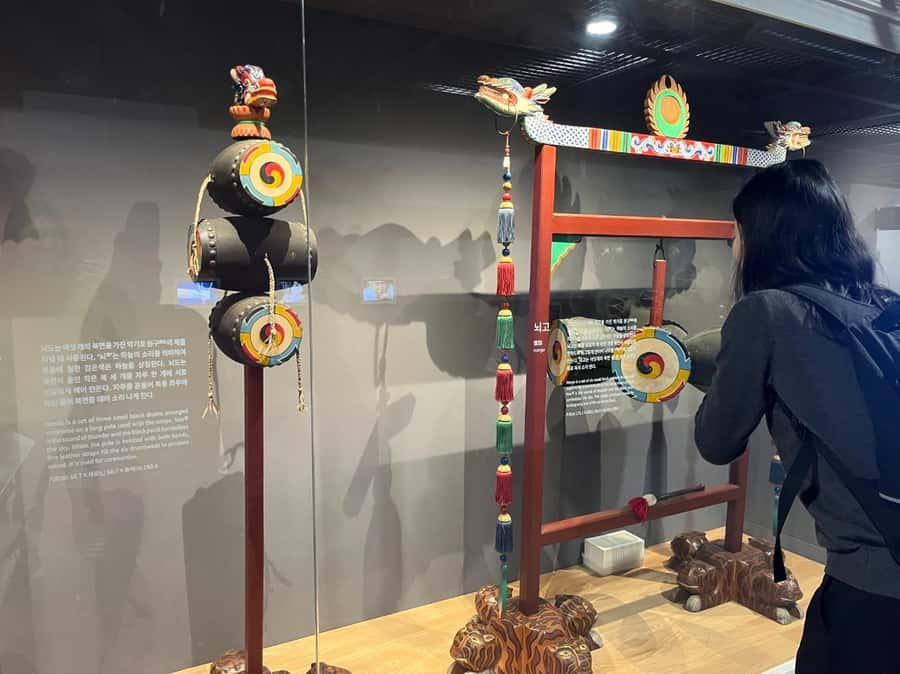
Book this tour if you want a compact, guided introduction to Korean traditional music with a real concert at the center. The combination of a 40-minute museum visit and an 80-minute performance gives you more than a quick cultural photo stop. The small group and English explanations add useful context, and Elisa appears to be a particularly friendly guide when she leads.
Skip it if you want hotel transportation, a hands-on music lesson, or a concert with a published program and named performers. Also think twice if an 80-minute seated performance is not your style.
For most visitors, this is a good-value cultural outing, especially if Gugak is new to you. Arrive with your transportation plan sorted, keep your schedule flexible around the starting time, and let the museum introduction prepare your ears for the concert.
FAQ
How long does the Gugak museum and concert activity last?
The activity lasts 140 minutes, or 2 hours and 20 minutes. The museum visit is about 40 minutes, followed by an 80-minute concert.
What does the activity include?
It includes a visit to the Korean Traditional Music Museum, a live Gugak concert, and an English-speaking guide.
Where does the concert take place?
The concert takes place at the National Gugak Center’s Performance Rehearsal Hall.
Is transportation included?
No. Transportation to and from the museum is not included, so you must arrange your own route.
Is the tour offered in English?
Yes. The activity has a live English-speaking guide.
How many people are in the group?
The group is limited to 10 participants.
Can I cancel for a refund?
Yes. You can cancel up to 24 hours in advance for a full refund. You can also reserve now and pay later.
Just reviewed around the world
- Wrocław: Chopin & Friends piano concerts★ 4.6 · 28 reviews
- Wine, Jazz and Magic: A Night at Malkhaz Jazz Club★ 5.0 · 2 reviews
- Warsaw: Chopin Concert Ticket With Glass of Champagne★ 4.7 · 59 reviews
- Warsaw: Guided Walking Tour with a Private Chopin Concert★ 5.0 · 13 reviews
- Viva Blackpool: ABBA Bottomless Brunch with Live Music★ 5.0 · 2 reviews
- Warsaw: Candlelight Concert at Fryderyk Concert Hall★ 4.7 · 110 reviews
- Vienna Supreme Orchestra at Palais Niederösterreich★ 4.8 · 10 reviews
- Vienna: Sunday Brunch Danube Cruise & Live Music★ 4.2 · 42 reviews
Traditional Music and Dance Shows: the closest alternatives.

Budapest Danube Cruise and Dinner Options, Live Music and Dance
Read our review →
Budapest: Dinner Cruise with Live Music and Folk Dance Show
Read our review →
Budapest: Hungarian Folk Dance & Concert with Dinner Option
Read our review →
Budapest: Hungarian Folklore Dance Performance & Concert Ticket
Read our review →

Afro Puerto Rican Folklore Bomba Class and Live Music
Read our review →
Traditional Balkan Night with Live Music and Dance Skopje
Read our review →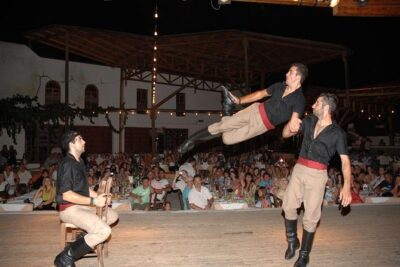
Cretan Folklore Night with Live Music, Dance, and Greek Dinner
Read our review →This show also appears in