
Review · JAPAN
Japanese Traditional Music Show in Tokyo
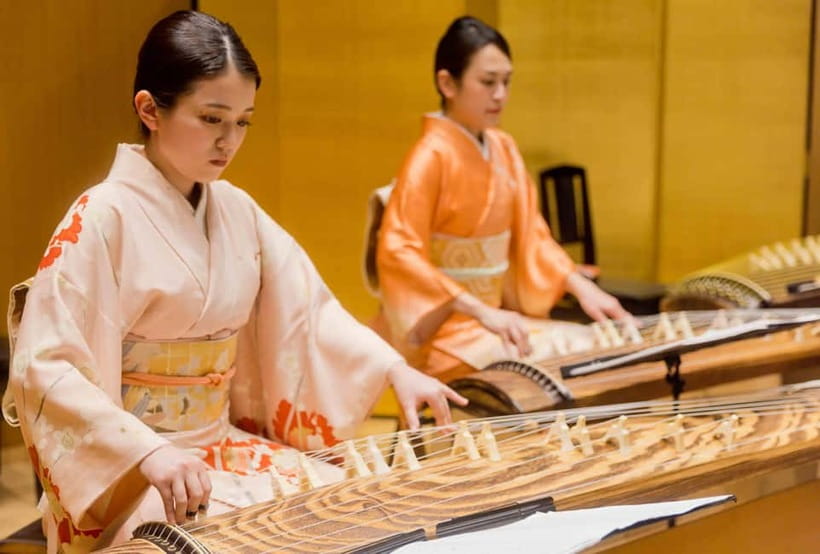
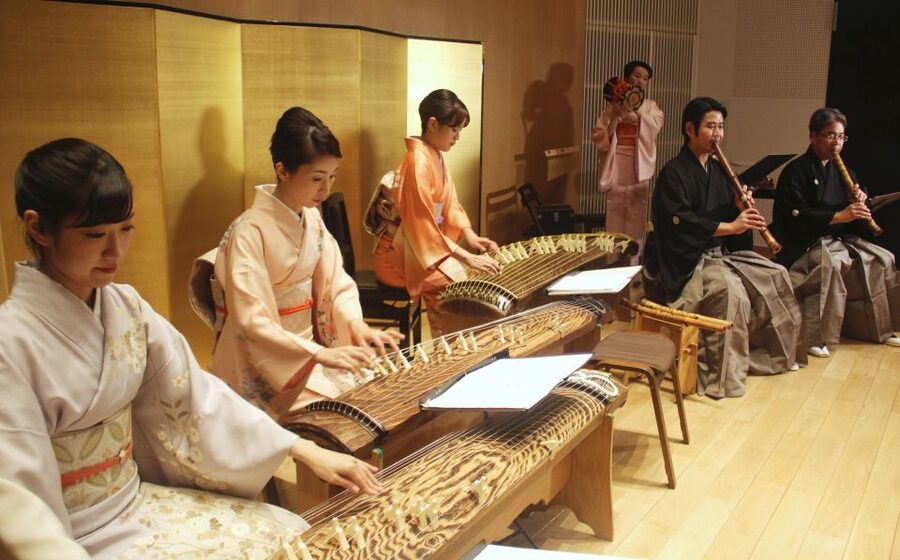
Japanese traditional music can feel distant when you only encounter it in a museum or temple setting. At ZAKURO SHOW, the musicians sit close enough for you to see how each instrument is played, from the plucked strings of the koto and shamisen to the breathy shakuhachi and booming taiko. The host explains the instruments and the music in English and Japanese, so you get more than a short concert.
I like the small, numbered audience, which keeps the performance personal, and I like the mix of ancient pieces, modern arrangements, and one unexpected Western pop cover. The one-hour format is easy to fit into a Tokyo day. The main consideration is that this is an introduction rather than a full evening concert, so serious music fans may want a longer performance.
Key points
- Four distinct Japanese instruments: Hear koto, shamisen, shakuhachi flute, and taiko drums in one short program.
- English explanations between pieces: The host covers the instruments, how they work, and the background of selected music.
- Close-up seating: The limited, numbered audience puts you near musicians in kimono.
- Old music meets new sounds: The program combines historic Japanese pieces, modern traditional music, and a surprise Western hit.
- Photos are welcome: You can record during the show and take pictures with the musicians afterward.
- Simple Harajuku access: Hall 60 is one minute from Meiji-Jingumae Station Exit 7 and five minutes from JR Harajuku Station.
Four instruments, one compact Tokyo concert
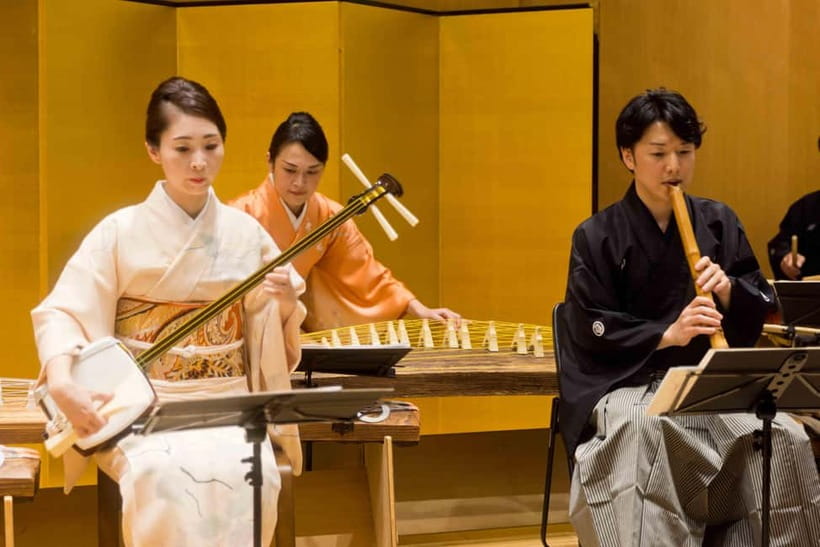
The appeal of this performance is its range. In one hour, you hear four instruments with very different voices, rather than spending the entire program with a single ensemble sound.
The koto, often described as a Japanese harp, provides bright, ringing notes. Its long body and strings give the music a clear, delicate quality. The shamisen, a three-stringed instrument, has a sharper and more percussive sound. It can feel elegant in one passage and energetic in the next.
Then comes the shakuhachi, a bamboo flute with a breathy, human tone. It brings a quieter mood and a strong sense of space. The taiko drums change the scale of the room. Their low, physical sound gives the program its strongest jolt and helps show how traditional Japanese music can move from subtle to powerful.
I find this combination useful for first-time listeners because you can compare the instruments immediately. You do not need to arrive knowing the difference between a koto and a shamisen. The explanations give you a basic map before the next piece begins.
More Traditional Music and Dance Shows in Japan:
- Budapest Danube Cruise and Dinner Options, Live Music and Dance
★ 4.5 · 7,428 reviews - Budapest: Dinner Cruise with Live Music and Folk Dance Show
★ 4.4 · 2,090 reviews - Budapest: Hungarian Folk Dance & Concert with Dinner Option
★ 4.2 · 786 reviews
What happens during the one-hour program
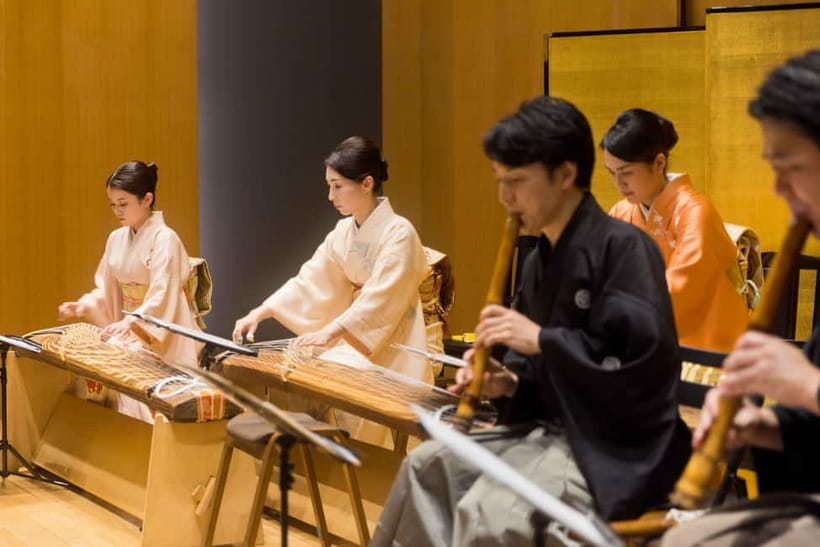
The show is built around short explanations followed by music. The host introduces the instruments and gives context for the pieces, then the musicians perform. This rhythm keeps the program easy to follow, especially if Japanese music is new to you.
You will learn about the history of the instruments involved, along with how they are made and played. One useful part of the format is that the information is placed between musical selections rather than delivered as a long lecture at the start. You hear a sound, learn a little about its source, then listen again with better ears.
The music includes older Japanese compositions and newer arrangements. That balance matters. A program made only of historic works can be beautiful but difficult for a newcomer to place. The modern material helps connect the instruments to sounds you already understand.
There is also a Western hit included as a surprise. The title is not given in advance, which is part of the fun. The arrangement shows how unusual these instruments can sound when they move outside their expected setting. It also gives you a quick reference point: you know the melody, but hear it through koto, shamisen, flute, and drums.
Why the explanations add real value
A short concert without context can leave you admiring the skill but missing the meaning. Here, the English and Japanese host explains the instruments and selected music throughout the program.
The host’s role is more than translation. The explanations help the audience feel comfortable, clarify what to listen for, and connect the pieces to the instruments producing them. Several parts of the program focus on how the instruments work, how they are made, and their place in Japanese musical culture.
This is especially helpful for families and mixed groups. A serious music fan can focus on technique and tone, while a teenager or first-time listener gets a clear reason to pay attention. One family found the ability to record the full show particularly useful, and the direct explanations make those recordings easier to appreciate later.
You should not expect a university lecture or a detailed study of Japanese music. The information is designed to support a live performance. For most people spending one hour in Tokyo, that is the right balance.
A close view of musicians in kimono
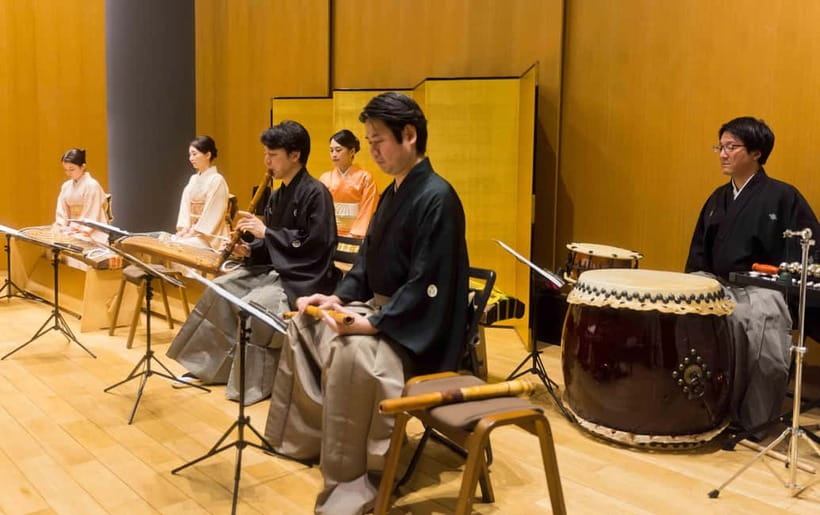
The musicians and their instruments are positioned directly in front of the audience. The limited seating and numbered places help preserve that close feeling.
This is not a large theater production where you watch from far away. You get a better chance to see fingers move across strings, the shape of the instruments, and the physical work behind the taiko. Their kimono add a visual connection to the music without turning the performance into a costume show.
The small room also affects the sound. Softer instruments such as the shakuhachi and koto can be heard without being lost in a large hall. When the drums enter, you are close enough to feel their force.
The tradeoff is simple: a smaller venue has less room for people who prefer a grand concert-hall experience. If you want a polished stage spectacle with a large orchestra, this is not that. If you want to see the instruments clearly and feel close to the performers, the format works well.
Other concerts and shows we rate around Japan
- Kyoto: Traditional Concert at Townhouse or Bathhouse
★ 4.9 · 224 reviews - Experience the Asakusa Kabuki Opera Show!
★ 5.0 · 99 reviews - Traditional Japanese Music show & Experience Tour in Kyoto
★ 5.0 · 57 reviews - Concerts Played with Traditional Instruments in Kyoto
★ 5.0 · 50 reviews
Music that works for first-time listeners
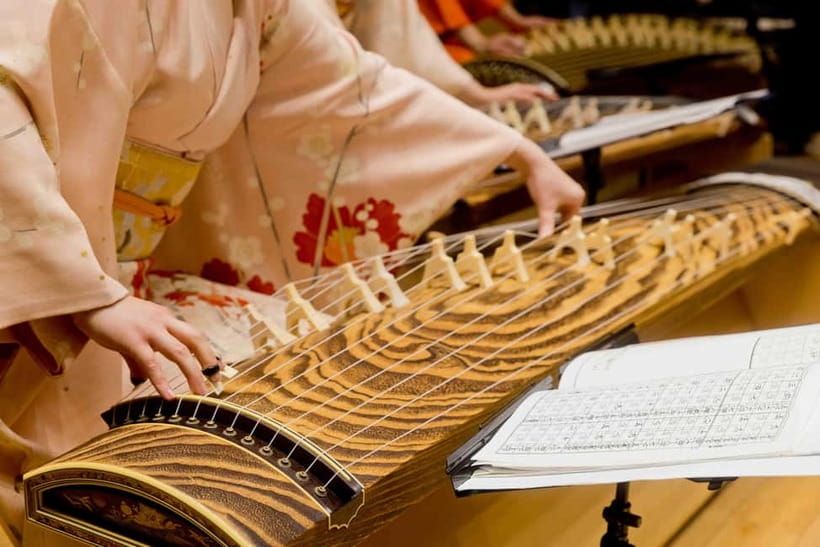
The program is made for both Japanese residents and international visitors. You do not need previous knowledge of Japanese music, and the bilingual presentation helps remove the usual language barrier.
The selection of music appears designed to keep the hour moving through contrasting moods. Ancient compositions offer a sense of tradition. Modern traditional pieces show that wagakki, the Japanese word for traditional instruments, are not locked in the past. The Western cover adds a playful change of direction.
I appreciate that structure because it gives you several ways into the music. You might be drawn to the calm flute, the precise strings, or the dramatic drums. You might also find that a familiar melody helps you hear the instruments differently.
The show is not a replacement for a longer cultural program or a specialist concert. It is a well-sized introduction. If you have only a little time and want something more focused than a general cultural demonstration, this hour makes sense.
Photos, videos, and meeting the musicians
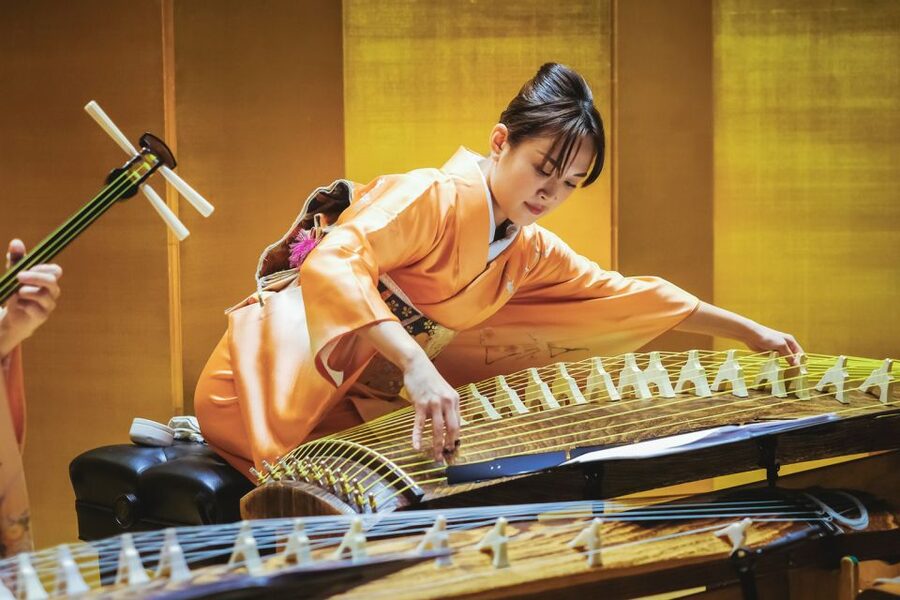
Photography and video are allowed during the performance. That is a useful feature for families, younger visitors, and anyone who wants to remember the unusual sounds and instruments.
You can also take photos with the musicians afterward. This gives the event a friendly finish and lets you see the performers at close range once the music has ended. It is a chance to ask a brief question or simply thank them, though the available information does not promise a long meet-and-greet session.
If you record, be considerate of the people around you. Keep your phone from blocking another person’s view, and avoid letting the screen distract you from the live sound. The experience works best when your camera is an option, not the whole purpose of the hour.
The photo opportunity is also useful for parents with children. It turns an unfamiliar musical performance into a more personal memory. For adults, it provides a clear ending rather than having the concert stop suddenly after the last piece.
Is $38 a fair price?
At $38 per person, the value depends on what you want from a Tokyo evening. You receive a reserved seat, admission, a one-hour concert, bilingual explanations, and the chance to photograph the musicians. Food, drinks, transportation, and merchandise are not included.
For a short cultural activity in central Tokyo, I consider the price reasonable, especially because the program combines performance and explanation. You are not simply paying for background music. You are getting a guided introduction to several instruments that would be difficult to understand from a recording alone.
The price is less attractive if you mainly want a long concert. One hour passes quickly, and the program is aimed at broad appeal rather than a full-length recital. Still, the fixed duration makes it easy to pair with dinner, Harajuku shopping, Meiji-Jingu, or another evening plan.
The strongest value comes from the variety. A separate opportunity to hear koto, shamisen, shakuhachi, and taiko could take more planning and cost more. Here, the instruments are brought together in one accessible show.
Getting to Hall 60 in Harajuku
The meeting point is Hall 60. From Meiji-Jingumae Station, use Exit 7. The venue is about a one-minute walk away. From JR Harajuku Station, use the Omotesando Exit and allow about five minutes.
This is an easy activity to place in a day around Harajuku and Omotesando. You do not need a hotel pickup or drop-off, so plan your own route to the hall. The short walk from both stations is useful if you are adding the show after sightseeing.
Check the available starting times when booking. The performance lasts one hour, but the exact schedule can vary. Arrive with enough time to find Hall 60 and settle into your reserved seat.
The activity is wheelchair accessible. English and Japanese support is available through the host or greeter. Free cancellation is offered until 24 hours before the start time, and you can reserve now and pay later if that option is available for your booking.
Who will enjoy ZAKURO SHOW most?
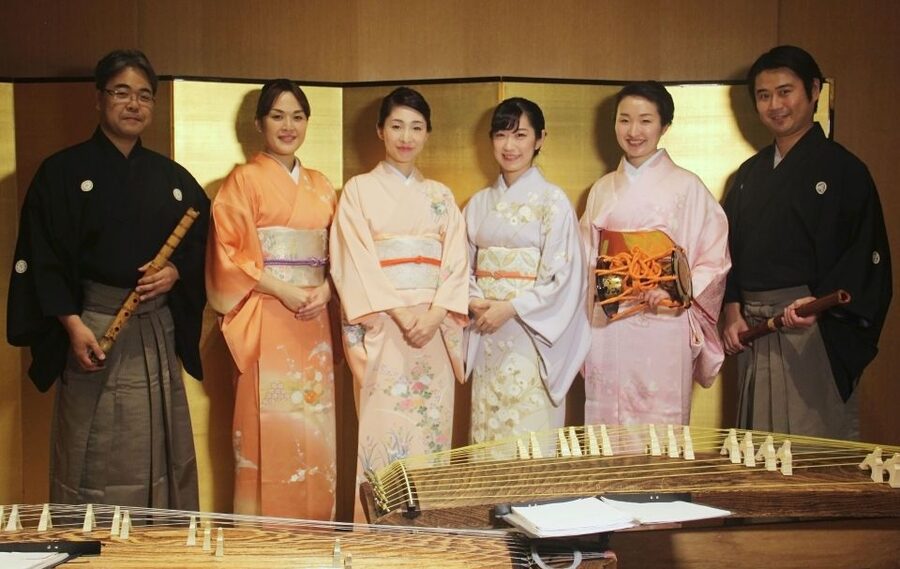
I would recommend this to you if you want a clear, compact introduction to Japanese culture without committing to a long evening. It suits first-time visitors, families, couples, teenagers, and anyone curious about unfamiliar instruments.
It is also a good choice if you enjoy music but do not normally attend classical performances. The Western cover and modern selections make the program less formal, while the explanations keep the traditional pieces approachable.
The show may be less suitable if you want a large-scale taiko spectacle, a long recital, or a performance with no spoken sections. The teaching is part of the design. You will hear music, pause for explanations, and then hear more music.
I would especially consider it for a rainy afternoon or an evening when you want a scheduled activity near Harajuku. The one-hour length leaves room for other plans, and the reserved seating removes some of the uncertainty that comes with finding a last-minute cultural event.
Should you book this Tokyo music show?
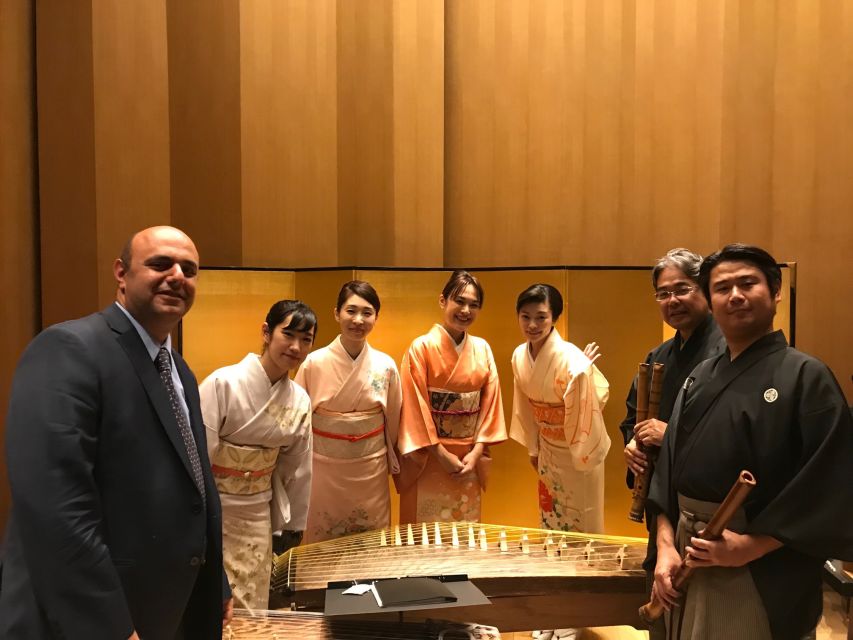
Book it if you want close seating, clear English explanations, and several Japanese instruments in one short performance. The program gives you koto, shamisen, shakuhachi, and taiko, then adds older music, modern arrangements, and a surprise Western song.
Skip it if your priority is a full-length concert or a major theater production. For most visitors, though, the $38 price is fair for a focused cultural experience with a bilingual host, reserved seat, photo opportunities, and easy Harajuku access. It is a particularly smart pick for anyone who wants to understand what they are hearing, not just listen from a distance.
FAQ
How long does the Japanese Traditional Music Show last?
The concert program lasts one hour.
Where is the show held?
It is held at Hall 60 in Tokyo, in the Harajuku and Meiji-Jingumae area.
How do I reach Hall 60 by train?
From Meiji-Jingumae Station, use Exit 7. The hall is about a one-minute walk away. From JR Harajuku Station, use the Omotesando Exit and walk about five minutes.
Which instruments are performed?
The program features koto, also described as a Japanese harp, shamisen, shakuhachi flute, and taiko drums.
Is the show available in English?
Yes. The host or greeter provides support in English and Japanese, including explanations and translation during the program.
Can I take photos and videos?
Yes. You can take photos and videos during the show and take photos with the musicians afterward.
Is the venue wheelchair accessible?
Yes, the activity is wheelchair accessible.
Can I cancel my booking?
You can cancel up to 24 hours in advance for a full refund. A reserve-now, pay-later option is also available.
Just reviewed around Japan
- Japanaese tradtional Tsugaru Shamisen music lesson in Tokyo★ 4.5 · 3 reviews
- Tsugaru shamisen performance over traditional dinner★ 5.0 · 9 reviews
- Easy for everyone! Now you can play handmade mini shamisen and show off to everyone! Musical instruments, sweets and live music★ 5.0 · 3 reviews
- Traditional Japanese Music show & Experience Tour in Osaka★ 5.0 · 25 reviews
- Traditional Concert in Public bath near Kyoto Station★ 5.0 · 5 reviews
- Private Japanese music concert★ 5.0 · 4 reviews
- Kyoto: Matcha & Traditional Japanese Music Immersive Experience★ 5.0 · 9 reviews
- Kyoto: Kujo-yu Sento Traditional Japanese Instrument Concert★ 5.0 · 2 reviews
Japan Live Music: the closest alternatives.
Kyoto: Traditional Concert at Townhouse or Bathhouse
Read our review →
Traditional Japanese Music show & Experience Tour in Kyoto
Read our review →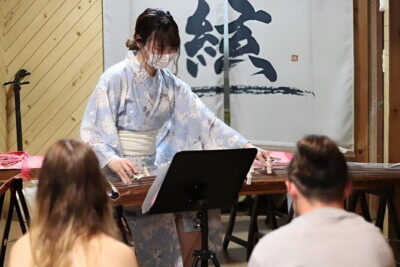
Concerts Played with Traditional Instruments in Kyoto
Read our review →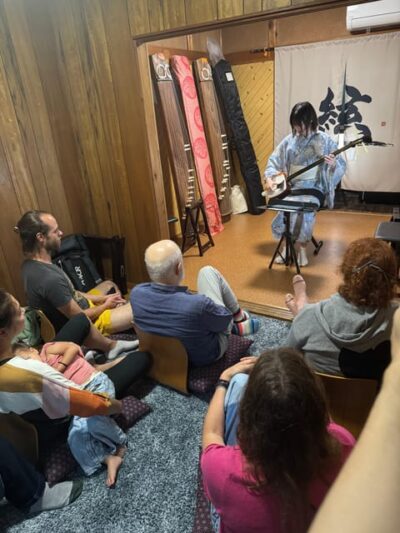
Kyoto: Japanese Koto & Shamisen Concert and Koto Class
Read our review →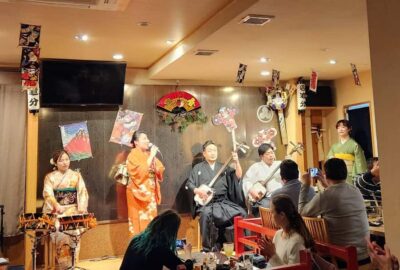
Tokyo: Traditional Asakusa Music Show with Dinner
Read our review →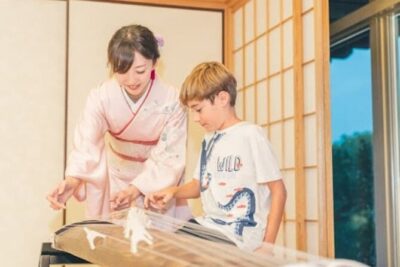
Kyoto: Matcha & Traditional Japanese Music Immersive Experience
Read our review →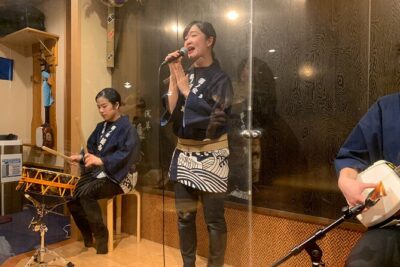
Tsugaru shamisen performance over traditional dinner
Read our review →This show also appears in