
Review · NEW ZEALAND
Twilight at the Opera
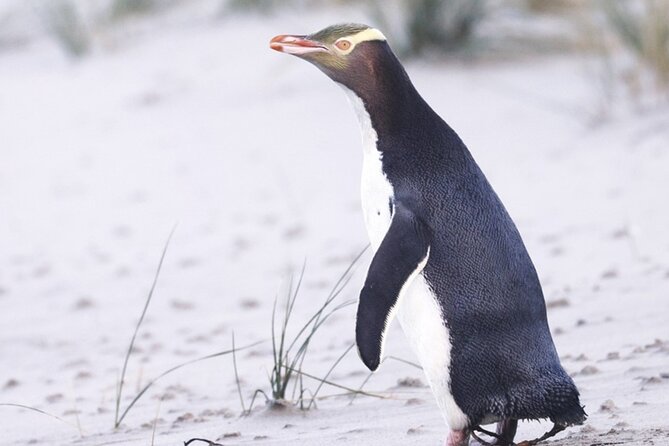
The best reason to choose Twilight at the Opera is the timing. You visit the Otago Peninsula reserve as daylight fades, when hoiho, or yellow-eyed penguins, may return from a day at sea. I like the small group of no more than 15 people and the fact that your fee helps fund penguin care, habitat work, and education. The catch is simple: wild penguin sightings depend on nature, and sunset weather can be cold and wet.
I also like the three-part format. You first learn how the reserve protects hoiho, then see penguins in the rehabilitation centre when birds are in care, and finally walk into the reserve with binoculars. If rain arrives, take the borrowed waterproof jacket seriously, since the paths can require careful footing.
Key points to know before booking
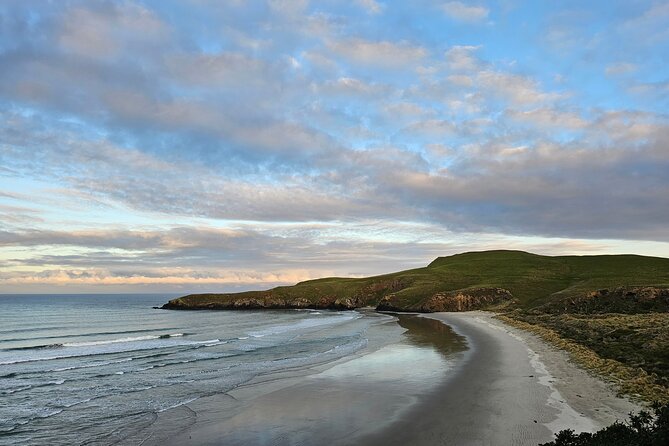
- Sunset is the main attraction: The fading light gives the reserve a special feel and can offer a good chance to see hoiho returning from sea.
- The tour lasts about 90 minutes: The experience combines a theatre presentation, rehabilitation centre visit, and guided reserve walk.
- Wild sightings are not promised: You may see hoiho in the wild, but some evenings produce only birds in rehabilitation care.
- Small groups help: The maximum group size is 15, a useful limit in a wildlife setting.
- Rain gear and binoculars are supplied: You can borrow a waterproof jacket and high-quality binoculars at no extra charge.
- Your ticket supports conservation: Tour income goes toward rehabilitation, restoration, conservation, and education work at The OPERA.
Why sunset changes the Otago Peninsula experience
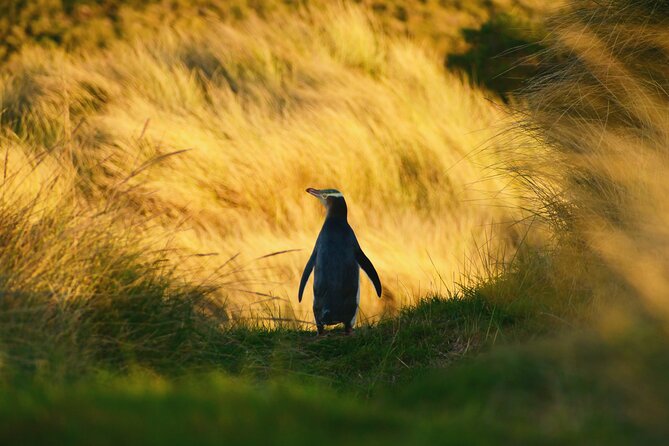
The Otago Peninsula is known for wildlife, but this tour asks you to watch it at a particular hour. Instead of arriving in bright afternoon light, you reach the reserve as the sun drops and the day’s activity changes. That makes the 90-minute visit feel more focused than a general sightseeing stop.
The main hope is to see a hoiho returning from the sea after feeding. These endangered yellow-eyed penguins are the star of the experience, and seeing one in its natural setting is far more meaningful than simply viewing a penguin behind glass. Still, I would book this tour only if you can accept an uncertain result.
The reserve also provides chances to see fur seals, sea lions, shorebirds, land birds, and other native fauna. The timing may be especially useful for wildlife watching, but animals decide the schedule, not the guide. A quiet evening with no penguin arrival is possible.
That uncertainty is not a flaw in the tour. It is part of any wild-animal encounter. The important difference here is that the tour gives you more than a single viewing opportunity. You receive background information, a look at birds receiving care, and time outside in the reserve.
Other concerts and shows we rate around the world
- Vienna: Vivaldi’s Four Seasons Concert in Karlskirche
★ 4.7 · 14,951 reviews - Venice: La Fenice Opera House Entry Ticket with Audio Guide
★ 4.6 · 11,742 reviews - Sydney: Opera House Guided Tour with Entrance Ticket
★ 4.8 · 8,312 reviews
The theatre briefing puts the penguins first
Your visit begins in a theatre setting with an introduction to the hoiho and the conservation work carried out at The OPERA. This opening matters because it gives context to what you are about to see.
You learn about the penguins before entering the reserve, so the evening is not just a quick search for movement near the shore. The briefing explains why the species needs protection and how the organisation works to support it. That makes the later walk more rewarding, especially if a penguin appears only briefly.
I appreciate this beginning because wildlife tours can sometimes rush straight to the viewing point. Here, the educational part is built into the experience. It also gives you a better sense of why your admission fee has value beyond the 90 minutes you spend on site.
The theatre portion is also helpful if the weather is poor. On a cold or rainy evening, you get an indoor start before heading outside. The supplied information does not give a presentation length or identify individual guides, so expect a general introduction rather than a named speaker-led lecture.
Inside the rehabilitation centre
The second part takes you into the rehabilitation centre. When hoiho or other penguins are receiving care, you can see them at close range.
This is the most dependable wildlife element of the tour, though it still depends on which birds are in care that day. A rehabilitation centre is not a zoo display, and the penguins are there because they need help. That difference is worth keeping in mind. You are seeing a working care facility, not a guaranteed animal presentation.
For many people, this close view may become the evening’s main reward. A wild hoiho can remain hidden or fail to return to shore while a bird in rehabilitation provides a clear look at the species. The two settings also work well together: you see the penguin as an animal needing protection, then look for one living freely in the reserve.
The centre adds value for families and for anyone who wants more than a scenic walk. It also makes the tour a reasonable choice during less favorable wildlife conditions. On one wet outing, the wild yellow-eyed penguins did not appear at the beach or near their nests, but two hoiho were visible in the rehabilitation section.
The final walk through the private reserve
The last part moves outdoors into The OPERA’s private reserve. This is where the sunset setting matters most. You use the supplied binoculars to scan for penguins and other native wildlife as the light fades.
You may look for hoiho returning from the sea, along with fur seals, sea lions, shorebirds, land birds, and other fauna. The reserve gives the experience a more protected, purposeful setting than a simple public lookout. The tour supports the organisation’s wider work in conservation, rehabilitation, restoration, and education, so the walk connects wildlife watching with active protection.
The binoculars are a practical inclusion. High-quality optics give you a better chance of identifying distant movement without crowding an animal or relying only on your own eyesight. In low evening light, that help becomes more useful.
The walk does require a moderate level of physical fitness. You should be prepared to spend part of the tour outdoors and to pay attention to your footing. Rain can make walking more difficult, so use the complimentary waterproof jacket and take your time. This is not the right pick if you want a fully indoor activity or a guaranteed, effortless animal viewing.
Same city, a different kind of sound:
- New Orleans Steamboat Natchez Jazz Cruise with Dinner Option
★ 4.0 · 7,533 reviews - Budapest Danube Cruise and Dinner Options, Live Music and Dance
★ 4.5 · 7,428 reviews - Paris: 3-Course-Dinner Cruise on the Seine with live music
★ 4.7 · 7,248 reviews - Vienna: Classical Concert in the World-Famous Musikverein
★ 4.6 · 6,673 reviews
Weather can make or break the mood
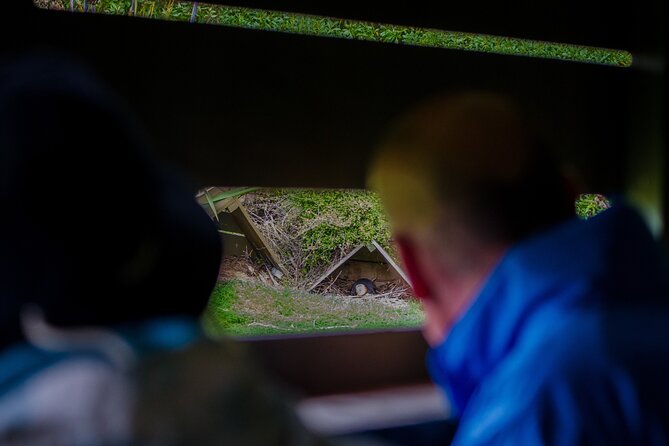
Sunset sounds gentle, but the Otago Peninsula can be cold and wet. You receive a waterproof jacket, which is a real help, but you still need to dress for outdoor conditions. The experience does not include alcoholic drinks, and there is no indication of food or refreshments, so plan accordingly.
Rain does not automatically ruin the tour. In fact, the indoor theatre and rehabilitation centre give you two sheltered stages before and during the visit. But the reserve portion will feel less comfortable in poor weather, and wet ground may call for careful walking.
I would treat the weather forecast as a decision tool rather than a reason to cancel at the first sign of clouds. A clear evening may bring the best sunset views, while a rainy evening can still provide the close penguin view and a memorable look at the reserve. Just know that the outdoor section will be more demanding.
The jacket loan and binoculars also make the $46.54 price easier to assess. You are not paying only for a short walk. The fee includes equipment, guided access, educational material, and entry to a conservation operation.
Is $46.54 good value?
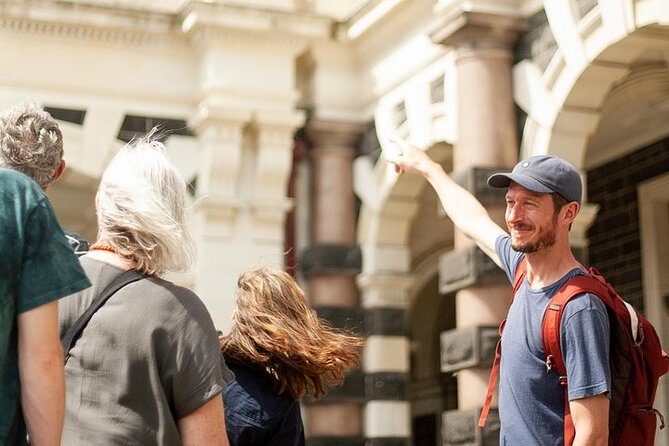
At $46.54 per person, this is reasonably priced for a 90-minute guided wildlife experience, especially with a group capped at 15 people. The value comes from the combination of access and purpose.
You receive a theatre presentation, a rehabilitation centre visit, a reserve walk, binoculars, and a waterproof jacket. More important, the money supports the conservation and care work at The OPERA. If you already plan to visit the Otago Peninsula, this gives you a focused way to spend part of your evening.
The price is less attractive if your only goal is a guaranteed wild penguin sighting. No tour can promise that here, and the experience does not claim to do so. You need to be comfortable paying for the chance to see hoiho in a natural setting, along with the education and conservation work that make the chance possible.
The small group is another part of the value. A maximum of 15 people is far more manageable than a large coach outing. You have a better chance of hearing the guide and using the binoculars without feeling lost in a crowd.
Who will enjoy this tour most?
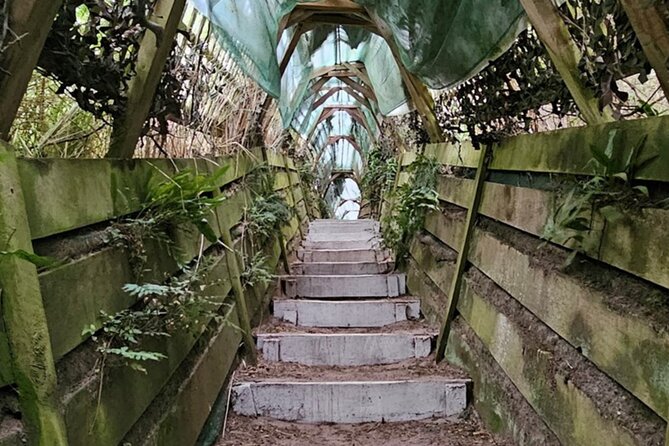
I would recommend Twilight at the Opera to people who care about wildlife protection as much as wildlife photography. It suits you if you want to understand the work behind penguin conservation, not simply take a quick picture.
It is also a good choice for visitors who have already seen daytime sights around Dunedin and want a different pace. Sunset gives the visit a clear identity, while the indoor briefing and rehabilitation centre keep the experience varied.
Families with older children may enjoy the mix of learning, close animal viewing, and outdoor searching. The moderate fitness requirement means you should consider the group’s ability to walk outdoors, especially in rain.
Photographers should keep expectations in check. The fading light can be beautiful, but it also makes distant wildlife harder to capture. The tour is better suited to watching and learning than to expecting a perfect penguin photograph.
You might also choose it if supporting local conservation is a major part of your trip. The ticket directly helps fund restoration, rehabilitation, education, and protection at the reserve. That gives your evening a practical purpose beyond sightseeing.
Who should choose another activity?
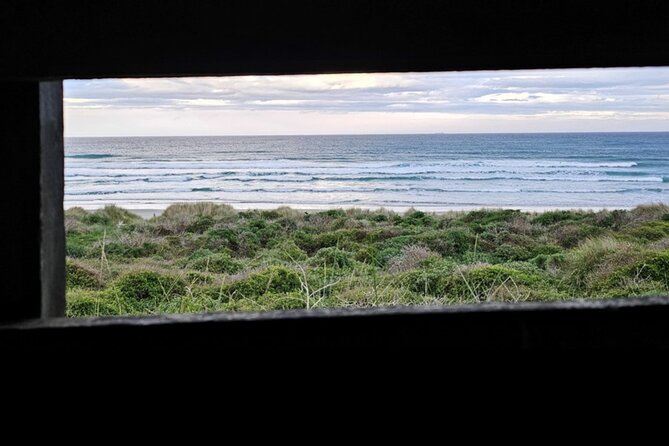
I would look elsewhere if you need a fully predictable schedule or a guaranteed wild penguin encounter. The tour cannot control when hoiho return, where they settle, or whether they appear at all.
It may also be a poor match if you dislike cool, wet conditions or have difficulty walking carefully outdoors. The provided jacket helps, but it does not turn a rainy reserve into an indoor attraction.
The 90-minute length is a benefit for many people, but it also means you are taking part in a compact visit. If you want a long wildlife expedition or several hours of patient observation, this is probably too short.
Still, the rehabilitation centre softens the risk of an unsuccessful wild sighting. You might miss penguins on the beach and still see two in care, as happened on a wet outing. That does not replace a wild encounter, but it gives the evening a worthwhile second chance.
Meeting point and practical planning
The tour starts and ends at 45 Pakihau Road, Portobello, Dunedin 9077. Since the supplied details do not include transport from central Dunedin, you should plan your own way to the meeting point and allow enough time to arrive before the start.
A mobile ticket is accepted, and confirmation arrives when you book. The maximum group size is 15 people, and the experience takes about one hour and 30 minutes.
You receive complimentary waterproof jackets and high-quality binoculars. Bring suitable outdoor clothing anyway, since the jacket is a useful layer rather than a replacement for sensible preparation.
The tour is often booked about 47 days ahead. That suggests you should reserve early if your Dunedin dates are fixed, especially if you want an evening that fits neatly into a wider Otago Peninsula plan.
Free cancellation is available when you cancel at least 24 hours before the start time. Cancellations or changes made inside that window are not accepted for a refund, and all cut-off times use local time.
The conservation value behind the visit
The strongest feature of this experience is its connection to ongoing work. The OPERA uses tour operations to fund conservation, rehabilitation, restoration, and education. Your admission helps support the place you are visiting rather than treating it only as a viewing platform.
That matters with hoiho. An endangered species needs more than a scenic reserve and interested onlookers. The rehabilitation centre shows the practical side of protection, while the reserve walk shows why habitat restoration and careful management matter.
I like tours that let you see both sides of wildlife work. You get the hopeful moment of searching for a penguin in the wild, but you also see that some birds need direct care. The experience does not hide the uncertainty or promise a staged encounter.
For you, that means the ticket carries two kinds of value. There is the immediate value of a guided sunset visit, and there is the longer-term value of helping maintain conservation programs in the Otago Peninsula.
Should you book Twilight at the Opera?
Book it if you want a small-group evening focused on hoiho, conservation, and the changing light of the Otago Peninsula. The theatre briefing, rehabilitation centre, and private reserve create a well-rounded 90-minute visit, while the binoculars and waterproof jacket make the outdoor part easier.
Go in with realistic expectations. You may see yellow-eyed penguins returning from sea, or you may see other wildlife and penguins in care instead. If you can accept that wild animals set the timetable, the $46.54 price offers solid value and supports work worth backing.
I would choose this tour for the conservation connection and the chance to see hoiho in their natural setting. I would skip it only if bad weather, moderate outdoor walking, or uncertain wildlife sightings would leave you disappointed.
FAQ
Where does Twilight at the Opera start and finish?
The tour starts at 45 Pakihau Road, Portobello, Dunedin 9077, New Zealand. It ends back at the same meeting point.
How long does the tour last?
The experience takes approximately one hour and 30 minutes.
Will I definitely see yellow-eyed penguins in the wild?
No. Hoiho may return from the sea at sunset, but wild sightings are not guaranteed. When penguins are receiving care, you may see them in the rehabilitation centre.
What wildlife might I see?
Possible sightings include hoiho, fur seals, sea lions, shorebirds, land birds, and other native fauna.
Are binoculars and rain jackets provided?
Yes. The tour includes use of high-quality binoculars and complimentary waterproof jackets.
What happens if I need to cancel?
You can receive a full refund if you cancel at least 24 hours before the experience starts. Cancellations or changes made less than 24 hours before the start time are not accepted for a refund.
Just reviewed around the world
- Wrocław: Chopin & Friends piano concerts★ 4.6 · 28 reviews
- Warsaw: Chopin Concert Ticket With Glass of Champagne★ 4.7 · 59 reviews
- Warsaw: Guided Walking Tour with a Private Chopin Concert★ 5.0 · 13 reviews
- Wine, Jazz and Magic: A Night at Malkhaz Jazz Club★ 5.0 · 2 reviews
- Viva Blackpool: ABBA Bottomless Brunch with Live Music★ 5.0 · 2 reviews
- Warsaw: Candlelight Concert at Fryderyk Concert Hall★ 4.7 · 110 reviews
- Vienna Supreme Orchestra at Palais Niederösterreich★ 4.8 · 10 reviews
- Vienna: Sunday Brunch Danube Cruise & Live Music★ 4.2 · 42 reviews