
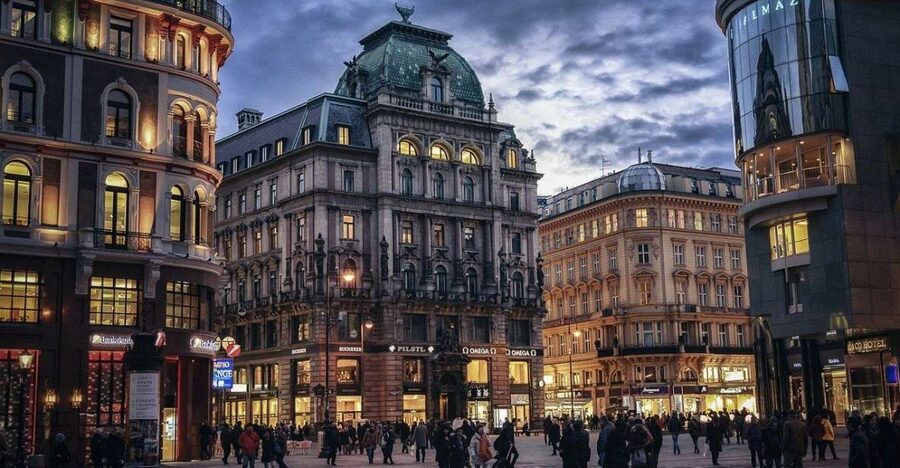
Review · VIENNA
Vienna Private Walking Tour including State Opera
Vienna’s grand story unfolds in a compact city-center walk, from Roman Vindobona and medieval walls to the Habsburg court, Mozart, the State Opera, and Stephansdom. The most unusual feature is the attempt to pair a broad history lesson with a look inside Vienna’s famous opera house.
I like the private format, which gives your group of up to 15 a chance to ask questions and set the pace. I also like the route’s range: you move from imperial facades to Roman ruins, churches, music history, and the city’s difficult twentieth century. The main caution is the State Opera visit. The description says it is included, yet one booking report says it amounted to the lobby, while another says a fuller opera tour required a separate booking and payment. Confirm this before you commit.
Key points to know before booking
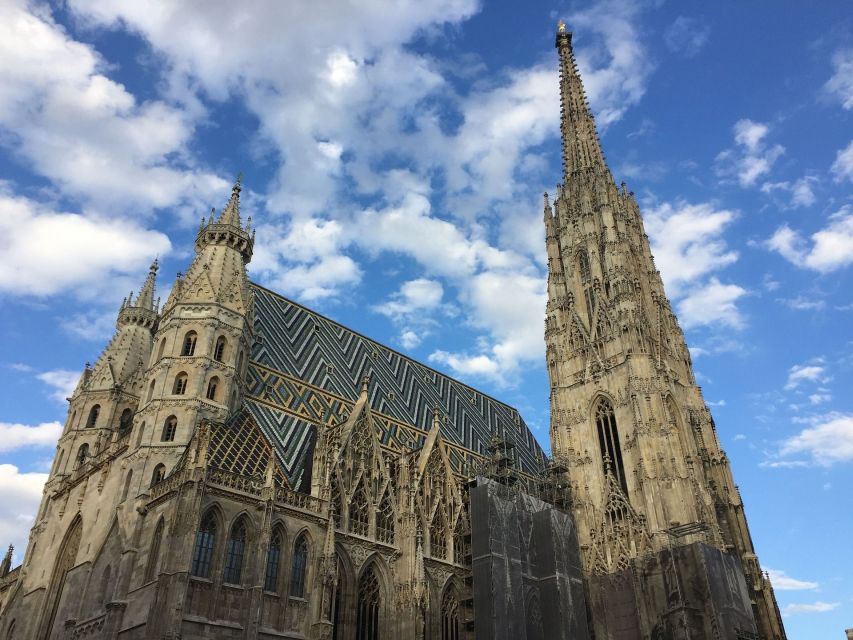
- Three hours on foot: The route covers Stephansplatz, the State Opera, Hofburg, Michaelerkirche, Graben, and other central sights.
- Private group up to 15: You receive a guide for your own party rather than joining a large shared group.
- English or German guide: A live guide leads the walk in one of these two languages.
- Opera details need checking: The State Opera stop may be limited, and additional entrance costs are not included.
- Strongest praise is for the guiding: One dated report found the guide highly competent and the three hours pleasantly full.
- A sensitive-history concern: Ask about your guide in advance if careful treatment of war, Jewish, and political history matters to you.
Vienna’s story begins at the opera
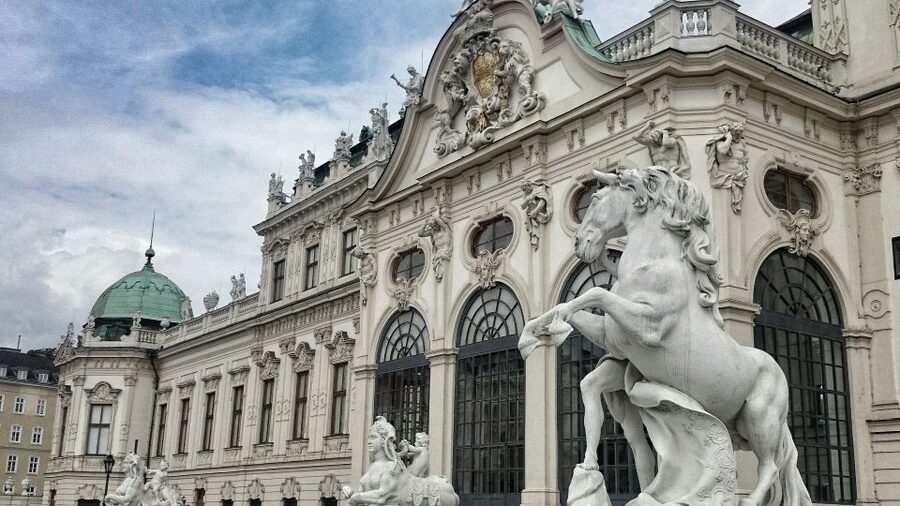
The State Opera is a fitting starting point because it links Vienna’s imperial power with its musical identity. Built in the 1860s as the Vienna Court Opera, it later received its current name in 1920, during the formation of the early Austrian Republic.
Inside, your guide is meant to introduce the building and the company connected with works such as La Traviata, La Clemenza di Tito, and Verdi’s Don Carlo. The opera has also been associated with conductors and directors including Gustav Mahler, Herbert von Karajan, and Claudio Abbado.
That sounds like a full backstage or auditorium visit, but you should not assume it. One account describes the State Opera stop as a visit to the lobby. Another says a separate opera tour had to be booked and paid for. Since entrance fees are excluded, ask exactly what you will see: lobby only, a standard building tour, or something more extensive.
This distinction matters. If the opera is your main reason for booking, a lobby look may feel thin for the price. If your real goal is a guided walk through central Vienna, the opera works well as one stop among many.
More Opera House Tours in Vienna:
- Vienna: Mozart Concert at the Vienna State Opera
★ 4.6 · 461 reviews - Vienna State Opera House Mozart Concert in Historical Costumes
★ 4.0 · 120 reviews - STATE OPERA – PRIVATE guided tour (tickets included)
★ 5.0 · 14 reviews
Stephansplatz and Vienna’s Roman beginning
The meeting point is Stephansplatz 8A, near Vienna’s cathedral. This puts you in the middle of the old city, where the tour can quickly connect modern streets with earlier layers of Vienna.
Your guide discusses Roman Vindobona, the settlement that helped establish the city’s early importance. The route also points out ancient Roman remains in the Hofburg area, along with medieval walls and traces of the old Burg Theatre.
I like this part because it keeps Vienna from becoming a parade of elegant buildings with no explanation. The city center is not only imperial decoration. Under and around the grand facades are remains of earlier settlements, defenses, theaters, and religious sites.
The walk is likely to feel dense with information. In three hours, you cover a great deal of ground and several centuries. If you enjoy a brisk introduction before exploring alone, that is useful. If you prefer long stops inside each monument, the itinerary may feel rushed.
Mozart, fine arts, and the Habsburg court
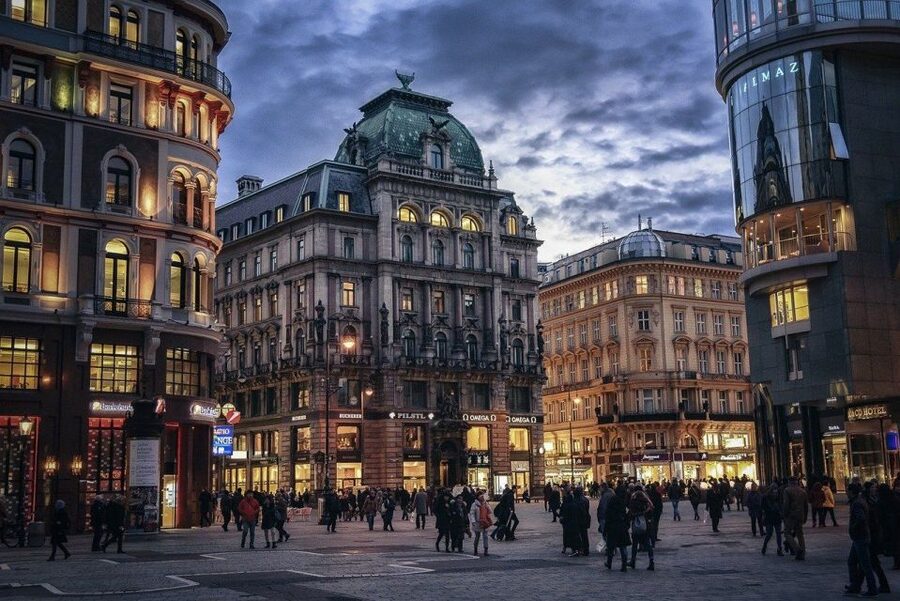
The Mozart Monument provides a natural bridge from Vienna’s imperial story to its music. Mozart is only one name in the city’s long musical roll call, which also includes Joseph Haydn, Ludwig van Beethoven, Franz Schubert, Johann Strauss the Elder and Younger, Johannes Brahms, and Gustav Mahler.
The tour also takes in the facades of the Art History Museum and the Hofburg. These buildings help explain how the Habsburgs used architecture, art, ceremony, and music to project power.
For you, the value here is context. You are not simply being shown a palace and told that it belonged to the Habsburgs. The route is designed to connect the Holy Roman Empire, the later Austro-Hungarian Empire, and Vienna’s role as a court and cultural capital.
The tour does not include entrance fees, so the focus is mainly on exterior views unless a particular indoor visit is arranged separately. That can be a benefit if you have limited time and want orientation before choosing museums later. It is less useful if you expect a palace interior tour as part of the three-hour booking.
Michaelerkirche and the Hofburg gates
At the Michaelerplatz area, you pass through the Michaeler Gate and see St. Michael’s Church, or Michaelerkirche. The church served as the official church of the emperors for many years, making it another clear link between religion and Habsburg authority.
The square also contains Roman ruins, old fortification remains, and remnants connected with the former Burg Theatre. These pieces are easy to miss when you are focused on the Hofburg’s grand frontage, so having a guide point them out can make this section worthwhile.
I would pay attention here to the contrast between imperial display and the less polished remains beneath it. Vienna’s center is full of such contrasts, and a good guide can make them memorable without turning every stop into a lecture.
The quality of this part depends heavily on the individual guide. One German-language booking report praised a guide as very capable and said the three hours passed quickly. Another report raised serious concerns about political comments and the treatment of Jewish history by a guide named Franziska Pfisker. Those are not minor style differences. If a respectful, careful approach to difficult history is important to you, contact the provider and ask who is assigned and how the subject is handled.
Other concerts and shows we rate around Vienna
- Vienna: Vivaldi’s Four Seasons Concert in Karlskirche
★ 4.7 · 14,951 reviews - Vienna: Classical Concert in the World-Famous Musikverein
★ 4.6 · 6,673 reviews - Vienna: Mozart Concert at the Musikverein – Golden Hall
★ 4.6 · 5,194 reviews - Vienna: Classical Concert in St. Anne’s Church (Annakirche)
★ 4.6 · 3,414 reviews
Graben, St. Peter’s, and the old city streets
The route continues along the Graben, one of Vienna’s best-known central streets. Its history reaches back to the Roman period, and the route description connects it with Richard the Lionheart’s entry into the city.
You then reach Peterskirche, or St. Peter’s Church, described as being present since the fourth century. The church adds another religious landmark to a route already packed with imperial and musical references.
This section is less about entering a single major attraction and more about reading the street plan. Vienna’s old center is compact, but its names and buildings carry several layers of history. A guide can help you see how Roman, medieval, imperial, and modern Vienna overlap within a short walk.
Do not expect a quiet stroll. The central streets are busy city spaces, and the tour is designed as a walking history lesson rather than a slow photography outing. Wear comfortable shoes, as requested, and be ready to remain on your feet for most of the three hours.
Stephansdom closes the historical loop
The final major landmark is Stephansdom, Vienna’s cathedral. It is described as one of the tallest churches in the world and as a major Roman-Gothic work.
Stephansplatz is a sensible endpoint because it brings the tour back to its meeting area and places you beside one of Vienna’s defining buildings. You finish with a monument that connects religion, city identity, medieval construction, and the long political importance of the Austrian capital.
The cathedral is also practical for your plans afterward. From here, you are already in the center for further walking, shopping, museums, or a meal. The tour does not promise an interior visit or tower access, so treat the cathedral as a guided exterior highlight unless the guide tells you otherwise.
How the twentieth century fits into the walk
The advertised history reaches beyond emperors and composers. The guide is also expected to discuss the World Wars and the birth of the Second Austrian Republic.
That wider frame is important. Vienna can look like a city preserved in imperial costume, but its modern identity was shaped by war, political collapse, the end of the Habsburg monarchy, and the creation of the republic. A tour that covers these changes can keep the palace facades from presenting a one-sided picture.
At the same time, difficult history requires care. One dated account describes deeply troubling political remarks and language about Jewish people and Nazi persecution during the walk. I cannot treat that as a normal difference in guiding style. The subject deserves precise language, and systematic murder should never be softened into vague phrases about people simply losing their lives.
Because the overall rating is 3.2 from seven ratings, I would not book this tour blindly if the guide’s approach is central to your decision. Ask the company about guide assignment and request a different guide if needed. The private format may make such a request more realistic than it would be on a large group excursion.
What the $323 private price means
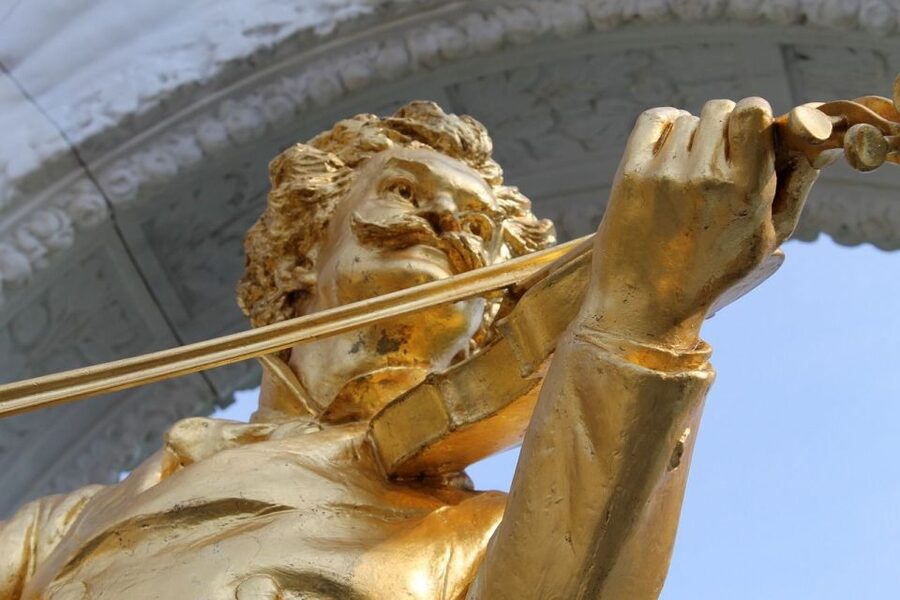
The listed price is $323 per group of up to 15 people. For a full group, that works out to less than $22 per person before any additional entrance charges. For two people, the cost is much higher per head, so the value depends on how many people share the booking.
The private setup is the main reason to consider the price. You are paying for a dedicated guide, a flexible conversation, and a route designed around your group rather than a fixed public departure. That can be worthwhile for a family or larger party that wants a quick historical orientation.
The price is less attractive if you are a solo visitor or couple and mainly want entry to the State Opera. Entrance fees are not included, and the available feedback creates uncertainty about how much of the opera you actually enter.
I would compare the cost against your group size and your priorities. For a group of ten to 15 seeking a broad introduction, the math is reasonable. For two people expecting an opera tour, the unclear inclusions are a warning.
Timing, language, and walking demands
The activity lasts three hours, with starting times subject to availability. One booking was moved from 11 a.m. to 2 p.m. because of the opera’s tour schedule. That change may not matter to you, but it can affect meals, museum reservations, and evening concert plans.
The guide speaks English or German. If your group needs another language, this experience is not presented as a suitable choice.
The route is entirely focused on central Vienna sights and requires walking. The activity is not suitable for people with mobility impairments, and comfortable shoes are essential. There is no indication of transport between stops or of a seated portion.
I like the length for a first afternoon in Vienna. Three hours is enough to build a mental map without consuming a whole day. You should still leave room afterward if you want to enter a museum, return to the opera, or spend serious time inside Stephansdom.
Who will get the most from this tour
This tour suits you best if you want one private introduction to Vienna’s main historical themes. It is especially useful for a group that wants to connect Roman origins, Habsburg rule, music, religion, and the modern republic instead of treating each sight as a separate stop.
It also suits people who prefer a guide-led walk to reading plaques and guidebooks. One positive account found the guide very competent, the information engaging, and the three hours pleasantly quick. Another praised the guide’s relaxed manner and the time allowed to look around.
I would be more cautious if you want detailed museum access, a full State Opera tour, or a slow architectural study. The route covers many places, but the time available at each one is limited.
I would also be cautious if you want a carefully managed discussion of twentieth-century politics and persecution. Ask direct questions before booking, especially about the assigned guide.
Should you book the Vienna private walking tour?
Book it if your group wants a brisk, private introduction to central Vienna and you are comfortable treating the State Opera as one part of a wider city walk. The Roman remains, Mozart Monument, Hofburg, Michaelerkirche, Graben, Peterskirche, and Stephansdom give you plenty of useful orientation for later sightseeing.
Do not book it on the assumption that a complete opera-house tour is included. Confirm the exact visit, the extra fees, and whether the stop is limited to the lobby. With a group of up to 15, the price can be fair, but for a small party the uncertain opera inclusion weakens the value.
Finally, ask about the guide. Strong guiding appears to be the best feature of this experience, while one dated account raises a serious concern about inappropriate political and historical commentary. If the provider can confirm a suitable guide and a clear opera arrangement, this could be a practical first look at Vienna. If not, choose a tour with firm entrance details and a more clearly defined guiding standard.
FAQ
Where does the Vienna private walking tour meet?
The meeting point is Stephansplatz 8A, 1010 Vienna, Austria.
How long does the tour last?
The walking tour lasts three hours.
Is the tour private?
Yes. It is offered for a private group of up to 15 people.
Which languages are available?
The live guide can lead the tour in English or German.
Is a visit to the State Opera included?
The activity includes a State Opera visit, but the exact scope needs confirmation. One account describes the visit as limited to the lobby, while another says a separate opera tour required additional booking and payment.
Are entrance fees included?
No. Entrance fees are not included in the stated price.
What sights are included on the route?
The route includes the State Opera, Mozart Monument, Art History Museum facades, Hofburg, Michaeler Gate, Michaelerkirche, Roman ruins, medieval walls, Graben, Peterskirche, and Stephansdom.
What should I bring?
Bring comfortable shoes for the three-hour walking route.
Is the tour suitable for people with mobility impairments?
No. The activity is listed as unsuitable for people with mobility impairments.
Can I cancel for a full refund?
Yes. You can cancel up to 24 hours in advance for a full refund.
Just reviewed around Vienna
- Vienna Supreme Orchestra at Palais Niederösterreich★ 4.8 · 10 reviews
- Vienna: Sunday Brunch Danube Cruise & Live Music★ 4.2 · 42 reviews
- Vienna: Concert by the Vienna Baroque Orchestra★ 4.6 · 56 reviews
- Vienna: Romantic Classics Piano, Violin, and Cello Concert★ 4.7 · 60 reviews
- Vienna: Mozart Concert with Dinner and Carriage Ride★ 4.8 · 25 reviews
- Vienna: Musical Tickets THE PHANTOM OF THE OPERA★ 4.9 · 132 reviews
- Vienna: Classical Concert in the historic 1837 Strauss-Hall★ 4.5 · 39 reviews
- Vienna: 3.5-Hour Danube Cruise with Live Music & BBQ Buffet★ 4.2 · 19 reviews
Vienna Live Music: the closest alternatives.
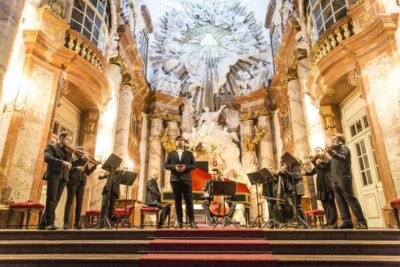
Vienna: Vivaldi’s Four Seasons Concert in Karlskirche
Read our review →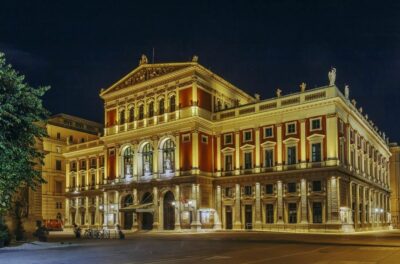
Vienna: Classical Concert in the World-Famous Musikverein
Read our review →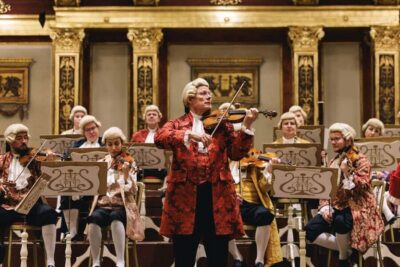
Vienna: Mozart Concert at the Musikverein – Golden Hall
Read our review →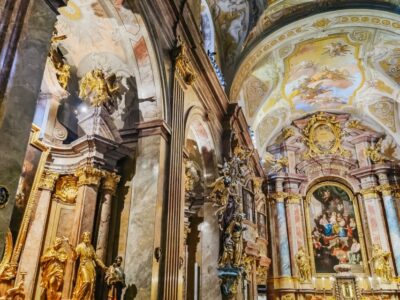
Vienna: Classical Concert in St. Anne’s Church (Annakirche)
Read our review →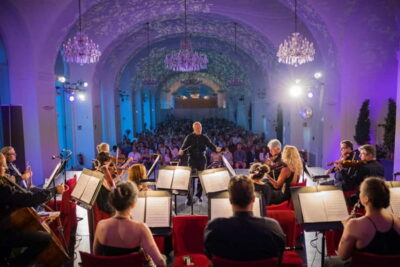
Vienna: Mozart and Strauss Concert at Schönbrunn
Read our review →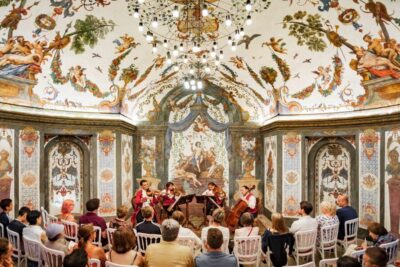
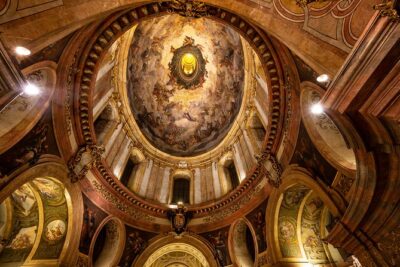
Vienna Classical Concert at St. Peter’s Church
Read our review →
Exclusive Evening at Schönbrunn Palace: After-Hours Audiotour, Dinner, Concert
Read our review →This show also appears in