Review · VIENNA
Schönbrunn Palace Concerts in Vienna
Mozart performed at Schönbrunn in 1786. Tonight, you hear his music alongside Strauss waltzes and polkas in the palace complex, usually inside the Orangery. The musicians and singers are the main event, while the setting gives your evening a useful Viennese connection.
I like the lively 90-minute format, which mixes orchestral pieces with vocal performances instead of asking you to sit through a long, serious recital. I also like the choice of seating categories, since you can spend less for a rear seat or pay more to get closer to the conductor and singers. The main caution is that the Orangery can feel like a plain event hall, not a glittering palace room.
Key points to know before booking
- Mozart and Strauss share the program: Expect orchestral music, waltzes, polkas, and opera-style singing.
- The Orangery is separate from the palace interior: You will not automatically see the grand state rooms or palace furnishings.
- VIP includes practical extras: Priority entry, two drinks, a program, and free cloakroom service are included with the VIP category.
- The concert can move indoors: Performances may be relocated to the Great Gallery or White Gold Room without notice.
- U4 makes the venue easy to reach: Schönbrunn station is close to the Orangery, with public transport easier than many first-time visitors expect.
- Book early for popular dates: The average booking lead time is about 34 days, especially useful for busy holiday periods.
Mozart, Strauss, and an evening at Schönbrunn
This experience is built around a simple idea: pair famous Viennese music with one of Vienna’s most famous imperial addresses. The result is pleasant and accessible rather than a full opera-house production.
The program usually divides into two halves. Mozart fills the first part, followed by an intermission, then Strauss takes over. One reported running order described roughly 45 minutes of Mozart, a 20-minute break, and 45 minutes of Strauss. The exact works can vary, but you can expect familiar orchestral selections, waltzes, polkas, and vocal numbers.
That variety matters. If you are new to classical music, you get several recognizable forms in one sitting. If you attend concerts often, you may find the selections a little tourist-friendly and shorter than a serious symphonic program. I would choose this for an entertaining introduction, not for an entire evening of demanding concert repertoire.
The performers are a major strength. The Schönbrunn Palace Orchestra performs from April 1 through October 31. From November 1 through December 23 and January 2 through March 31, the Schönbrunn Palace Ensemble performs instead. The program also includes vocal soloists, whose opera-style delivery adds color and energy to the instrumental music.
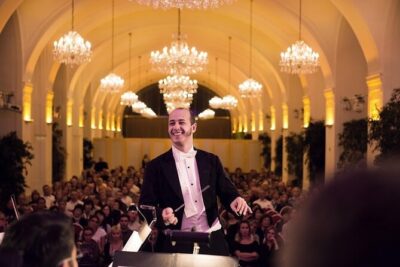
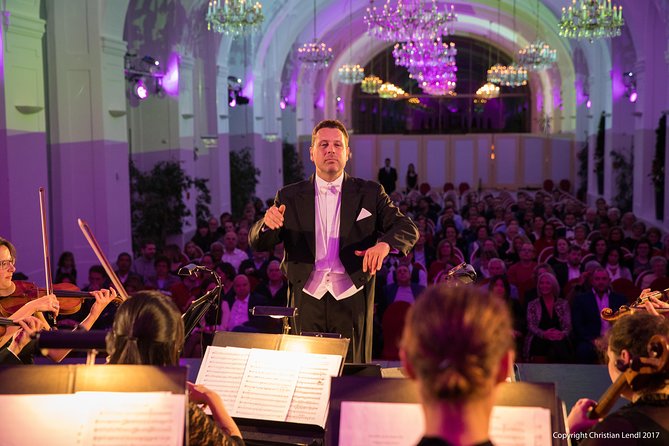
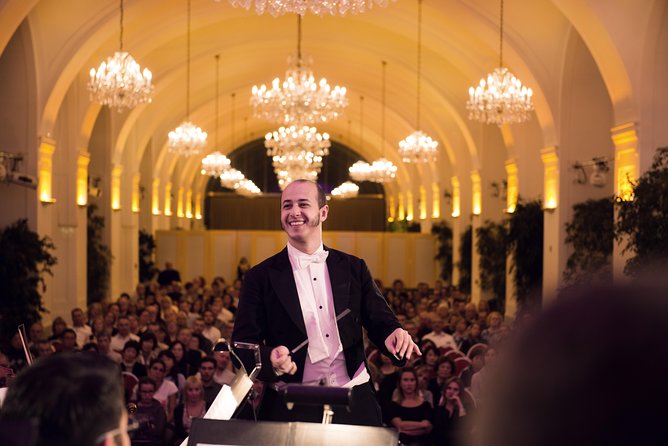
The conductor can be an important part of the evening. The format allows for a more relaxed personality than you might find at a formal concert hall, and audience participation may occasionally be encouraged. That makes the performance feel welcoming, though it also means this is not designed as a silent, solemn recital from beginning to end.
More Palace and Fortress Concerts in Austria
- Exclusive Evening at Schönbrunn Palace: After-Hours Audiotour, Dinner, Concert
★ 4.0 · 930 reviews - Vienna: Schönbrunn Palace Evening Tour, Dinner and Concert
★ 4.4 · 889 reviews - Vienna: Classical Concert at Eschenbach Palace
★ 4.8 · 787 reviews
Arriving at the Orangery
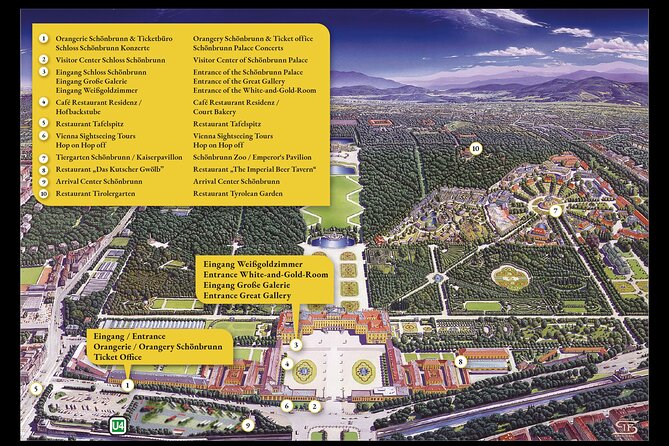
You make your own way to the ticket redemption point at the Orangery, Schönbrunner Schloßstraße 47, 1130 Vienna. The building is within the Schönbrunn grounds, but do not assume that you will enter through the palace or walk straight into a grand ballroom.
The U4 subway is a practical choice. Schönbrunn station is close to the Orangery, and the venue is also near other public transport. A taxi works too, but public transport can be much simpler, especially since the concert ends after dark and the palace area has plenty of evening activity at certain times of year.
Allow time to find the entrance. Directions can feel less obvious than expected, particularly if you picture the palace itself as the meeting point. Check your ticket carefully and follow signs for the Orangery rather than heading toward the main palace entrance.
You will go to the seating area selected when you booked. Prices are tied to seating categories, so the difference is not just a label on the ticket. Front and central sections give you a better view of the singers and conductor. Less expensive seats can still work well for listening, but the room may feel long, and sound quality may be less satisfying from the rear.
Arriving earlier is sensible. It gives you time to find your place, check a coat, and settle before the lights go down. It also helps if your seating category is not assigned to a specific numbered chair, or if you want to be positioned as well as possible within your section.
What VIP seating actually adds
The VIP upgrade is most useful when you care about convenience and proximity. It includes priority access to the concert hall and bar, two drinks, one program, and free cloakroom service.
The drinks are served before the show and during the intermission, according to the details provided for the experience. The program helps you follow the evening, particularly because the music is not always announced in a way that makes every piece clear. The free cloakroom service can also save you the roughly 1 euro fee charged to standard ticket holders.
The strongest reason to choose VIP is the seat. Sitting closer lets you see the opera singers’ expressions and the interaction between the soloists and musicians. It also makes a compact ensemble feel more immediate.
Still, calculate the price difference before booking. If you mainly want to hear Mozart and Strauss and do not care about drinks or a printed program, standard seating may be the better buy. A few people have also had trouble receiving the VIP benefits they paid for. Keep your booking confirmation handy and check the inclusions at the venue before the performance begins.
The Orangery versus a palace room
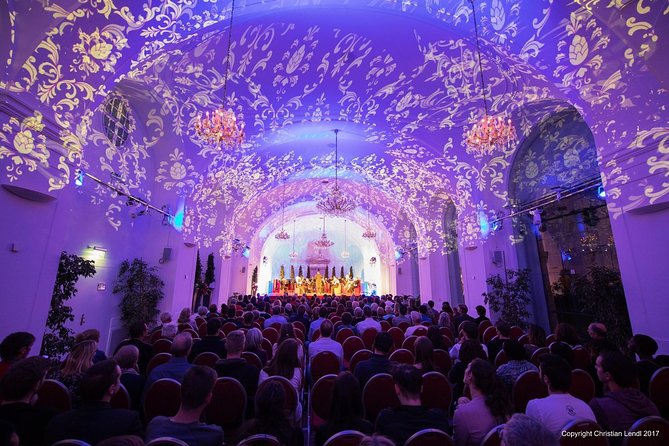
This is where expectations make or break the evening. The Orangery is historically connected to Schönbrunn, but its interior may not look like the imperial palace rooms pictured in promotional material. It can feel like a functional, temporary concert hall with modern fittings and projected lighting rather than an ornate court setting.
That does not make the music poor. It simply means you should separate the venue from the performance. The orchestra and singers can be excellent even when the room feels plain. Some performances take place in a smaller, more intimate space, while others may use a palace room that feels more special.
The concert can occasionally be moved without notice to the Great Gallery or the White Gold Room inside Schönbrunn Palace. These rooms offer a more impressive setting, but the relocation comes with one change: there is no ballet when the concert is moved. You should treat a palace-room performance as a possible bonus, not a promise.
Also note that the concert is not a palace tour. The main palace is not necessarily in view as you enter or leave the concert hall, and your ticket does not include a guided visit through the state rooms. If seeing Maria Theresa’s rooms, formal salons, or the palace interiors matters to you, book a separate Schönbrunn Palace visit.
More Palace and Fortress Concerts in Vienna
- Vienna: Dinner & Concert at Schönbrunn Palace
★ 4.1 · 564 reviews - Evening at Schönbrunn Palace Vienna: 3-course Dinner and Concert
★ 4.0 · 278 reviews - Vienna: After-Hours Schönbrunn Palace Entry & Concert Ticket
★ 4.4 · 236 reviews - Vienna: Strauss and Mozart Concert at Hofburg Palace
★ 4.7 · 214 reviews
The music, singers, and performance style
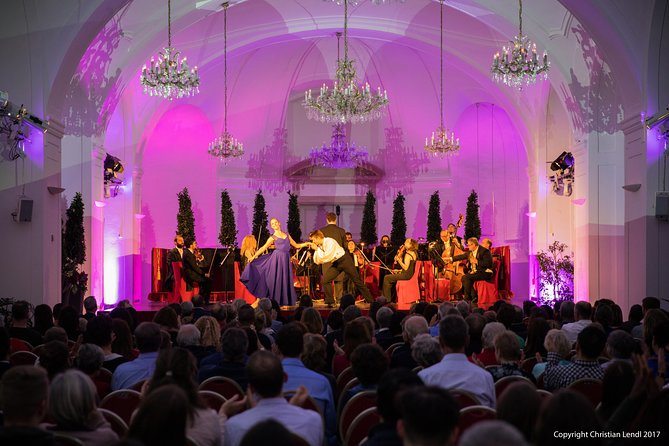
The program is designed to keep the evening moving. Mozart supplies the elegant, precise opening half. Strauss brings the big Viennese finish, with waltzes and polkas that are easier to enjoy on first hearing than long, unfamiliar works.
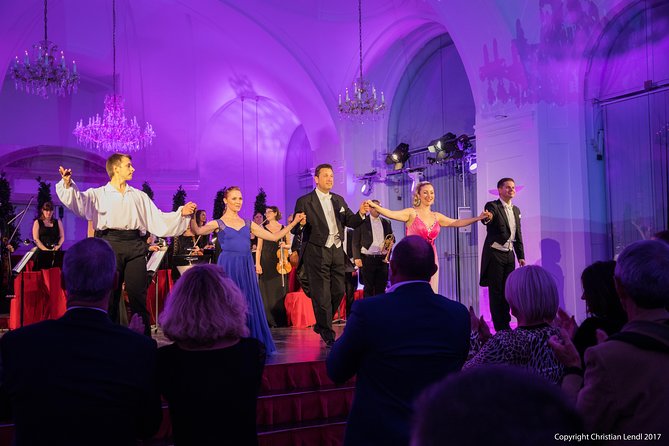
The vocal performances give the night a theatrical lift. Opera singers perform alongside the musicians, and the closer you sit, the more you can appreciate their facial expressions and stage manner. They are not simply an extra item added to the program. They help turn the concert into an evening show.
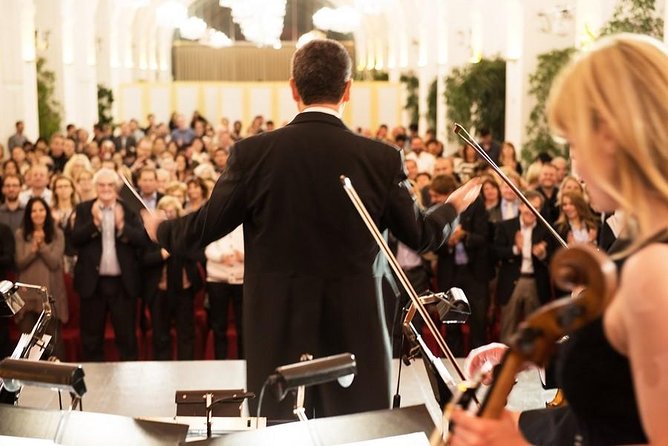
The ensemble is relatively small, which can work in its favor. You get a more intimate sound than in a large concert hall, and the conductor may communicate directly with the audience. The quality is not guaranteed to feel identical on every date, but the strongest performances combine skilled instrumentalists, confident singers, and a conductor with real warmth.
Sound is the most variable part of the experience. Some seats and some rooms produce clear, satisfying music. From the rear, the sound may seem less crisp, particularly with violins. A warm or crowded hall can also affect your comfort. If listening quality matters more than the palace connection, pay attention to the seating category rather than choosing solely on the lowest price.
Intermission, coats, and comfort
The break is about 20 minutes. VIP ticket holders can use the bar and their included drinks, while standard ticket holders should expect to pay for refreshments. Food is not included.
The coat check costs about 1 euro unless you have VIP access. This is a small charge, but the line after the performance can be long because many people collect coats at once. You may want to arrive early enough to check your coat before the hall fills.
The temperature can vary. Some performances have felt very warm indoors even when it was cold outside. In September, light clothing with a jacket is sensible. In winter, wear layers rather than assuming the concert room will be chilly.
Smart casual clothing is the stated dress code. You do not need formal evening wear, and the atmosphere is generally more relaxed than at the Vienna State Opera. Dressing neatly helps you feel comfortable without turning the evening into a costume event.
Crowd behavior can affect the experience. Hats, talking, and phone or camera use have caused distractions at some performances, and the no-camera rule may not always be enforced firmly. During the break, some people may try to move into better seats. Staff should manage seating categories, but it is wise to return to your own place rather than assume an open chair is available.
Is the $66.38 price fair?
At about $66.38 per person, the standard experience is not a bargain concert, but it can be fair value for a visitor who wants music, singers, and a convenient evening activity in the Schönbrunn complex.
You are paying for more than the notes on the page. The price covers a 90-minute performance, a recognized location, orchestral and vocal entertainment, and the ease of adding it to a day at Schönbrunn. It does not cover palace admission, dinner, drinks, transport, or a standard concert program.
The value is strongest when you want a relaxed cultural evening and do not expect a first-rate opera-house production. The value is weaker if your priority is a grand room, perfect acoustics, or a long and sophisticated classical program.
VIP can make sense for a special occasion or for anyone who wants a closer view. Compare the upgrade cost with the actual benefits: two drinks, the printed program, priority access, free cloakroom service, and a better seat. If those extras matter, the upgrade is easy to understand. If not, spend the difference on a separate palace visit or dinner.
Who will enjoy this most?
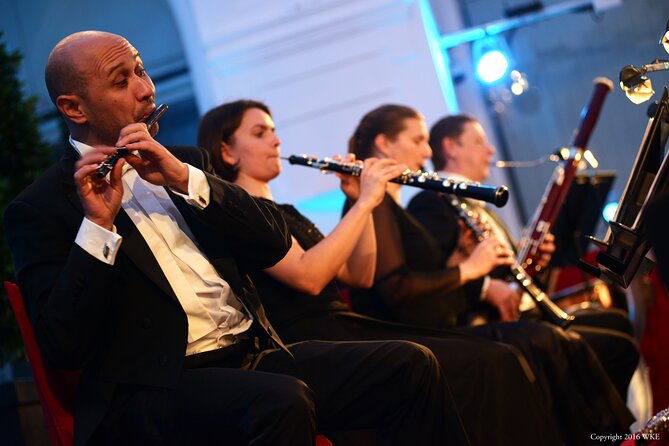
I would recommend the concert to you if you want a friendly introduction to Vienna’s classical tradition. It suits couples, families with older children, and visitors who want a structured evening without committing to a full opera.
Children aged eight and under are not recommended. Older children who can sit quietly for about 90 minutes may enjoy the waltzes, singers, and visual lighting, but this is still a concert rather than a theatrical children’s show.
The experience also suits first-time Vienna visitors who know a few Mozart or Strauss pieces but do not want an intimidating concert hall. You can enjoy the Blue Danube, vocal numbers, and familiar orchestral melodies without needing a program of musical background.
I would steer serious concertgoers elsewhere if you want a refined, local music experience with little audience chatter. The program leans toward popular selections, and the audience is largely made up of international visitors. That is part of its charm for some people, but it can feel tourist-focused to others.
Booking, cancellation, and practical timing
The experience is often booked about 34 days ahead, so reserve early if your Vienna dates are fixed. Confirmation is normally sent within 48 hours, subject to availability.
Free cancellation is available up to 24 hours before the local start time. Inside that window, the payment is not refunded and changes are not accepted.
Plan your evening around the concert’s fixed start time. You make your own way there, and hotel pickup and drop-off are not included. Since the palace grounds can be spread out and the entrance is not the main palace doorway, leave extra time for the final walk from public transport.
Should you book the Schönbrunn concert?
Book it if you want accessible Mozart and Strauss, strong vocal entertainment, and the pleasure of hearing Viennese music at Schönbrunn. Choose VIP when a closer seat, drinks, program, and easier coat handling are worth the added cost.
Do not book it expecting a complete palace tour, a guaranteed ornate room, or the sound and polish of Vienna’s top opera venues. The Orangery can feel plain, the audience can be noisy, and seating position matters.
For many visitors, this is a good final-night activity or an easy cultural choice after touring the palace during the day. Go in for the music first, treat the setting as a bonus, and you are more likely to find the evening worthwhile.
FAQ
Where does the Schönbrunn Palace concert take place?
The concert normally takes place at the Orangery, Schönbrunner Schloßstraße 47, 1130 Vienna. It may occasionally be relocated to the Great Gallery or White Gold Room inside Schönbrunn Palace.
How long does the concert last?
The concert lasts approximately 1 hour and 30 minutes, usually with an intermission of about 20 minutes.
What music is performed?
The program features music by Wolfgang Amadeus Mozart and Johann Strauss, along with vocal performances. Selections may include symphonies, waltzes, polkas, and opera-style numbers.
What does VIP seating include?
VIP includes priority access to the concert hall and bar, two drinks, one program, and free cloakroom service. It also provides access to the VIP seating category.
Is the palace included with the concert ticket?
No. The concert ticket does not include a separate tour of Schönbrunn Palace or guaranteed access to the palace state rooms.
How do I get to the venue?
You make your own way to the Orangery. The venue is near public transportation, and the U4 subway stops close to Schönbrunn.
Is there a dress code?
The dress code is smart casual. Formal evening clothing is not required.
Can I cancel the booking?
You can cancel up to 24 hours before the experience start time for a full refund. Cancellations or changes made less than 24 hours before the start time are not accepted.
Just reviewed around Vienna
- Vienna Supreme Orchestra at Palais Niederösterreich★ 4.8 · 10 reviews
- Vienna: Sunday Brunch Danube Cruise & Live Music★ 4.2 · 42 reviews
- Vienna: Concert by the Vienna Baroque Orchestra★ 4.6 · 56 reviews
- Vienna Private Walking Tour including State Opera★ 3.2 · 7 reviews
- Vienna: Romantic Classics Piano, Violin, and Cello Concert★ 4.7 · 60 reviews
- Vienna: Mozart Concert with Dinner and Carriage Ride★ 4.8 · 25 reviews
- Vienna: Musical Tickets THE PHANTOM OF THE OPERA★ 4.9 · 132 reviews
- Vienna: Classical Concert in the historic 1837 Strauss-Hall★ 4.5 · 39 reviews
Vienna Live Music: the closest alternatives.
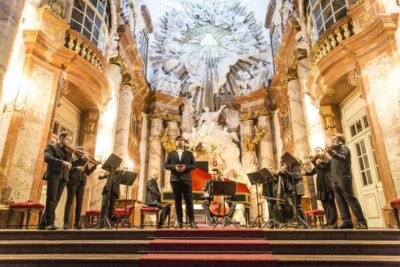
Vienna: Vivaldi’s Four Seasons Concert in Karlskirche
Read our review →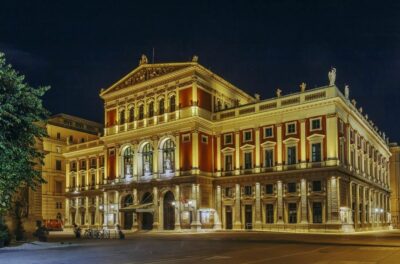
Vienna: Classical Concert in the World-Famous Musikverein
Read our review →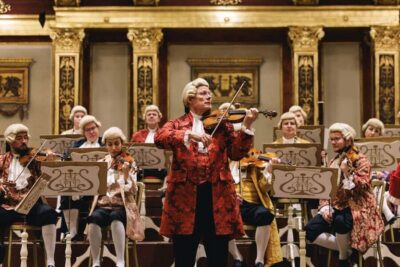
Vienna: Mozart Concert at the Musikverein – Golden Hall
Read our review →
Vienna: Classical Concert in St. Anne’s Church (Annakirche)
Read our review →
Vienna: Mozart and Strauss Concert at Schönbrunn
Read our review →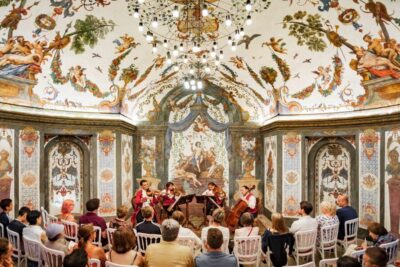
Vienna Classical Concert at St. Peter’s Church
Read our review →