
Review · KYOTO
Concerts Played with Traditional Instruments in Kyoto
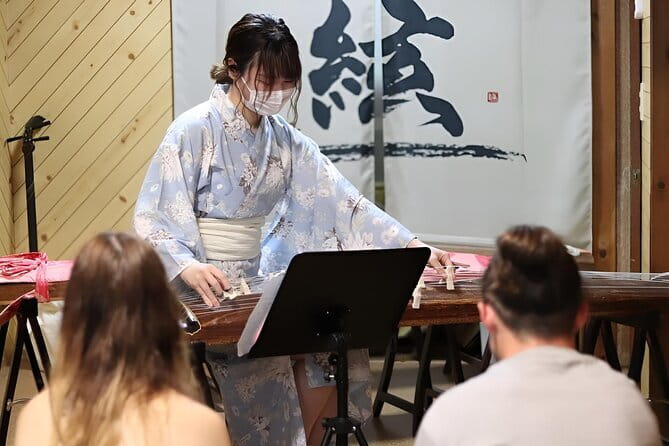
The unusual part of this Kyoto experience is the setting: you enter a traditional Japanese home that becomes a small concert hall. The koto and shamisen are not presented from a distant stage. You sit close to the music, hear classical works such as Chidori no Kyoku and Rokudan no Shirabe, and then have time to ask questions and take photos.
I like the clear introduction to both instruments, and I like the chance to hear classical, modern, and original compositions in one short program. The optional hands-on koto session adds real value if you want more than a performance. The main consideration is time: at about 50 minutes, this is a focused cultural stop rather than a full evening of music.
Key points to know before booking
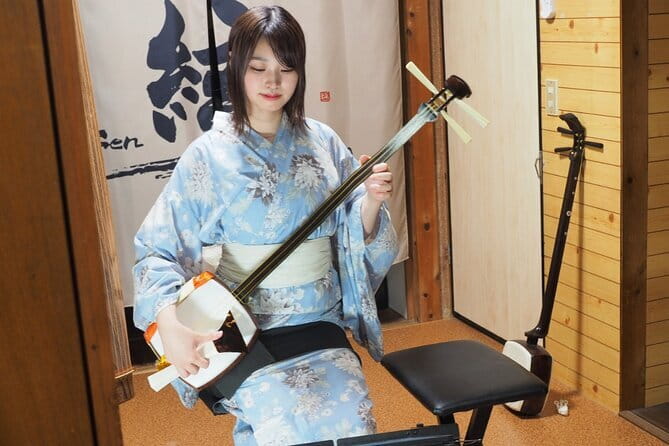
- A Kyoto home becomes the concert venue: Gen Home Saiin offers a more personal setting than a large theater.
- Two instruments take the spotlight: You receive a brief explanation of the koto and shamisen before the music begins.
- The program mixes old and new: Expect classical pieces linked to composers such as Yoshizawa Kengyo, Yatsuhashi Kengyo, and Kikuoka Kengyo, along with modern and original works.
- The concert includes contact with the performers: A Q&A and photo time follow the performance.
- The koto upgrade is hands-on: You can try playing a simple piece instead of only listening.
- Short, flexible, and easy to fit into Kyoto plans: The experience lasts about 50 minutes, with several options during the day.
Entering Gen Home Saiin for a close-up concert
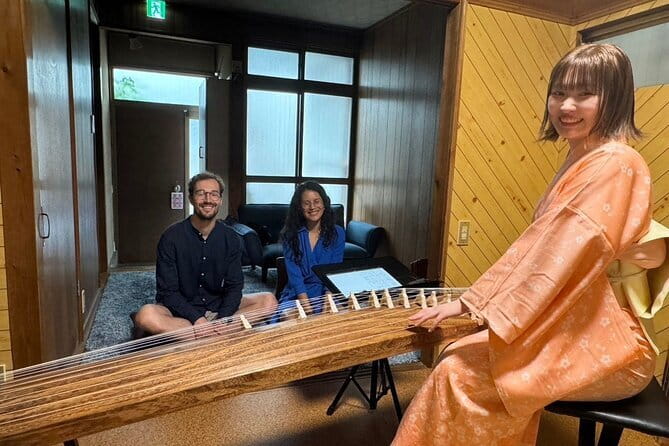
At Gen Home Saiin, a private or small-group home setting replaces the usual concert hall. That change matters. Traditional instruments can feel formal or distant when you see them only from the back of a large room. Here, the format is built around a closer look at how the music is made.
The room is presented as a stage, with the koto and shamisen at the center. You first receive a brief introduction to the instruments, so you are not left guessing about their shape, strings, or role in Japanese music. The explanation gives the performance a useful frame without taking up the whole visit.
This is a good choice if you want a cultural experience that feels specific to Kyoto rather than a general sightseeing stop. You are not simply passing through a famous building or looking at an exhibit. You are hearing living music performed by professional musicians in a home.
The small setting also means you should expect an intimate event, not a noisy group activity. The experience is designed for listening, watching, and asking questions. If you prefer a large stage, dramatic lighting, or a long concert program, this may feel too simple. If you value direct contact with the performers, the format works well.
Other concerts and shows we rate around Japan
- Kyoto: Traditional Concert at Townhouse or Bathhouse
★ 4.9 · 224 reviews - Experience the Asakusa Kabuki Opera Show!
★ 5.0 · 99 reviews - Japanese Traditional Music Show in Tokyo
★ 5.0 · 72 reviews
What the koto and shamisen add to the experience
The koto is a traditional Japanese string instrument with a long body and multiple strings. The shamisen is also a string instrument, but its sound and playing style are different. The short introduction helps you notice those differences once the music starts.
That context is important because traditional music can sound unfamiliar at first. A quick explanation gives you something to listen for. You can pay attention to the tone of each instrument, how the performers use rhythm, and how the sound changes between older pieces and newer compositions.
The program includes classical works such as Chidori no Kyoku, Rokudan no Shirabe, and Kajimakura. These pieces connect the concert to an older musical tradition. The program also includes modern and original compositions, which keeps the performance from feeling like a history lesson.
Chidori no Kyoku is especially likely to stay with you. Its emotional effect can be strong, and one account of the experience describes it as moving enough to bring tears. That does not mean every listener will react the same way, but it does suggest that the program has more feeling than a simple demonstration of instruments.
The music also has a useful balance. You hear pieces shaped by earlier composers, including Yoshizawa Kengyo, Yatsuhashi Kengyo, and Kikuoka Kengyo, while also hearing music from later or current creative work. You get a sense of continuity without being asked to know Japanese music in advance.
A 50-minute program with a clear rhythm
The experience lasts about 50 minutes, which makes it easy to place between other Kyoto plans. You can schedule it around sightseeing, a meal, or a visit to another part of the city. Several options are available throughout the day, adding flexibility for a busy itinerary.
The program follows a sensible order:
- You arrive at Gen Home Saiin, a traditional home used as the performance space.
- The musicians introduce the koto and shamisen.
- The concert begins, with classical, modern, and original works.
- The performance ends with a Q&A.
- You have an opportunity for photos with the musicians.
- If you choose the upgrade, you take part in a simple koto session.
That order works because it moves from explanation to listening, then from listening to conversation. You are given enough background to follow the performance, but the music remains the main event.
At 50 minutes, you should not expect a long concert with an interval or an extensive workshop. The short length is a strength for many people, especially if you have only a few days in Kyoto. It is also the main limitation for anyone hoping to study the instruments in detail.
The optional koto session is worth considering
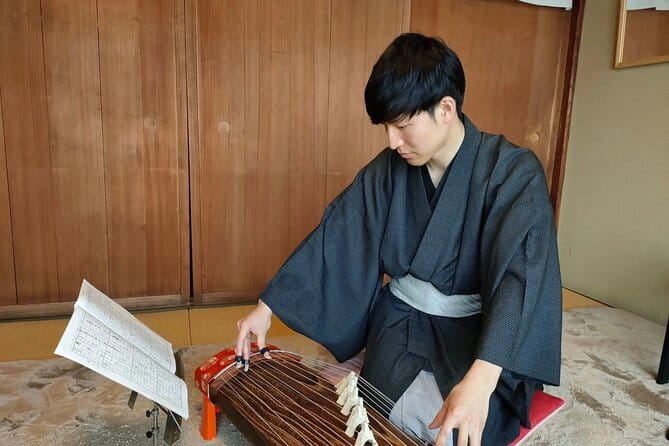
The standard experience includes the concert, introduction, and explanation. An upgrade lets you try playing a simple piece on the koto yourself. I would consider this option if you enjoy hands-on activities or are traveling with children, since it changes you from a listener into a participant.
The activity is described as a simple piece, so you should not expect a full music lesson. That is not a problem. The point is to feel how the instrument responds and to understand, in a small way, what the performers are doing.
Hands-on time also gives the Q&A more meaning. After trying the koto, you may have a better sense of why the instrument produces its particular sound and why technique matters. Even a short attempt can make the performance easier to appreciate.
If you mainly want to sit quietly and hear the music, the standard option should be enough. If the price difference for the upgrade is reasonable when you book, the added participation may make the visit more memorable.
Same city, a different kind of sound:
- Traditional Japanese Music show & Experience Tour in Kyoto
★ 5.0 · 57 reviews - Kyoto: Japanese Koto & Shamisen Concert and Koto Class
★ 4.9 · 31 reviews - Traditional Japanese Music show & Experience Tour in Osaka
★ 5.0 · 25 reviews - Tokyo: Traditional Asakusa Music Show with Dinner
★ 5.0 · 10 reviews
Meeting the musicians after the music
The Q&A is one of the best parts of the format. You are not left with a performance that you simply watch and then leave. The post-concert discussion gives you a chance to ask about the instruments, the pieces, and the musicians’ work.
The information available does not list individual performer names, so I would not book this expecting a named celebrity or a particular artist. Instead, the value comes from the direct exchange with professional musicians and the chance to speak with them in the same small setting where they performed.
Photo time follows the concert and Q&A. This is a useful feature if you want a personal record of the visit, but it should be treated as a brief closing moment rather than a formal photo shoot. The main reason to book is the music and contact with the performers, not staged pictures.
The arrangement also helps the experience feel welcoming. The short program, explanation, questions, and photos create a complete visit without stretching the schedule. You get a performance, some context, and a personal interaction in one stop.
Why the home setting matters in Kyoto
Kyoto has many places where you can encounter traditional Japanese culture. The difference here is that the music takes place in someone’s home, rather than only in a major venue or tourist theater. That setting gives the experience a domestic scale.
You can expect a more personal atmosphere than at a large performance hall. The musicians are close, the introduction is easier to follow, and the Q&A has a natural place in the program. The home setting is also part of the cultural experience, since the building itself helps frame the music.
There are practical tradeoffs. A home is not the same as a purpose-built concert venue. You should book this for intimacy and access, not for a large stage, extensive production, or a long formal program. The listing notes that the location is near public transportation, but private transportation is not included, so you will need to make your own way there.
The experience includes facility fees and WiFi, though WiFi is not likely to be the reason you choose it. Coffee and tea are not included. That is easy to manage, since the visit is short, but you should not expect refreshments as part of the program.
Is $39.63 a fair price?
At $39.63 per person, this is priced above a quick cultural demonstration but below many full evening performances. The value comes from the combination of live music, instrument explanations, a Q&A, photo time, and the unusual home setting.
I think the price is fair if you want focused cultural content. You are paying for more than a seat. You receive an introduction that helps you understand the instruments, hear several types of composition, and speak directly with the performers afterward.
The value is less clear if you are only looking for background music or a long concert. Fifty minutes goes quickly. You may also need to add transportation costs and your own meal or drink, since private transport and coffee or tea are not included.
The hands-on upgrade can improve the value for families, curious first-time listeners, or anyone who likes practical activities. If you are happy to listen without participating, the basic booking still covers the central elements of the visit.
Who will enjoy this most?
I would recommend this experience to you if you want a compact introduction to Japanese traditional music. It suits first-time visitors who may not know the difference between a koto and a shamisen, since the explanation comes before the concert.
It is also a good fit for music lovers who want to hear both established classical pieces and newer compositions. The mix prevents the program from being locked in the past. You can hear how older musical forms sit beside modern and original work.
Families may appreciate the short length and the optional koto session. The hands-on element gives children something active to do, although the core concert still requires quiet listening. Couples and solo visitors who prefer smaller cultural experiences may also like the personal setting.
I would think twice if your main goal is a large-scale stage show, a lengthy performance, or a venue with extensive facilities. This is a small, direct experience. Its strength is the contact between you, the music, and the musicians.
Most travelers can participate, and the location is near public transportation. Still, the available information does not provide detailed accessibility specifications, so anyone with specific mobility needs should confirm the practical setup before booking.
How to fit it into a Kyoto day
The 50-minute duration gives you plenty of scheduling options. You can place the concert in the morning, between major sights, or later in the day. Since several options are offered throughout the day, you have a better chance of fitting it around temples, shopping, or meals.
Allow enough time to reach Gen Home Saiin using public transportation. Private transportation is not included, and the exact route depends on where you begin. I would avoid booking this too tightly against another timed activity, since a little extra travel time makes the day more comfortable.
The experience is booked, on average, 33 days ahead. That is a useful planning clue. If this is important to your Kyoto itinerary, reserve before your trip rather than assuming you can find a convenient time at the last minute.
Mobile ticketing keeps the booking simple. Confirmation is provided when you book. You should also remember the cancellation rule: free cancellation is available up to 24 hours before the start time, while changes or cancellations inside that window are not accepted for a refund.
What the strongest praise tells you
The most consistent positive points are the intimate setting, the quality of the performance, and the clear explanation of the instruments. The experience has a perfect rating of 5 from 50 ratings, with 100 percent recommending it in the supplied booking information.
That rating should not make you ignore the format’s limits. A 50-minute concert in a home will not suit every music lover. Still, the strong response makes sense because the experience combines several things that are often separated: performance, cultural explanation, direct questions, and a simple chance to participate.
The emotional response to Chidori no Kyoku is also worth noting. The program is not presented as a dry display of old instruments. The music can be moving, and the shift from historic pieces to contemporary work gives the visit a wider emotional range.
Should you book this Kyoto concert?
Book it if you want a short, personal introduction to the koto and shamisen, especially if you like cultural activities that include real conversation. The home setting, classical and modern program, Q&A, and photo time make this more substantial than a quick musical sample.
Choose the hands-on option if trying the koto appeals to you. Stick with the standard concert if you mainly want to listen and keep the cost focused.
I would skip it only if you need a long concert, a grand venue, or a fully planned transport and refreshment package. For most visitors who want to hear Japanese instruments in a close setting, this is a well-sized Kyoto experience with a fair price and a clear sense of place.
FAQ
How long does the concert experience last?
The experience lasts approximately 50 minutes.
Where does the concert take place?
It takes place at Gen Home Saiin in Kyoto, inside a traditional Japanese home used as the performance space.
Which instruments are featured?
The concert features the koto and shamisen. A brief introduction and explanation are included before the performance.
Can I try playing the koto?
Yes. An upgrade is available that lets you try playing a simple piece on the koto.
Is transportation included?
No. Private transportation is not included, though the location is near public transportation.
Can I cancel for a full refund?
Yes. You can cancel up to 24 hours before the experience start time for a full refund. Cancellations or changes made less than 24 hours before the start time are not accepted for a refund.
Just reviewed around Japan
- Japanaese tradtional Tsugaru Shamisen music lesson in Tokyo★ 4.5 · 3 reviews
- Tsugaru shamisen performance over traditional dinner★ 5.0 · 9 reviews
- Easy for everyone! Now you can play handmade mini shamisen and show off to everyone! Musical instruments, sweets and live music★ 5.0 · 3 reviews
- Traditional Japanese Music show & Experience Tour in Osaka★ 5.0 · 25 reviews
- Traditional Concert in Public bath near Kyoto Station★ 5.0 · 5 reviews
- Private Japanese music concert★ 5.0 · 4 reviews
- Kyoto: Matcha & Traditional Japanese Music Immersive Experience★ 5.0 · 9 reviews
- Kyoto: Kujo-yu Sento Traditional Japanese Instrument Concert★ 5.0 · 2 reviews
Kyoto Live Music: the closest alternatives.
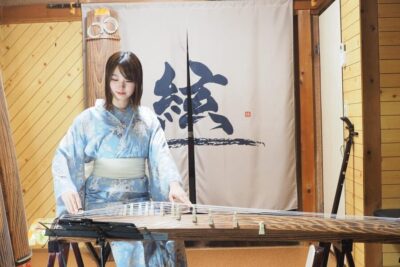
Kyoto: Traditional Concert at Townhouse or Bathhouse
Read our review →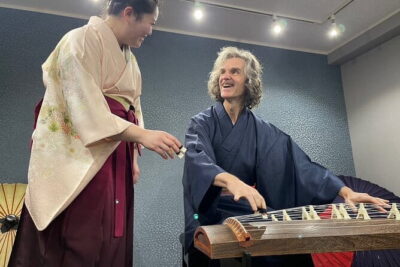
Traditional Japanese Music show & Experience Tour in Kyoto
Read our review →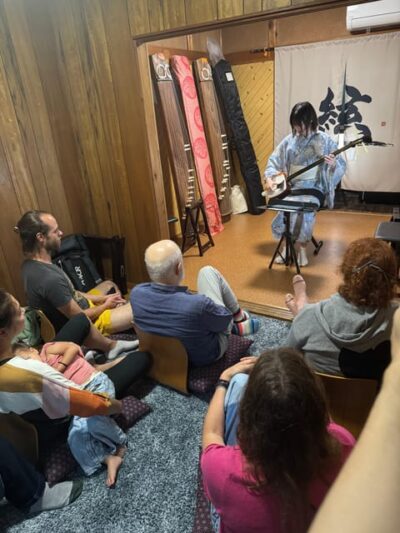
Kyoto: Japanese Koto & Shamisen Concert and Koto Class
Read our review →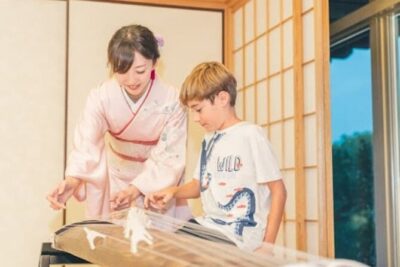
Kyoto: Matcha & Traditional Japanese Music Immersive Experience
Read our review →
Traditional Concert in Public bath near Kyoto Station
Read our review →
Kyoto: Kujo-yu Sento Traditional Japanese Instrument Concert
Read our review →This show also appears in