
Review · KYOTO
Kyoto: Kujo-yu Sento Traditional Japanese Instrument Concert
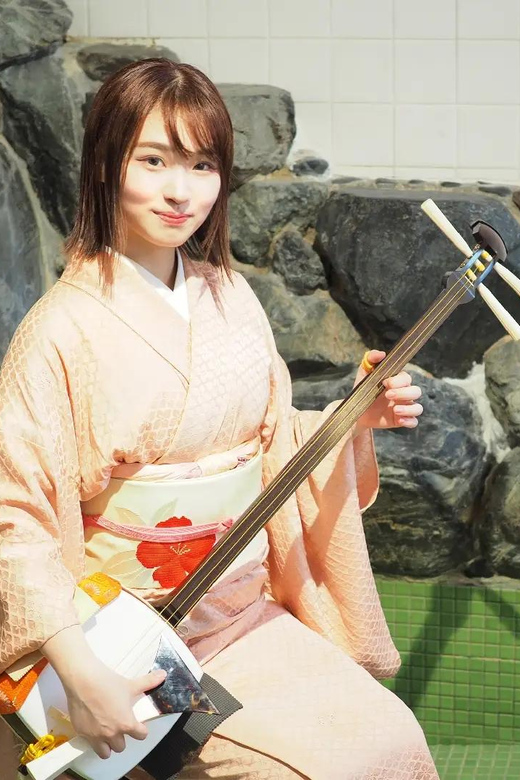
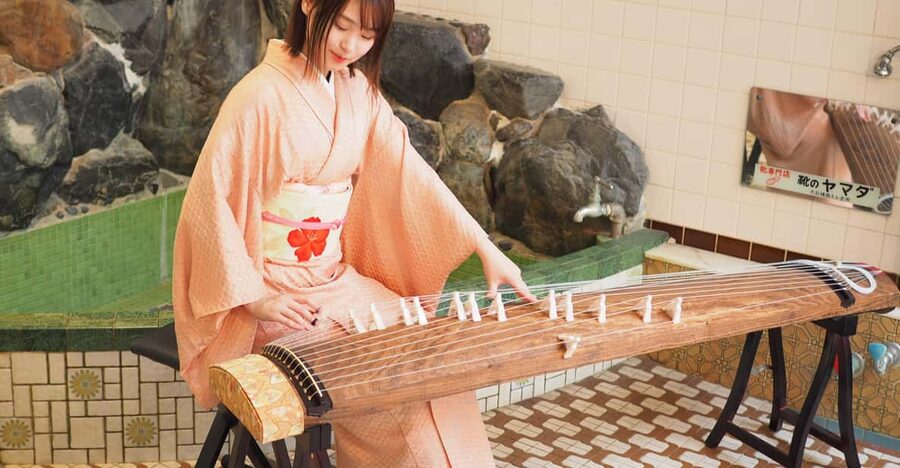
Kyoto’s Kujo-yu concert turns an old neighborhood bathhouse into a small music hall. You sit close to the performers as the notes of the koto and shamisen travel through the former bathing space. The setting is the star as much as the music: practical, local, and far removed from a standard concert room.
I especially like the unusual acoustics and the changing program, which can include classical works, modern arrangements, and original compositions. The main drawback is simple: this is a short, focused concert rather than a full cultural tour, and the venue is not suitable for wheelchair users.
Key points
- A concert in a renovated sento: Hear traditional instruments inside Kujo-yu, a historic bathhouse near Kyoto Station.
- Two distinctive Japanese instruments: The program features the delicate koto and the expressive shamisen.
- A 50-minute performance: It fits neatly into an evening or a day of sightseeing.
- Music that changes with the performers and season: You may hear classical pieces, new arrangements, and original works.
- Easy sightseeing connections: Fushimi Inari, Kyoto Station, Kyoto Tower, Kiyomizu-dera, and Toji Temple are all within practical reach.
- A small, intimate setting: The warm bathhouse atmosphere makes the concert feel more personal than a large theater show.
Inside Kujo-yu, where the bathhouse becomes a concert room
The first thing to understand is that Kujo-yu is not a concert hall dressed up to look traditional. It is a renovated sento, or public bathhouse, with a local past and a very different shape from a theater.
That matters because the music interacts with the room. Koto notes can sound delicate and finely detailed, while the shamisen brings a sharper, more percussive voice. In a familiar concert hall, you might focus only on the performers. Here, you also notice how the sound moves through the former bathhouse space.
The setting creates a warm, close atmosphere. You are not being led through a long presentation about Japanese culture. Instead, you receive a concentrated musical experience in a place that has served the local community for years. For many people, that direct connection between place and performance will be more memorable than a polished stage show.
The venue’s unusual acoustics received particular praise from Scott of Germany, who described the performance as enchanting and singled out the bathhouse setting for making the sound distinctive. A Danish visitor also found the old bathhouse interesting and praised the skill of the two musicians. Those comments point to the experience’s real strength: the room is not decoration. It changes how you hear the music.
Other concerts and shows we rate around Japan
- Kyoto: Traditional Concert at Townhouse or Bathhouse
★ 4.9 · 224 reviews - Experience the Asakusa Kabuki Opera Show!
★ 5.0 · 99 reviews - Japanese Traditional Music Show in Tokyo
★ 5.0 · 72 reviews
What the koto and shamisen bring to the program
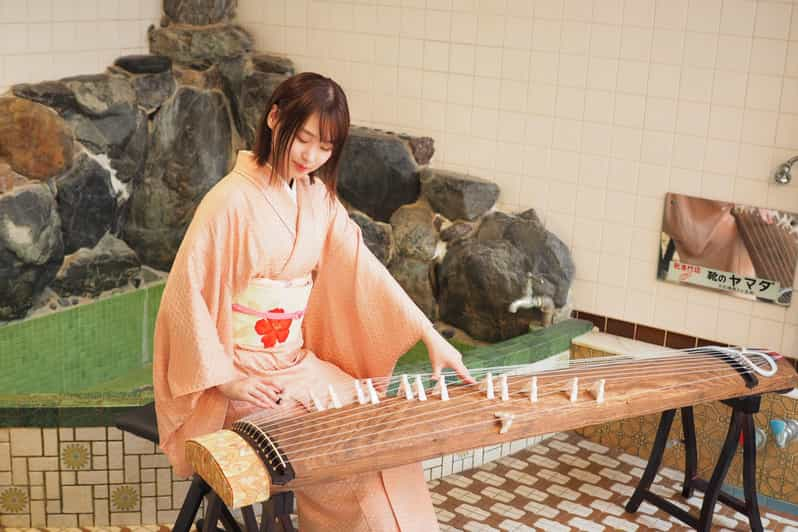
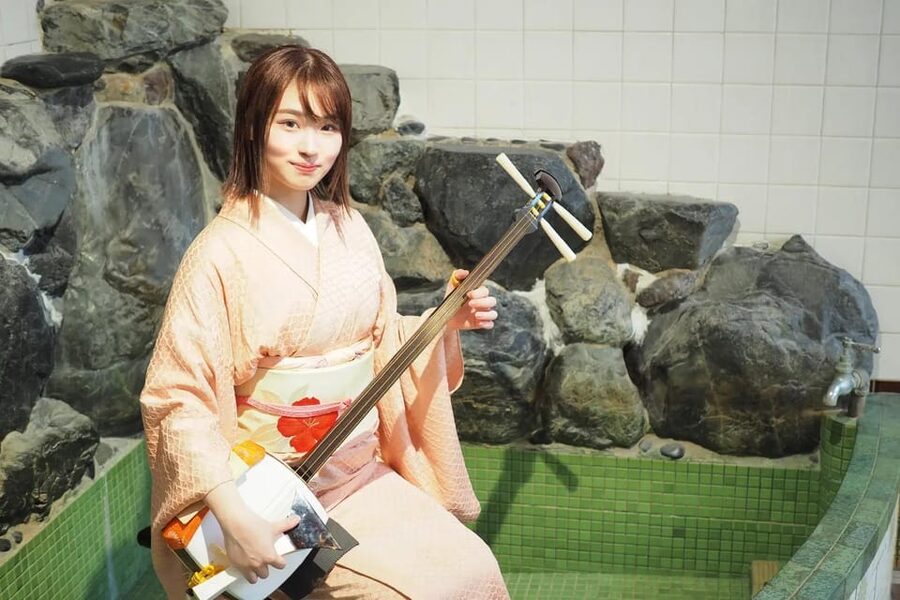
The koto is a traditional Japanese zither with strings stretched across a long wooden body. Its sound can be light, ringing, and precise. The shamisen is a three-stringed instrument with a stronger attack and a more pronounced rhythmic character.
Hearing the two together gives the program contrast. The koto can carry a flowing melody, while the shamisen adds firmness and energy. Even if you know little about Japanese music, the difference between the instruments is easy to notice.
The program is not limited to old classical pieces. You can expect a mixture of classical Japanese masterpieces, contemporary arrangements, and original compositions. The exact selection changes with the season and the performers, so the event is not presented as a fixed show that sounds identical every night.
That changing program is a useful feature for repeat visitors, but it also means you should not book this expecting a specific song list. The performers are not named in the available activity information, and the emphasis is on the koto and shamisen performance rather than on a star soloist with a published biography.
An English-speaking host or greeter is available, which helps you understand the basic shape of the event. The music remains the center of attention. You are not signing up for a lengthy lecture, hands-on lesson, or formal tea ceremony.
A 50-minute plan that fits Kyoto sightseeing
The concert lasts 50 minutes. That is long enough for the room and the instruments to make an impression, but short enough to fit around other plans.
I would treat it as a strong late-afternoon or evening addition to a day near Kyoto Station. It can also work as a calm break between major sights. After several hours of temples, buses, and crowds, sitting quietly in a small bathhouse can reset your pace.
The short format is also helpful for families. Children who might struggle with a long classical concert have less time to manage, and the unusual venue gives them something concrete to notice. Still, the event requires quiet attention while the musicians play, so it is best for children who can sit through a focused 50-minute performance.
The concert itself is the complete activity. There is no meal, workshop, bath, or additional attraction included. That clarity is useful: you are paying for a live music experience in a distinctive place, not for an extended package of activities.
Starting times vary, so you need to check availability when choosing a date. The program also changes according to the performers and season. If you want a particular time of day, book around your sightseeing route rather than assuming a fixed schedule.
Why the old bathhouse setting matters
Kyoto offers many traditional arts, but context changes the experience. A koto and shamisen concert in a modern theater would still be worthwhile, yet Kujo-yu gives the music a local frame.
A sento was built for everyday community use, not for formal ceremony. That practical background gives the concert a grounded feel. You are not simply looking at an antique object or posing in a traditional costume. You are entering a reused neighborhood space and hearing living music inside it.
The renovation is important too. The venue preserves the character of a bathhouse while allowing it to serve a new purpose. This creates a meeting point between old and new, much like the program itself, which moves between classical material, contemporary arrangements, and original pieces.
The room can make the music feel close and direct. You might find that small sounds become easier to notice, from the touch of the strings to the change in rhythm between instruments. At the same time, the acoustics may not suit anyone seeking the controlled, perfectly balanced sound of a purpose-built concert hall. The venue’s character is part of the trade-off.
Same city, a different kind of sound:
- Traditional Japanese Music show & Experience Tour in Kyoto
★ 5.0 · 57 reviews - Concerts Played with Traditional Instruments in Kyoto
★ 5.0 · 50 reviews - Kyoto: Japanese Koto & Shamisen Concert and Koto Class
★ 4.9 · 31 reviews - Traditional Japanese Music show & Experience Tour in Osaka
★ 5.0 · 25 reviews
How to fit Kujo-yu into a Kyoto day
Kujo-yu is near Kyoto Station, making it practical for a first or last-night activity. From the Kujo area, Kyoto Station and Kyoto Tower are about 15 minutes away by train and on foot. Kujo Station is one stop from Kyoto Station, so you can combine the concert with the station district without crossing the city.
Fushimi Inari Taisha is about 2 kilometers away, or roughly 10 to 15 minutes by taxi. The taxi fare is expected to be just under ¥1,000. This makes the shrine a sensible pairing if you are already exploring its famous torii gates and want to reach the concert without a complicated connection.
Toji Temple is about 15 to 20 minutes from Kujo-yu by bus and on foot. Its five-story pagoda gives you a very different visual experience from the bathhouse, and the two sites can work well together if you want a day focused on Kyoto’s southern side.
Kiyomizu-dera takes about 30 minutes by bus and on foot. It is farther away, so I would not try to squeeze in the temple immediately before the concert unless your timing is generous. Kyoto traffic can make a simple route less predictable. If Kiyomizu-dera is already on your list, allow breathing room before the performance.
A useful approach is to avoid treating the concert as a distant side trip. Build a southern Kyoto route around it, or place it near your Kyoto Station plans. That keeps the 50-minute performance from becoming an awkward race across town.
Is $32 a fair price?
At $32 per person, this is not a bargain-basement activity, but the price is reasonable if you value live music and unusual settings. You are paying for a dedicated performance by a koto and shamisen player, an English-supported experience, and access to a renovated bathhouse whose acoustics are part of the appeal.
The value is strongest for someone who wants more than a quick photo or a basic introduction to Japanese culture. You receive nearly an hour of live performance in a place you would not normally enter as part of a standard sightseeing route.
The value is weaker if you want a full explanation of the instruments, a chance to play them, or several cultural activities in one booking. None of those are included. The performance is the product, and the venue provides the atmosphere.
Compared with a large theater show, Kujo-yu offers closeness and character. Compared with a free temple visit, it costs more, but it gives you a scheduled cultural event that is not dependent on weather or daylight. That can be especially useful during a busy Kyoto itinerary.
Who will enjoy this concert most
I would recommend Kujo-yu to several kinds of visitors:
- Music lovers: The koto and shamisen create a clear contrast, and the room adds an acoustic element you cannot get from a recording.
- First-time Japan visitors: You receive a direct encounter with traditional instruments without needing prior knowledge.
- Repeat Kyoto visitors: The event offers a different side of the city than another major temple or observation deck.
- Families with older children: The 50-minute length is manageable, and the former bathhouse gives young minds something unusual to see.
- Couples and solo visitors: The intimate room suits a quiet evening and does not require a full-day commitment.
I would hesitate if you have limited mobility because the activity is not suitable for wheelchair users. I would also think twice if your main goal is a large-scale stage production with elaborate lighting, many performers, or a long narrative.
The concert works best when you allow yourself to notice small details. The point is not spectacle. It is the sound of traditional instruments in a room with a past.
Practical details before you book
The activity includes the traditional instrument concert and the performance by the koto and shamisen player. Nothing else is listed as an included extra, so plan to eat, drink, and handle other sightseeing separately.
The host or greeter speaks English. That should make arrival and basic orientation easier, though the precise amount of spoken explanation is not specified. Do not book this expecting an English lecture throughout the performance.
You can cancel up to 24 hours before the activity for a full refund, and the reserve-now, pay-later option lets you hold a place without paying immediately. These policies are useful when your Kyoto schedule is still shifting, especially since temple visits and transport can take longer than planned.
The venue is a renovated sento, and the acoustics are a central part of the experience. Wear clothing that lets you sit comfortably for 50 minutes, but remember that this is a concert space, not a bath visit. No bathing is listed as part of the activity.
The activity has a perfect rating from two verified bookings, including a January performance and a July performance. Both comments praise the musicians and the old bathhouse setting, which supports the idea that the venue and performance work well in different seasons.
Should you book the Kujo-yu concert?
Book it if you want a short, distinctive cultural experience near Kyoto Station, especially if you enjoy live music or prefer local spaces to large tourist venues. The combination of koto, shamisen, changing repertoire, and bathhouse acoustics gives you a memorable hour without taking over your day.
Skip it if you need wheelchair access, want a long guided cultural program, or prefer a major theater production. For everyone else, $32 is a fair price for a focused performance in a place that makes the music feel tied to Kyoto rather than simply placed on a stage.
FAQ
Where is the Kujo-yu concert held?
The concert is held at Kujo-yu, a renovated sento, or traditional Japanese bathhouse, near Kyoto Station in Kyoto.
How long does the concert last?
The concert lasts 50 minutes.
Which instruments are performed?
The performance features the koto and shamisen, played by traditional Japanese musicians.
Is the program the same at every concert?
No fixed program is stated. The repertoire changes according to the season and performers and may include classical masterpieces, contemporary arrangements, and original compositions.
Is the activity available in English?
An English-speaking host or greeter is available.
Is the venue wheelchair accessible?
The activity is not suitable for wheelchair users.
Just reviewed around Japan
- Japanaese tradtional Tsugaru Shamisen music lesson in Tokyo★ 4.5 · 3 reviews
- Tsugaru shamisen performance over traditional dinner★ 5.0 · 9 reviews
- Easy for everyone! Now you can play handmade mini shamisen and show off to everyone! Musical instruments, sweets and live music★ 5.0 · 3 reviews
- Traditional Japanese Music show & Experience Tour in Osaka★ 5.0 · 25 reviews
- Traditional Concert in Public bath near Kyoto Station★ 5.0 · 5 reviews
- Private Japanese music concert★ 5.0 · 4 reviews
- Kyoto: Matcha & Traditional Japanese Music Immersive Experience★ 5.0 · 9 reviews
- Echoes of Peace – A Soul-Stirring Koto Concert in Hiroshima★ 4.5 · 5 reviews
Kyoto Live Music: the closest alternatives.
Kyoto: Traditional Concert at Townhouse or Bathhouse
Read our review →
Traditional Japanese Music show & Experience Tour in Kyoto
Read our review →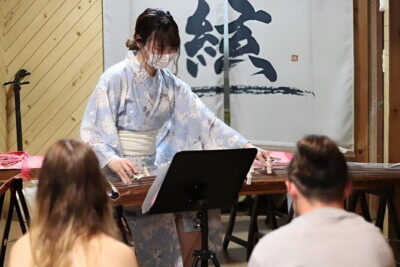
Concerts Played with Traditional Instruments in Kyoto
Read our review →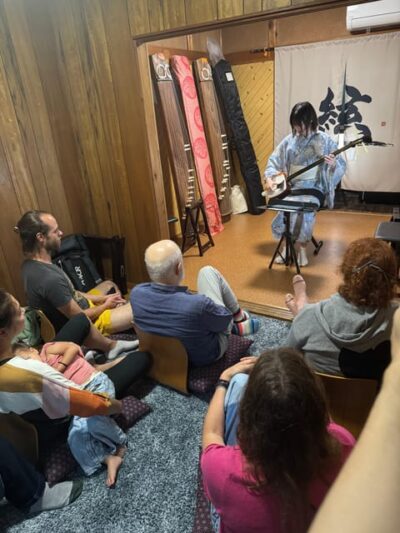
Kyoto: Japanese Koto & Shamisen Concert and Koto Class
Read our review →
Kyoto: Matcha & Traditional Japanese Music Immersive Experience
Read our review →
Traditional Concert in Public bath near Kyoto Station
Read our review →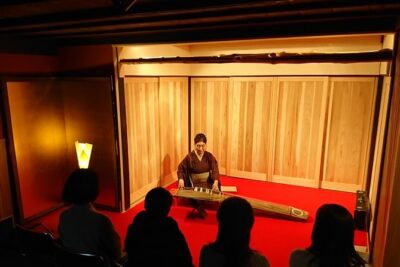
This show also appears in