
Review · KYOTO
Private Japanese music concert
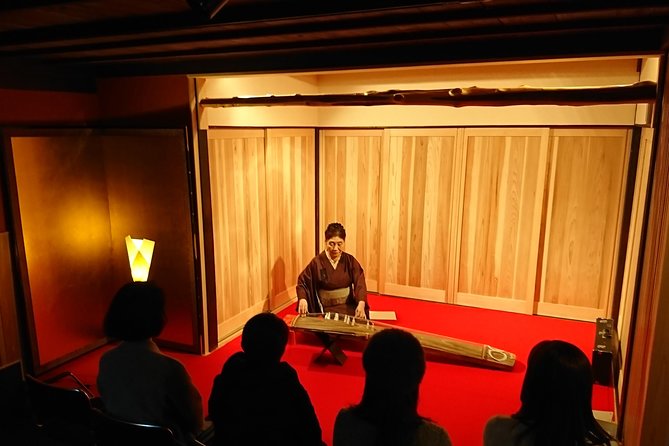
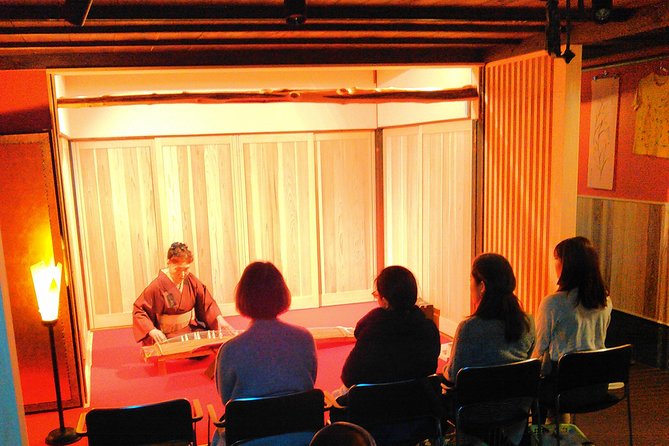
Kyoto’s traditional music is at its best when you can sit close enough to watch the musician’s hands. At Kyomachiya Kiotto, a performer plays koto and kokyu in a renovated townhouse, creating a small private concert rather than a formal hall production.
I like the setting and the personal contact. You sit in a chair in a local-style Kyoto house, then have the chance to hear about the instruments, speak with the musicians, and possibly try the koto yourself. The main consideration is the short length: at about one hour, this is a focused introduction, not a full evening concert.
I also like the family-friendly shape of the experience. Children have been invited to handle and play the instruments, and the musicians are described as kind and friendly. Still, the performer’s name is not provided in the booking details, and the private format depends on availability, so confirm your plans before building a tightly timed day around it.
Key points at a glance
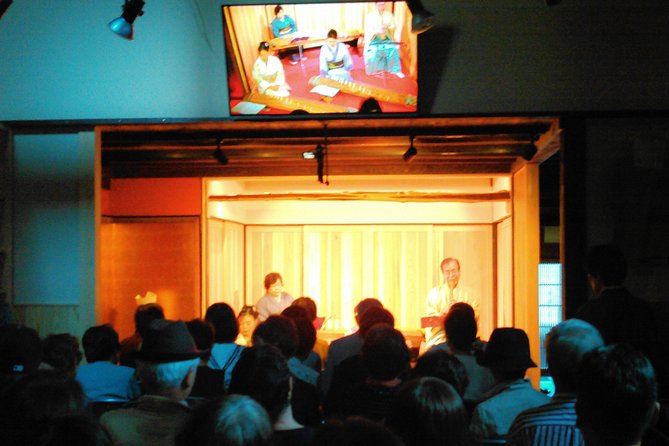
- Private townhouse concert: Hear Japanese music in a renovated Kyomachiya instead of a large performance hall.
- Two traditional instruments: The program features the koto, a Japanese harp, and the kokyu, a traditional bowed string instrument.
- Close-up listening: You sit near the instruments, making it easier to watch the playing technique.
- Hands-on finish: Children and adults may be invited to try the instruments after the performance.
- One-hour format: The compact length fits neatly into a Kyoto sightseeing day.
- $57.23 per person: The value comes from the private setting, live performance, and personal exchange rather than duration alone.
A private concert inside a Kyoto townhouse
The most appealing part of this experience is its scale. You are not looking at a musician from the back of a concert hall. You sit in comfortable chairs inside a renovated Kyomachiya, a traditional Kyoto townhouse, with the instruments close by.
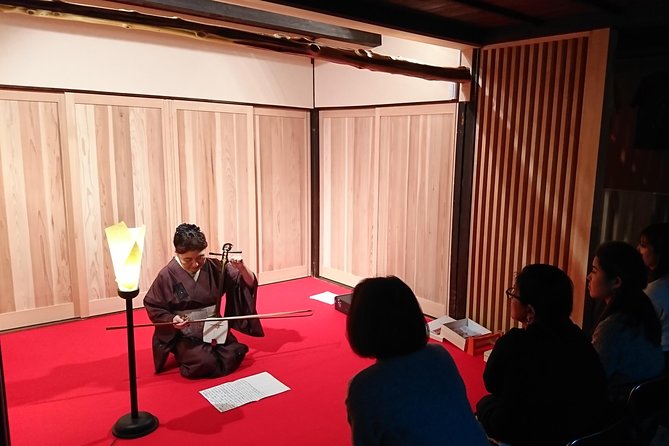
That setting changes how you listen. The koto is not simply background music for a cultural demonstration. You can watch the performer’s hands and hear the natural tone of the strings at close range. The kokyu adds another sound and gives the session more variety than a single-instrument recital.
The townhouse setting also gives the hour a sense of place. You are not only attending a music event in Kyoto. You are entering a type of traditional home that has been adapted for visitors while keeping the atmosphere of a local neighborhood. The result should feel more personal than a large stage show, even though the experience is carefully arranged.
The performance is presented as private, just for your party. That makes this a good choice if you prefer quiet cultural activities and direct contact over a crowded group demonstration. It also means the value depends partly on the size of your booking. A private concert can feel special for a couple or family, but the price may require more thought for a solo visitor.
Other concerts and shows we rate around Japan
- Kyoto: Traditional Concert at Townhouse or Bathhouse
★ 4.9 · 224 reviews - Experience the Asakusa Kabuki Opera Show!
★ 5.0 · 99 reviews - Japanese Traditional Music Show in Tokyo
★ 5.0 · 72 reviews
What you will hear: koto and kokyu
The koto is often described as a Japanese harp. It is a long stringed instrument with a clear, plucked sound. The instrument’s appearance, playing technique, and tone are all easier to appreciate when you are seated nearby.
The kokyu provides a different musical color. Unlike the koto, it is played with a bow. Hearing both instruments in one session helps you notice the contrast between plucked and bowed sounds without requiring a long lecture on Japanese music.
The presentation is designed to be accessible. You do not need to arrive with a background in traditional Japanese music. The musical section comes with explanations and conversation, so you can connect what you hear with the instruments in front of you.
A particularly useful part of the experience is the chance to ask questions. The people who have taken part were able to talk with the teacher and the koto player after the music. One family also received an explanation of the instruments before trying them. That personal exchange is a major reason to choose this event instead of simply listening to a recording or attending a distant stage performance.
The one-hour flow at Kyomachiya Kiotto
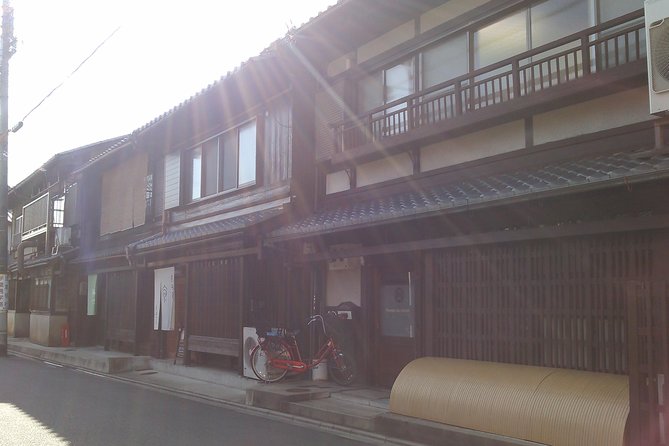
The visit begins with a welcome at Kyomachiya Kiotto, located at 9-10 Mibu Hinokicho, Nakagyo Ward, Kyoto City. The published plan is simple: arrive in the local Kyoto neighborhood, settle into the seating, and enjoy a private live performance.
The chairs matter more than they might seem. Traditional cultural activities sometimes require sitting on the floor, which is not comfortable for everyone. Here, the seating is arranged for a relaxed concert, making the experience easier for families and anyone who prefers not to kneel or sit on tatami.
The central part of the hour is the live music. The performer plays the koto and kokyu close to you in the townhouse. You should expect the performance to be the main event, with the building providing the atmosphere rather than a long sightseeing tour.
After the music, you may have time to speak with the musicians and learn more about the instruments. The strongest part of the family experience came at this stage, when children were encouraged to try playing. That hands-on opportunity is not just a cute extra. It gives you a better sense of the technique and turns passive listening into a personal memory.
The information does not promise that every booking includes a full instrument lesson or that every participant will play. Treat the hands-on portion as a likely feature of the friendly format, not a guaranteed class. If trying the instruments is important to you, ask when confirming your booking.
Why the small setting makes a difference
A concert hall can give music grandeur, but it can also create distance. At Kyomachiya Kiotto, the townhouse setting puts the instruments and performer within easy view. You can notice details that would be lost from a back row.
The intimate room also leaves space for conversation. The musicians are not separated from you by a large stage or formal production. That helps explain why the experience has been especially well suited to people who want more than a short photo stop.
One attendee described the afternoon as a chance to hear virtuosic playing in an intimate setting. Another highlighted the beauty of the music and the skill of the musician. Those points match the practical appeal here: this is not only an introduction aimed at beginners. You can enjoy it as a serious performance while still receiving a friendly explanation afterward.
The private arrangement may be particularly useful for families. Children can lose interest during a long formal concert, but the one-hour length keeps the commitment manageable. The possible chance to touch the instruments gives younger participants something active to anticipate.
Couples and solo visitors can benefit in a different way. The quiet room and direct contact allow you to pay attention to the sound without the distractions of a large audience. If you already enjoy traditional music, the close seating makes the price easier to justify.
Same city, a different kind of sound:
- Traditional Japanese Music show & Experience Tour in Kyoto
★ 5.0 · 57 reviews - Concerts Played with Traditional Instruments in Kyoto
★ 5.0 · 50 reviews - Kyoto: Japanese Koto & Shamisen Concert and Koto Class
★ 4.9 · 31 reviews - Traditional Japanese Music show & Experience Tour in Osaka
★ 5.0 · 25 reviews
What the $57.23 price buys you
At $57.23 per person, this is not the cheapest cultural activity in Kyoto. You are paying for a private performance rather than a general admission ticket to a large venue.
The price includes more than the sound of the music. It covers the setting inside a renovated townhouse, a live performance of two traditional instruments, close viewing, and the personal interaction that can follow. If the musicians explain the instruments and invite you to try them, that adds a teaching element without turning the activity into a formal lesson.
For a family, group discounts could improve the calculation. The booking information lists group discounts, but it does not state the exact number of people required or the reduced rate. Check the total price before booking, especially if you are comparing this with a public concert.
The value is strongest for someone who has already planned a day of temples and wants a quieter cultural experience with a human connection. It is less compelling if you only want a quick introduction to Japanese music at the lowest possible cost.
The one-hour duration also limits the price comparison. You are not buying a half-day event. You are buying a concentrated cultural appointment that can fit between other plans. That compact shape may be an advantage in Kyoto, where you can easily fill a day with temples, gardens, and neighborhood walks.
Who should book this experience
I would put this near the top of the list for several types of visitors.
Families should consider it because the seating is comfortable, the time commitment is short, and children may be allowed to try the instruments. The reported family experience included children being encouraged to play, with both musicians described as kind and friendly.
Couples and solo visitors will appreciate the quiet private setting. If you want an activity that feels personal rather than crowded, this offers a clear contrast with Kyoto’s major sightseeing sites.
Music lovers have a good reason to book. The performance is not presented as a simple tourist demonstration. The musicians are described as accomplished, and the close setting lets you focus on the playing.
First-time visitors to Japan can use the session as a gentle introduction to traditional Japanese sound. You do not need to understand the history of the koto or kokyu before arriving. The explanations and conversation help place the music in context.
I would be more cautious if you dislike indoor cultural activities, need a long performance, or are looking for a major stage production with elaborate lighting and sound. This is small, direct, and personal. That is its strength, but it also defines its limits.
Timing, confirmation, and practical planning
The experience lasts about one hour. Since the booking information does not provide a detailed start-time schedule, leave some breathing room before and after it rather than planning a temple visit down to the minute.
Confirmation is sent within 48 hours of booking, subject to availability. Since the experience is private and is booked on average nine days ahead, making arrangements early is sensible, especially if you have only a few days in Kyoto.
A mobile ticket is available, which keeps entry simple. The venue is near public transportation, and the address is provided for map planning. You should still check your route on the day because Kyoto neighborhoods can be easier to reach when you allow time for the final walk from the station or bus stop.
Service animals are allowed, and most people can participate. The seating is on chairs, which is useful if floor seating would be uncomfortable. The available information does not provide details about wheelchair access, the exact room layout, or the number of people in each private booking, so ask the provider if any of those points affect your plans.
Free cancellation is available if you cancel at least 24 hours before the local start time. Cancellations or changes made within that final 24-hour period are not accepted for a refund.
The tone of the experience
The atmosphere appears to be warm rather than stiff. The musicians make time for conversation, and the exchange can become part of the memory. One participant even gave the performers a poem, showing how personal the meeting can become when the room is small and the discussion is open.
The provider is Kyomachiya Kiotto, written in Japanese as 京町屋 Kiotto, or きおっと. A teacher and performer connected with the venue presents the music, while one participant also credited Noriko at Heartland Japan for the introduction. The booking details do not identify every performer by name, so do not assume a particular musician unless the provider confirms it.
That uncertainty does not take away from the experience, but it is worth noting if you are booking because of a specific artist. The clearest promise is the format: traditional Japanese music, played live in a renovated townhouse, for your private party.
Should you book the Kyomachiya Kiotto concert?
Book it if you want a quiet, close look at Japanese music and value conversation as much as the performance itself. The combination of koto and kokyu, chair seating, a Kyoto townhouse, and a possible chance to try the instruments gives the hour more substance than a standard music sample.
I would especially recommend it to families, couples, and music lovers who want a personal cultural activity away from the main sightseeing circuit. At $57.23 per person, it is a considered purchase, but the private format and hands-on contact make it fair value for the right audience.
Skip it if you want a long concert, a large theatrical production, or the cheapest possible way to hear Japanese instruments. For everyone else, this is a compact and thoughtful Kyoto experience, with enough music, conversation, and local atmosphere to justify making room for it in your day.
FAQ
Where does the private Japanese music concert take place?
It takes place at Kyomachiya Kiotto, located at 9-10 Mibu Hinokicho, Nakagyo Ward, Kyoto City.
How long does the experience last?
The concert lasts approximately one hour.
Which instruments are performed?
The performance features the koto, a Japanese harp, and the kokyu, a traditional Japanese bowed instrument.
Is the concert private?
Yes. The experience is presented as a private live performance for your party.
Is seating provided?
Yes. You sit on chairs inside the renovated Kyomachiya rather than sitting on the floor.
Can children participate?
Most people can participate, and children have been encouraged to try the instruments after the music. The information does not guarantee instrument use for every booking, so confirm this with the provider if it is important to your family.
Is the venue near public transportation?
Yes. The venue is described as being near public transportation.
Can I cancel for a full refund?
Yes, if you cancel at least 24 hours before the experience start time. Cancellations or changes made less than 24 hours before the start time are not accepted for a refund.
Just reviewed around Japan
- Japanaese tradtional Tsugaru Shamisen music lesson in Tokyo★ 4.5 · 3 reviews
- Tsugaru shamisen performance over traditional dinner★ 5.0 · 9 reviews
- Easy for everyone! Now you can play handmade mini shamisen and show off to everyone! Musical instruments, sweets and live music★ 5.0 · 3 reviews
- Traditional Japanese Music show & Experience Tour in Osaka★ 5.0 · 25 reviews
- Traditional Concert in Public bath near Kyoto Station★ 5.0 · 5 reviews
- Kyoto: Matcha & Traditional Japanese Music Immersive Experience★ 5.0 · 9 reviews
- Kyoto: Kujo-yu Sento Traditional Japanese Instrument Concert★ 5.0 · 2 reviews
- Echoes of Peace – A Soul-Stirring Koto Concert in Hiroshima★ 4.5 · 5 reviews
Kyoto Live Music: the closest alternatives.
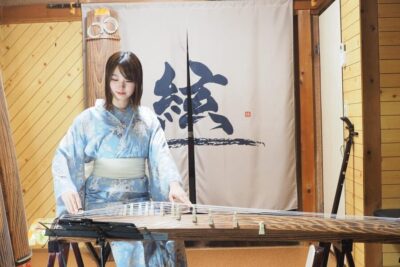
Kyoto: Traditional Concert at Townhouse or Bathhouse
Read our review →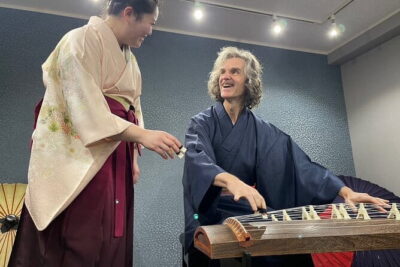
Traditional Japanese Music show & Experience Tour in Kyoto
Read our review →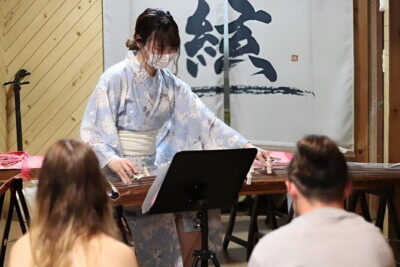
Concerts Played with Traditional Instruments in Kyoto
Read our review →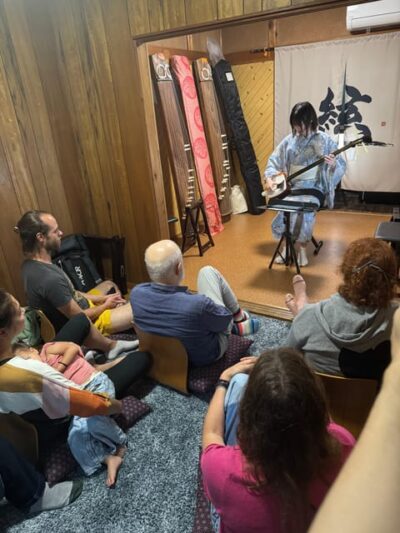
Kyoto: Japanese Koto & Shamisen Concert and Koto Class
Read our review →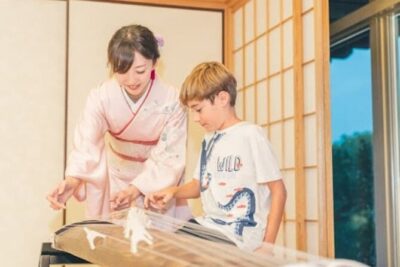
Kyoto: Matcha & Traditional Japanese Music Immersive Experience
Read our review →
Traditional Concert in Public bath near Kyoto Station
Read our review →
Kyoto: Kujo-yu Sento Traditional Japanese Instrument Concert
Read our review →This show also appears in