
Review · KYOTO
Kyoto: Traditional Concert at Townhouse or Bathhouse
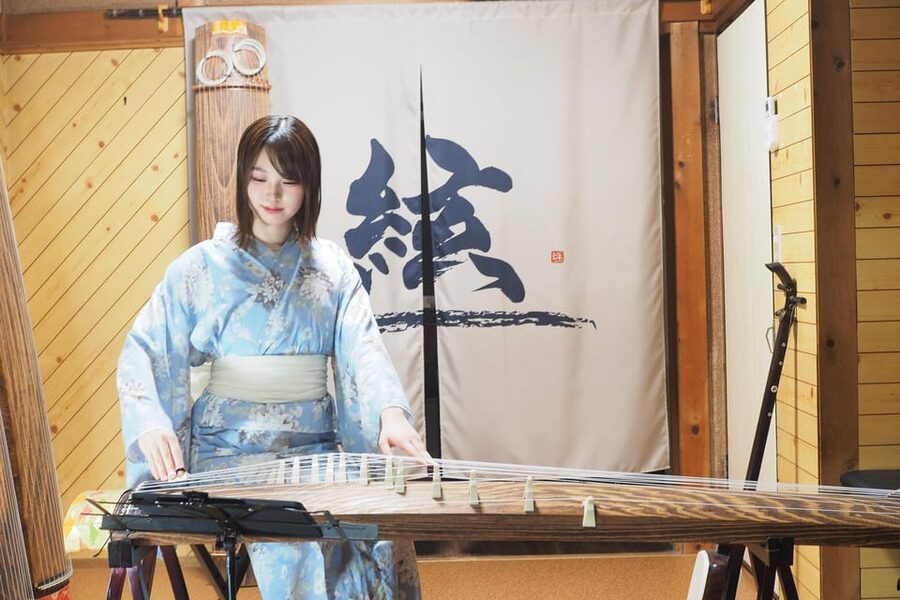
Kyoto’s traditional music is at its best when you can hear the player’s fingers, picks, breath, and voice up close. This experience puts you in a small traditional townhouse for solo koto and shamisen music, or in a former bathhouse hall where duet performances gain a striking echo. I like the small audience, and I like the plain-English explanations that make unfamiliar instruments easy to follow.
The main consideration is choosing the right venue. The townhouse is intimate and offered almost daily, but finding the entrance can take care. The bathhouse has the more dramatic acoustics and room for about 30 people, yet its performances are offered irregularly on Mondays.
What makes this Kyoto concert special
- A townhouse audience of about 11: Hear every pluck, scrape, and vocal line in a warm living-room setting.
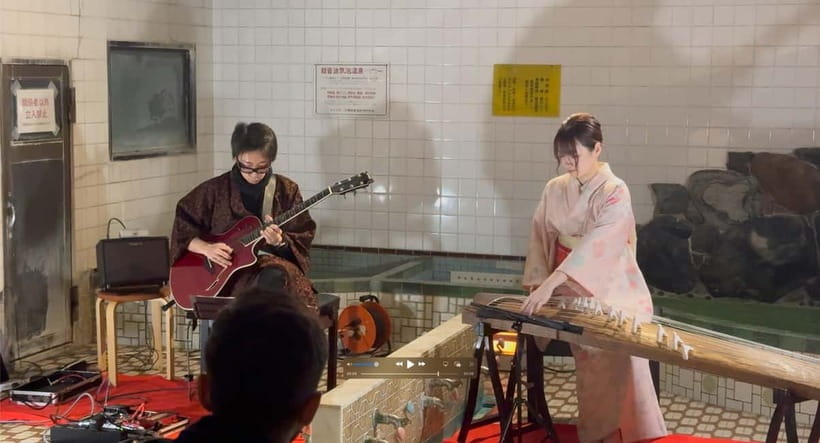
- A bathhouse hall for duets: Tiled walls give koto, shamisen, shakuhachi, flute, guitar, and other pairings a broad, ringing sound.
- Four or five pieces: Programs move between classical works, contemporary arrangements, and original music chosen by each performer.
- Useful bilingual commentary: Learn about materials, picks, bridges, notation, playing methods, and the background to each piece.
- A hands-on koto lesson: Townhouse bookings can add a 35 to 40-minute workshop with sanitized instruments.
- Strong value at $32: You receive a concert, explanations, questions with the musicians, photographs, and possibly a workshop, depending on the option booked.
Choosing between the townhouse and bathhouse
The two venues are not simply different rooms for the same show. They create two different kinds of musical evening.
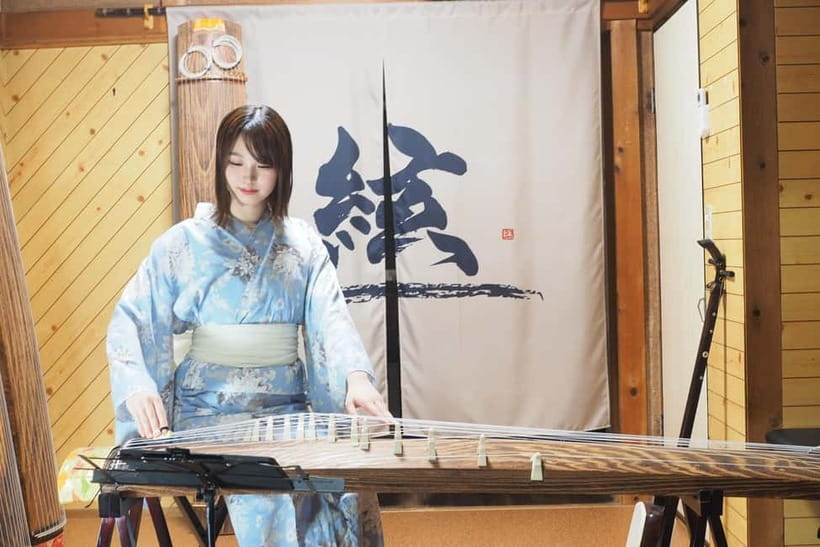
The traditional townhouse is the better pick if you want personal contact. Capacity is limited to about 11 people, and several performances have had only a handful of people in the room. You sit on cushions or chairs in a home-like space, close enough to watch the performer’s hands and see how the picks and strings work.
The program usually features one musician playing koto and shamisen, with four or five classical and contemporary pieces. Some performers also sing traditional Japanese songs. Past programs have included pieces such as Kajimakura, Chidorino Kyoku, and Kaede no Hana, but the exact selection changes with the musician and season.
This venue also offers the optional koto workshop. It is not a token photo opportunity. You are shown how to sit, hold the pick, pluck the strings, and read the unusual form of Japanese music notation. With guidance, you work through a short phrase. The workshop is beginner-friendly, and even children who need extra help can take part with assistance.
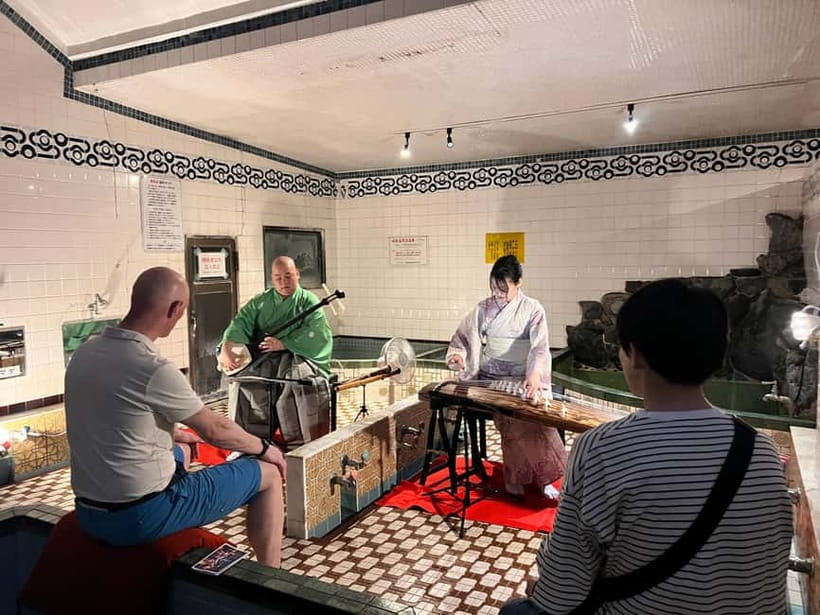
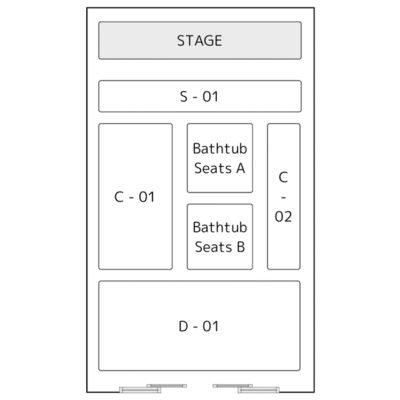
The historic bathhouse hall gives you a larger sound. Its tiled surfaces create natural reverberation, so the music spreads around the room rather than staying close to the performer. This is the stronger choice if you care most about acoustics or want to hear a duet.
A bathhouse program combines solo work with four or five total pieces, not counting the opener. The second instrument may be shamisen, shakuhachi, taishōgoto, flute, guitar, or another pairing. The repertoire is selected for the hall and for the musicians, so one concert may feel lyrical and spare while another has more rhythmic or cross-genre energy.
There is one practical catch: bathhouse performances are offered irregularly on Mondays. Check the calendar before building your Kyoto day around this option. Also note that you are visiting the hall for music only. Bathing, food, drinks, and use of bathhouse facilities are not included.
Other concerts and shows we rate around Japan
- Experience the Asakusa Kabuki Opera Show!
★ 5.0 · 99 reviews - Japanese Traditional Music Show in Tokyo
★ 5.0 · 72 reviews - Traditional Japanese Music show & Experience Tour in Kyoto
★ 5.0 · 57 reviews
A clear introduction before the first note
The program begins with check-in and seating, usually taking five to ten minutes. You receive basic information about the venue and expected manners. This is helpful in the townhouse, where the setting feels more like entering someone’s home than attending a formal concert hall.
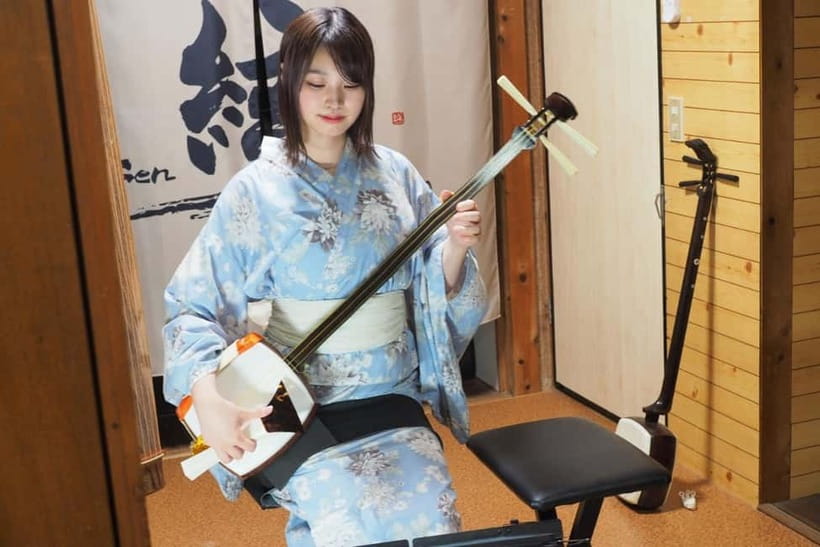
Next comes a 10 to 15-minute instrument introduction. You learn how the long, wooden koto is strung and played, how the shamisen differs from it, and why each instrument requires its own playing technique. The explanation can cover the materials, bridges, picks, and the visual system used to read music.
That short lesson changes the way you listen. A koto piece is no longer just a sequence of bright, ringing notes. You can watch how the player bends a string, controls the attack, or shifts from delicate lines to a fuller sound. With shamisen, you can pay attention to the stronger percussive quality of the pick and the lower, more earthy tone.
The commentary is bilingual in Japanese and English. The hosts and performers vary, but Gen is associated with the experience, and past programs have included hosts such as Shoei, Shima, and Samuel. Musicians have included Furan, Kyoko, and Aoi, among others. Your exact performer depends on the date and option, so do not book expecting one particular artist unless the calendar identifies that person.
Four or five pieces, each with a different purpose
The concert lasts about 25 to 30 minutes. That may sound brief, but it is a sensible length for a first encounter with traditional Japanese instruments. You hear enough variety to understand the range without having to sit through a long formal recital.
A typical townhouse program includes four or five solo pieces. One may be a classical work with a measured, spare quality. Another may come from a newer arrangement. A performer might switch between koto and shamisen, or combine instrumental playing with singing.
The contrast is important. Traditional music can be quiet and finely shaded, but it is not all one mood. Contemporary pieces and original works can bring more motion, stronger rhythm, or a less expected structure. The program is artist-led, so the performer’s own style matters.
At the bathhouse, the sound is the main attraction. A koto duet with shamisen gives you a conversation between bright strings and a rougher, more forceful tone. A shakuhachi adds breath and space. Guitar or flute can shift the music toward a more familiar sound while keeping the koto at its center.
The commentary between pieces keeps you oriented. You are not expected to know the names of Japanese scales, genres, or composers. If a piece has a story, period connection, or special technique, the explanation gives you a reason to listen for it.
The close contact is the real luxury
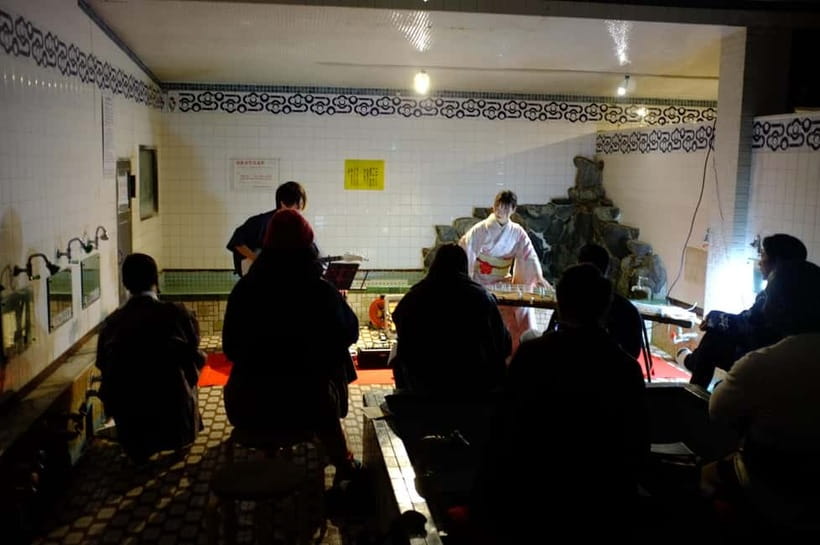
The $32 price is strong value for Kyoto, especially if you choose the townhouse program and add the workshop. You are not only paying for a short concert. The cost includes professional live music, bilingual explanations, a question period, time for photographs, and venue seating.
The value comes from the scale. In a large cultural show, you may see the instruments from a distance and receive a broad historical talk. Here, you can ask why a bridge is placed in a certain position, how the performer reads the notation, or what makes one string sound different from another.
After the concert, there is a five to ten-minute Q&A and photo period. This is a useful part of the program, not an afterthought. The performers are accessible, and the small room makes it natural to ask about training, repertoire, materials, or the meaning of a piece.
Photography is allowed during the designated photo time, according to the supplied details. Follow the host’s instructions during the performance so phones and cameras do not distract the musician or block the view for others.
Same city, a different kind of sound:
- Concerts Played with Traditional Instruments in Kyoto
★ 5.0 · 50 reviews - Kyoto: Japanese Koto & Shamisen Concert and Koto Class
★ 4.9 · 31 reviews - Traditional Japanese Music show & Experience Tour in Osaka
★ 5.0 · 25 reviews - Tokyo: Traditional Asakusa Music Show with Dinner
★ 5.0 · 10 reviews
Add the koto workshop if you want to remember the evening
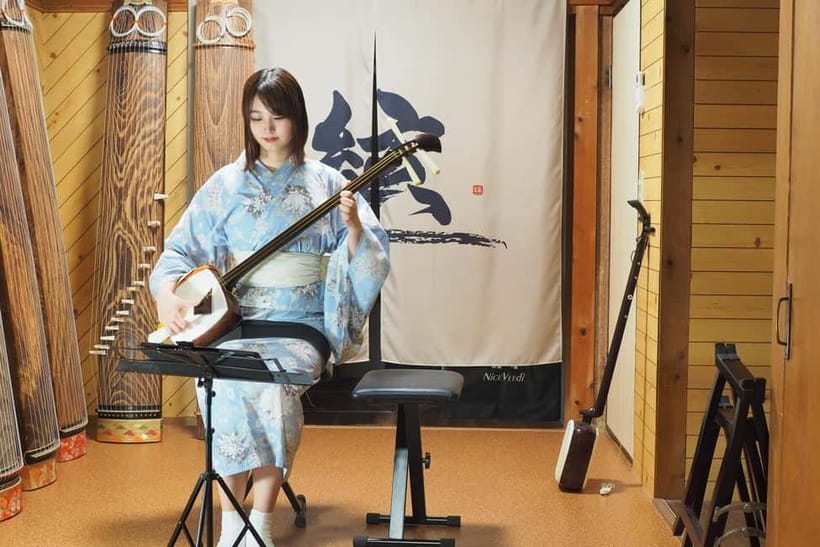
The optional workshop adds 35 to 40 minutes, bringing the full visit to as much as 105 minutes. It is available only with traditional townhouse bookings.
I would add it if you enjoy hands-on cultural activities. You learn a short phrase rather than attempting a full concert piece, so the lesson remains manageable. The staff provides sanitized instruments and guides you through the basic technique.
The workshop is also useful for families with older children, music lovers, and anyone who wants more than passive listening. You feel how much control the performer has to develop. A simple melody can require careful posture, finger placement, timing, and pressure.
If your Kyoto schedule is tight, the concert alone lasts about 45 minutes. That is enough to make the activity fit before dinner or between sightseeing stops. If you book the workshop, leave more than an hour and allow time to locate the venue.
Getting there and fitting it into your day
The meeting point changes with the option booked, so check the exact location carefully. The townhouse can be difficult to find, particularly if you rely only on a street address. Several people have found that entering the longitude and latitude is more useful than typing the address into a map app.
The area is away from Kyoto’s biggest sightseeing crowds. That is part of the appeal, but it means you should not expect to step directly from a famous temple gate into the concert. Give yourself extra time, especially for an evening booking.
From around Saiin, you can connect to several major sights:
- Arashiyama: About 25 minutes. Walk to Saiin Station, take the Hankyu line to Katsura, and transfer to the Randen Line.
- Nijō Castle: About 20 minutes. The supplied route notes a one-stop connection from Saiin on the Tozai subway line.
- Kinkaku-ji: About 20 minutes. Take a bus from Nishioji Sanjō, listed at about 16 minutes, followed by a short walk.
- Nishiki Market: About 25 minutes. Take the Hankyu line toward Karasuma or Kawaramachi.
These times are useful planning estimates, not a promise of door-to-door travel. Kyoto traffic, walking, transfers, and finding the venue can add time. I would place the concert before a meal near Nishiki Market, after Nijō Castle, or as a calm change of pace after a crowded day in Arashiyama.
Transportation is not included, and neither are food or drinks. Babies under one year are not suited to this activity. English and Japanese are available, and private or small-group arrangements can be offered.
Who will enjoy this most
This concert is a strong choice if you want culture that feels personal rather than staged for a large crowd. It suits first-time visitors who know little about koto or shamisen because the introductory talk supplies the needed context.
Music lovers will appreciate the close view of technique. You can see the performer’s hands, hear changes in tone, and ask questions immediately. The townhouse also works well for couples, solo visitors, and families with children old enough to sit quietly for a short performance.
It is less suitable if you want a long orchestra concert, a large theatrical production, or a full evening of food and entertainment. The townhouse can feel cramped when it reaches capacity, although that closeness is also its chief strength. The bathhouse is less intimate but offers the more unusual acoustic setting.
Do not assume every program will feature the same balance of instruments. Some past programs have given more time to koto than shamisen, and the performer’s selection changes. If you have a strong preference, check the date details before booking.
Final booking advice
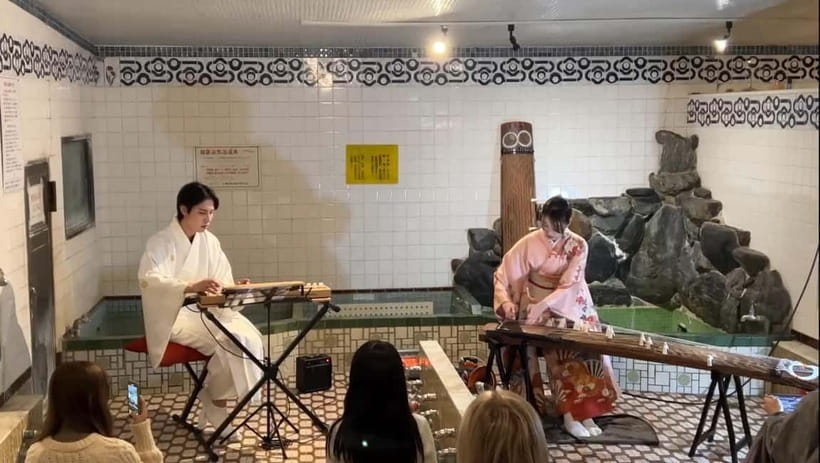
I would book this experience if you want one thoughtful, low-key cultural hour in Kyoto. At $32, the townhouse concert offers unusually close access to professional musicians, useful explanations, and a chance to try the koto. Add the workshop if you want a lasting memory and have enough time.
Choose the bathhouse when the Monday date works and you prefer duet music with broad natural echo. Choose the townhouse when you want the most personal setting, flexible scheduling, and the workshop.
Free cancellation is available up to 24 hours before the activity, and you can reserve now and pay later. That helps when your Kyoto plans are still shifting. Just confirm the venue, meeting point, start time, and performer listed for your chosen date.
FAQ
How long does the concert last?
The concert-only visit lasts about 45 minutes. An itinerary with the optional koto workshop can take 105 minutes.
What instruments will I hear?
The townhouse programs focus on solo koto and shamisen. Bathhouse programs feature koto with another instrument, which may include shamisen, shakuhachi, taishōgoto, flute, or guitar.
Is the concert suitable for someone with no music background?
Yes. The program is designed for people with little prior knowledge of Japanese instruments. The introduction explains how the instruments work, how they are played, and how the notation differs from Western music.
Is the koto workshop included?
The workshop is optional and available only with traditional townhouse bookings. It takes about 35 to 40 minutes and includes guidance on basic technique and a short phrase.
Is the bathhouse visit a bathing experience?
No. The bathhouse option is for a concert in the historic hall. Bathing, food, drinks, and use of the bathhouse facilities are not included.
How many people attend?
The traditional townhouse holds up to about 11 people. The historic bathhouse hall holds up to about 30 people. Private or small-group options may also be available.
When are the performances offered?
Townhouse performances are held almost every day. Bathhouse concerts are offered irregularly on Mondays, so check the calendar for available dates.
Just reviewed around Japan
- Japanaese tradtional Tsugaru Shamisen music lesson in Tokyo★ 4.5 · 3 reviews
- Tsugaru shamisen performance over traditional dinner★ 5.0 · 9 reviews
- Easy for everyone! Now you can play handmade mini shamisen and show off to everyone! Musical instruments, sweets and live music★ 5.0 · 3 reviews
- Traditional Japanese Music show & Experience Tour in Osaka★ 5.0 · 25 reviews
- Traditional Concert in Public bath near Kyoto Station★ 5.0 · 5 reviews
- Private Japanese music concert★ 5.0 · 4 reviews
- Kyoto: Matcha & Traditional Japanese Music Immersive Experience★ 5.0 · 9 reviews
- Kyoto: Kujo-yu Sento Traditional Japanese Instrument Concert★ 5.0 · 2 reviews
Kyoto Live Music: the closest alternatives.
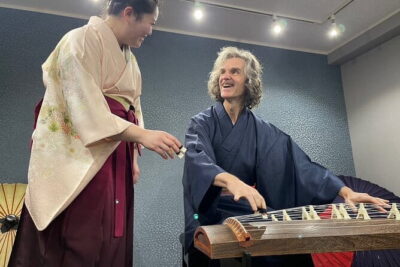
Traditional Japanese Music show & Experience Tour in Kyoto
Read our review →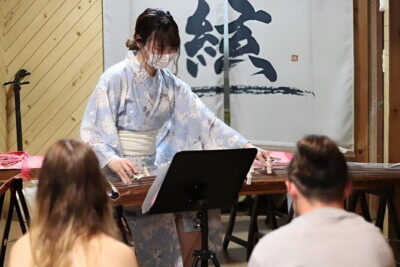
Concerts Played with Traditional Instruments in Kyoto
Read our review →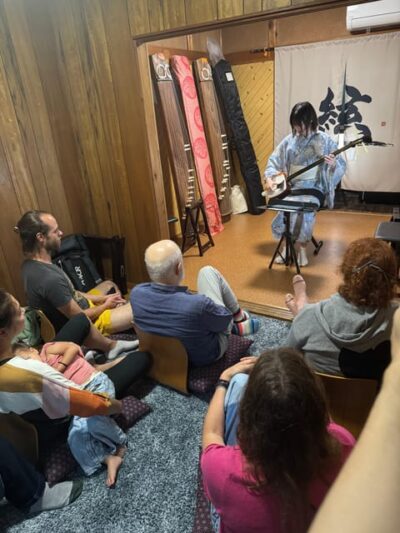
Kyoto: Japanese Koto & Shamisen Concert and Koto Class
Read our review →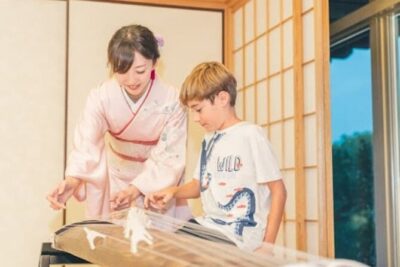
Kyoto: Matcha & Traditional Japanese Music Immersive Experience
Read our review →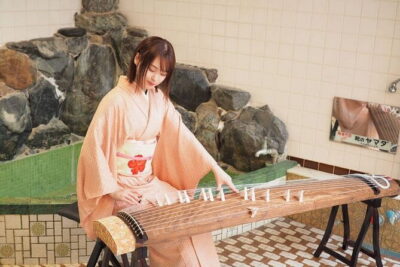
Traditional Concert in Public bath near Kyoto Station
Read our review →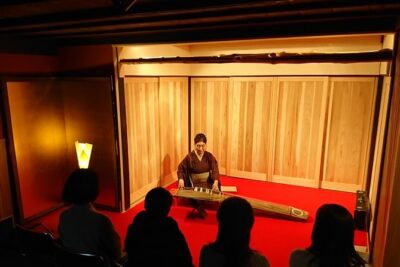
Kyoto: Kujo-yu Sento Traditional Japanese Instrument Concert
Read our review →This show also appears in