
Review · JAPAN
Echoes of Peace – A Soul-Stirring Koto Concert in Hiroshima
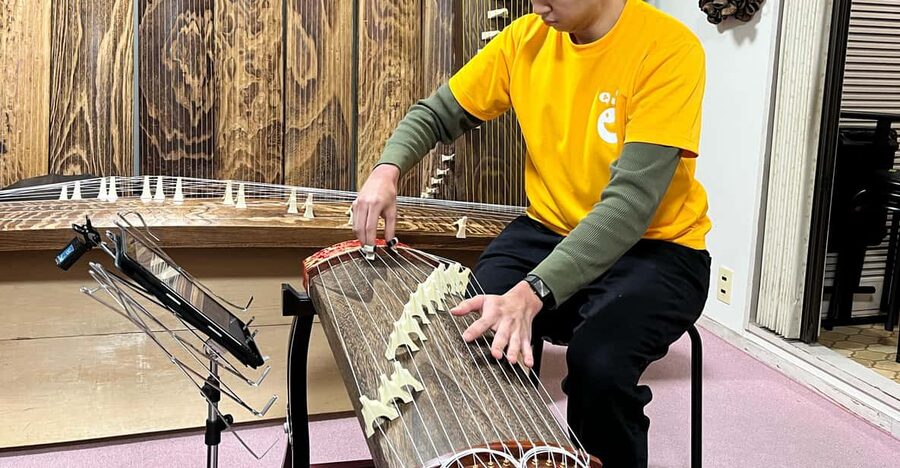
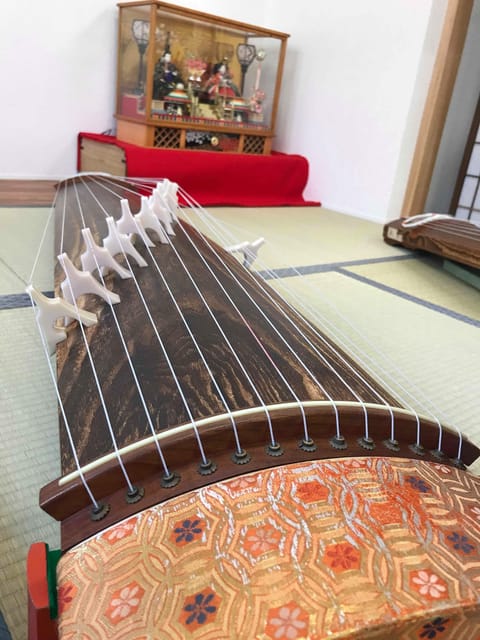
The koto’s long wooden body and bright, shimmering strings make a striking sound in a quiet studio near Hiroshima Peace Memorial Park. I like the way this 30-minute cultural experience connects Japanese musical tradition with familiar works such as Bach’s Air on the G String, Pachelbel’s Canon in D, and John Lennon’s Imagine. I also like the small group size, capped at 10, which leaves room for conversation in English.
The main consideration is that the concert itself is short, about 25 minutes, and the peace theme may not fill the entire program. One visitor especially enjoyed the music and presentation but hoped for more peace-related pieces. Clearer exterior signs would also make the venue easier to find.
Key points to know before booking
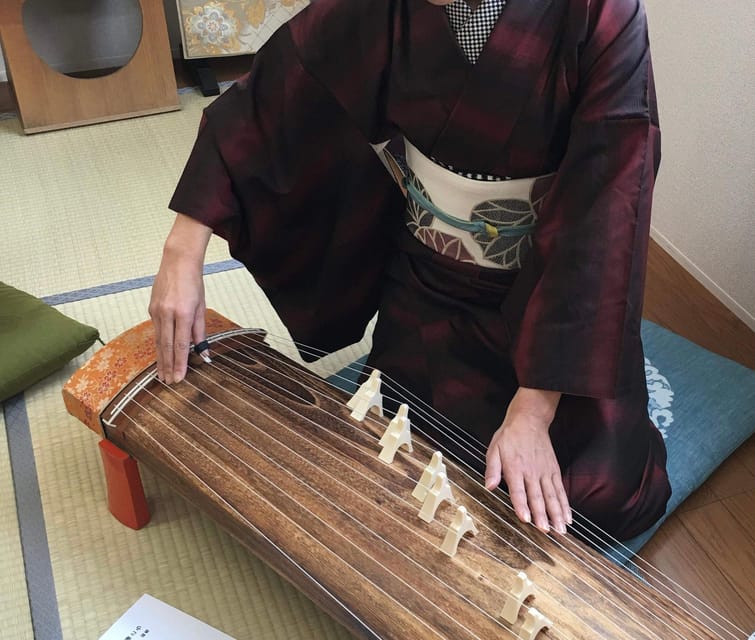
- A short live koto concert: Expect about 25 minutes of music within a 30-minute activity.
- Classical and modern programming: The set can move from Bach and Pachelbel to pop arrangements.
- A Hiroshima peace connection: The program includes music honoring atomic bomb victims and hopes for global harmony.
- English conversation included: You can speak with the koto performer after the performance.
- Small-group setting: The room accepts no more than 10 participants.
- Optional hands-on workshop: You may be able to try the koto after the concert.
Hearing the koto near Hiroshima Peace Memorial Park
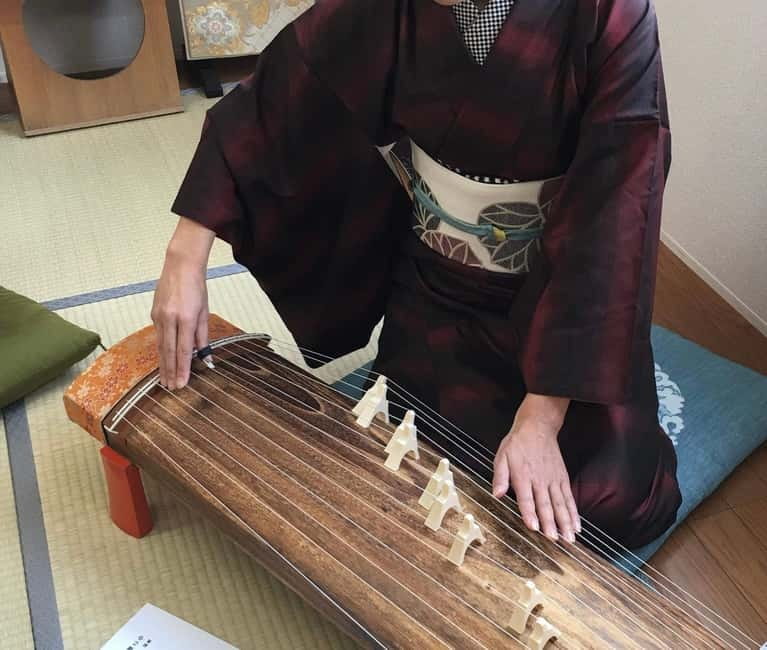
This is a compact music activity built around one instrument, not a long stage show or a full museum visit. You arrive at a serene space near Hiroshima Peace Memorial Park, take a seat, and listen as the koto carries the program.
The koto is a traditional Japanese string instrument with an elegant, harp-like sound. Its tones can be delicate and spacious, but the instrument also has enough range for recognizable melodies and modern arrangements. That range is the heart of the session. You are not hearing only old Japanese music. You may hear a program that places classical European pieces, a modern anthem, pop songs, and original compositions side by side.
I like this format for a first introduction to Japanese music. You do not need to know anything about the koto before arriving. The music gives you an immediate sense of its sound, while the short introduction explains why the instrument matters.
The setting also matters. Hiroshima is a city tied to memory, grief, rebuilding, and peace. A quiet koto performance near the Peace Memorial Park gives you a slower way to think about that setting. It does not replace the park, museum, or memorial sites. Instead, it can work as a reflective pause before or after visiting them.
Other concerts and shows we rate around Japan
- Kyoto: Traditional Concert at Townhouse or Bathhouse
★ 4.9 · 224 reviews - Experience the Asakusa Kabuki Opera Show!
★ 5.0 · 99 reviews - Japanese Traditional Music Show in Tokyo
★ 5.0 · 72 reviews
What happens during the 30-minute session
The activity lasts 30 minutes, with the live concert taking roughly 25 minutes. The remaining time is used for a cultural introduction and conversation, although the precise order can vary.
You begin with an explanation of the koto’s background, construction, and place in Japanese culture. This is useful because the instrument can look simple at first glance. The sound comes from the strings, but the performer’s technique, tuning, and touch shape the mood of each piece.
The introduction also covers the koto’s spiritual significance. That gives the concert a little more weight than a simple musical demonstration. You learn what you are hearing before the first notes settle into the room.
The music then moves through a mixed program. Planned examples include:
- Echo of Serenity, an original composition dedicated to peace
- Imagine, John Lennon’s well-known song about hope and harmony
- Bach’s Air on the G String
- Ave Maria
- Pachelbel’s Canon in D
- Unexpected pop-song adaptations
The exact balance is worth keeping in mind. The activity is presented as a tribute to peace, with music honoring atomic bomb victims and prayers for global harmony. Yet the program also includes classical works and pop arrangements. If you want a concert made almost entirely of peace-themed music, this may feel less focused than expected.
That variety will suit you if you enjoy hearing how one traditional instrument handles different styles. A familiar tune can also help you notice the koto’s tone and technique more easily than a program made only of unfamiliar compositions.
Why the mixed music program works
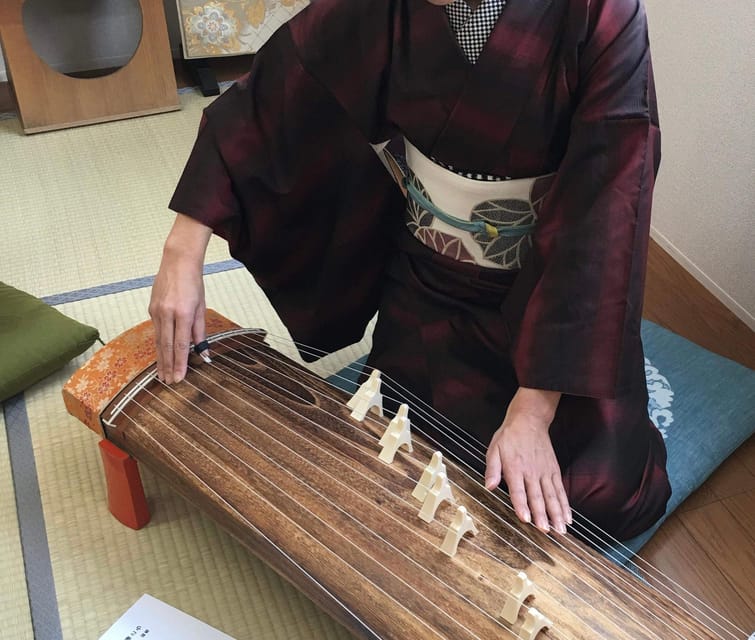
The classical selections offer a calm entry point. Air on the G String, Ave Maria, and Canon in D are recognizable to many listeners, even if they have never heard them played on a koto. Their familiar melodies give you a reference point as you listen to the instrument’s plucked, ringing sound.
The modern songs serve a different purpose. Pop arrangements show that the koto is not frozen in the past. The instrument can carry melodies that belong to today’s popular culture, and that contrast makes the traditional form easier to understand.
I find this kind of programming helpful when you have limited time in Hiroshima. You get a cultural lesson without having to commit to a full evening concert. The short length also makes it easy to fit around the Peace Memorial Park, a meal, or another central Hiroshima activity.
Still, a short program means little room for long explanations or many complete pieces. You should think of this as a focused introduction rather than a full recital. The point is the sound, the setting, and the connection between Japanese tradition and contemporary ideas.
The peace theme and Hiroshima’s setting
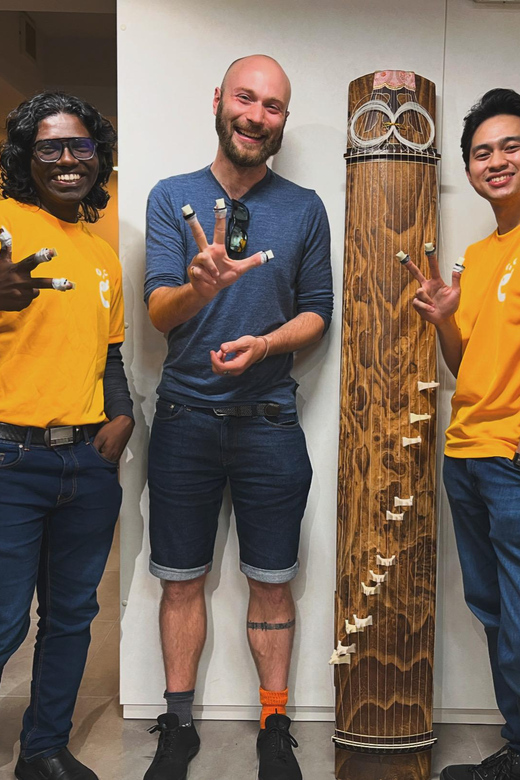
The strongest idea behind this activity is the link between music and Hiroshima’s role as a symbol of peace. The program includes a work dedicated to peace, music honoring atomic bomb victims, and a wish for harmony across the world.
That gives the session a serious side. The koto’s gentle sound can create a quiet moment after the emotionally demanding displays around the Peace Memorial Park. You can use the concert as a chance to sit, listen, and consider what peace means beyond a written museum message.
At the same time, you should set your expectations carefully. Not every selection is necessarily about Hiroshima or peace. The inclusion of Bach, Pachelbel, Ave Maria, and pop adaptations means the mood may shift between solemn, beautiful, familiar, and playful.
I see that as a reasonable balance, especially for a 30-minute activity. A program made only of memorial music could feel heavy. The mix allows the performer to honor Hiroshima while also showing the koto as a living instrument with room for joy and surprise.
If the peace connection is your main reason for booking, ask about the program when you arrive. The available information does not promise that every listed piece will appear at every session, and one person hoped for more music about peace. That small check can help you decide if the timing and content fit your plans.
Same city, a different kind of sound:
- Traditional Japanese Music show & Experience Tour in Kyoto
★ 5.0 · 57 reviews - Concerts Played with Traditional Instruments in Kyoto
★ 5.0 · 50 reviews - Kyoto: Japanese Koto & Shamisen Concert and Koto Class
★ 4.9 · 31 reviews - Traditional Japanese Music show & Experience Tour in Osaka
★ 5.0 · 25 reviews
A cultural talk that adds meaning
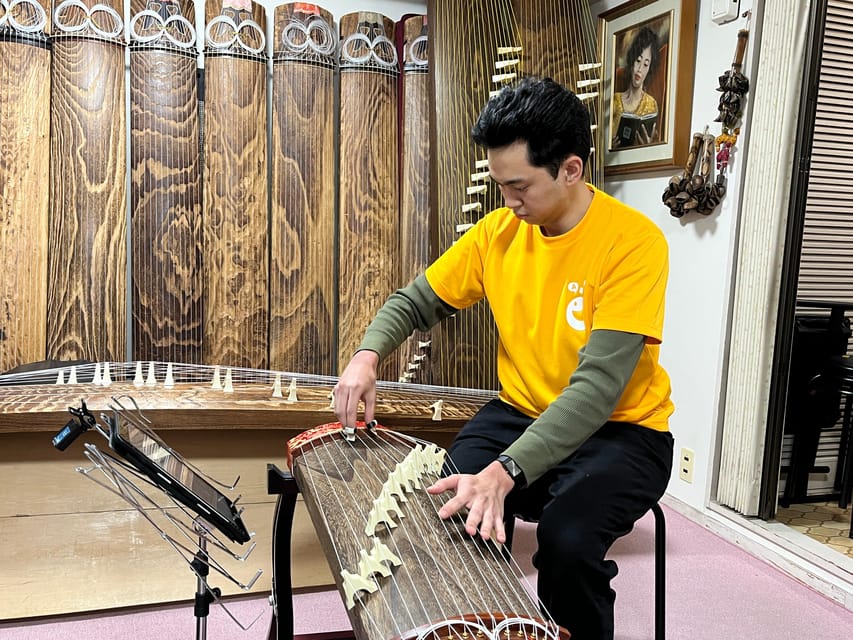
The story of the koto is included, along with an explanation of its craftsmanship and spiritual role. This is important because the instrument’s appearance alone does not explain its place in Japanese culture.
The talk gives you context for the performance without turning the activity into a long lecture. You hear how the instrument was made, why its strings matter, and how its sound connects to older Japanese musical practice.
The performer also offers free conversation in English. That is a useful feature for anyone who wants to ask a direct question about the music, the instrument, or the pieces just performed. Since the group is limited to 10 people, this should feel more personal than a large public concert, though the exact amount of discussion will depend on the group.
One particularly helpful part of the presentation is the use of visual material. A visitor praised the PowerPoint presentation as excellent and interesting, along with the chance to be in the performer’s studio. That suggests the session is not simply music in a room. It also gives you a visual explanation of what you are hearing.
The English instruction makes the activity accessible if you do not speak Japanese. You can follow the introduction and take part in the conversation without needing a translator.
The optional koto workshop
After the concert, an optional mini-workshop may let you try the koto yourself. This is not included as a guaranteed part of the standard performance, so check the available option when booking.
A workshop can change the way you hear the concert. The koto’s sound may seem effortless from the audience, but touching the instrument gives you a better sense of the technique involved. Even a brief attempt can make the performance feel less distant.
I would choose the workshop if you enjoy hands-on cultural activities or are traveling with someone who prefers participation to passive listening. It may also be a good choice for families with older children, though children under 10 are not suitable for this activity.
Do not book this expecting a full music lesson. The main product is the live performance and cultural introduction. The workshop is an optional extra, not the central program.
Finding the studio near Tatemachi Station
The meeting point is near Hiroshima Peace Memorial Park, and the directions begin at Tatemachi streetcar station. Get off there, then walk straight along the street.
Use Tully’s coffee shop as your first landmark. Continue until you see the okonomiyaki restaurant Gokku, written 悟空. Turn right there.
The location can be easy to miss because the exterior sign is not as clear as it could be. Allow a little extra time rather than arriving at the last second. When you see the correct sign, go to the second floor. After leaving the elevator, you will see the entrance and can walk in.
This is one place where careful navigation matters. The route itself is short and uses recognizable landmarks, but the unclear outside signage can cause a moment of doubt. Keep the address and directions available on your phone, and look for the second-floor entrance rather than assuming the first door you see is the venue.
Transportation is not included. You arrange your own streetcar ride or other transport to Tatemachi. Food is not included either, so plan your meal separately. The information also says glasses are not included, which may matter if you need them for reading the presentation or music information.
Is $25 a fair price for half an hour?
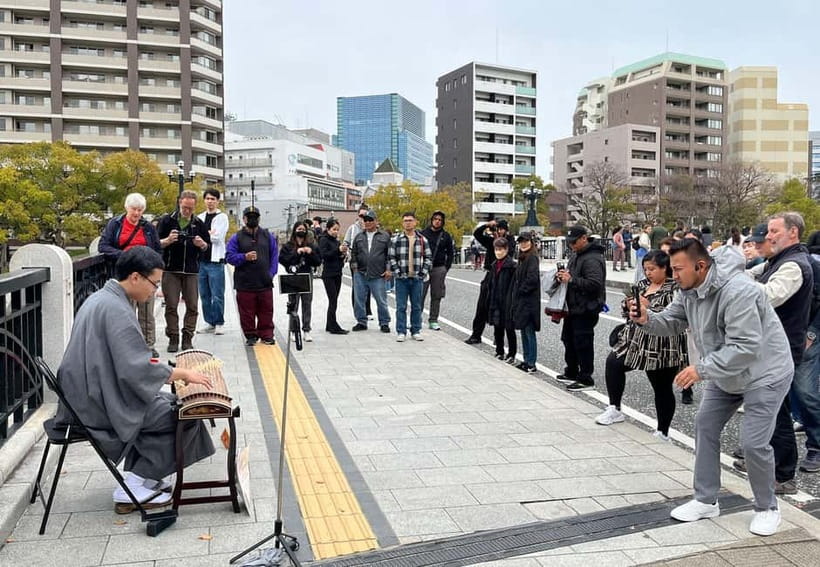
At $25 per person, this is not the cheapest way to fill 30 minutes in Hiroshima. You are paying for a small-group cultural setting, live performance, English explanation, and access to a performer rather than for a large public attraction.
The value improves if you care about Japanese music or want an activity tied to the meaning of Hiroshima. The price is also easier to justify if you take part in the optional workshop or make use of the conversation time.
The value is weaker if you are looking for a long concert. The music lasts about 25 minutes, and the full activity lasts 30 minutes. You should not compare it with a full evening recital or a major performance venue.
I would see the price as reasonable for a compact, personal introduction. It fits neatly into a sightseeing day and offers something you cannot get from simply looking at an instrument in a museum display. The key is knowing that this is a short cultural encounter, not a large-scale event.
Who will enjoy this koto experience?
I recommend it most strongly if you want a calm activity in central Hiroshima and enjoy learning through music. It suits solo visitors, couples, and small groups who want a quiet break from busy sightseeing.
It is also a good choice if you have already seen the major memorial sites and want another way to think about Hiroshima’s peace message. The music creates a different mood from a museum or monument, with time to listen rather than read.
The activity should appeal to classical music fans because of Bach, Ave Maria, and Pachelbel. It also works for people who are more interested in pop music, since the program can include surprising modern arrangements.
Younger children may not be a good fit. The activity is not suitable for children under 10, and the reflective tone may work better for older children and adults.
You may want to skip it if you need a long, highly structured tour or if you dislike mixed programs. The balance between traditional music, Western classics, pop arrangements, and peace-themed works is part of the appeal, but it will not satisfy everyone looking for a single musical style.
Practical booking advice
The group limit is 10 people, so the room should remain small. That is good for seeing the instrument and asking questions, but it also means spaces may be limited at popular times.
The activity is led in English. Free conversation with the performer is included, giving you a chance to clarify anything from the presentation.
You can cancel up to 24 hours in advance for a full refund. A reserve-now, pay-later option is also available, which helps if your Hiroshima schedule is still moving around.
Alcohol and drugs are not allowed. The activity provider is Impression LLC.
I would place this activity either before or after a visit to the Peace Memorial Park, depending on how much emotional space you want in your day. Before the park, it can introduce a reflective mood. After the park, it can give you a quiet place to pause and process what you have seen.
Should you book it?
Book this koto concert if you want a short, thoughtful introduction to Japanese music in a small English-speaking setting. The best reasons are the live sound, the unusual mix of classical and modern music, the Hiroshima peace connection, and the chance to speak with the performer.
Go in expecting 25 minutes of music, not a full concert. Also expect the peace theme to share space with Bach, Pachelbel, Ave Maria, and pop arrangements.
For $25, I think it is a fair choice for a culturally curious visitor who values intimacy and context. If you want a longer performance or a program devoted entirely to memorial music, choose carefully or ask about the day’s selections first.
FAQ
Where does the koto concert take place?
It takes place in a serene space near Hiroshima Peace Memorial Park, reached from Tatemachi streetcar station.
How do I get to the meeting point?
Get off at Tatemachi station and walk straight. Use Tully’s coffee shop as a landmark, then turn right when you reach the Gokku okonomiyaki restaurant, marked 悟空. Go to the second floor when you find the sign.
How long does the activity last?
The total duration is 30 minutes. The live concert itself lasts about 25 minutes.
What music is performed?
The program can include Echo of Serenity, Imagine, Bach’s Air on the G String, Ave Maria, Pachelbel’s Canon in D, and pop-song adaptations.
Is the concert about peace?
Peace is a central theme. The program includes music honoring atomic bomb victims and prayers for global harmony, but it also includes classical works and modern arrangements.
Is the activity conducted in English?
Yes. The instructor speaks English, and free conversation with the koto performer in English is included.
How many people can join?
The activity is limited to 10 participants, making it a small-group experience.
Is a koto workshop included?
A koto workshop is available as an optional add-on. It is not part of the standard concert inclusion.
Is the activity suitable for young children?
No. It is not suitable for children under 10 years old.
What is included in the price?
The price includes the koto live performance, the story of the koto, and free conversation with the performer in English. Transportation, food, and glasses are not included.
Just reviewed around Japan
- Japanaese tradtional Tsugaru Shamisen music lesson in Tokyo★ 4.5 · 3 reviews
- Tsugaru shamisen performance over traditional dinner★ 5.0 · 9 reviews
- Easy for everyone! Now you can play handmade mini shamisen and show off to everyone! Musical instruments, sweets and live music★ 5.0 · 3 reviews
- Traditional Japanese Music show & Experience Tour in Osaka★ 5.0 · 25 reviews
- Traditional Concert in Public bath near Kyoto Station★ 5.0 · 5 reviews
- Private Japanese music concert★ 5.0 · 4 reviews
- Kyoto: Matcha & Traditional Japanese Music Immersive Experience★ 5.0 · 9 reviews
- Kyoto: Kujo-yu Sento Traditional Japanese Instrument Concert★ 5.0 · 2 reviews
Japan Live Music: the closest alternatives.
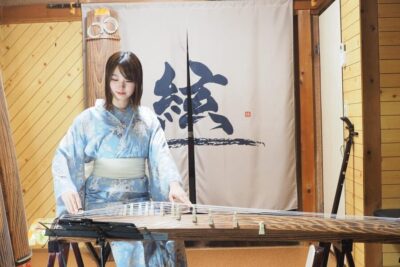
Kyoto: Traditional Concert at Townhouse or Bathhouse
Read our review →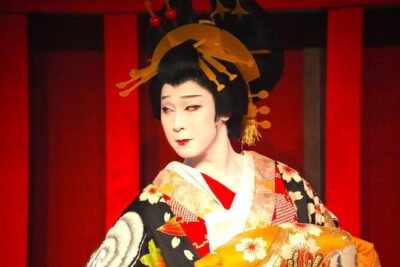
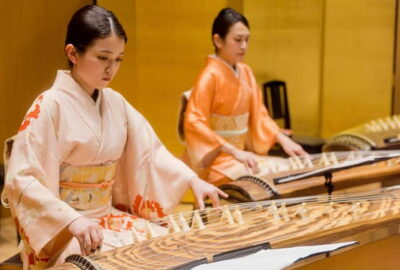
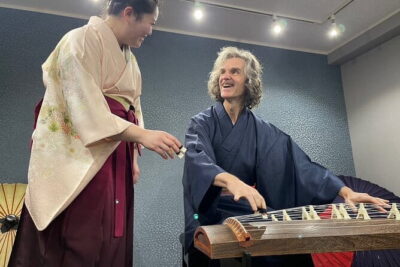
Traditional Japanese Music show & Experience Tour in Kyoto
Read our review →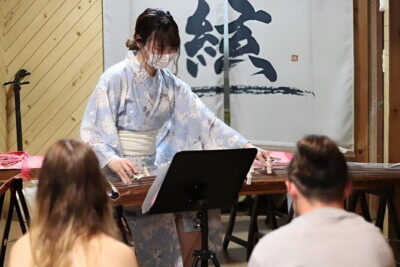
Concerts Played with Traditional Instruments in Kyoto
Read our review →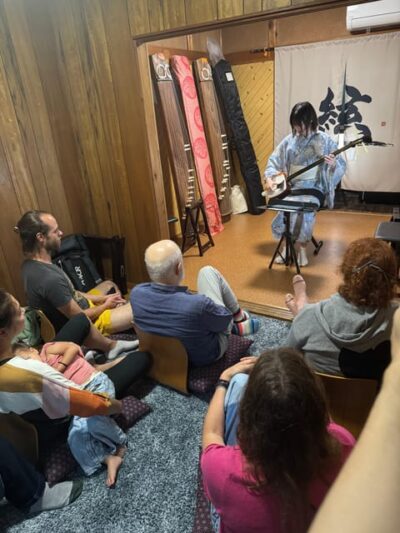
Kyoto: Japanese Koto & Shamisen Concert and Koto Class
Read our review →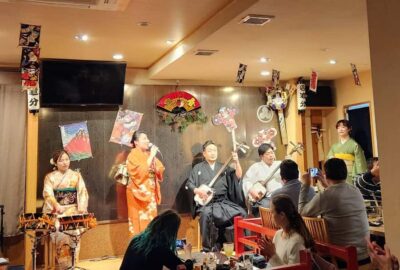
Tokyo: Traditional Asakusa Music Show with Dinner
Read our review →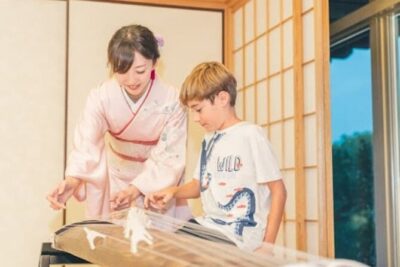
Kyoto: Matcha & Traditional Japanese Music Immersive Experience
Read our review →This show also appears in