
Review · KYOTO
Traditional Concert in Public bath near Kyoto Station
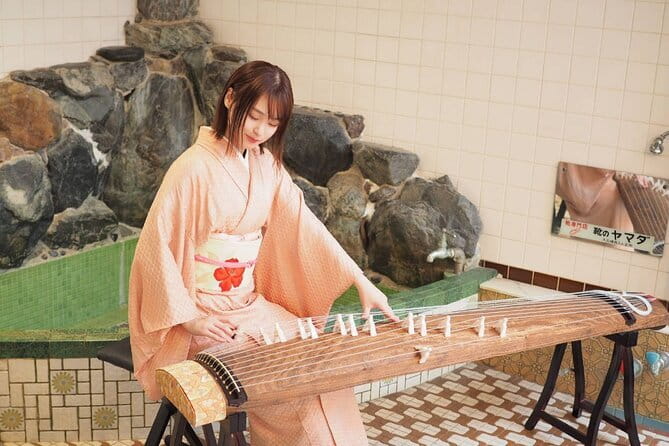
The most unusual part of this Kyoto concert is the setting: Kujo-yu, a former public bathhouse with tiled walls and high ceilings. The building once served the local community, and its new life as a concert space gives the music a setting you will not find in a standard hall.
I like the way the bathhouse acoustics suit the soft, precise sounds of the koto and shamisen. I also like the changing program, which can include classical Japanese pieces, modern arrangements, and original compositions. The main consideration is that this is a short concert, about one hour, and coffee, tea, and private transport are not included.
Key points to know before booking
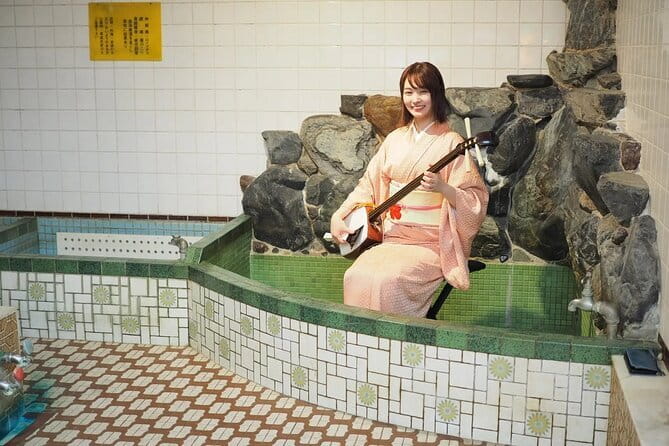
- A former sento becomes the concert hall: Kujo-yu’s tiled walls and high ceilings create a striking setting for live music.
- Hear two classic Japanese instruments: The program centers on the koto and shamisen, with their very different tones and playing styles.
- Programs change: Music varies with the season and performers, so the exact selection is not fixed.
- Near Kyoto Station: The venue is close to public transportation, making this easy to fit into a Kyoto sightseeing day.
- One hour, with no long commitment: The compact format works well before dinner or after a day of temple visits.
- The price reflects the setting as much as the music: At $32.52 per person, you are paying for a small cultural event in a memorable historic space, not just a standard concert ticket.
A bathhouse with a second life
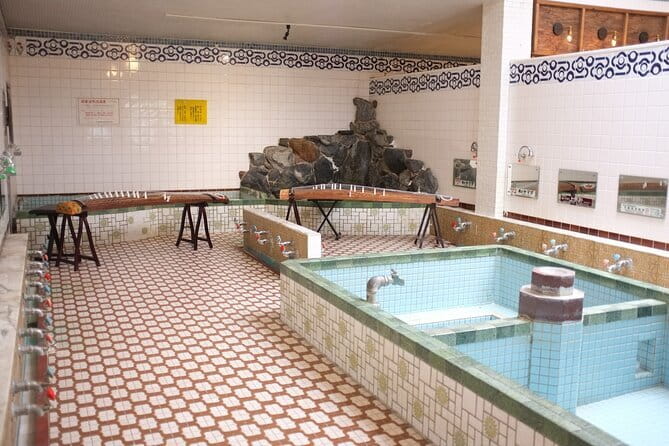
Kyoto has no shortage of temples, gardens, tea houses, and formal performance venues. Kujo-yu gives you something different. This former Japanese sento, or public bathhouse, has been renovated as a shared cultural and coworking space, while keeping the visual character that made it a bathhouse.
You can expect tiled surfaces, a high ceiling, and the unusual sense of entering a place designed for water rather than music. Those details are not just decoration. They shape the way sound moves through the room.
A conventional concert hall often directs sound with carefully designed walls and ceilings. Here, the old bathhouse construction provides a different effect. The clear notes of the koto and the sharper sound of the shamisen travel across the open interior and mingle with the building itself.
That setting is the main reason to choose this event over a more ordinary music performance. You are not simply sitting in a room while performers play. The room explains something about local life, neighborhood spaces, and the creative reuse of older buildings.
Other concerts and shows we rate around Japan
- Kyoto: Traditional Concert at Townhouse or Bathhouse
★ 4.9 · 224 reviews - Experience the Asakusa Kabuki Opera Show!
★ 5.0 · 99 reviews - Japanese Traditional Music Show in Tokyo
★ 5.0 · 72 reviews
What the koto and shamisen add to the evening
The koto is a traditional Japanese string instrument with a refined, delicate sound. Its music can feel spacious and carefully measured, with individual notes given room to fade.
The shamisen has a different character. It is also a string instrument, but its sound is more direct and percussive. Hearing the two together gives the concert contrast, rather than one long stretch of similar tones.
You do not need prior knowledge of Japanese music to follow the performance. The appeal is partly physical: the sound changes as it passes through the tiled bathhouse. You can listen for the difference between the koto’s ringing lines and the shamisen’s more emphatic attack.
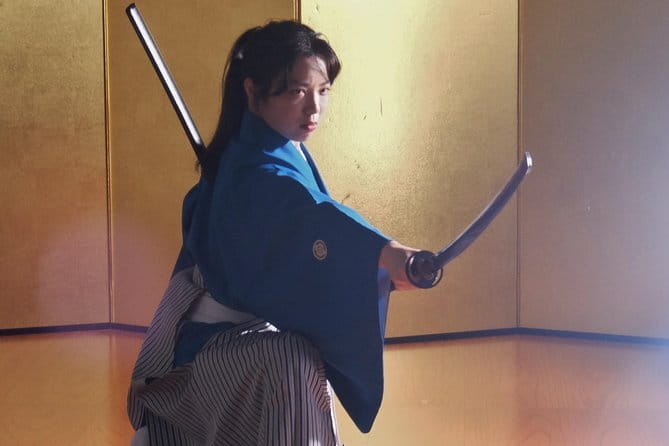
The program is not limited to old compositions. It can range from classical Japanese masterpieces to contemporary arrangements and original works by the performers. That variety matters because it keeps the concert from feeling like a museum display.
You get a look at a traditional musical vocabulary, but you also hear how performers use it in newer settings. The result is more approachable than a strictly formal recital might be.
How the one-hour itinerary works
There is one main stop: コワーケーションスペース九条湯, also known as Kujo-yu. The concert takes place inside the renovated bathhouse, and admission to the performance is included with your ticket.
The total experience lasts about one hour. That makes it easy to place in a full Kyoto schedule. You could attend before an evening meal, after sightseeing around Kyoto Station, or during a quieter part of your day when you want something other than another landmark.
The short length is also a useful safety net. Kyoto sightseeing can involve long walks and crowded transport, so a one-hour cultural event is less demanding than a full evening performance. You get a focused introduction to traditional instruments without giving up half a day.
At the same time, you should set your expectations correctly. This is not a long tour of the bathhouse or a broad lesson in Japanese music. The information provided focuses on the concert itself, with the building serving as the setting and part of the experience.
If you want a performance that leaves plenty of time for other plans, the format works well. If you want a full cultural workshop, detailed instrument instruction, or a lengthy history of the venue, this may feel too brief.
Why the acoustics matter here
The bathhouse design is the experience’s strongest feature. High ceilings and tiled walls help carry the music, giving the performance a sense of space.
This is especially useful for instruments such as the koto and shamisen. Their sounds depend on clarity and detail. In a loud or poorly suited room, subtle notes could disappear. In Kujo-yu, the building helps preserve the clean, ringing quality of the instruments.
I like cultural activities that connect the art to its surroundings. In this case, the venue is not a neutral box. The old bathhouse changes how you hear the music, and the music gives you a reason to notice the building.
The setting also provides a small lesson in urban Kyoto. A public bathhouse was once a familiar neighborhood institution, cherished by local residents. Its renovation shows how an older community place can continue to serve people in a new role.
You should not expect the building to resemble a polished theater. That is part of its appeal, but it may not suit someone looking for a formal concert hall with a highly traditional atmosphere. The charm comes from the contrast between the practical bathhouse interior and the careful music performed inside it.
Same city, a different kind of sound:
- Traditional Japanese Music show & Experience Tour in Kyoto
★ 5.0 · 57 reviews - Concerts Played with Traditional Instruments in Kyoto
★ 5.0 · 50 reviews - Kyoto: Japanese Koto & Shamisen Concert and Koto Class
★ 4.9 · 31 reviews - Traditional Japanese Music show & Experience Tour in Osaka
★ 5.0 · 25 reviews
A changing program keeps the event fresh
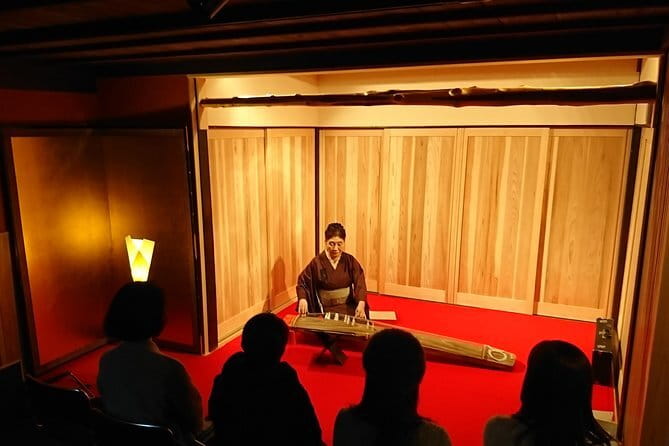
The music changes according to the season and the performers. That means the exact program is not fixed in the information available for booking.
One performance may lean toward classical Japanese works. Another may feature contemporary arrangements or original pieces. This uncertainty is a benefit if you enjoy discovery, but it is worth noting if you are booking because you want to hear one particular composition.
The changing program also gives the event repeat value. If you return to Kyoto, a later concert may not simply repeat the same hour of music. The performers and season can shape the selection.
I would treat this as an introduction to Japanese instrumental music rather than a concert built around one famous work. You are buying the atmosphere, the sound, and the chance to encounter a varied program in an unusual room.
The event can also fit people with different levels of musical interest. Someone already familiar with Japanese instruments can focus on the performance and arrangements. Someone new to the koto and shamisen can use the hour as a clear first encounter.
Is $32.52 a fair price?
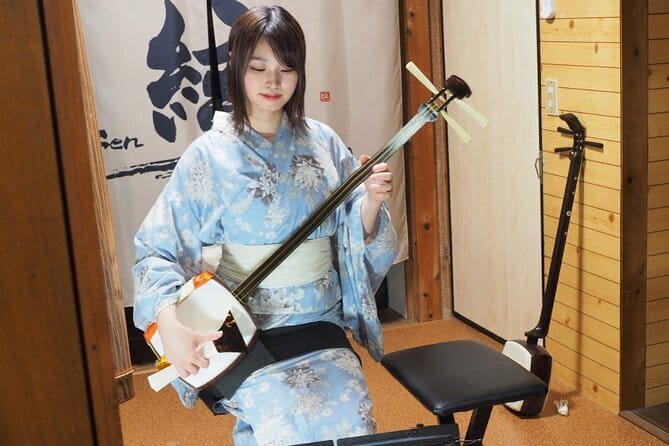
The listed cost is $32.52 per person. That is not the cheapest way to fill an hour in Kyoto, but the value depends on what you want from the evening.
You are paying for a ticketed live performance, a distinctive venue, and access to traditional music in a setting that is part of the story. The former bathhouse gives the experience more character than a basic recital in a generic room.
The price is easier to justify if you value small cultural events and unusual architecture. It is less appealing if your main goal is simply to hear music at the lowest possible cost.
Coffee and tea are not included, so do not treat this as a concert with refreshments. Private transportation is also not included. The venue is near public transportation, which helps keep your additional costs down, but you will need to make your own way there.
I also like that the event takes only about an hour. A short performance limits the risk of spending a large part of your day on an activity that does not suit you. For many people, the price is reasonable for a compact cultural stop close to Kyoto Station.
Who will enjoy this concert most?
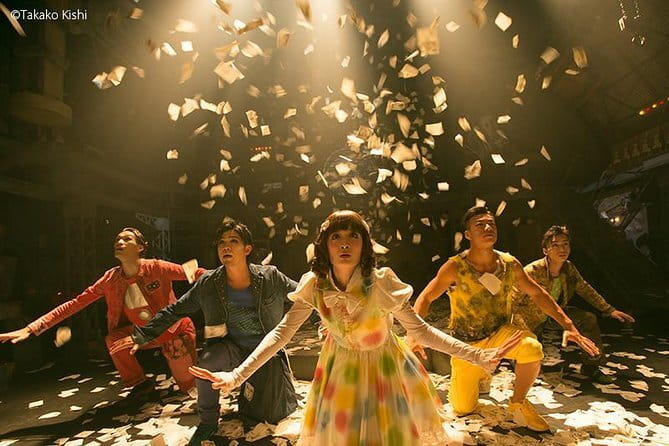
I would recommend this experience to you if you enjoy places with a clear sense of purpose and age. The bathhouse setting gives the concert a local, physical quality that a standard auditorium cannot copy.
It is a good fit for:
- People who want a traditional Japanese music experience without committing to a long performance
- First-time listeners curious about the koto and shamisen
- Visitors staying near Kyoto Station
- Architecture fans interested in the reuse of older buildings
- Couples and small groups looking for a quiet cultural activity
- Repeat visitors who want something different from the usual temple circuit
Families may also find the one-hour format manageable, though the provided information does not specify children’s pricing or a separate family program.
I would think twice if you need a fully described schedule before booking. Since the repertoire changes with the season and performers, you cannot count on a specific set of pieces from the information provided.
I would also pause if you need private transport arranged for you. Transportation is not included, even though the venue is near public transit.
Timing your visit near Kyoto Station
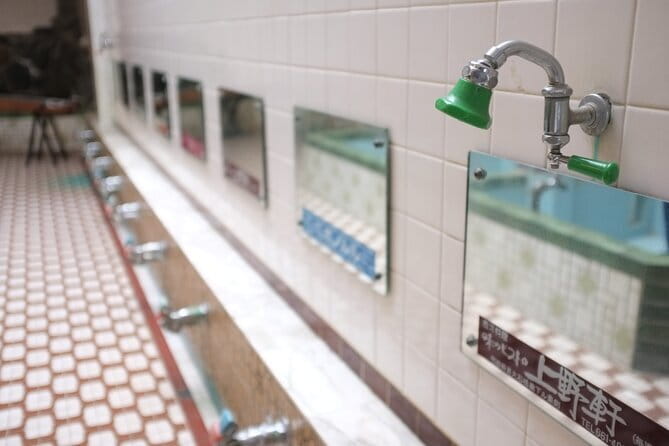
The location is one of the practical strengths. Kujo-yu is near Kyoto Station and public transportation, so you can build the concert around other plans without crossing the entire city.
A useful approach is to leave a little breathing room around the start time. The experience lasts about one hour, but your wider schedule still needs to account for getting to the venue and onward to your next stop.
Because the concert is compact, it works especially well on a day when you are already in the Kyoto Station area. You might pair it with dinner nearby or use it as a change of pace after sightseeing.
I would not treat it as a substitute for a full guided tour of Kyoto. Its strength is focus. You arrive at one unusual place, listen closely, and leave with a clearer sense of two traditional instruments and one repurposed neighborhood building.
The booking system provides a mobile ticket, which is useful when you are moving around Kyoto with a phone rather than carrying printed documents. Confirmation is received at the time of booking.
The experience is generally suitable for most people, and it is near public transportation. The available information does not give detailed accessibility specifications, so you should ask the provider directly if you have specific mobility needs.
How cancellation affects your plans
Free cancellation is available if you cancel at least 24 hours before the experience’s start time. That gives you some flexibility when arranging a Kyoto itinerary, especially if you are booking several activities in advance.
If you cancel less than 24 hours before the start, you will not receive a refund. Changes made within that same 24-hour window are not accepted.
The cutoff is based on local Kyoto time. I would check the start time carefully before booking, then avoid leaving this concert as a last-minute placeholder in an overloaded schedule.
The fact that the event is often booked about 32 days in advance is useful planning information. If you know you want this particular experience, reserving ahead may be sensible, especially for a busy Kyoto trip.
The main strengths and limitations
The strongest feature is the relationship between the music and the building. The koto and shamisen are interesting on their own, but the renovated sento makes the concert memorable.
The program also has welcome range. Classical pieces give you a connection to older Japanese musical traditions, while contemporary arrangements and original works keep the performance from feeling stuck in the past.
The limits are just as clear. You get about one hour of music, not an extensive lesson or long cultural tour. Drinks are extra, private transport is extra, and the exact repertoire is not guaranteed.
That balance is easy to accept if you book with the right expectations. Think of this as a concentrated cultural experience, not a full evening package.
Should you book the Kujo-yu concert?
I would book it if you want a short, atmospheric introduction to Japanese music and like the idea of hearing it in a former public bathhouse. The $32.52 price is fair for a live performance in such a distinctive venue, especially when the location near Kyoto Station makes it easy to add to your plans.
Choose it for the setting, the acoustics, and the chance to hear both koto and shamisen. Skip it if you need a fixed repertoire, included refreshments, private transport, or a longer educational program.
For many Kyoto itineraries, this is a smart one-hour addition. It gives you something more personal than another sightseeing stop and shows how an old local space can serve a new purpose.
FAQ
Where does the concert take place?
The concert takes place at コワーケーションスペース九条湯, also called Kujo-yu, a renovated former Japanese sento near Kyoto Station in Kyoto.
How long does the experience last?
The concert lasts approximately one hour.
What instruments will I hear?
The performance features traditional Japanese instruments including the koto and shamisen.
What type of music is performed?
The program can include classical Japanese masterpieces, contemporary arrangements, and original compositions.
Does the program stay the same for every concert?
No. The repertoire changes according to the season and the performers.
What does the ticket include?
The ticket includes admission to the concert.
Are coffee and tea included?
No. Coffee and tea are not included.
Can I cancel for a full refund?
Yes. You can cancel for a full refund if you do so at least 24 hours before the experience’s start time. Cancellations or changes made less than 24 hours before the start are not accepted.
Just reviewed around Japan
- Japanaese tradtional Tsugaru Shamisen music lesson in Tokyo★ 4.5 · 3 reviews
- Tsugaru shamisen performance over traditional dinner★ 5.0 · 9 reviews
- Easy for everyone! Now you can play handmade mini shamisen and show off to everyone! Musical instruments, sweets and live music★ 5.0 · 3 reviews
- Traditional Japanese Music show & Experience Tour in Osaka★ 5.0 · 25 reviews
- Private Japanese music concert★ 5.0 · 4 reviews
- Kyoto: Matcha & Traditional Japanese Music Immersive Experience★ 5.0 · 9 reviews
- Kyoto: Kujo-yu Sento Traditional Japanese Instrument Concert★ 5.0 · 2 reviews
- Echoes of Peace – A Soul-Stirring Koto Concert in Hiroshima★ 4.5 · 5 reviews
Kyoto Live Music: the closest alternatives.
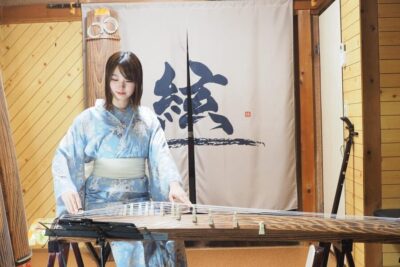
Kyoto: Traditional Concert at Townhouse or Bathhouse
Read our review →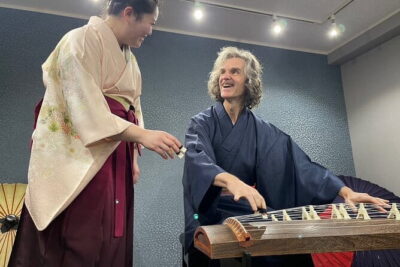
Traditional Japanese Music show & Experience Tour in Kyoto
Read our review →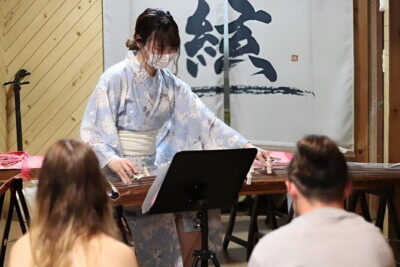
Concerts Played with Traditional Instruments in Kyoto
Read our review →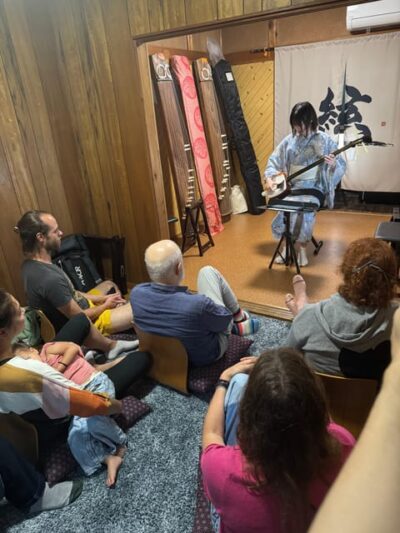
Kyoto: Japanese Koto & Shamisen Concert and Koto Class
Read our review →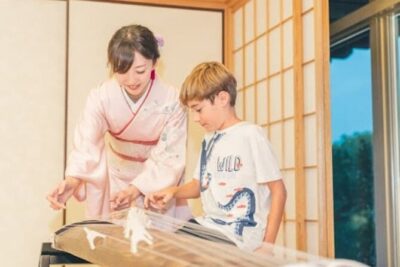
Kyoto: Matcha & Traditional Japanese Music Immersive Experience
Read our review →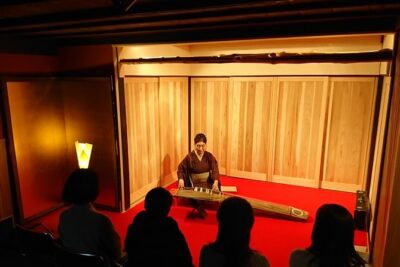
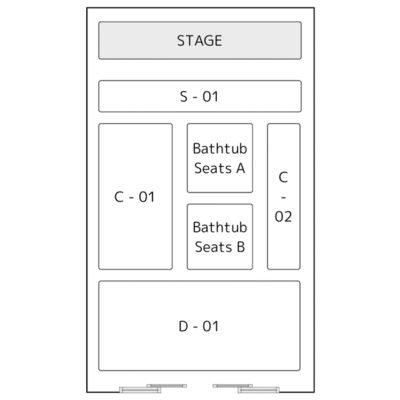
Kyoto: Kujo-yu Sento Traditional Japanese Instrument Concert
Read our review →This show also appears in